 FR
FR EN
EN ZH
ZH ES
ES AR
ARLes exigences en matière de générateurs pour les centres de données vont au-delà de la simple correspondance entre les kilowatts et la charge de l'installation. Au cours de plus de dix ans de production d'énergie projets sur trois continents, j'ai vu des déploiements de générateurs qui ont passé tous les tests en usine mais ont trébuché là où cela comptait — parce que les règles de conformité régionales différaient du standard de conception, que les contraintes physiques du site étaient négligées lors de la spécification, ou que le support modèle de maintenance ne correspondait pas aux exigences de disponibilité de l'installation. Un générateur de secours qui fonctionne est évalué comme un système complet dans son environnement de déploiement réel, et non comme un article de catalogue coché sur une liste d'approvisionnement. Voici une analyse structurée des spécifications, normes et facteurs d'intégration qui déterminent si l'alimentation de secours fonctionne lorsque cela compte.
Décisions de puissance et de dimensionnement
La plupart des équipes de centres de données commencent par la question de la capacité. La réponse dépend de la puissance applicable au profil de fonctionnement prévu et de la manière dont la redondance est structurée dans l'installation.
Les fabricants de générateurs classent les unités selon trois catégories principales définies par ISO 8528 : puissance de secours (ESP), puissance de base (PRP) et puissance continue (COP). Pour les centres de données, les générateurs classés en puissance de secours sont le choix le plus courant car le générateur ne fonctionne que lors des coupures de courant. Un unité classée en puissance de secours peut fournir sa puissance nominale pendant toute la durée d'une panne, mais supporte généralement une limite de facteur de charge moyen de 70 % sur une période de 24 heures.
| Type de classification | Facteur de charge | Application typique | Capacité de surcharge |
|---|---|---|---|
| De secours (ESP) | 70% moy. / 100% plaque signalétique | Alimentation de secours pour centre de données | Aucun (seulement plaque signalétique) |
| Primaire (PRP) | 70% moy. / 100% plaque signalétique | Alimentation principale du site distant | 10% pour 1 heure toutes les 12 heures |
| Continu (COP) | 100% en continu | Opérations de charge de base | Aucun |
Lors du dimensionnement d'un centre de données, la charge totale connectée doit tenir compte des équipements informatiques, des systèmes de refroidissement, de l'éclairage et de l'infrastructure de support. Au-delà de la charge en régime permanent, le groupe électrogène doit gérer le courant d'appel des compresseurs de refroidissement et le démarrage des redresseurs UPS. Un calcul de dimensionnement basé uniquement sur la charge informatique en régime permanent omet fréquemment le pic de charge initial lors du redémarrage du refroidissement après une panne, et la chute de tension et de fréquence du groupe électrogène qui s'ensuit peut entraîner la mise hors service des équipements en aval.
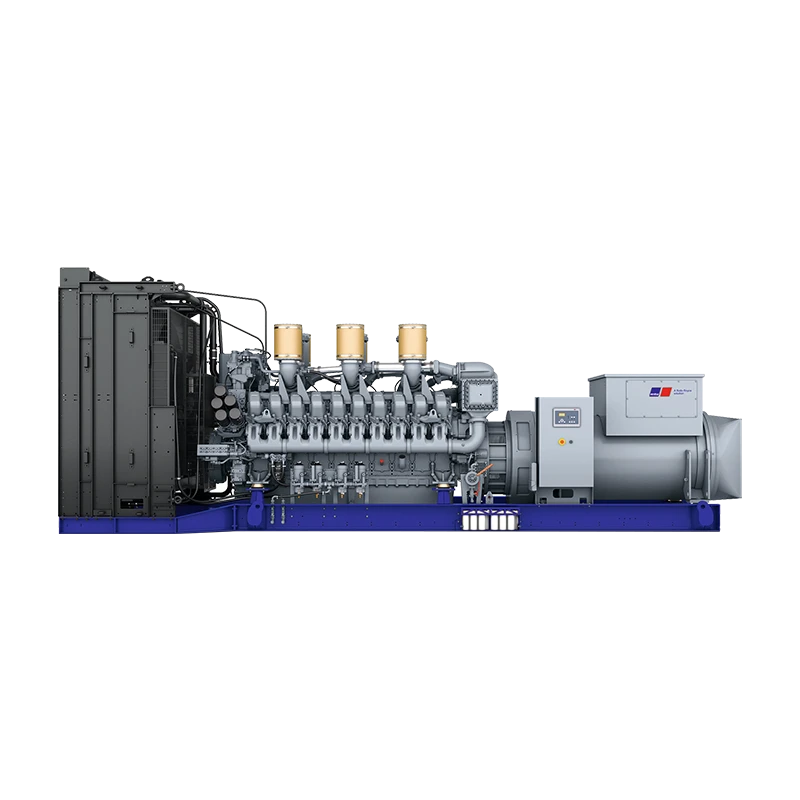
La configuration de la redondance façonne directement l'approche de dimensionnement. Une disposition N+1 place un groupe électrogène supplémentaire au-delà de ce que la charge requiert, de sorte que chaque unité peut être plus petite que la charge totale tant que le système parallèle maintient la couverture lors de la défaillance d'une seule unité. Une installation s'appuyant sur un seul grand groupe électrogène doit dimensionner cette unité pour la charge complète plus une marge, sans solution de repli. Dans les projets que j'ai soutenus en Asie du Sud-Est, les opérateurs ont sélectionné plusieurs unités de capacité moyenne plutôt qu'une seule grande machine spécifiquement pour gagner en flexibilité pendant les fenêtres de maintenance sans compromettre la redondance.
Normes de conformité dans les déploiements mondiaux
La conformité est ce qui rend les spécifications des groupes électrogènes de centres de données véritablement complexes. Les normes ne sont pas universelles, et une configuration de groupe électrogène qui satisfait une région peut nécessiter des modifications substantielles pour une autre.
Le système de classification Tier de l'Uptime Institute définit des repères de disponibilité qui influencent directement la configuration du groupe électrogène. Les centres de données Tier III et Tier IV exigent tous deux des chemins d'alimentation maintenables simultanément, ce qui signifie plusieurs groupes électrogènes avec des systèmes indépendants système de carburants, des appareillages de commutation et des commandes. Le Tier IV ajoute la tolérance aux pannes : le système de groupe électrogène doit rester opérationnel après toute défaillance d'équipement unique, où qu'elle se produise dans le chemin d'alimentation. Pour répondre à cette exigence, il faut des systèmes de démarrage en double, des contrôleurs redondants et des circuits de refroidissement indépendants au sein de l'installation du groupe électrogène.
Au-delà des exigences de niveau, les codes du bâtiment locaux et les réglementations sur les émissions varient considérablement. La France applique les indices EPA Tier pour les moteurs stationnaires, avec des exigences Tier 4 s'appliquant dans certaines zones non conformes. L'Union européenne opère sous les normes d'émissions Stage V pour les engins mobiles non routiers, qui couvrent de nombreuses classes de moteurs de groupes électrogènes. Dans certaines régions d'Asie du Sud-Est et du Moyen-Orient, les autorités peuvent accepter les normes EPA ou UE, mais exigent de plus en plus de documentation supplémentaire, y compris des enregistrements de tests d'acceptation en usine et une modélisation des émissions spécifique au site.
Les groupes électrogènes conçus avec une conformité multi-normes dès le départ réduisent le délai de déploiement de plusieurs mois. J'ai travaillé sur des projets où la sélection d'une plateforme moteur pré-certifiée selon les exigences EPA, EU Stage V et locales d'Asie du Sud-Est a éliminé les retards réglementaires qui avaient bloqué les phases précédentes. Confirmez la certification des émissions lors de la spécification, pas après l'expédition de l'équipement.
Pour les systèmes de sécurité, la NFPA 110 régit les systèmes d'alimentation de secours aux États-Unis, définissant les exigences en matière de capacité de démarrage, de stockage de carburant et de tests hebdomadaires. À l'échelle internationale, la CEI 62040 traite des systèmes d'alimentation sans interruption et de l'interface entre l'onduleur et le groupe électrogène. Si un centre de données s'étend sur plusieurs juridictions réglementaires, la spécification du groupe électrogène doit faire référence à la norme la plus stricte applicable et confirmer la conformité globale avant l'achat.
Intégration physique et planification du site
Les groupes électrogènes sont grands, lourds et thermiquement actifs. Leur placement dans un centre de données existant, ou la conception d'une nouvelle installation autour de l'infrastructure du groupe électrogène, exige plus de planification que ce que permettent de nombreux calendriers de projet.
Les encoffrements de groupes électrogènes silencieux répondent à la protection contre le bruit et les intempéries en un seul ensemble. Pour les centres de données urbains où les ordonnances sur le bruit peuvent restreindre les opérations nocturnes, les capots insonorisés classés à 65 à 75 dBA à 7 mètres sont standard. La Série Hemera plateforme, par exemple, combine une faible émission sonore avec un encombrement compact adapté aux installations sur les toits et aux sites à espace restreint.
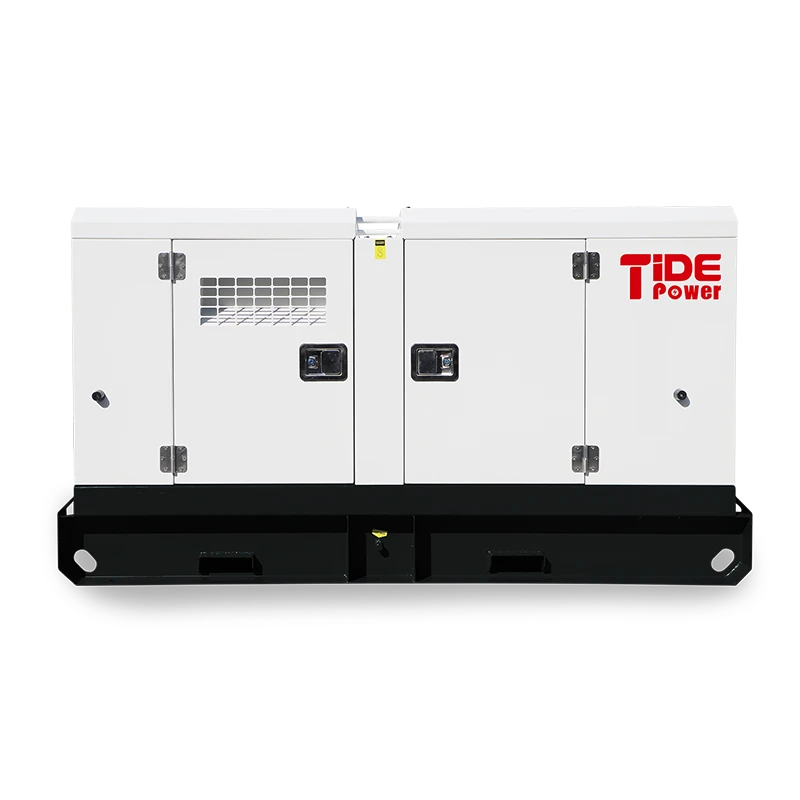
Les solutions de groupes électrogènes conteneurisés offrent une voie alternative. Un conteneur ISO standard abritant un système de groupe électrogène complet, y compris le moteur, l'alternateur, le réservoir de carburant, l'appareillage de commutation et les commandes, peut être déployé à côté du centre de données avec une préparation minimale du site. Le groupe électrogène arrive pré-commissionné et testé en usine, prêt à être raccordé. Le compromis est que les unités conteneurisées nécessitent un dégagement adéquat pour la ventilation et l'échappement, généralement 2 à 3 mètres de tous les côtés pour une bonne circulation de l'air.
La conception du système de refroidissement est directement liée au placement physique. Les groupes électrogènes refroidis par radiateur nécessitent un flux d'air illimité sur la face du radiateur. Une installation intérieure ou étroitement confinée peut nécessiter un radiateur déporté ou un système de tour de refroidissement, ce qui augmente à la fois le coût et la complexité. Pour les installations en sous-sol dans les centres de données à plusieurs étages, cela peut être la seule option viable. J'ai vu des projets où la spécification du groupe électrogène était techniquement correcte mais où un dégagement insuffisant pour l'évacuation de l'air chaud a entraîné une détarification dépassant 15 %, un problème qui n'a été découvert que lors de la mise en service.
Si votre déploiement implique un site restreint ou urbain, la vérification des paramètres d'intégration physique avant de finaliser la sélection du groupe électrogène évite des retouches coûteuses après la livraison. Notre équipe d'ingénierie a soutenu des projets de centres de données où des études de site précoces ont identifié des problèmes de dégagement qui ont modifié la configuration du groupe électrogène bien avant l'achat, maintenant ainsi le calendrier saisons de construction intact.
Considérations sur le carburant, le refroidissement et la durée de fonctionnement
La durée pendant laquelle un générateur peut fonctionner en continu lors d'une panne prolongée dépend de la capacité de stockage du carburant, du taux de consommation et de la capacité du système de refroidissement à maintenir des températures de fonctionnement stables.
Le diesel reste le carburant dominant pour les générateurs de centres de données en raison de sa densité énergétique, de sa stabilité de stockage et de la chaîne d'approvisionnement établie pour la livraison en vrac. Un générateur diesel de 2000 kVA à 75 pour cent de charge consomme environ 300 à 350 litres de diesel par heure. Pour un centre de données nécessitant 48 heures d'autonomie sans ravitaillement, cela signifie environ 30 000 à 35 000 litres stockés sur site. Le stockage de carburant doit respecter les codes locaux de sécurité incendie, qui peuvent exiger des réservoirs à double paroi, une containment secondaire et des distances de séparation par rapport aux bâtiments.
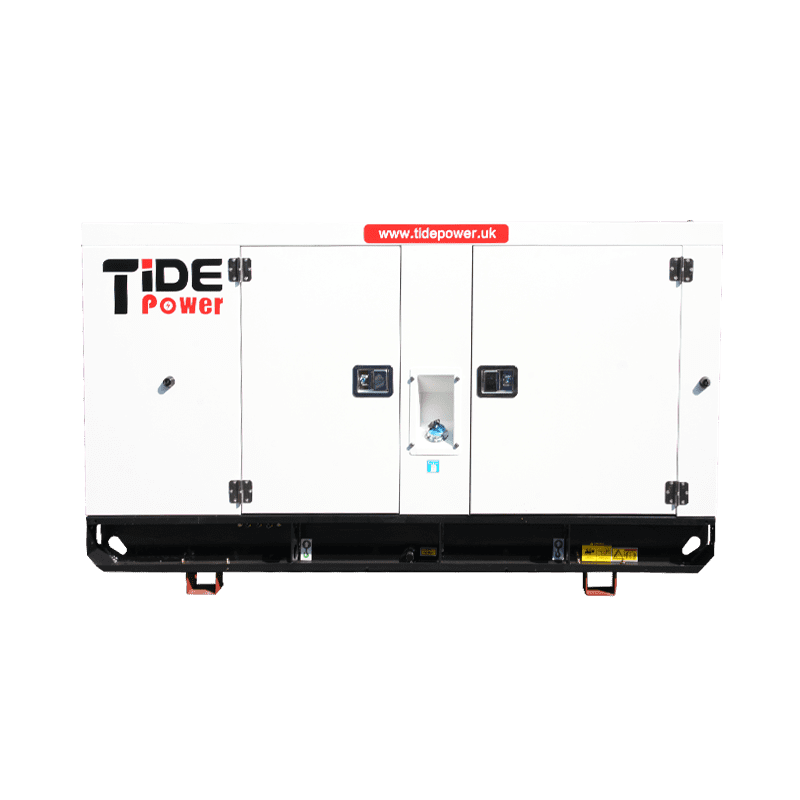
Les générateurs au gaz naturel offrent une alternative lorsque l'approvisionnement par pipeline est fiable et que les réglementations sur les émissions sont strictes. Les unités à gaz produisent moins d'émissions particulaires et de NOx, et l'approvisionnement en carburant est continu tant que le fournisseur de gaz maintient la pression lors d'un événement sur le réseau. La plateforme de générateurs à gaz MWM, couvrant de 600 à 4500 kVA, cible les applications où les faibles émissions de carbone et le fonctionnement continu sont prioritaires. Cela dit, les générateurs à gaz ont généralement une capacité d'acceptation de charge inférieure à celle des unités diesel de puissance équivalente, ce qui doit être pris en compte dans la conception de l'UPS et de la séquence de charge.
La capacité du système de refroidissement est aussi cruciale pour une durée de fonctionnement prolongée. La plupart des générateurs de centres de données utilisent un système de radiateur en boucle fermée avec un échangeur de chaleur eau-air. Dans les climats chauds où les températures ambiantes dépassent 40 degrés Celsius, le générateur peut nécessiter un facteur de dégradation ou un radiateur surdimensionné pour maintenir la puissance maximale. Les installations en haute altitude au-dessus de 1000 mètres nécessitent également une dégradation, car l'air plus mince réduit à la fois l'efficacité de combustion et le rejet de chaleur du radiateur. Ces ajustements environnementaux doivent être intégrés lors de l'élaboration du devis, et non dans le rapport de mise en service.
Préparation opérationnelle et stratégie de maintenance
Un générateur correctement spécifié et entretenu selon une norme non vérifiée représente un point unique de défaillance potentiel lors d'une panne. Les opérateurs de centres de données doivent disposer d'une stratégie de maintenance adaptée à la criticité de la charge.
NFPA 110 exige un exercice hebdomadaire du générateur sous charge pendant au moins 30 minutes. C'est le minimum. De nombreux opérateurs de centres de données réalisent des tests mensuels plus complets, incluant des essais avec une banque de charges complète pour confirmer que le générateur peut accepter et maintenir sa puissance nominale. Les tests avec une banque de charges aident également à prévenir le stacking humide dans les moteurs diesel, une condition où le carburant non brûlé s'accumule dans le système d'échappement en raison d'une opération prolongée à faible charge.
La surveillance à distance est devenue une norme dans les installations de générateurs de centres de données. Les contrôleurs modernes de groupes électrogènes fournissent des données en temps réel sur les paramètres du moteur, le niveau de carburant, la tension de la batterie, la température du liquide de refroidissement et la puissance de sortie via les protocoles Modbus ou SNMP. L'intégration de ces données dans le système de gestion du bâtiment permet aux équipes de suivre en continu la disponibilité du générateur plutôt que de se limiter à des inspections périodiques. Les alertes pour des conditions telles qu'un faible niveau de carburant ou une défaillance du chargeur de batterie permettent de détecter les problèmes avant le prochain test programmé, et non pendant.
La planification de la maintenance doit respecter la réalité que les centres de données fonctionnent 24h/24. La maintenance d'un générateur nécessitant une mise hors service doit être coordonnée avec la configuration de redondance pour qu'au moins un chemin d'alimentation reste disponible pendant toute la durée de l'intervention. Pour les centres de données avec une configuration N+1, cela est gérable. Pour les installations avec un seul générateur, la maintenance implique d'accepter une période de protection réduite, qui doit être planifiée lors de fenêtres à faible risque et clairement communiquée aux parties prenantes.
La disponibilité des pièces de rechange dépend de la marque du générateur et de la plateforme moteur. Les générateurs construits sur des familles de moteurs largement supportées telles que Cummins, Perkins ou MTU disposent généralement de réseaux de pièces détachées plus étendus dans plusieurs régions. Pour les déploiements internationaux de centres de données, confirmer la disponibilité locale des pièces pour le modèle spécifique du moteur avant l'achat réduit le délai entre la défaillance et la réparation si un composant tombe en panne.
Sécuriser le bon générateur pour votre centre de données
Choisir un générateur pour un centre de données n'est pas une simple transaction. C'est un processus de spécification qui relie l'ingénierie du système électrique à la réalité opérationnelle. Le générateur doit correspondre au profil de charge de l'installation, respecter toutes les normes régionales applicables, s'intégrer dans les contraintes physiques du site et fonctionner selon un modèle de maintenance aligné sur les exigences de disponibilité.
Les points de spécification abordés dans cet article, allant de la classification de la puissance et de la configuration de redondance à la conformité aux émissions, aux paramètres d'intégration physique, à la capacité du système de carburant et de refroidissement, ainsi qu'à la stratégie de maintenance, sont ceux qui différencient les générateurs qui fonctionnent sur papier de ceux qui fonctionnent lors d'une panne. Négliger un seul facteur introduit un risque qui s'amplifie lorsque le générateur doit démarrer.
Si vous spécifiez des systèmes de générateurs pour un projet de centre de données, la prochaine étape la plus productive est de partager vos exigences de projet pour une revue technique. Notre équipe chez Tide Power Technology prépare des propositions de configuration détaillées adaptées aux conditions du site, aux exigences de conformité et aux objectifs de redondance. Envoyez vos spécifications et votre calendrier de projet à [email protected] ou contactez-nous au +86 591 2806 8999 et nous confirmerons une configuration de générateur répondant aux besoins opérationnels de votre centre de données.
Questions fréquentes sur les systèmes de générateurs pour centres de données
À quelle fréquence un générateur de centre de données doit-il être testé
Les tests hebdomadaires sous charge, d'au moins 30 minutes, sont le minimum requis par NFPA 110. Au-delà de cette base, un test mensuel avec banque de charges complète est recommandé pour les générateurs diesel afin de vérifier que le moteur peut accepter et maintenir sa puissance nominale. Les tests avec banque de charges éliminent également les dépôts qui s'accumulent lors d'une charge légère, réduisant le risque de stacking humide dans le système d'échappement. Pour les centres de données situés dans des régions avec des extrêmes de température saisonniers, des tests supplémentaires avant les pics d'été et d'hiver confirment que les systèmes de refroidissement et de démarrage du générateur fonctionnent dans des conditions ambiantes réelles.
Un générateur diesel ou à gaz est-il meilleur pour un centre de données
La réponse se divise en fonction des exigences en matière de temps de fonctionnement, des réglementations sur les émissions et de la disponibilité du carburant. Les générateurs diesel offrent une densité de puissance plus élevée, une meilleure acceptation de la charge et une indépendance vis-à-vis de l'infrastructure externe car le carburant est stocké sur site. Les générateurs à gaz produisent des émissions plus faibles et éliminent le stockage de carburant en vrac, mais dépendent de la disponibilité des pipelines lors d'une panne du réseau électrique. Dans la plupart des applications de centres de données, le diesel reste le choix préféré puisque le générateur doit fonctionner indépendamment de l'infrastructure extérieure. Lorsque la conformité aux émissions ou les restrictions sonores rendent le diesel difficile, les générateurs à gaz avec stockage sur site comme des réservoirs de GNL offrent une alternative viable.
Ce qui distingue les exigences des générateurs de Niveau III de celles du Niveau IV
Les centres de données de Niveau III et Niveau IV exigent tous deux des systèmes de générateurs maintenables simultanément avec des voies de carburant indépendantes et des appareillages de commutation. La différence est que le Niveau IV ajoute la tolérance aux pannes : le système de générateur doit continuer à fonctionner en cas de défaillance d’un seul équipement sans interruption. Répondre à cette norme nécessite des systèmes de démarrage redondants, des contrôleurs doubles et des circuits de refroidissement indépendants au sein de chaque générateur ou entre des unités parallélisées. Une installation de générateur de Niveau IV exige également une compartimentation physique des voies d’alimentation afin qu’un incendie ou une défaillance mécanique dans une zone ne puisse pas se propager à la voie de secours.
Quelle quantité de stockage de carburant un générateur de centre de données doit-il avoir
Le volume de stockage de carburant est calculé à partir du taux de consommation du générateur multiplié par la durée de fonctionnement cible sans ravitaillement. Un générateur diesel de 2000 kVA à 75 % de charge consomme environ 300 à 350 litres par heure. Pour 48 heures d’autonomie, le site a besoin d’environ 30 000 à 35 000 litres de stockage. Les codes locaux d’incendie dictent souvent la configuration du réservoir, avec des réservoirs à double paroi, une containment secondaire et des distances de séparation par rapport aux bâtiments comme exigences typiques. Certaines juridictions plafonnent le volume maximum dans un seul réservoir, ce qui nécessite plusieurs réservoirs reliés par un système de collecteur. Indiquez vos besoins en temps de fonctionnement et la localisation du site, et nous pourrons confirmer la configuration de stockage de carburant adaptée à l’environnement de conformité spécifique de votre projet.
Si cela vous intéresse, consultez ces articles connexes :
Tide Power reconnu comme l'un des principaux fabricants par IMIR Market Research
Tide Power brille à WETEX 2025 Dubaï, attirant une attention majeure avec des solutions de stockage hybride intelligentes et des solutions efficaces de déshydratation
Comment les générateurs industriels et les systèmes hybrides de puissance résolvent les défis énergétiques estivaux