 EN
EN ZH
ZH FR
FR ES
ES AR
ARData center generator requirements go beyond matching kilowatts to facility load. Across more than ten years of power generation projects on three continents, I have seen generator deployments that passed every factory test but stumbled where it mattered — because regional compliance rules differed from the design standard, physical site constraints were overlooked during specification, or the maintenance support model did not line up with the uptime demands of the facility. A standby generator that works is one evaluated as a complete system within its actual deployment environment, not as a catalogue item checked off a procurement list. Here is a structured breakdown of the specifications, standards, and integration factors that determine whether backup power performs when it counts.
Power Rating and Sizing Decisions
Most data center teams start with the question of capacity. The answer turns on which power rating applies to the intended operating profile and how redundancy is structured across the facility.
Generator manufacturers rate units under three primary categories defined by ISO 8528: standby power (ESP), prime power (PRP), and continuous power (COP). For data centers, standby rated generators are the most common choice because the generator runs only during utility outages. A standby rated unit can deliver its nameplate output for the duration of an outage but typically carries an average load factor limit of 70 percent over a 24 hour period.
| Rating Type | Load Factor | Typical Application | Overload Capability |
|---|---|---|---|
| Standby (ESP) | 70% avg / 100% nameplate | Data center backup | None (nameplate only) |
| Prime (PRP) | 70% avg / 100% nameplate | Remote site primary power | 10% for 1 hr per 12 hrs |
| Continuous (COP) | 100% continuous | Baseload operations | None |
When sizing for a data center, the total connected load must account for IT equipment, cooling systems, lighting, and supporting infrastructure. Beyond steady state load, the generator must handle the inrush current from cooling compressors and UPS rectifier startup. A sizing calculation based solely on steady state IT load frequently misses the initial load step when cooling restarts after an outage, and the generator voltage and frequency dip that follows can cause downstream equipment to trip offline.
Redundancy configuration directly shapes the sizing approach. An N+1 arrangement places one additional generator beyond what the load requires, so each unit can be smaller than the total load as long as the parallel system maintains coverage during a single unit failure. A facility relying on a single large generator must size that unit for the full load plus margin with no fallback. In projects I have supported across Southeast Asia, operators selected multiple medium capacity units over a single large machine specifically to gain flexibility during maintenance windows without compromising redundancy.
Compliance Standards Across Global Deployments
Compliance is where data center generator specifications become genuinely complex. Standards are not universal, and a generator configuration that satisfies one region may require substantial rework for another.
The Uptime Institute Tier classification system sets availability benchmarks that directly influence generator configuration. Tier III and Tier IV data centers both require concurrently maintainable power paths, which means multiple generators with independent fuel systems, switchgear, and controls. Tier IV adds fault tolerance: the generator system must remain operational after any single equipment failure anywhere in the power path. Meeting this means duplicate starting systems, redundant controllers, and independent cooling circuits within the generator installation.
Beyond tier requirements, local building codes and emissions regulations vary significantly. The United States enforces EPA Tier ratings for stationary engines, with Tier 4 requirements applying in certain nonattainment areas. The European Union operates under Stage V emissions standards for non-road mobile machinery, which covers many generator engine classes. In parts of Southeast Asia and the Middle East, authorities may accept EPA or EU standards but increasingly require additional documentation, including factory acceptance testing records and site specific emissions modeling.
Generator sets engineered with multi-standard compliance from the start cut months off the deployment timeline. I have worked on projects where selecting an engine platform pre-certified across EPA, EU Stage V, and local Southeast Asian requirements eliminated regulatory delays that had stalled earlier phases. Confirm emissions certification during specification, not after the equipment ships.
For safety systems, NFPA 110 governs Emergency Power Supply Systems in the United States, setting requirements for starting capability, fuel storage, and weekly testing. Internationally, IEC 62040 addresses uninterruptible power systems and the interface between UPS and generator. If a data center spans multiple regulatory jurisdictions, the generator specification should reference the most stringent applicable standard and confirm compliance across the board before procurement.
Physical Integration and Site Planning
Generators are large, heavy, and thermally active. Placing one within an existing data center, or designing a new facility around generator infrastructure, demands more planning than many project schedules allow.
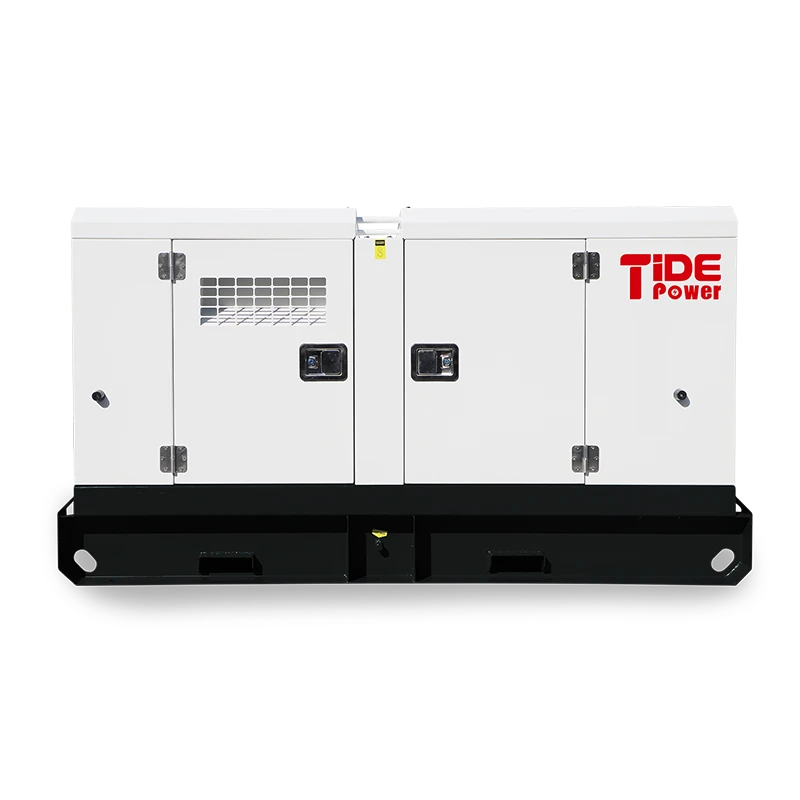
Silent type generator enclosures address noise and weather protection in a single package. For urban data centers where noise ordinances may restrict nighttime operation, sound attenuated canopies rated at 65 to 75 dBA at 7 meters are standard. The Hemera Series platform, as one example, combines low noise output with a compact footprint suited to rooftop installations and space constrained sites.
Containerized generator solutions offer an alternative path. A standard ISO container housing a complete generator system, including engine, alternator, fuel tank, switchgear, and controls, can be deployed adjacent to the data center with minimal site preparation. The generator arrives pre-commissioned and factory tested, ready for connection. The tradeoff is that containerized units need adequate clearance for ventilation and exhaust, typically 2 to 3 meters on all sides for proper airflow.
Cooling system design ties directly to physical placement. Radiator cooled generators need unrestricted airflow across the radiator face. An indoor or tightly enclosed installation may require a remote radiator or cooling tower arrangement, raising both cost and complexity. For basement installations in multi-story data centers, this may be the only viable option. I have seen projects where the generator specification was technically correct but insufficient clearance for hot air discharge led to derating exceeding 15 percent, a problem that surfaced only during commissioning.
If your deployment involves a constrained or urban site, verifying physical integration parameters before finalizing generator selection prevents costly rework after delivery. Our engineering team has supported data center projects where early site surveys identified clearance issues that changed the generator configuration well before procurement, keeping the construction timeline intact.
Fuel, Cooling, and Runtime Considerations
How long a generator can run continuously during an extended outage depends on fuel storage capacity, consumption rate, and the cooling system’s ability to maintain stable operating temperatures.
Diesel remains the dominant fuel for data center generators because of its energy density, storage stability, and the established supply chain for bulk delivery. A 2000 kVA diesel generator at 75 percent load consumes approximately 300 to 350 liters of diesel per hour. For a data center needing 48 hours of autonomous runtime without resupply, that means roughly 30,000 to 35,000 liters stored on site. Fuel storage must comply with local fire codes, which may require double walled tanks, secondary containment, and separation distances from buildings.
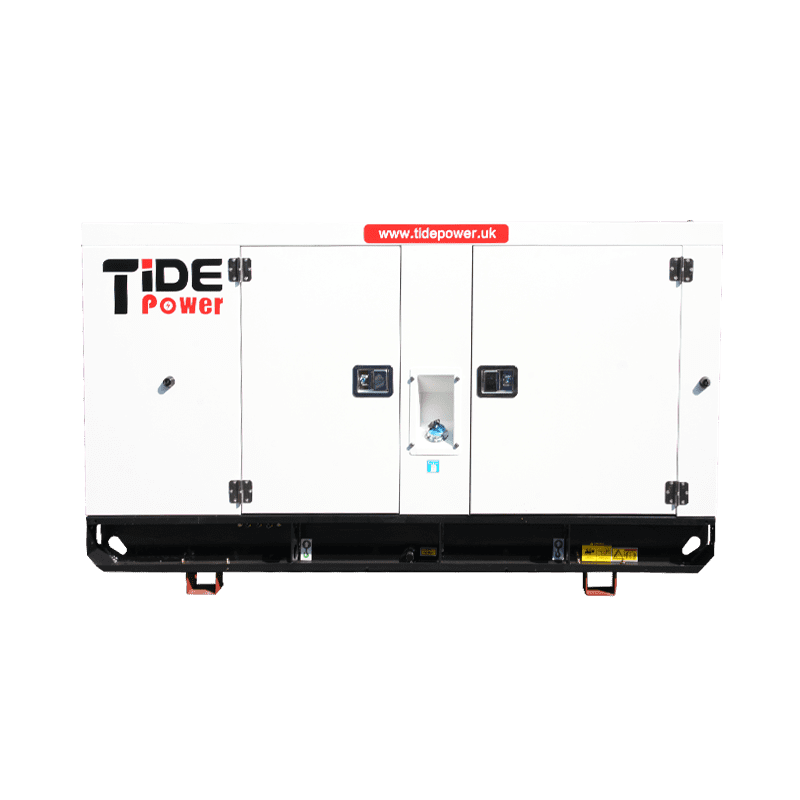
Natural gas generators present an alternative where pipeline supply is reliable and emissions regulations are tight. Gas units produce lower particulate and NOx emissions, and fuel supply is continuous provided the gas utility maintains pressure during a grid event. The MWM gas generator platform, covering 600 to 4500 kVA, targets applications where low carbon emissions and continuous operation are priorities. That said, gas generators typically have a lower load acceptance capability than diesel units of equivalent rating, which must be accounted for in the UPS and load sequencing design.
Cooling system capacity carries equal weight for extended runtime. Most data center generators use a closed loop radiator system with a water to air heat exchanger. In hot climates where ambient temperatures exceed 40 degrees Celsius, the generator may require a derating factor or an oversized radiator to hold full output. High altitude installations above 1000 meters also require derating because thinner air reduces both combustion efficiency and radiator heat rejection. These environmental adjustments belong in the quotation stage, not the commissioning report.
Operational Readiness and Maintenance Strategy
A correctly specified generator maintained to an unverified standard represents a single point of failure waiting to surface during an outage. Data center operators need a maintenance strategy that matches the criticality of the load.
NFPA 110 requires weekly generator exercising under load for at least 30 minutes. This is the minimum. Many data center operators run more comprehensive monthly tests that include full load bank testing to confirm the generator can accept and sustain its rated output. Load bank testing also helps prevent wet stacking in diesel engines, a condition where unburned fuel accumulates in the exhaust system due to prolonged low load operation.
Remote monitoring has become standard in data center generator installations. Modern genset controllers deliver real time data on engine parameters, fuel level, battery voltage, coolant temperature, and output power via Modbus or SNMP protocols. Integrating this data into the building management system lets facility teams track generator readiness continuously rather than relying on periodic inspections alone. Alerts for conditions like low fuel level or battery charger failure mean issues surface before the next scheduled test, not during it.
Maintenance scheduling must respect the reality that data centers operate around the clock. Generator service that takes a unit offline needs coordination with the redundancy configuration so that at least one power path remains available throughout the service window. For data centers with N+1 generator configurations, this is manageable. For facilities with a single generator, maintenance means accepting a period of reduced protection, which should be scheduled during low risk windows and communicated clearly to stakeholders.
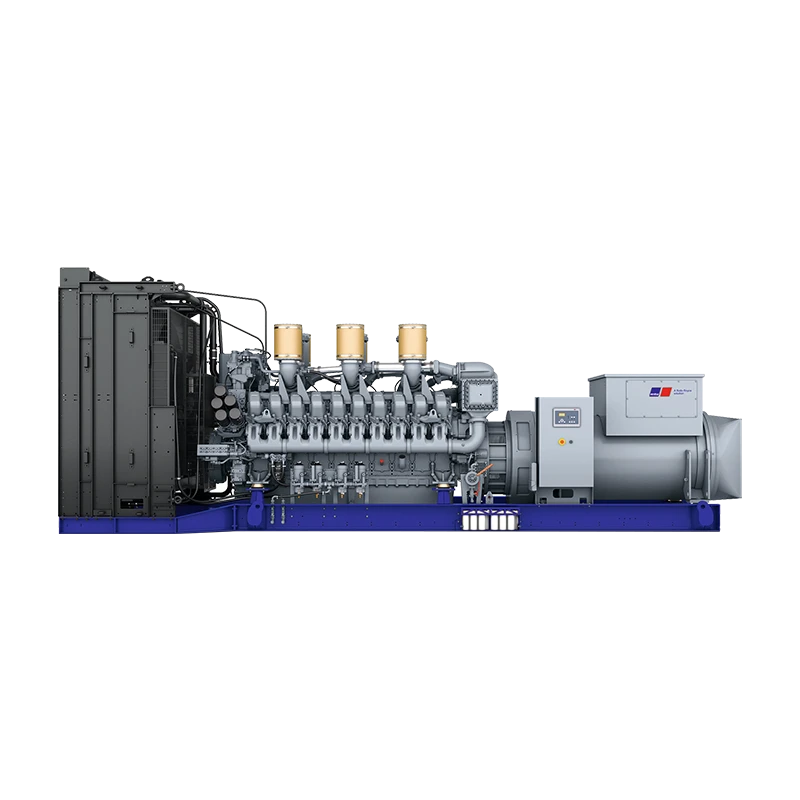
Spare parts availability shifts with the generator brand and engine platform. Generators built on widely supported engine families such as Cummins, Perkins, or MTU typically command better spare parts networks across multiple regions. For international data center deployments, confirming local parts availability for the specific engine model before procurement shortens the timeline from failure to repair if a component goes down.
Securing the Right Generator for Your Data Center
Selecting a generator for a data center is not a transaction. It is a specification process that connects power system engineering to operational reality. The generator must match the facility’s load profile, comply with every applicable regional standard, fit within the physical constraints of the site, and operate under a maintenance model aligned with uptime requirements.
The specification points covered in this article, from power rating classification and redundancy configuration to emissions compliance, physical integration parameters, fuel and cooling system capacity, and maintenance strategy, are the ones that separate generators that work on paper from generators that work during an outage. Overlooking any single factor introduces risk that compounds when the generator is called to start.
If you are specifying generator systems for a data center project, the most productive next step is to share your project requirements for a technical review. Our team at Tide Power Technology prepares detailed configuration proposals matched to site conditions, compliance requirements, and redundancy targets. Send your specifications and project timeline to [email protected] or reach us at +86 591 2806 8999 and we will confirm a generator configuration that meets your data center’s operational demands.
Common Questions About Data Center Generator Systems
How often should a data center generator be tested
Weekly testing under load, running at least 30 minutes, is the minimum required by NFPA 110. Beyond this baseline, a monthly full load bank test is recommended for diesel generators to verify the engine can accept and sustain its rated output. Load bank testing also clears deposits that accumulate during light loading, reducing the risk of wet stacking in the exhaust system. For data centers in regions with seasonal temperature extremes, additional testing before summer and winter peak periods confirms the generator’s cooling and starting systems perform under actual ambient conditions.
Is a diesel or gas generator better for a data center
The answer splits on runtime requirements, emissions regulations, and fuel availability. Diesel generators offer higher power density, better load acceptance, and independence from external infrastructure because the fuel sits on site. Gas generators produce lower emissions and eliminate bulk fuel storage, but depend on pipeline availability during a grid outage. In most data center applications, diesel remains the preferred choice since the generator must operate independently of outside infrastructure. Where emissions compliance or noise restrictions make diesel difficult, gas generators with on-site storage such as LNG tanks offer a workable alternative.
What separates Tier III from Tier IV generator requirements
Both Tier III and Tier IV data centers call for concurrently maintainable generator systems with independent fuel paths and switchgear. The difference is that Tier IV adds fault tolerance: the generator system must continue operating through any single equipment failure without interruption. Meeting this standard requires redundant starting systems, dual controllers, and independent cooling circuits within each generator or across paralleled units. A Tier IV generator installation also demands physical compartmentalization of power paths so that a fire or mechanical failure in one area cannot cascade to the backup path.
How much fuel storage does a data center generator need
Fuel storage volume is calculated from the generator’s consumption rate multiplied by the target runtime without resupply. A 2000 kVA diesel generator at 75 percent load consumes roughly 300 to 350 liters per hour. For 48 hours of autonomous operation, the site needs about 30,000 to 35,000 liters of storage. Local fire codes often dictate tank configuration, with double walled tanks, secondary containment, and separation distances from buildings being typical requirements. Some jurisdictions cap the maximum volume in a single tank, which calls for multiple tanks connected through a manifold system. Share your runtime requirements and site location and we can confirm the fuel storage configuration suited to your project’s specific compliance environment.
If you’re interested, check out these related articles:
Tide Power Recognized as One of Top Manufacturers by IMIR Market Research
Tide Power Shines at WETEX 2025 Dubai, Drawing Major Attention with Smart Hybrid Storage and Efficient Dewatering Solutions
How Industrial Generators and Hybrid Power Systems Solve Summer Energy Challenges