 EN
EN ZH
ZH FR
FR ES
ES AR
ARWhen scheduling site lighting for construction, mining, or emergency response, the runtime a light tower can deliver before refueling directly shapes crew productivity and project timelines. Rated runtimes printed on spec sheets assume ideal conditions, but actual hours on site often fall short. If you have ever had to halt work for a refueling run in the middle of a shift, you know that manufacturer numbers cover only one variable: fuel tank size. This article breaks down how load, lamp type, and environmental conditions affect real-world light tower runtime and gives you a planning method that accounts for your actual job site.
What Affects Light Tower Runtime and Fuel Consumption
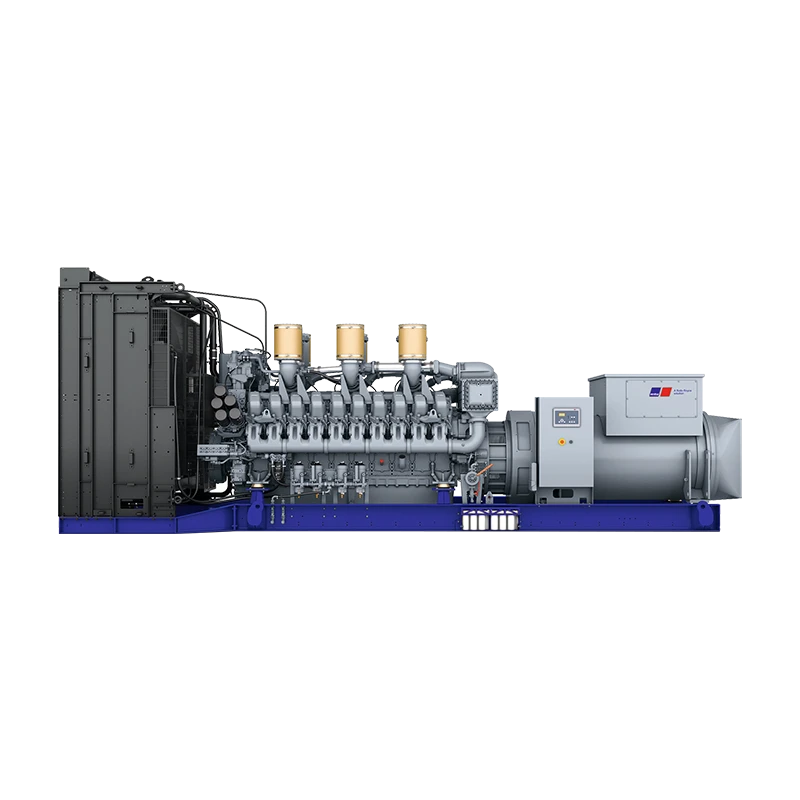
A light tower’s runtime starts with its fuel tank capacity and the engine’s fuel consumption rate, but the electrical load mounted on the tower does most of the work. A typical diesel light tower with a 50-gallon fuel tank and four 1000-watt metal halide lamps pulls close to 4800 watts, including ballast draw. That pushes the generator to operate at 50-65% of its rated output, consuming about 0.55 gallons of diesel per hour—translating to roughly 90 hours of continuous run time on a full tank. Swap the metal halide fixtures for LED equivalents producing the same light output, and the total load drops to around 1600 watts. Fuel burn falls to roughly 0.30 gallons per hour, stretching the same fuel load past 165 hours.
These numbers shift the moment site conditions change. Cold weather thickens diesel and makes the engine work harder; every 5°C drop below freezing can raise fuel consumption by 2-3%. Altitude reduces air density, causing incomplete combustion and cutting fuel efficiency—plan on 3-5% higher fuel burn for every 1000 meters above sea level. Dust and inadequate maintenance clog air filters, forcing the engine to run rich. In mining projects we have supported across Southeast Asia, a single air filter change mid-deployment restored nearly 8% of lost runtime because the generator was no longer compensating for restricted airflow.
If your site involves high-altitude or cold-weather work, it is worth confirming the fuel derating factors for your specific light tower model before committing to a fleet configuration—reach out at [email protected] for technical data.
Comparing Power Sources: Diesel, Solar, and Hybrid Options
Runtime requirements narrow your power source choice quickly if you know how each technology behaves under daily load.
Diesel light towers offer the highest energy density and the longest uninterrupted runtime for fixed light output. They work independently of weather and can run 24/7 with scheduled refueling. The tradeoff is logistics: every extra hour of runtime means a larger fuel tank and heavier transport weight.
Solar light towers carry photovoltaic panels and batteries that recharge during daylight and discharge through LED luminaires at night. In regions with 5-6 peak sun hours, a well-designed solar tower with lithium iron phosphate batteries can sustain 10-12 hours of continuous lighting at 400-600 watts total power draw. During prolonged cloudy stretches, runtime can drop to 6-8 hours. Solar alone works best for short-night operations or sites that can tolerate a backup charge source.
Hybrid diesel-solar towers combine both, using the solar array and battery to cover base load while the generator activates only when batteries dip below a preset threshold. This can extend fuel runtime by 40-60% compared to a diesel-only unit running the same light load, because the generator spends most hours off. Tide Power’s solar hydraulic lighting tower, for example, allows crews to dial in automatic switching points, and the hydraulic mast simplifies deployment without hand cranking.
| Power source | Typical continuous runtime (400W LED load) | Dependence on weather | Fuel logistics |
|---|---|---|---|
| Diesel only | 100-180 hours per tank (50-gal) | None | Requires fuel delivery |
| Solar only | 10-12 hours per full battery charge | High; needs 5+ sun hours daily | No fuel |
| Hybrid diesel-solar | 60-90 hours per tank plus nightly solar supplement | Moderate; diesel covers gaps | Reduced refueling frequency |
How to Calculate Runtime for Your Specific Site
Designing a light tower runtime specification starts with the illumination target, not the fuel tank.
First, determine the area you need to light and the minimum illuminance for the task. A construction access road may need 10-20 lux, while a precision work area can require 50-100 lux. Convert those lux values to total lumens based on the coverage area and select a lamp configuration that delivers that output.
From the lamp power draw, calculate the total electrical load the generator must carry. If your lamp array consumes 2000 watts, a light tower with an 8 kVA generator will operate at roughly 25-35% load—a zone where specific fuel consumption per kWh can be higher than the engine’s optimal 70-80% range. Generators burn more fuel per watt at very light loads, so matching engine size to load matters.
Next, estimate fuel consumption per hour using the engine’s load-specific consumption curve. Many manufacturers provide a fuel consumption chart in liters or gallons per hour at 50%, 75%, and 100% load. For partial loads below 50%, apply a 10-15% efficiency penalty and add that to the fuel rate.
Now apply environmental derating: subtract 3-5% from the calculated runtime per 1000 meters elevation and 1-2% per 5°C below 0°C operating temperature. If your site is at 3000 meters and -15°C, the real runtime may be 15-20% shorter than the spec-sheet number.
Finally, divide your available fuel volume by the adjusted hourly consumption to estimate actual runtime between refueling. If the number falls below your shift length, either increase tank size, reduce lamp load, move to hybrid power, or plan a mid-shift refueling stop.
Maintenance Habits That Extend Runtime
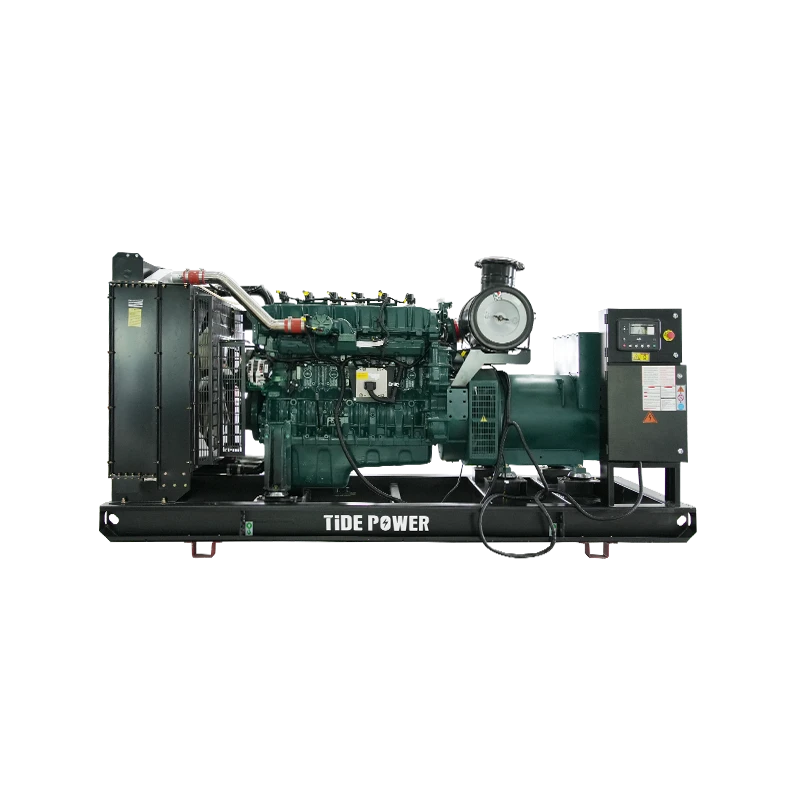
A light tower’s fuel efficiency is not fixed once it leaves the factory. Regular maintenance directly preserves runtime by keeping the engine and generator operating where they were designed to sit on the fuel map.
Dirty air filters force richer combustion; replacing them on schedule can recover 5-8% fuel economy, especially in dusty environments. Fuel quality degrades over time—stale diesel with water contamination reduces energy density and clogs injectors, leading to incomplete burn. In a desert road project we observed, switching from stored 90-day diesel to freshly supplied fuel with an in-line water separator added over 6 hours of runtime per tank simply because the engine was no longer working through fuel delivery inefficiencies.
Oil changes at the manufacturer’s interval keep internal friction low. Overdue oil increases parasitic loss by a few percentage points, which compounds across a full shift. Worn spark plugs on gasoline-driven auxiliary systems or loose belt tension on alternators both steal small amounts of engine power. Cumulatively, routine checks add 5-12% more runtime compared to a neglected unit.
Tide Power’s lighting tower range includes large access doors and centralized service points to make these inspections straightforward, whether the unit is a manual mast model stationed at a remote mine or a solar hydraulic tower at a highway worksite.
Tailoring Light Tower Selection to Your Operation
Most light tower selection guides stop at matching mast height and wattage to a site map. Runtime planning belongs in that conversation from the start. Work with a supplier that can provide fuel consumption curves for the engine-generator combination under your expected load, not just the full-load rating. Ask what percentage of the tower’s typical field life is spent at something other than the tested load point. If your operations run continuous cycles, lean toward a design with a generator optimized for the 50-75% load band, where a majority of light tower hours actually sit.
Our team at Tide Power has supported light tower deployments from flood recovery in tropical storms to year-round mining in high Andes camps, and the common thread is that a generic spec sheet never represents the real fuel schedule. A brief technical consultation can identify which tower platform gives your operation the fewest refueling interruptions.
For a detailed runtime projection that accounts for your site elevation, ambient temperature, and lamp configuration, send your requirements to [email protected] or call +86 591 2806 8999.
Common Questions About Light Tower Runtime
How many hours can a standard diesel light tower run without refueling?
Most diesel light towers with a 50-gallon fuel tank running four 1000W metal halide lamps deliver 80-100 hours. Swap those lamps to LED and the same tank often lasts 150-180 hours. Real hours on site vary with generator age, altitude, and maintenance state.
Is a solar light tower able to run all night for a construction shift?
It can, provided the battery bank is sized for a full night’s load and the solar array received enough charge during the day. In sun-rich regions, a 400-600W LED load can run 10-12 hours on battery after a full charge. If your project runs through monsoon season or has 14-hour winter shifts, a hybrid tower that calls in a diesel backup is a safer bet.
Does switching to LED lighting actually double runtime?
Yes, because LED luminaires typically draw 60-70% less electrical power than metal halide fixtures for the same light output. That directly reduces fuel consumption per hour, doubling the effective runtime from the same fuel tank.
What maintenance steps have the biggest effect on runtime?
Air filter replacement, fresh fuel with water separation, and on-time oil changes make the largest difference—combined, they can increase run time by 5-12%. Even a clogged fuel filter can reduce engine efficiency enough to shorten a tank’s life by several hours.
How do I know which light tower configuration will meet my actual shift length?
Start with your worst-case weather and altitude, then calculate fuel burn at the lamp load you need, not the tower’s nameplate rating. If that projected runtime falls short, look at LED upgrades, hybrid diesel-solar, or a larger fuel tank option. If your operation has critical uptime requirements, share your site specifics and we can confirm a configuration that keeps your lights on from start to end of shift.
If you’re interested, check out these related articles:
Senior executives from Germany’s MWM company visit Tide Power
Senior executives from Perkins visit Tide Power
Tide Power Introduces the BK-460-52-DC: A High-Efficiency Dry Suction Sewage Pump Unit for Tough Dewatering Challenges
Energizing Remote Operations: Hybrid Power Solutions for Off-Grid Success
Tide Power Launches B Series Dry Suction Sewage Pumps: No Priming, No Clogs, No Downtime