
 FR
FR EN
EN ZH
ZH ES
ES AR
ARLorsque vous recherchez un système d'énergie hybride pour un site de télécommunications hors réseau ou un projet de micro-réseau éloigné, la sélection du fournisseur est la décision cruciale. J'ai vu des systèmes bien spécifiés sous-performer parce que le fournisseur ne pouvait pas assurer une intégration fiable ou un service après-vente durable support dans des conditions isolées. Choisir le bon fournisseur de système d'énergie hybride signifie regarder au-delà des puissances nominales et des prix pour évaluer la compétence d'une entreprise à unifier solaire, stockage par batterie et génération diesel en une plateforme unique et stable—et à soutenir cette plateforme pendant des années. Cet article explique les cinq facteurs que j'ai appris à prioriser lors de cycles d'approvisionnement réels.
Définir vos exigences pour le système hybride
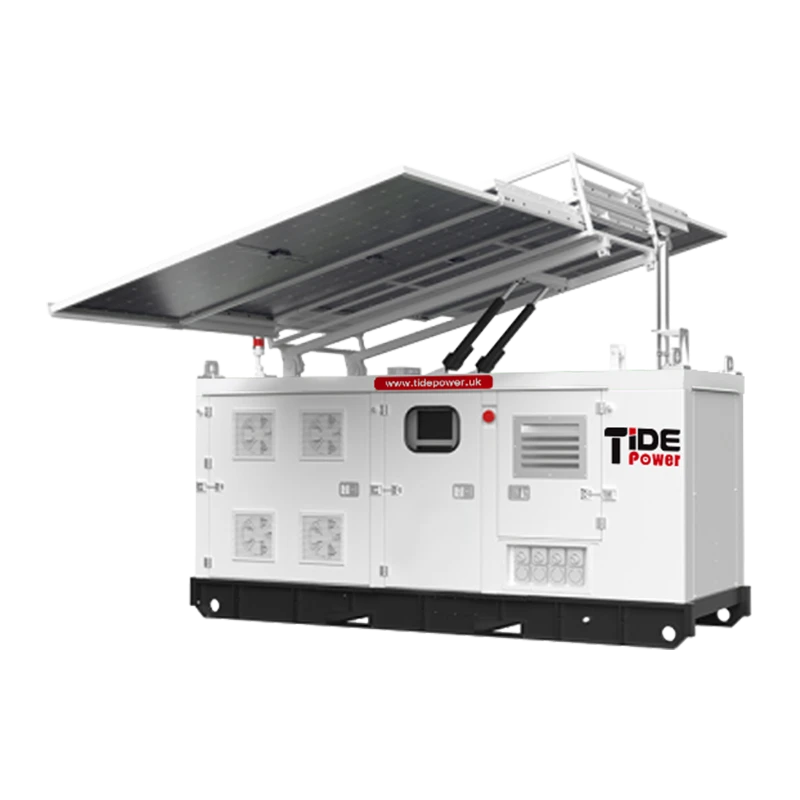
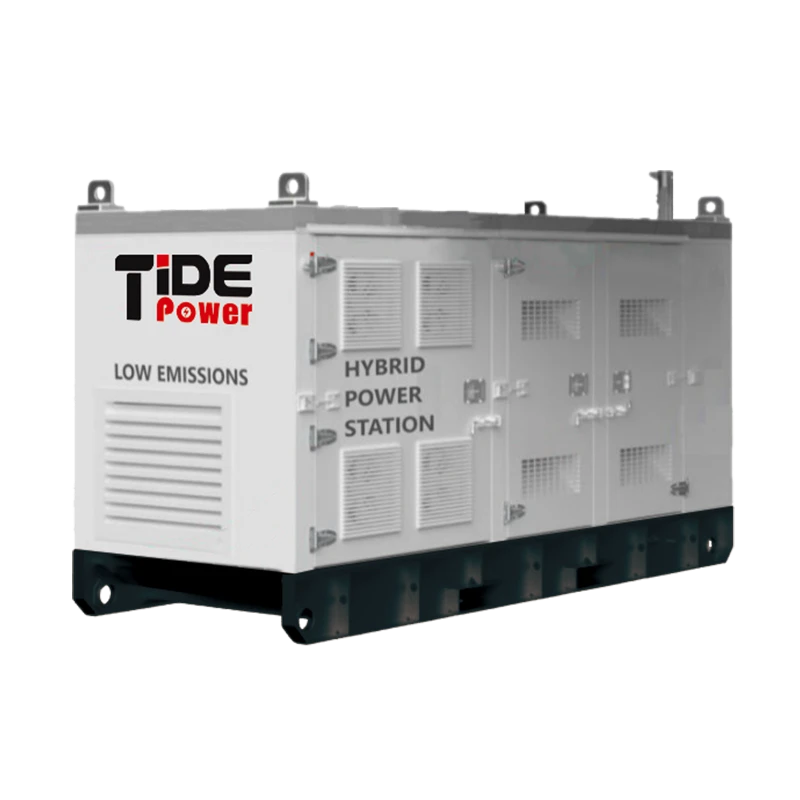
Avant de contacter un fournisseur, définissez précisément vos exigences techniques et opérationnelles. Un système d'énergie hybride combine des panneaux photovoltaïques, un stockage par batterie, des groupes électrogènes diesel et un contrôleur de gestion d'énergie intelligent qui décide quand puiser dans chaque source. Commencez par le profil de charge de votre site—demande de pointe, fluctuations quotidiennes et saisonnières, et si le système fonctionnera en mode isolé ou avec un soutien occasionnel du réseau. Prenez en compte les conditions environnementales : la chaleur extrême réduit la capacité des batteries et des moteurs, la poussière obstrue les filtres, et une humidité élevée accélère la corrosion. Si le site est limité en espace, un système conteneurisé qui se transporte sous forme d'un module testé unique facilite l'installation. La clarté à cette étape empêche les fournisseurs de proposer des configurations surdimensionnées ou incompatibles et évite des mois de retouches.
Évaluer la capacité technique et d'intégration
L'intégration est la partie la plus sollicitée d'un système hybride et la source la plus fréquente de défaillances sur le terrain. Le fournisseur doit prouver que son équipe d'ingénierie peut harmoniser contrôleurs de charge solaire, systèmes de gestion de batteries, contrôleurs de générateurs diesel et logique de dispatch dans une plateforme cohérente. J'ai vu un fournisseur vanter la capacité hybride mais recourir à un contrôleur générique incapable de gérer le partage de charge, provoquant des coupures répétées du générateur jusqu'à ce qu'un ingénieur réécrive la séquence de contrôle sur site.
Demandez la documentation de projets antérieurs où ils ont combiné des panneaux PV et des groupes électrogènes de taille similaire. Recherchez ces détails :
| Facteur d'intégration | Ce qu'il faut confirmer |
|---|---|
| Capacité du contrôleur hybride | Peut-il basculer entre solaire, batterie et diesel sans chute de tension ou baisse de charge ? |
| Protocoles de communication du système | Le BMS, l'onduleur et le contrôleur du générateur partagent-ils un langage commun (CAN bus, Modbus) ? |
| Logique de partage de charge | Comment le système priorise-t-il le solaire, puis la batterie, puis le diesel—et quelles conditions déclenchent le démarrage d'un générateur ? |
| Scalabilité | Pouvez-vous ajouter ultérieurement de la capacité solaire ou batterie sans reconfigurer le contrôleur ? |
Les certifications offrent une base utile. La marque CE, la gestion de la qualité ISO 9001 et la conformité environnementale ISO 14001 indiquent une discipline de processus qui se traduit par une qualité de fabrication reproductible. Pour les projets dans des secteurs réglementés, insistez sur la documentation d'approbation de type pour le groupe électrogène et l'enceinte de batterie.
Expérience en livraison de projets et en personnalisation
La réponse d'un fournisseur aux demandes de personnalisation vous en dit plus qu'une brochure. Les projets hybrides ne correspondent presque jamais à une configuration standard. Vous avez besoin d'un partenaire capable d'ajuster la capacité de la batterie pour correspondre à la durée de votre charge maximale, de sélectionner une puissance de générateur adaptée à la production solaire sans surdimensionner, et de concevoir une disposition conteneurisée ou séparée qui respecte vos contraintes de transport. Lors de la phase de proposition, demandez un calendrier détaillé du projet couvrant la revue de la conception technique, l'approvisionnement en composants, l'assemblage en usine, les tests intégrés, l'emballage et le fret maritime. Un fournisseur qui résiste à fournir des jalons précis a rarement une gestion de projet mature.
Avant que le système ne quitte l'usine, demandez un test complet de banc de charge intégré — en faisant fonctionner le générateur, la batterie et l'onduleur solaire ensemble sous des conditions de charge simulées. Cela permet de détecter les problèmes d'interface tant que les corrections restent peu coûteuses. Si votre projet implique des profils de charge inhabituels ou des conditions environnementales extrêmes, il est utile de confirmer avec l'équipe d'ingénierie du fournisseur comment le contrôleur hybride gérera ces cas limites — contactez [email protected].
Service Après-Vente et Fiabilité à Long Terme
Pour des systèmes hybrides installés à plusieurs centaines de kilomètres du centre de service le plus proche, le support après-vente a autant d'importance que le matériel lui-même. Confirmez le garantie modèle : couvre-t-il l'ensemble du système intégré ou seulement des composants individuels ? Une garantie unique sur la solution hybride élimine les reproches qui surviennent lorsque un fournisseur de générateurs et un fournisseur de batteries se blâment mutuellement.
Vérifiez le réseau de service. Le fournisseur dispose-t-il de partenaires techniques régionaux, ou peut-il garantir un lien de diagnostic à distance via cellulaire ou satellite ? J'ai vu des projets où un module de contrôle de générateur défectueux a mis trois semaines à être réparé parce que le technicien le plus proche du fournisseur était à deux pays de distance. Recherchez un fournisseur pouvant documenter sa présence en service sur le terrain dans votre région ou définir un protocole de support à distance concret, incluant les délais de livraison des pièces de rechange et les voies d'escalade. Un fournisseur qui propose une surveillance à distance en direct et peut pousser des mises à jour de firmware par voie aérienne réduit considérablement le risque d'indisponibilité.
Faire le Choix Final du Fournisseur
La décision finale équilibre compatibilité technique et confiance dans le partenariat. Comparez côte à côte les propositions de vos fournisseurs présélectionnés en examinant la méthodologie d'intégration, le bilan en matière de personnalisation et les engagements de support — pas seulement le prix. Un coût initial plus bas s'évapore rapidement si la mise en service est retardée ou si des pièces de rechange manquent, allongeant votre calendrier. Le fournisseur que vous choisissez doit vous donner confiance qu'en cas de changement de conditions sur le terrain, vous recevrez une réponse d'ingénierie, pas une promesse commerciale.
Choisir un fournisseur de systèmes d'énergie hybrides représente un engagement sur plusieurs années. Lorsqu'une charge critique dépend du fonctionnement de ce système dans un environnement éloigné et peu favorable, la profondeur d'intégration et la portée du service comptent bien plus que le devis initial. Tide Power Technology conçoit et fournit des solutions d'énergie hybrides intégrant solaire, stockage et génération diesel avec une gestion intelligente de l'énergie — soutenues par un accompagnement de projet sur plusieurs continents. Pour discuter de vos besoins spécifiques et recevoir une proposition de conception de système, envoyez vos spécifications de site et votre calendrier à [email protected] ou appelez le +86 591 2806 8999.
Questions Fréquentes sur les Fournisseurs de Systèmes d'Énergie Hybrides
Quelles certifications un fournisseur de systèmes d'énergie hybrides doit-il détenir ?
Au minimum, vérifiez la gestion de la qualité ISO 9001, la certification environnementale ISO 14001, et la marque CE sur les composants principaux. Pour le groupe électrogène diesel, une documentation d'homologation par un organisme notifié confirme la conformité aux normes européennes ou régionales. Les enceintes de batteries doivent porter des indices IP adaptés à l'environnement d'installation. Ces certifications reflètent la discipline de fabrication, pas seulement une liste de contrôle marketing.
De nombreux fournisseurs vendent des composants individuels ; peuvent-ils automatiquement intégrer un système hybride ?
Pas du tout. Vendre des générateurs, des onduleurs et des batteries n'est pas la même chose que de les intégrer dans une plateforme stable unique. L'intégration nécessite le développement d'un système de contrôle interne, l'alignement des protocoles de communication, et des algorithmes de partage de charge testés sur le terrain. Demandez au fournisseur de décrire l'architecture de contrôle d'un projet passé qui ressemble à votre application. Si la réponse reste au niveau des composants, leur profondeur d'intégration est superficielle.
Quel support après-vente dois-je attendre pour une installation hybride à distance ?
Attendez-vous à un accord de niveau de service avec des délais de réponse technique garantis, une liste de partenaires de service régionaux ou une configuration de diagnostic à distance, et une liste de pièces détachées avec des délais de livraison fermes. Un fournisseur offrant une surveillance à distance et capable de diagnostiquer via une liaison satellite réduira considérablement les temps d'arrêt. D'après mon expérience, la différence entre une fenêtre de réparation d'une semaine et d'un mois dépend souvent de la gestion des stocks et de l'expédition des pièces de rechange courantes.
Combien de temps faut-il pour personnaliser un système d'énergie hybride ?
Un projet hybride personnalisé typique s'étale sur 12 à 20 semaines, en fonction de la technologie de la batterie, de la fabrication du conteneur et du délai d'approvisionnement du moteur. La phase de conception et d'approbation technique prend généralement trois à quatre semaines, suivie par l'approvisionnement, l'assemblage et les tests d'intégration en usine. Les systèmes conteneurisés sont souvent expédiés plus rapidement que ceux à configuration séparée car ils sont construits et testés comme des modules complets avant de quitter l'usine.
Est-il préférable de choisir un fournisseur local ou un fournisseur international ?
Les fournisseurs internationaux apportent souvent une ingénierie d'intégration plus robuste et un levier d'approvisionnement en composants, tandis que les fournisseurs locaux peuvent offrir un support sur le terrain plus rapide. La meilleure solution est un fournisseur international avec un partenaire de service local ou une infrastructure de support à distance éprouvée. Cette combinaison vous offre une profondeur d'ingénierie et une présence réactive sur le terrain. Partagez l'emplacement de votre projet et vos attentes en matière de support ; un fournisseur compétent expliquera précisément comment il gère la couverture du site. Pour confirmer la capacité de service sur le terrain d'un fournisseur dans votre région, contactez-nous avec vos exigences à [email protected].
Si cela vous intéresse, consultez ces articles connexes :
Entretien des générateurs pour des conditions sèches et poussiéreuses : assurer la fiabilité à travers les changements saisonniers
La conférence du personnel de Tide Power se termine avec succès
Libérez l'indépendance énergétique et les économies : Solutions BESS évolutives de Tide Power pour les applications C&I