 FR
FR EN
EN ZH
ZH ES
ES AR
ARLes composants du système hybride déterminent la fiabilité du projet plus que ce que suggèrent les fiches techniques. Dans mon travail de conseil sur des projets d'infrastructure énergétique, j'ai vu du matériel bien spécifié échouer parce que l'intégration et la logique de contrôle n'ont pas reçu autant d'attention que les spécifications des composants individuels. Cet article explique ce que chaque composant fait, mais surtout comment ils doivent travailler ensemble. La différence entre un système d'énergie hybride fiable et un casse-tête opérationnel réside souvent dans les détails dont personne ne parle.
Quels sont les composants principaux d'un système d'énergie hybride ?
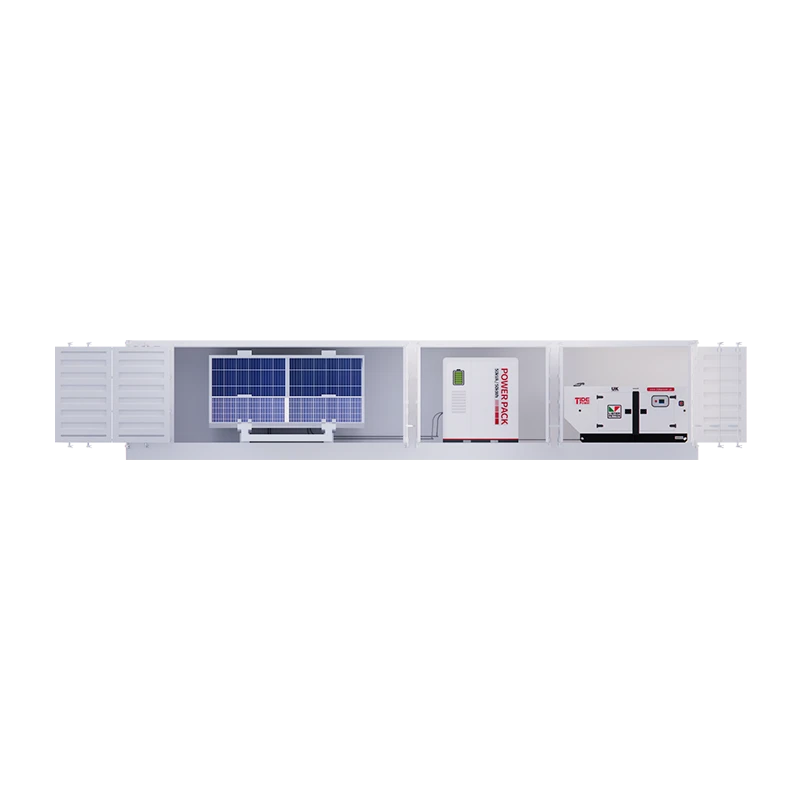
Chaque système d'énergie hybride possède cinq blocs de construction principaux : génération, stockage, conversion, contrôle et secours. Comprendre chaque bloc vous aide à évaluer si un système proposé correspond à vos besoins opérationnels.
| Composant | Rôle | Spécification clé |
|---|---|---|
| Panneau solaire PV (si inclus) | Capture l'énergie solaire ; alimente en courant continu les batteries ou l'onduleur | Puissance du panneau, efficacité, montage |
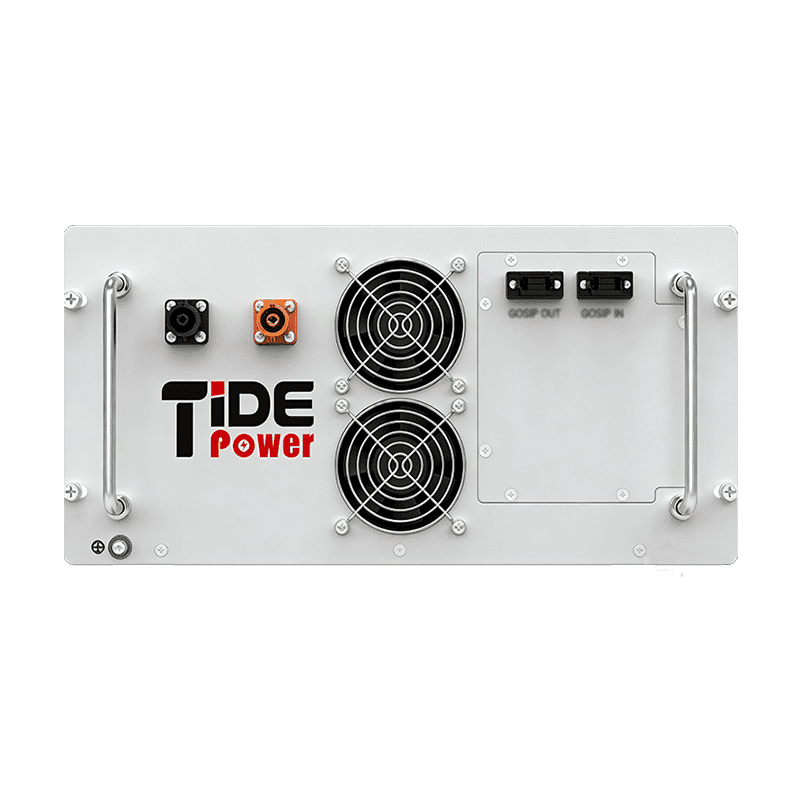
| Système de stockage d'énergie par batteries (BESS) | Stocke l'énergie excédentaire ; fournit de l'énergie lors de faibles ensoleillement ou de demande maximale | Chimie (LFP), capacité (kWh), profondeur de décharge, durée de vie en cycle |
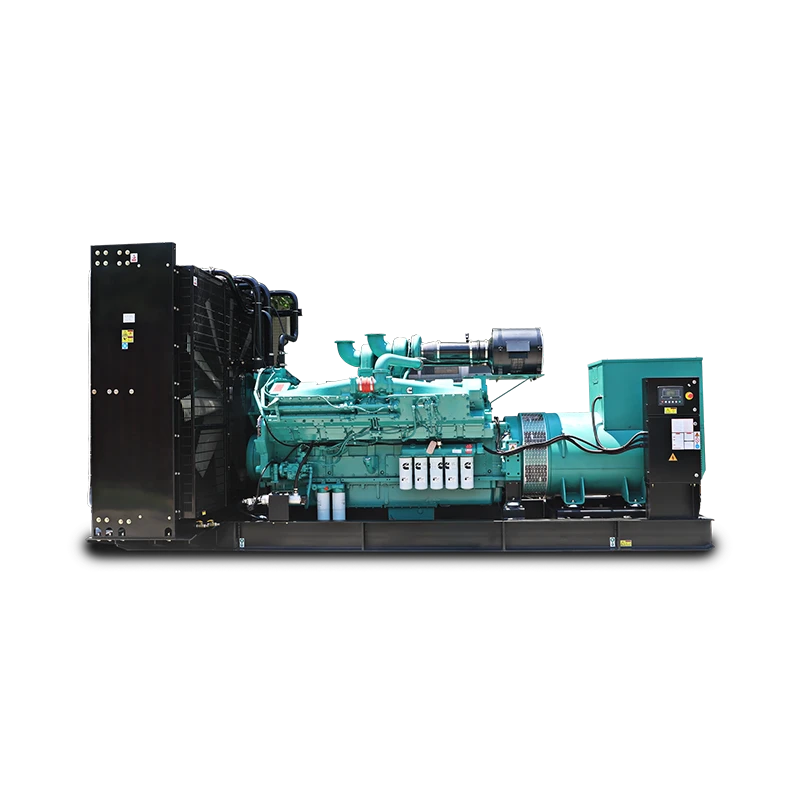
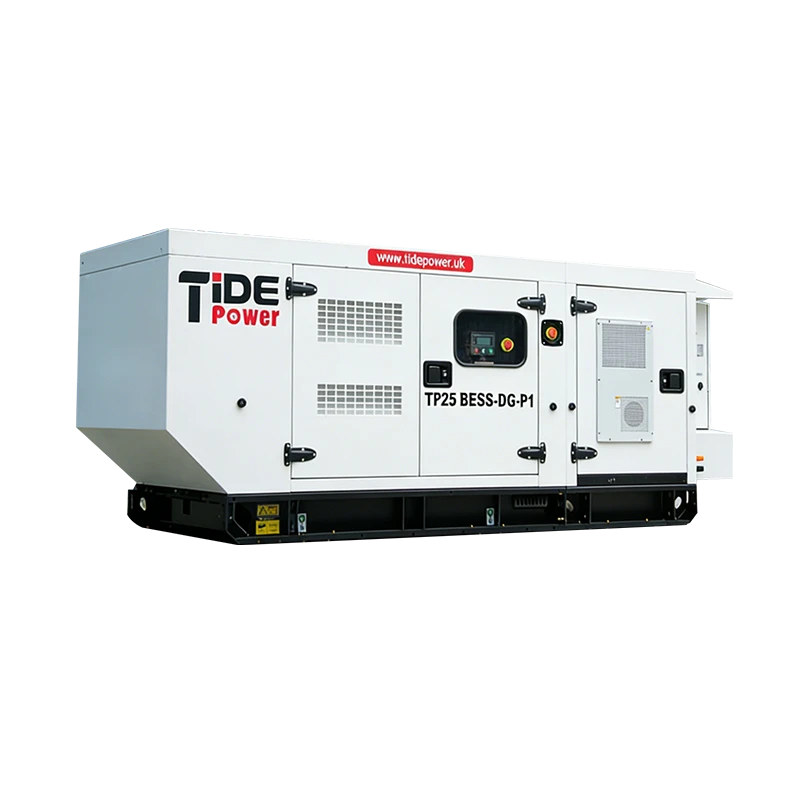
| Groupe électrogène | Fournit une alimentation de secours lorsque le solaire et la batterie sont insuffisants | Type de carburant, puissance de base vs puissance de secours, autonomie |
| Onduleur/chargeur | Convertit le courant continu en courant alternatif, charge les batteries depuis le réseau ou le générateur | Puissance continue, capacité de surcharge, efficacité |
| Système de gestion de l'énergie (SGE) | Surveille et dispatches toutes les sources d'énergie ; permet une commutation transparente | Protocoles de communication, logique de gestion de la charge, accès à distance |
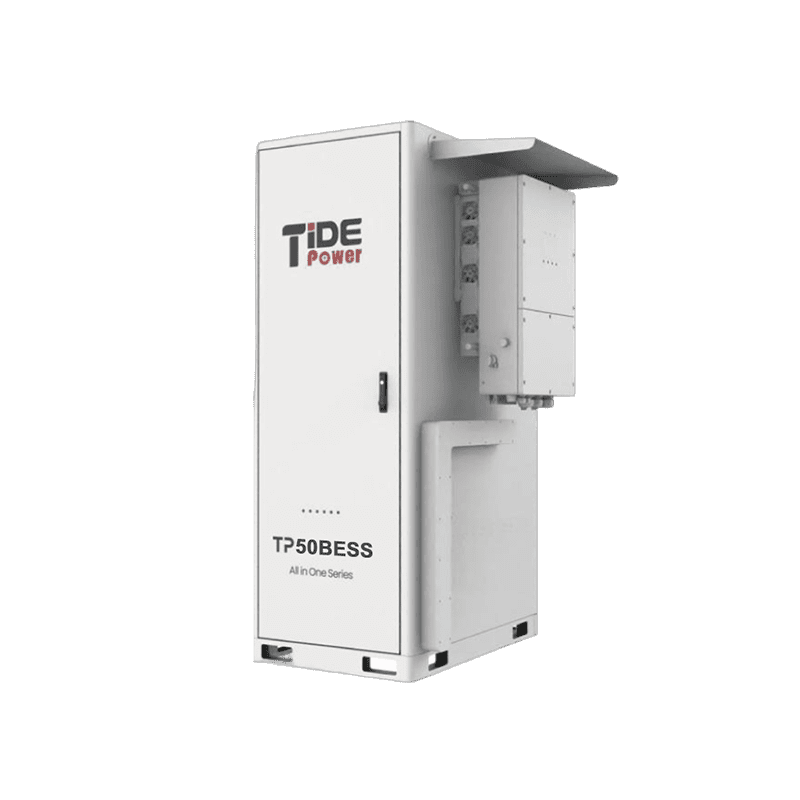
Les systèmes hybrides Tide Power utilisent des packs de batteries au phosphate de fer lithium (LFP) en modules de 5,12 kWh et 16,1 kWh. Ceux-ci s'associent à des groupes électrogènes diesel et des onduleurs intelligents pour former une unité d'énergie hybride complète. La conception modulaire permet d'étendre la capacité à mesure que la demande énergétique augmente.
Comment ces composants fonctionnent-ils ensemble ?
Un système hybride fonctionne comme un réseau d'énergie coordonné, et non comme un ensemble d'appareils indépendants. Pendant la journée, les panneaux solaires chargent les batteries. Lorsque la production solaire diminue ou que la demande augmente, les batteries se déchargent pour support la charge. Si l'état de charge de la batterie tombe en dessous d'un seuil prédéfini, le générateur démarre automatiquement et prend en charge la charge tout en rechargeant les batteries.
L'onduleur/chargeur gère toutes les conversions d'énergie, tandis que le SGE évalue en permanence la meilleure source d'énergie selon les conditions actuelles. Dans les unités hybrides Tide Power, cette commutation se produit en millisecondes, de sorte que les charges connectées ne subissent jamais d'interruption. Ce transfert transparent est crucial pour les sites où une perte de courant même brève pourrait endommager l'équipement ou perturber les processus.
Comment le système de contrôle gère-t-il plusieurs sources d'énergie ?
Le SGE est le cerveau du système, prenant des décisions en temps réel en fonction de la charge, de la disponibilité solaire, de l'état de charge des batteries et des coûts de carburant. Il peut prioriser l'énergie solaire en premier, puis la batterie, et ne faire fonctionner le générateur que si nécessaire, maximisant ainsi les économies de carburant et réduisant le temps de fonctionnement du moteur. Pour les systèmes connectés au réseau, le SGE peut également effectuer une réduction de pointe ou exporter l'excédent d'énergie lorsque la réglementation le permet.
Les opérateurs peuvent surveiller l'ensemble du système à distance via un tableau de bord qui affiche la performance, les défauts et les flux d'énergie. Cette capacité de fonctionnement sans surveillance est une caractéristique essentielle des systèmes hybrides modernes et réduit considérablement la charge opérationnelle pour les sites éloignés.
Si votre projet implique des charges critiques qui ne peuvent tolérer même une interruption momentanée, il est judicieux de contacter un spécialiste en intégration dès le début. Vous pouvez joindre notre équipe à l'adresse [email protected] pour discuter de vos besoins en contrôle et fiabilité.
Quels facteurs déterminent la sélection des composants pour une performance fiable ?
Choisir les bons composants ne consiste pas à sélectionner l'unité ayant la meilleure note sur chaque fiche technique. Il s'agit d'adapter l'ensemble du système à votre profil de charge réel et aux conditions du site. Les facteurs clés incluent :
- La demande de charge maximale et moyenne
- L'irradiance solaire sur le site
- L'altitude et la température (qui influencent la dégradation du générateur et la performance des batteries)
- La période d'autonomie requise (combien de temps le système doit fonctionner sans apport solaire)
- La disponibilité du carburant et la logistique
J'ai vu des projets où un onduleur avec une puissance continue suffisante se déclenchait à plusieurs reprises lors des démarrages de moteurs parce que sa capacité de surcharge était trop faible. Chaque composant testé individuellement fonctionnait parfaitement, mais ensemble ils échouaient sous de vraies charges. La cause principale était un décalage de compatibilité que les fiches techniques standard ne révélaient pas. Une modélisation en phase précoce avec des données de charge réelles aurait permis de prévenir cela.
Pourquoi l'intégration du fournisseur est-elle plus importante que les spécifications individuelles des composants ?
L'approvisionnement en composants auprès de plusieurs fournisseurs peut sembler réduire le coût initial, mais cela transfère la charge d'intégration à l'acheteur ou à l'équipe du site. Différents protocoles de contrôle, types de connecteurs et procédures de mise en service multiplient les points de défaillance. Lorsqu'une panne survient, chaque fournisseur peut en désigner un autre, et le temps de diagnostic s'allonge.
Un système hybride intégré en usine provenant d’un seul fournisseur évite ces problèmes. Les stations d’énergie hybrides de Tide Power arrivent préconfigurées avec stockage de batterie, onduleur, EMS et générateur déjà testés en tant que système complet. La mise en service prend généralement quelques jours au lieu de plusieurs semaines, et les responsabilités de support sont clairement définies.
Envoyez vos spécifications de projet à [email protected] ou appelez le +86 591 2806 8999 pour recevoir une proposition de système correspondant à vos besoins en puissance. Notre équipe examinera votre profil de charge, les conditions du site et vos objectifs opérationnels afin de recommander une configuration qui réduit les risques d'intégration et assure le bon fonctionnement fiable de votre site.
Questions fréquentes sur les composants du système d'énergie hybride
Puis-je utiliser des composants de différents fabricants dans un système hybride ?
Oui, mais l'ingénierie d'intégration devient votre responsabilité. Les protocoles de communication, les plages de tension et les priorités de contrôle doivent être alignés, nécessitant souvent une programmation personnalisée. Un système intégré d'un seul fabricant élimine ce travail et est soutenu par une solution unifiée garantie couverture. Si votre emploi du temps est chargé, ce délai d'intégration peut être un facteur décisif.
Comment puis-je déterminer la capacité de la batterie pour mon système hybride ?
Commencez par un audit détaillé de la charge pour comprendre la consommation d'énergie quotidienne et la demande de pointe. Ensuite, prenez en compte les heures d'autonomie souhaitées et la profondeur de décharge recommandée de la batterie. La surdimensionnement entraîne des coûts inutiles ; le sous-dimensionnement oblige le générateur à fonctionner plus souvent. Nous modélisons généralement plusieurs scénarios en utilisant des données de charge réelles avant de finaliser une recommandation de capacité.
Quel entretien courant les systèmes hybrides nécessitent-ils ?
Les systèmes de batteries nécessitent un entretien de routine minimal, principalement des vérifications périodiques du couple sur les connexions et des mises à jour du firmware. Les groupes électrogènes suivent les intervalles d'entretien standard des moteurs diesel pour l'huile, les filtres à carburant et le liquide de refroidissement. Le Système de Gestion de l'Énergie (SGE) offre un diagnostic à distance, réduisant ainsi la nécessité de visites sur site. Pour un système configuré selon votre mode d'utilisation précis, partagez vos données de charge avec notre équipe et nous confirmerons le plan d'entretien approprié et la taille adaptée.
Si cela vous intéresse, consultez ces articles connexes :
Comment choisir la bonne pompe à eau ? Guide d'achat pour les professionnels
Préparez-vous à découvrir le dernier produit de Tide Power lors de POWERGEN 2025