 EN
EN ZH
ZH FR
FR ES
ES AR
ARHybrid system components determine project reliability more than spec sheets suggest. In my consulting work across energy infrastructure projects, I have seen well-specified hardware fail because integration and control logic were not given the same attention as individual component specs. This article explains what each component does, but more importantly, how they must work together. The difference between a dependable hybrid power system and an operational headache often lies in the details no one talks about.
What Are the Core Components of a Hybrid Power System?
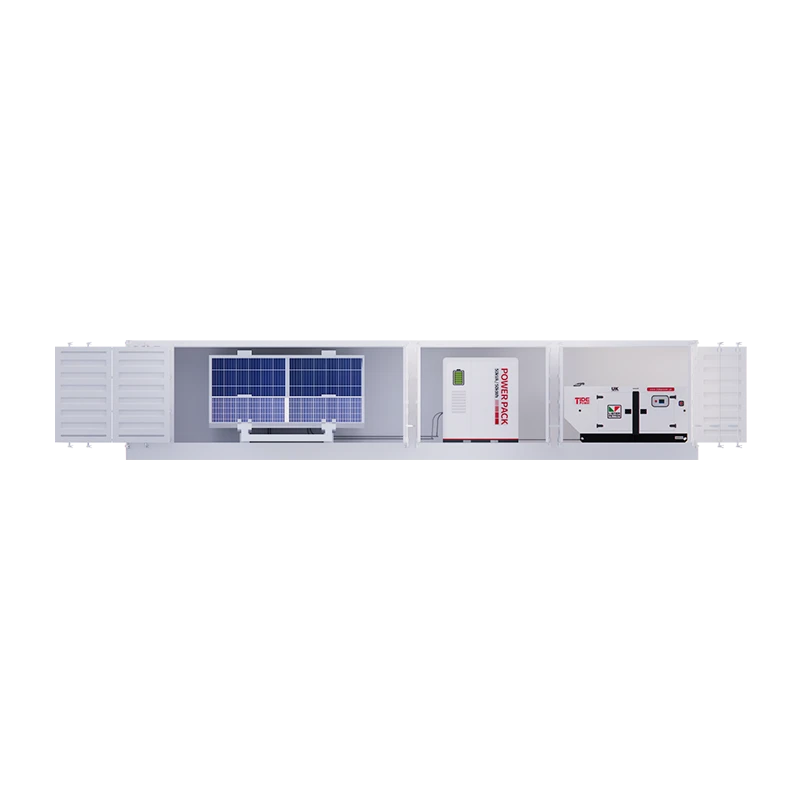
Every hybrid power system has five primary building blocks: generation, storage, conversion, control, and backup. Understanding each block helps you evaluate whether a proposed system matches your operational needs.
| Component | Role | Key Specification |
|---|---|---|
| Solar PV array (if included) | Captures solar energy; feeds DC power to batteries or inverter | Panel wattage, efficiency, mounting |
| Battery energy storage system (BESS) | Stores excess energy; provides power during low solar or peak demand | Chemistry (LFP), capacity (kWh), depth of discharge, cycle life |
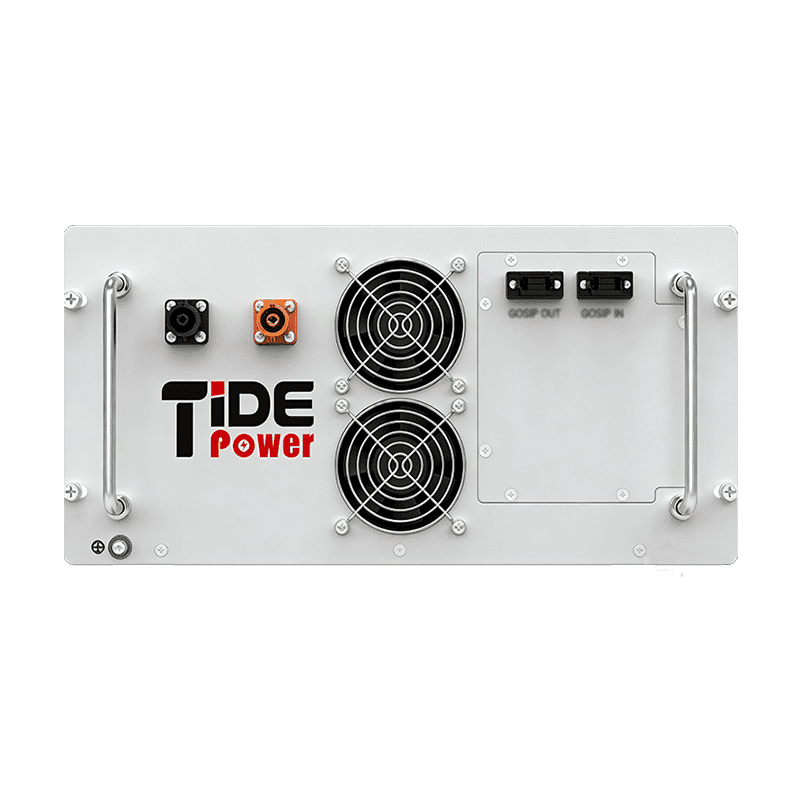
| Generator set | Supplies backup power when solar and battery are insufficient | Fuel type, prime vs standby rating, runtime |
| Inverter/charger | Converts DC to AC, charges batteries from grid/generator | Continuous power rating, surge capacity, efficiency |
| Energy management system (EMS) | Monitors and dispatches all power sources; enables seamless switching | Communication protocols, load management logic, remote access |
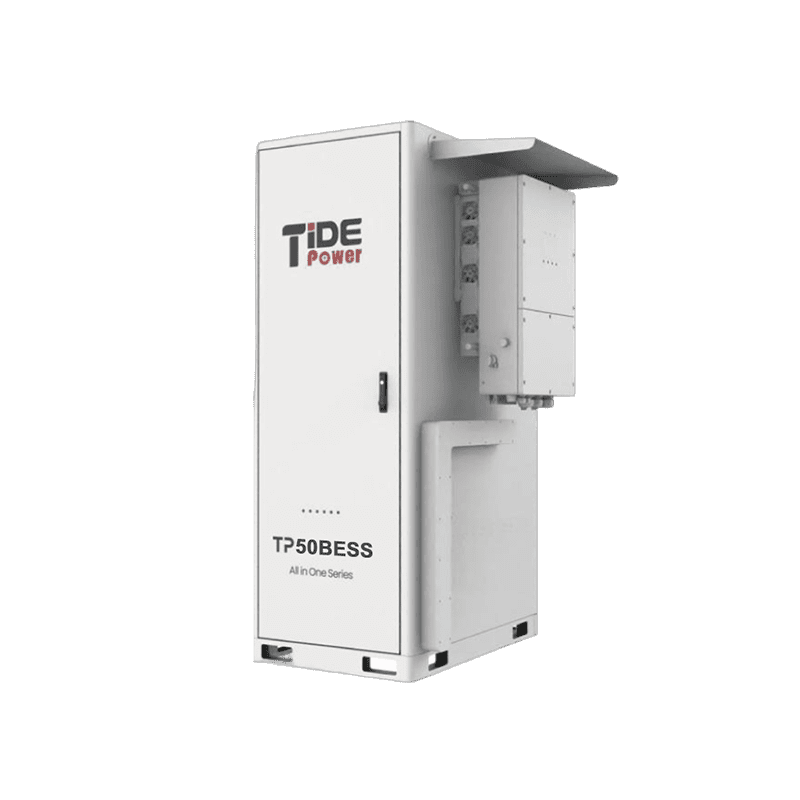
Tide Power hybrid systems use lithium iron phosphate (LFP) battery packs in 5.12 kWh and 16.1 kWh modules. These pair with diesel generator sets and smart inverters to form a complete hybrid power unit. The modular design allows capacity expansion as energy demands grow.
How Do These Components Function Together?
A hybrid system operates as a coordinated energy network, not a collection of independent devices. During daylight hours, solar panels charge the batteries. When solar output drops or demand spikes, the batteries discharge to support the load. If battery state of charge falls below a preset threshold, the generator starts automatically and assumes the load while also recharging the batteries.
The inverter/charger handles all power conversion, while the EMS continuously evaluates the best energy source for the current conditions. In Tide Power’s hybrid units, this switching happens in milliseconds, so connected loads never see an interruption. This seamless transfer is critical for sites where even a brief power loss could damage equipment or disrupt processes.
How Does the Control System Manage Multiple Power Sources?
The EMS is the brain of the system, making real-time decisions based on load, solar availability, battery state of charge, and fuel costs. It can prioritize solar energy first, then battery, and only run the generator when necessary, maximizing fuel savings and reducing engine runtime. For grid-connected systems, the EMS can also perform peak shaving or export surplus power where regulations allow.
Operators can monitor the entire system remotely through a dashboard that shows performance, faults, and energy flows. This unattended operation capability is a core feature of modern hybrid power systems and it greatly lowers operational overhead for remote sites.
If your project involves critical loads that cannot tolerate even a momentary interruption, reaching out to an integration specialist early is worthwhile. You can reach our team at [email protected] to discuss your control and reliability requirements.
What Factors Determine Component Selection for Reliable Performance?
Selecting the right components is not about picking the highest-rated unit on each spec sheet. It is about matching the whole system to your real load profile and site conditions. Key factors include:
- Peak and average load demand
- Solar irradiance at the site
- Altitude and temperature (which affect generator derating and battery performance)
- Required autonomy period (how long the system must run without solar input)
- Fuel availability and logistics
I have seen projects where an inverter with sufficient continuous rating tripped repeatedly during motor starts because its surge capacity was too low. Each component tested fine individually, but together they failed under real loads. The root cause was a compatibility gap that standard data sheets did not reveal. Early-stage modeling with real load data would have prevented that.
Why Does Supplier Integration Matter More Than Individual Component Specs?
Sourcing components from multiple vendors might appear to reduce upfront cost, but it shifts the integration burden onto the buyer or site team. Different control protocols, connector types, and commissioning procedures multiply the points of failure. When a fault occurs, each supplier may point to another, and diagnosis time drags on.
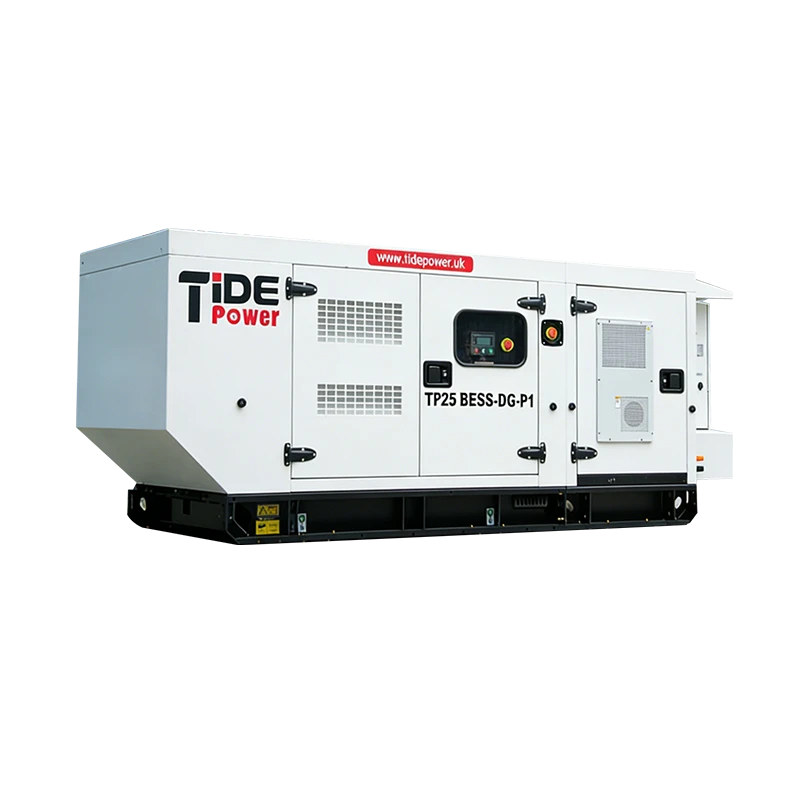
An engineered, factory-integrated hybrid system from a single supplier avoids these problems. Tide Power’s hybrid power stations arrive pre-configured with battery storage, inverter, EMS, and generator already tested as a complete system. Commissioning typically takes days instead of weeks, and support responsibilities are clear.
Send your project specifications to [email protected] or call +86 591 2806 8999 to receive a system proposal that matches your power requirements. Our team will review your load profile, site conditions, and operational goals to recommend a configuration that reduces integration risk and gets your site running reliably.
Common Questions About Hybrid Power System Components
Can I use components from different manufacturers in a hybrid system?
Yes, but integration engineering becomes your responsibility. Communication protocols, voltage windows, and control priorities must be aligned, often requiring custom programming. An integrated system from one OEM eliminates that work and is backed by unified warranty coverage. If your schedule is tight, that integration time can be a decisive factor.
How do I size the battery capacity for my hybrid system?
Start with a detailed load audit to understand daily energy consumption and peak demand. Then factor in desired autonomy hours and the battery’s recommended depth of discharge. Oversizing adds unnecessary cost; undersizing forces the generator to run more often. We typically model several scenarios using real load data before finalizing a capacity recommendation.
What ongoing maintenance do hybrid systems need?
Battery systems require minimal routine maintenance, mainly periodic torque checks on connections and firmware updates. Generator sets follow standard diesel engine service intervals for oil, fuel filters, and coolant. The EMS provides remote diagnostics, reducing the need for site visits. For a system configured to your exact usage pattern, share your load data with our team and we will confirm the right maintenance plan and sizing.
If you’re interested, check out these related articles:
How to Choose the Right Water Pump? A Professional Buyer’s Guide
Get ready to meet Tide Power’s latest product at POWERGEN 2025