 EN
EN ZH
ZH FR
FR ES
ES AR
AROver the past decade working on international energy infrastructure projects, I’ve seen the same pattern repeat: a hybrid system that looks perfect on paper, yet in the field it burns 20–40% more fuel than projected or falls short of autonomy. Hybrid energy system efficiency factors are rarely about a single component’s rating. They emerge from how solar generation, battery storage, and diesel backup interact under real, fluctuating loads. Poor integration, mis‑specified dispatch logic, or load mismatches turn an efficient concept into a costly operational headache. Getting these right from the start makes the difference between a system that delivers dependable, low‑cost power and one that quietly drains your operating budget.
Real-World Efficiency Starts with System Architecture
Component-level efficiency figures—solar module efficiency at STC, inverter peak efficiency, generator fuel consumption at rated load—tell only a partial story. In an integrated hybrid system, losses compound. An inverter that posts 98% peak efficiency may operate at 92% during part‑load conditions when solar input is weak. Batteries lose 5–10% in round‑trip conversion, a number that grows with aging and deep cycling. Diesel generators, most efficient near 70–80% load, burn far more fuel per kWh at the 30–40% loads they often see in poorly tuned hybrids.
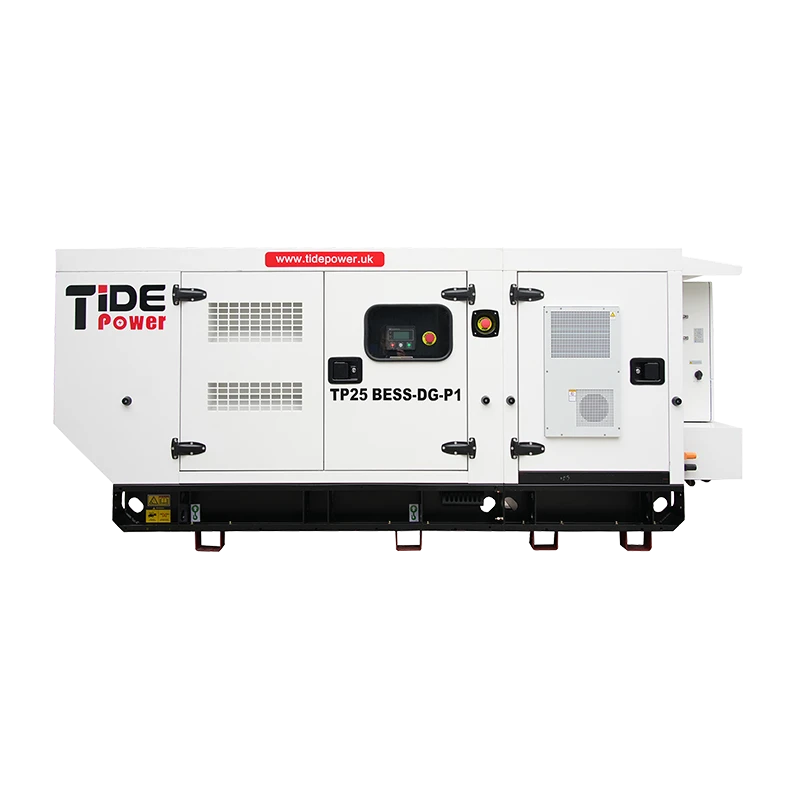
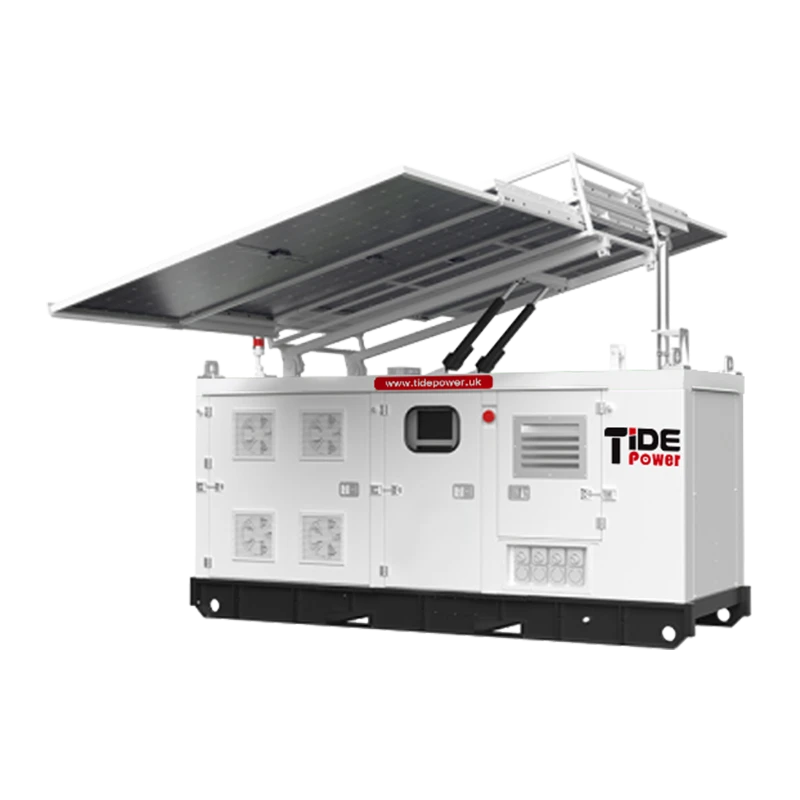
These interactions mean a systems‑level efficiency view is non‑negotiable. Tide Power’s all‑in‑one hybrid stations, such as the TP‑20P, integrate solar, storage, and generator within a single control architecture, reducing conversion stages and keeping the diesel offline as much as possible. The table below contrasts typical component ratings with the field performance I’ve observed across multiple project types.
| Component | Rated Efficiency | Typical Field Efficiency | Key Influencing Factor |
|---|---|---|---|
| PV Array | 20–22% (module) | 18–20% | Temperature, soiling, mismatch |
| Inverter | 97–98% (peak) | 92–95% | Load factor, DC/AC ratio |
| Battery (LFP) | 95% (RTE) | 88–93% | C‑rate, cycle count, ambient temp |
| Diesel Gen | 38–42% (engine) | 30–35% | Load factor, maintenance, altitude |
A system that looks strong on paper underperforms quickly when these dynamics are ignored during specification. The most capable hybrid platforms are those designed as a unified system from the start, not a collection of best‑in‑class parts bolted together.
Control Strategies That Maximize Energy Yield
Control logic is the real efficiency lever in hybrid systems. Intelligent dispatch decides when solar charges batteries, when batteries shoulder the load, and when the diesel generator must start. Poorly tuned thresholds force the generator to cycle on and off for short periods at light loads, consuming fuel far out of proportion to the energy produced.
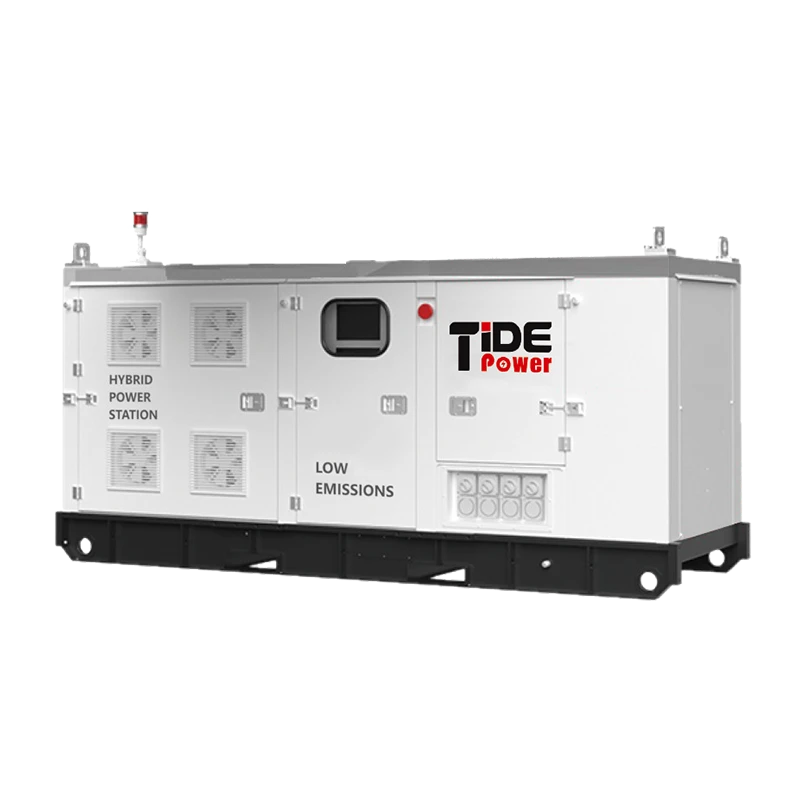
Modern hybrid controllers, including those used in Tide Power’s TP series, apply load forecasting and state‑of‑charge management to minimize generator runtime while respecting battery depth‑of‑discharge limits. Millisecond‑level transfer keeps critical loads uninterrupted during switchovers, but the logic that makes the start‑or‑wait decision well before a grid anomaly is equally critical.
From integration projects I’ve supported, the largest efficiency gains frequently come from recalibrating these setpoints to match actual site load profiles rather than relying on factory defaults. In one telecom site, raising the generator start threshold by 10% state‑of‑charge extended battery‑only operation by two hours and cut diesel consumption by 15%—without any hardware change.
If your system shows frequent generator starts at low load or batteries that rarely reach full charge, the dispatch logic likely needs attention, not more capacity. Share your operational logs at [email protected]—a control parameter review can often unlock a clear efficiency improvement.
Sizing and Load Matching to Prevent Efficiency Losses
Even the best control system cannot compensate for mismatched sizing. A battery bank that is too small hands the diesel generator extended runs at partial load, precisely where fuel efficiency collapses. Oversized batteries raise capital cost and expand round‑trip energy losses without delivering a proportional improvement in runtime.
The solution is aligning storage capacity, solar array size, and generator rating to the measured 24‑hour load curve. I’ve visited mine sites where the system was sized for peak demand while average load hovered around 35% of that peak. The generator ran eight hours a day at 30–40% load, consuming roughly 40% more fuel than a properly sized set with a slightly larger battery bank would have required. At a village microgrid with an oversized battery, conversion losses erased half the gain in diesel offset because the battery sat near full charge and wasted energy circulating between charge and discharge.
Sound sizing begins with measured load data, not estimates. A thorough load audit that captures diurnal and seasonal patterns, combined with a modest investment in additional battery reserve to reduce generator start frequency, typically produces a system that pays back faster and operates more reliably.
Specification and Procurement for Long-Term Efficiency
Translating efficiency analysis into a reliable operating asset depends on what you demand before the order is placed. Three areas deserve specific attention.
Control system transparency. The integrator should explain how the dispatch algorithm works, provide documentation of tunable parameters, and include remote monitoring as part of the package. If the control logic is a black box, you lose the ability to optimize it yourself.
Load analysis capability. A supplier that cannot produce a detailed load‑duration curve from your site data—or at minimum explain how they sized the system—is guessing. Insist on a written sizing rationale covering worst‑case and average scenarios.
Factory testing and commissioning. A factory acceptance test that replays your site’s load profile, including generator start/stop events and battery cycling, catches integration issues no spec sheet reveals.
Getting hybrid system efficiency right is not about achieving perfection on day one. It is about specifying a system that can be tuned, monitored, and adapted over time. For a detailed evaluation matched to your load profile and operating environment, share your requirements and project timeline with our team at [email protected] or call +86 591 2806 8999. We will help you configure a system that meets your efficiency and reliability targets.
Common Questions About Hybrid System Efficiency
What is the most overlooked factor that reduces hybrid system efficiency?
Control logic settings that are never adjusted after commissioning. Most controllers ship with conservative defaults that prioritize reliability over fuel savings. A site‑specific recalibration of battery depth‑of‑discharge limits, generator start thresholds, and charging profiles can deliver a 10–20% efficiency gain with no new hardware.
How much fuel can a well-designed hybrid system save over a diesel-only setup?
Savings of 30–60% are realistic when solar resource is decent and the load profile allows extended battery operation. The range depends heavily on solar exposure, load factor, and whether the control system is tuned to minimize part‑load generator running. In extreme cases with constant high load and poor sun, savings contract to 10–20%, still a meaningful reduction.
Is it better to oversize the solar array or the battery bank for efficiency?
Neither approach works well in isolation. Oversizing solar without enough storage leads to curtailment when the battery fills quickly; oversizing the battery increases cost and round‑trip losses without proportionally improving diesel offset. The strongest efficiency results come from sizing both components around a detailed 24‑hour load profile and the specific solar resource at the site.
How often should dispatch parameters be reviewed?
At least once a year, or whenever the site’s load pattern changes—for example, after new equipment is installed, operating hours shift, or seasonal load swings become apparent. A remote audit of control logs can reveal whether the system is drifting toward inefficient generator cycling, and a parameter adjustment costs nothing compared to the fuel it can save. If your system has not been audited in over 12 months, it is worth scheduling a performance review: share your operational data at [email protected], and we will help confirm your settings remain optimal.
If you’re interested, check out these related articles:
Advocating for Stronger Electricity Grids to Meet Rising AI Demands
Animal Breeding Project in Vietnam
The Power Within: Unveiling the Advanced Industrial Generators from Tide Power