 EN
EN ZH
ZH FR
FR ES
ES AR
ARLight tower price comparison in 2026 must go beyond initial purchase figures to include the operational and deployment costs that define a machine’s true lifetime value. After years of advising energy infrastructure projects across construction, mining, and emergency response sites, I have seen how mast mechanism choice and power source alignment often outweigh a low sticker price within the first year of use. This article breaks down the cost factors that procurement teams and site managers need to evaluate to secure the most reliable and cost-effective lighting solution for their specific environments.
What Drives the Price of a Light Tower
Every light tower’s price tag is built from a handful of key components: the mast lifting system, the light head technology, and the energy source. Manual mast towers with metal halide lamps and compact diesel engines anchor the lower end of the price spectrum, while hydraulic masts paired with high‑output LED arrays and hybrid solar‑diesel systems sit at the premium tier. Additional cost drivers include mast height, runtime between refueling, trailer mobility, and enclosure weatherproofing. Understanding these variables lets buyers match price to real site demands rather than defaulting to the cheapest option.
Diesel vs Solar Light Towers: Real‑World Cost Comparison
The upfront cost difference between diesel and solar light towers is only the starting point. Diesel towers typically consume 0.5 to 1.5 liters of fuel per hour; a site running illumination for 2,000 hours annually can spend thousands of dollars on fuel alone, plus regular engine service and filter changes. Many diesel light towers rely on proven engine blocks from global brands such as Perkins, ensuring parts availability and service familiarity. 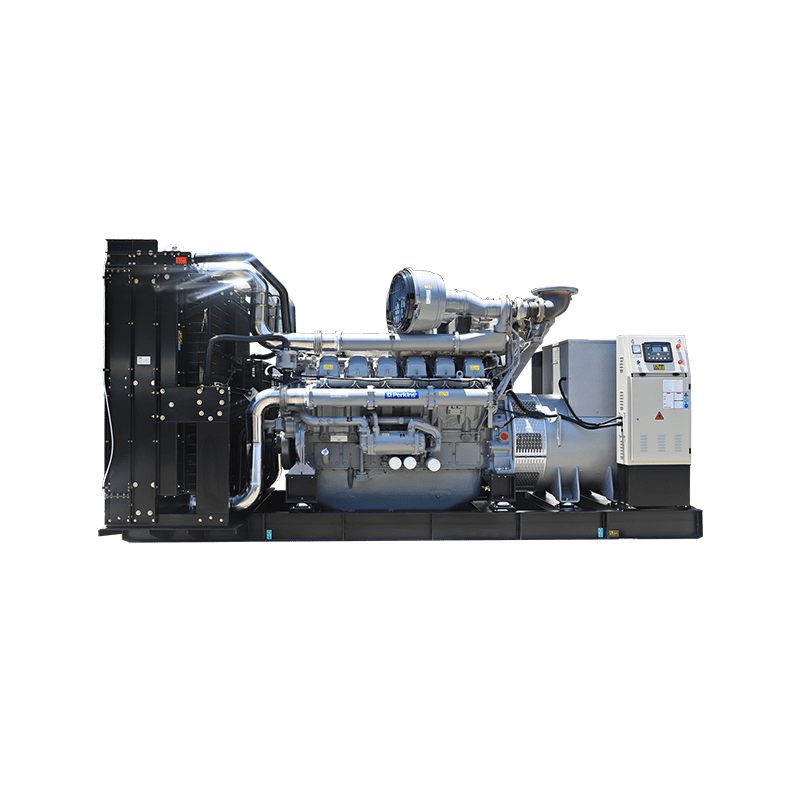
Solar light towers eliminate fuel costs entirely and cut maintenance significantly, but they require a larger initial capital outlay for photovoltaic panels and battery storage. In regions with consistent sunlight, a solar tower can pay back its premium within two to three years. However, for high‑latitude or weather‑dependent sites, a diesel unit or a hybrid configuration becomes the more dependable choice. Our team at Tide Power has supported projects where a combination of solar for base illumination and a diesel backup for cloudy stretches offered the best balance of reliability and fuel savings. 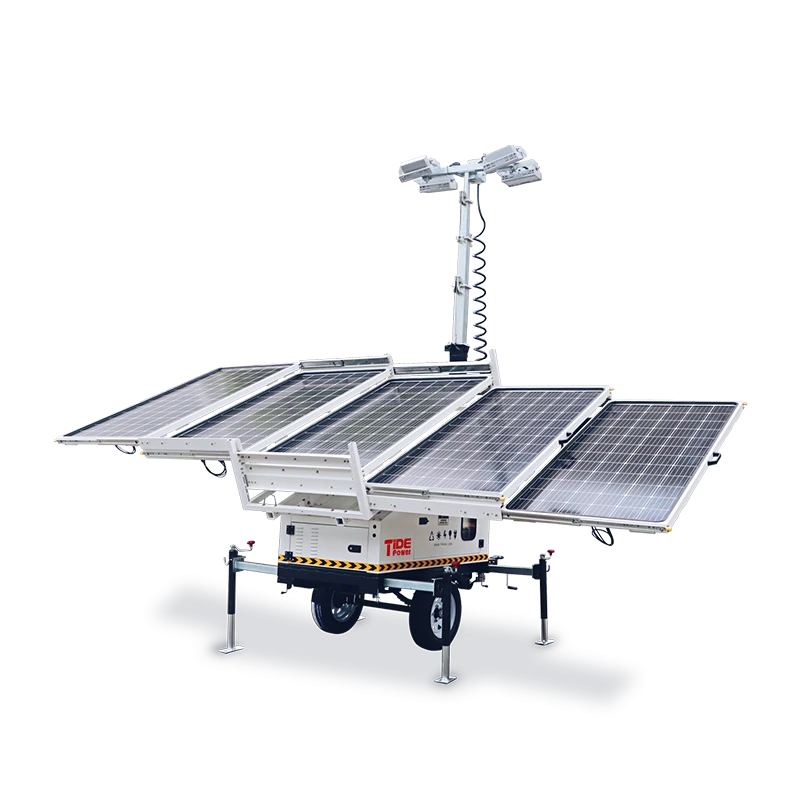
Mast Mechanisms: Manual, Hydraulic, and Horizontal — How Deployment Affects Total Cost
The mast type directly influences how quickly a tower can be made operational and how much labor it demands. Manual masts are the most economical to purchase, but requiring crew members to hand‑crank the mast up and down for each relocation quickly accumulates labor hours. I have witnessed multi‑site rental operations where the extra cost of hydraulic masts was recovered in under three months simply through reduced setup time and worker fatigue. Hydraulic masts use the engine or an electric pump to raise the light array in seconds, enabling rapid redeployment across large or frequently changing job sites. Horizontal mast designs keep the tower low when not illuminated, ideal for areas with overhead obstructions like airport aprons or under‑bridge work. 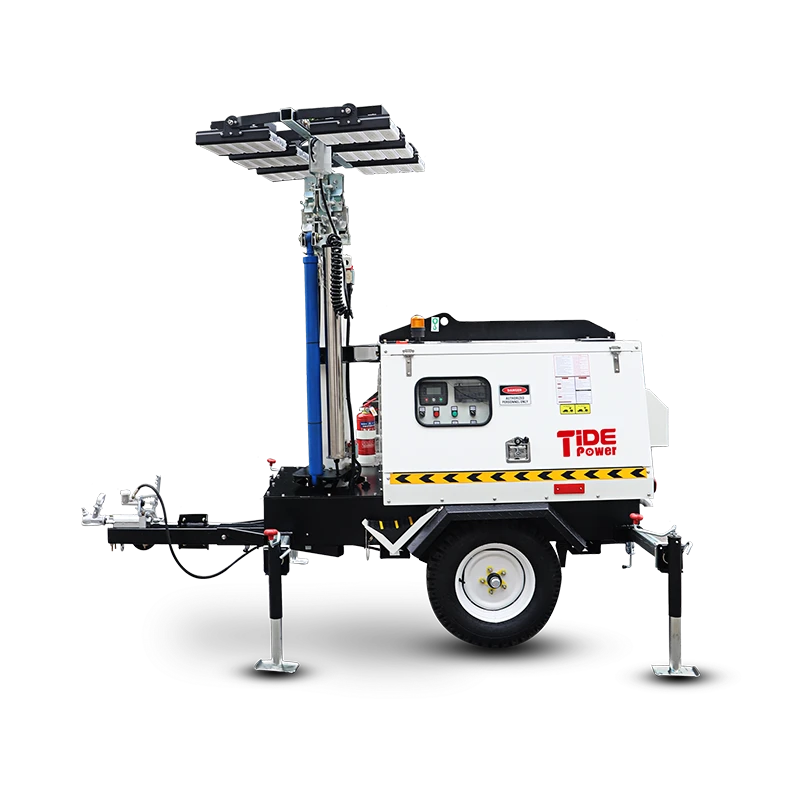
If your project involves frequent relocation and tight cycle times, it is worth confirming deployment labor costs and mast cycle rates before finalizing your equipment list — our team at [email protected] can walk through site‑specific projections with you.
How to Choose the Right Light Tower for Your Jobsite
The following table matches light tower configurations to typical operational needs:
| Tower Type | Mast | Light Source | Power | Best Application |
|---|---|---|---|---|
| Manual Mast Diesel | Manual crank | Metal Halide or LED | Diesel engine | Occasional use, single site, limited budget |
| Hydraulic Mast Diesel | Hydraulic | LED array | Diesel engine | Frequent redeployment, large construction or mining |
| Horizontal Mast | Horizontal lift | LED | Diesel | Low‑clearance zones, under‑bridge, airport |
| Solar Tower | Manual or hydraulic | LED | Solar panels + battery | Long‑duration projects in sunny regions, emission‑sensitive sites |
| Solar Hydraulic | Hydraulic | LED | Solar + battery | High‑cycle, green‑credential jobs |
Beyond matching type to site, consider local fuel availability, noise restrictions, and after‑hours service access. A solar tower, for instance, may be preferable near residential areas or in jurisdictions with strict emissions rules. Always verify the tower’s rated illumination area (measured in square meters at a given lux level) against your work zone size to avoid under‑lighting.
Where to Get a Reliable Price Quote: Supplier Considerations
Requesting a light tower price quote should involve more than a part number. Confirm that the supplier’s equipment meets the safety and quality standards required for your region — CE and ISO compliance are baseline expectations for international projects. Ask about customization options (mast height, trailer configuration, lighting coverage), lead times, and global or local after‑sales support. At Tide Power, our lighting tower range spans manual, hydraulic, horizontal, and solar models, all built to CE and ISO standards with a worldwide service network. For a detailed quote tailored to your site conditions, contact us at [email protected] or call +86 591 2806 8999.
Common Questions About Light Tower Pricing and Selection
What is the approximate cost of a light tower?
While a basic manual mast diesel light tower can start below $8,000 and a hydraulic solar unit may reach $25,000 or more, the true cost picture must include fuel, maintenance, and labor over the unit’s lifetime. Focusing on purchase price alone misses the five‑year operational cost, which often doubles the initial outlay for diesel units. For an accurate comparison, request a total‑cost breakdown from your supplier that reflects typical deployment cycles and local energy expenses.
How do I know if a solar tower can replace a diesel unit?
Solar towers work best on stationary sites with reliable sunlight and where emission reduction is a priority. If your project operates only during daylight hours or you can charge during the day for evening use in moderate climates, solar can fully replace diesel. For 24/7 operations or in cloudy, high‑latitude regions, a hybrid approach or a diesel unit with a backup solar array is often more practical. Our engineers at Tide Power assess your site’s solar resource and illumination schedule to recommend the right configuration.
What lighting coverage do I need for my worksite?
Required coverage depends on the task and safety regulations. General construction typically needs 20 lux across the work area, while detailed tasks may require 50 lux or more. A single tower is often rated to cover 1,000 to 2,000 square meters at 20 lux, but always confirm the manufacturer’s photometric data for your specific mast height and lamp configuration. Underestimating coverage leads to additional tower rentals and higher costs down the line.
What is the typical maintenance interval for a light tower?
Diesel light towers require engine oil and filter changes every 250 to 500 hours of operation, along with periodic fuel system checks. Solar light towers have far fewer moving parts, but battery health should be inspected annually and photovoltaic panels cleaned regularly to maintain efficiency. Regardless of type, mast cables and hydraulics need bi‑annual inspection to ensure safe operation. Budgeting for these intervals at the acquisition stage prevents costly downtime later.
How does Tide Power support international light tower deployments?
Our lighting towers are manufactured to CE and ISO standards, simplifying customs clearance and site compliance across many regions. We offer global logistics coordination, on‑the‑ground commissioning assistance, and a responsive after‑sales supply chain for parts and service. For a custom proposal that includes delivery, commissioning, and warranty terms, share your project requirements at [email protected] and we will confirm the specifications that match your site conditions.
If you’re interested, check out these related articles:
Tide Power Shines at Expo Eléctrica International 2025 in Mexico City
Successful Synchronization of 7 Gas Gensets in Africa
Power the Future with Tide Power at Electric & Power Indonesia 2025!