
 EN
 ZH
 FR
 ES
 AR
A diesel genset price comparison by power rating only becomes useful once the rating basis, the duty and the delivered scope are matched. Two quotations that both read 250 kVA can describe different machines, one rated for continuous prime duty and another for limited standby hours, with different alternators, controllers, canopies and delivery terms. The figure that decides the purchase is the price per kVA at a defined rating basis, plus everything the quotation leaves out. This comparison sets out how cost changes across rating bands, why two quotes at the same rating diverge, and which fields to line up before asking for a price.
What a diesel genset price comparison really compares
A matched-basis comparison holds three things constant. The first is the rating basis: prime or standby, declared at a stated ambient temperature and altitude. The second is the delivered scope: a bare set, or a set with freight, offloading, installation, commissioning, spares and warranty. The third is the site condition that changes the required machine, such as a boundary noise limit or a long cable run to the switchgear. Move any one of the three and the price changes for reasons unrelated to the supplier’s margin.
The portable figure is price per kVA, taken from the quotation itself: divide the quoted price by the kVA at the rating basis that quotation states. That single step exposes much of the gap between offers, because a set quoted at a standby rating carries a higher output number than the same machine quoted at prime duty. Where one supplier quotes in kW and another in kVA, convert first. kW equals kVA multiplied by the power factor declared for that set, so a kW figure and a kVA figure cannot be compared until both sit on the same base.
Everything outside the set explains most of the remaining difference. Published prices commonly exclude freight, offloading, a foundation or plinth, exhaust and ducting, cabling, switchgear, fuel, commissioning and operator instruction. Two offers that differ by a modest percentage on the set itself can reverse once those items are added, and the reversal becomes more likely at ratings where transport weight and crane time climb.
How the rating band sets the cost structure
Every generating set carries content that does not scale with output: a controller, a test run, documentation, a canopy frame, terminal arrangements and shipping paperwork. It also carries content that scales directly: engine displacement, alternator frame, radiator and fan, fuel tank volume and steel specification. At low ratings the fixed content dominates, which is why a small set costs a large fraction of a mid-size one. As the rating rises inside a single platform, the same controller and the same canopy family spread across more kW, and the price per kVA falls.
The band boundaries in the table below follow the catalogue ceilings of the silent ranges rather than round marketing figures. A ceiling is where a series needs a different engine frame, alternator or enclosure, and that step is the event that changes the cost per kVA.
| Rating band | Typical duty | Supplied options in this band | What moves the price inside the band |
|---|---|---|---|
| 5 to 100 kVA | Small commercial backup, telecom sites, workshops, residential standby | P Series from 8 kVA on DCEC, Lister Petter or Perkins engines | Canopy acoustic level, controller functions, single or three phase output, fuel autonomy, documentation for the destination market |
| 100 to 340 kVA | Retail sites, clinics, small industrial lines, server rooms | P Series to 340 kVA; Hemera from 5 kVA on DCEC, Perkins or SME engines; Econic from 16 kVA | Alternator make and excitation, canopy rating, whether the automatic transfer switch is included, emissions configuration |
| 340 to 650 kVA | Industrial plants, hospitals, mid-size data halls | Hemera to 650 kVA; Fenova from 5 kVA with multi-brand engine selection; I Series CKD to 650 kVA | Engine brand and model, paralleling capability, tank size, freight volume and weight |
| 650 to 900 kVA | Large facilities, plant standby, district support | Fenova to 900 kVA; Fenova Plus to 900 kVA on Lister Petter engines | Cooling package, exhaust treatment, control redundancy, enclosure transport split |
| 900 to 1650 kVA | Heavy industry, mining support, utility backup | Econic to 1650 kVA on Cummins, Perkins, DEUTZ, Baudouin or Tide Power engines | Frame size, transport weight, foundation design, switchgear, commissioning scope |
Read the table in two directions. Across bands, the platform step at each ceiling is what changes the cost per kVA. Inside a band, the choices that matter are alternator, controller, canopy and scope, and those choices often account for more of the gap between two offers than the rating does.
Prime or standby duty changes the price of the same set
One engine can carry more than one rating at different outputs. A standby rating assumes limited annual hours and no sustained overload, while a prime rating assumes continuous operation under a variable load. The output difference between the two labels is not a labelling detail; it is headroom the machine is allowed to use in one duty and denied in the other.
That has a direct price consequence. A buyer who needs continuous power and compares against a standby-rated quotation is pricing a machine that would run beyond its declared duty, and the honest alternative is usually the next frame size in the same series. The standby quote looks cheaper because it describes a lighter duty machine, not because the supplier is more efficient.
Ask each supplier to quote the same duty and to state the derating applied. Ambient temperature, altitude and the shape of the load profile all reduce the output available from a given set, and a quotation prepared without them is sized for a different site. A comparison is only level when every offer states the rating basis, the ambient and altitude assumed, and the load profile it was sized against.
Why price per kVA falls then rises as ratings grow
Inside one platform, the fixed content spreads as output rises, and the canopy behaves like a fixed cost as well. Enclosure cost tracks surface area, door count and steel specification more than it tracks kW, so a larger set in the same canopy family usually carries a lower price per kW than the smallest member of that family.
The fall reverses when the platform steps up. A larger engine frame, a heavier alternator, a bigger radiator, a split canopy for transport, a larger fuel tank and heavier lifting points all arrive together, and the installed price climbs faster than the set price. Above a certain size the project rather than the machine dominates the budget: foundation design, exhaust routing, cable and breaker sizing, switchgear, crane time and commissioning labour.
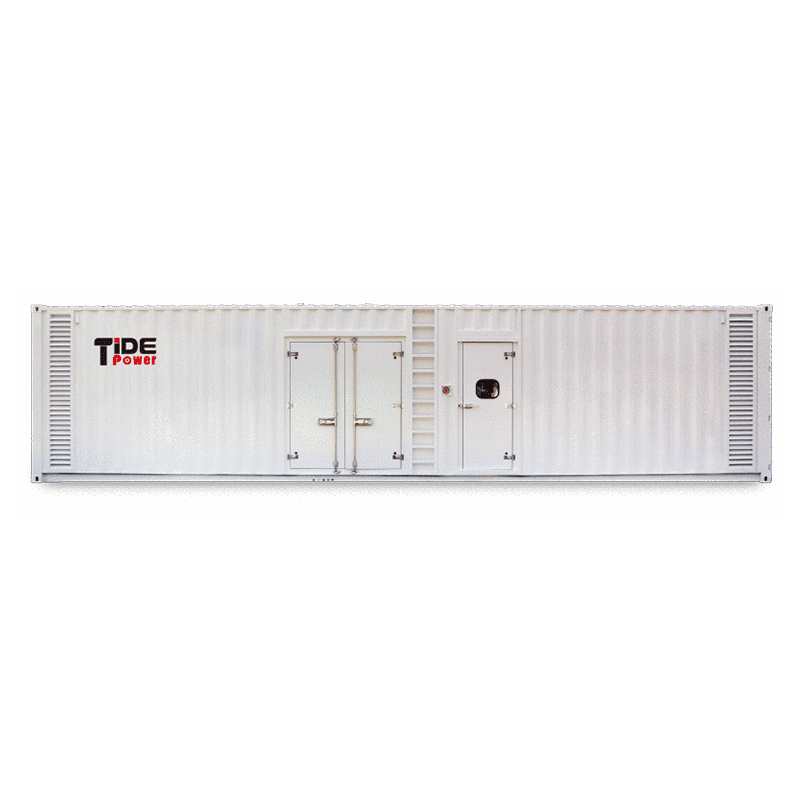
There is also a choice that a pure price-per-kVA ranking hides. Two smaller sets can beat one large set on installed cost and on continuity, because a single failure leaves half the load supplied, and each unit is easier to transport and to replace. The trade is more maintenance events, more floor area and more control logic for load sharing. Where space permits and continuity matters, the two-unit option deserves a line in the comparison rather than an afterthought.
Where two quotes at the same rating differ
The engine is the first divergence. Two suppliers can both offer a 250 kVA set with different engine models, different aspiration and different emissions configurations for the destination market. A build intended for a market with a stricter emission limit carries after-treatment and a higher price, and that difference is legitimate. What is not comparable is an unrestricted engine build priced against a compliant one.
The alternator and controller form the second divergence. Alternator make, excitation type and insulation class change cost and change fault behaviour. The controller decides whether the set starts automatically on mains failure, exercises itself on a schedule, reports to a remote dashboard, or runs in parallel with another set. A quotation with a basic controller and no automatic transfer switch is not a cheaper version of the same offer; it is a different scope.
The canopy and fuel system carry the third divergence, and buyers often miss it. A 2 mm steel canopy with front ventilation, large access doors, an external fuel filling point and a rain cover over the exhaust costs more than a thin enclosure with a side door, and it changes how the set behaves on a hot afternoon and how quickly a technician can reach the filters. Fuel autonomy works the same way: a set with a large tank, an external filling point and forklift pockets for handling is a different product from one with a small base tank.
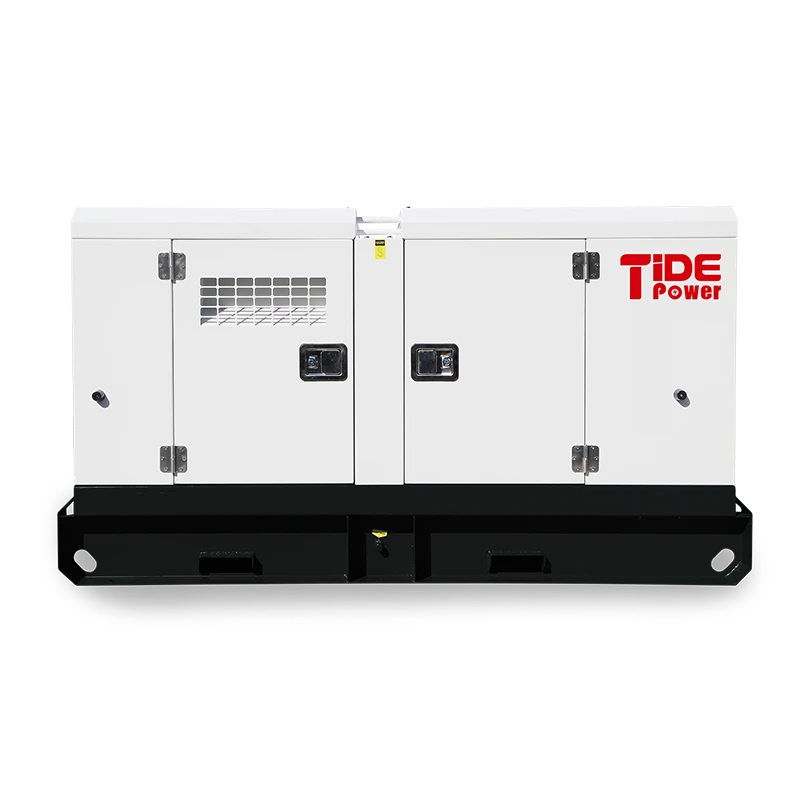
A fourth option sits outside the like-for-like frame. A completely knocked down kit, such as the I Series from 5 to 650 kVA, ships with engine, alternator and accessories selected per project and assembled locally. Freight volume falls and configuration stays flexible, but assembly labour, quality control and local responsibility move to the buyer or the assembler. Comparing a kit price with a factory-tested complete set price answers a different question, and the kit only wins where local assembly is genuinely cheaper and properly controlled.
| Quote field | What to request | What a lower quote often leaves out |
|---|---|---|
| Rating basis and site data | Prime or standby at a stated ambient and altitude, with the load profile and largest step load | A standby rating with no ambient or altitude statement |
| Engine and emissions | Engine model, aspiration, emissions configuration for the destination market | An unrestricted build or an unstated emissions tier |
| Alternator and control | Alternator make and excitation, controller model, transfer switch, remote monitoring, paralleling | A basic controller, no transfer switch, no remote access |
| Acoustic package and enclosure | Declared sound level at a stated distance, canopy steel, doors, ventilation | A thinner canopy, fewer access points, higher noise |
| Fuel system | Tank volume, running hours at a stated load, fill point, bunding | A small base tank and no bund |
| Delivery and scope | Freight, offloading, foundation, exhaust, cabling, commissioning, spares, warranty | An ex-works price with everything else left to the buyer |
A common specification habit makes the comparison harder than it needs to be.
Reject this request: “Best price for a 250 kVA silent genset.”
Replace it with: “250 kVA prime rating at the site ambient and altitude, engine model and emissions configuration, alternator make, controller with automatic transfer and remote monitoring, declared sound level at a stated distance, fuel autonomy in hours at a stated load, freight to site, offloading, commissioning and warranty terms.”
The replacement takes one sentence longer to write and removes most of the reasons two quotes cannot be lined up.
Site conditions and installation scope that reprice a quote
A boundary noise limit is the condition buyers most often underestimate. Meeting a tighter limit usually means a heavier acoustic canopy, a larger radiator to recover the cooling lost behind the attenuation, and sometimes a remotely mounted exhaust. Each of those items is priced, and none of them appears in a generic price list.
Site data changes the machine as well. Ambient temperature, altitude, dust and humidity reduce the output available from a given set, and a quotation prepared without them is sized for a different site. The correction is not a discount or a surcharge on the same product; it is a different rating point, frequently a different frame.
Installation scope carries the largest hidden spread. Foundation or plinth, exhaust routing through a wall, cable length to the switchgear, breaker and protection settings, fuel storage with bunding, ventilation openings and lifting access all sit outside the set price and inside the project budget. A supplier who quotes the set alone and a supplier who quotes a commissioned installation are not offering the same product at different margins.
Cold climates add a further set of requirements around fuel, batteries, coolant and load acceptance.
Cold weather changes fuel behaviour, battery capacity and the warm-up routine, and each item has to be planned rather than discovered on the first winter start. <Precautions for using winter generator sets> covers the winter operating precautions that belong in the service plan and the quotation.
Comparing lifetime cost instead of the purchase price
Fuel is the largest running cost and the least comparable figure on a datasheet. Ask for the declared consumption at a stated load with the test basis attached, then apply your own load profile rather than the supplier’s. A set that costs less to buy and burns more fuel over a decade is not the cheaper machine, and that arithmetic only becomes visible when both figures sit in the same table.
Maintenance follows the same logic. Service intervals, consumables, valve and injector work, and the expected major overhaul point differ between engine families and between duty cycles. Downtime belongs in the same calculation: a set that needs a crane and two days for a repair costs more than its invoice suggests if the load cannot be interrupted.
Storage changes the comparison where the load profile is peaky. A battery system can carry short peaks and let the genset run at a steadier, more efficient point, or stay off during low-load hours entirely. Tide Power builds hybrid units from 10 to 250 kVA with an integrated controller for that duty, and the value depends on the shape of the load rather than on the size of the building.
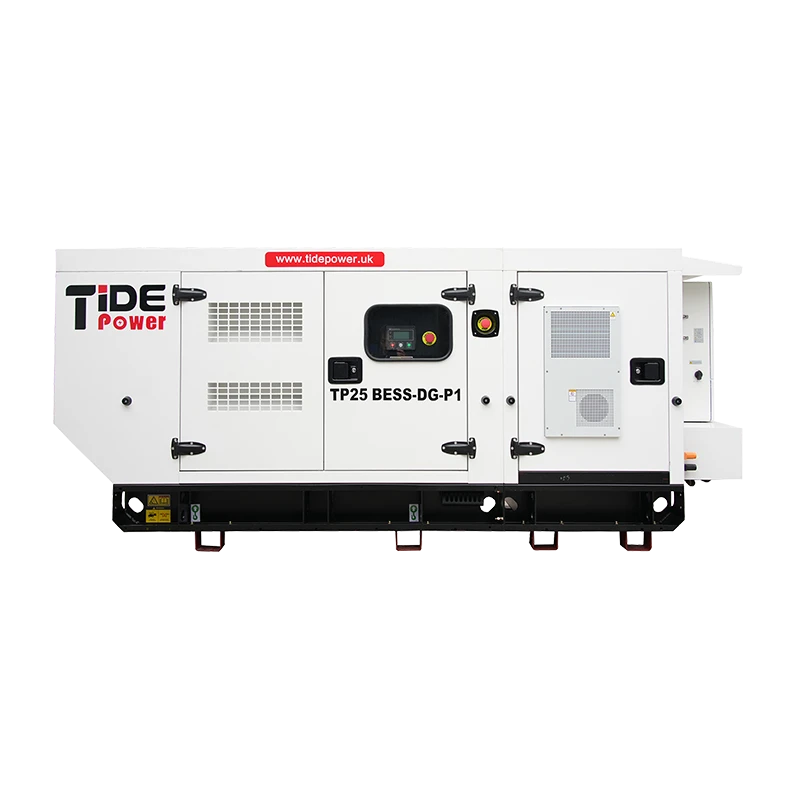
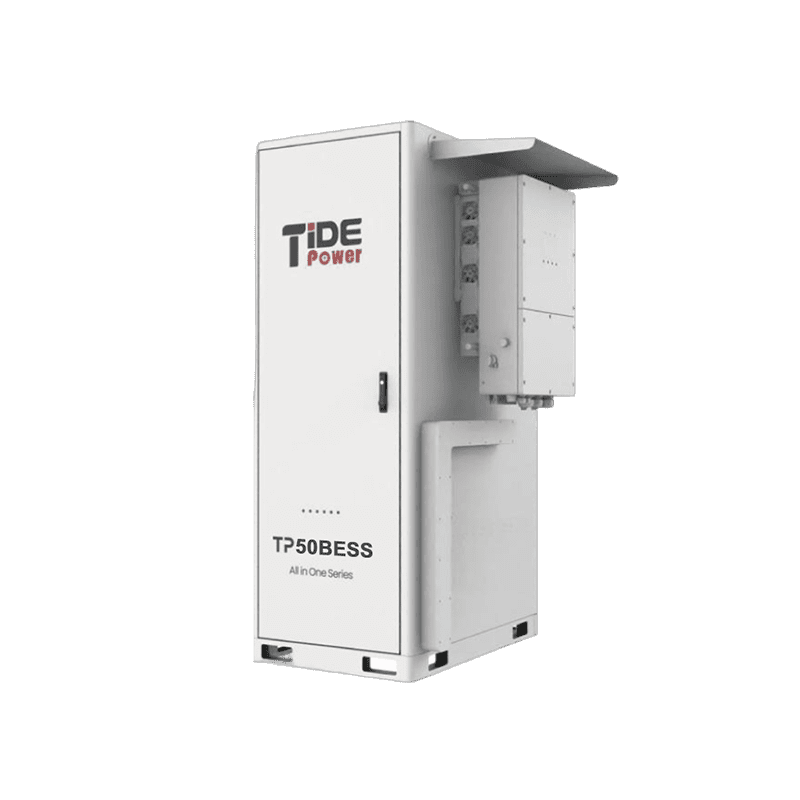
Where storage is part of the design, the battery block becomes a line in the comparison. The TP-50BESS and the larger blocks in the same family, TP-100BESS, TP-200BESS and TP-261BESS, set the storage capacity and the switching behaviour, and they are priced against the fuel and maintenance they displace rather than against the genset.
Modular packs give the same arithmetic a smaller unit of scale. The 5.12 kWh LFP pack and the 16.1 kWh LFP module allow capacity to be added in steps as the load grows, which lowers the initial spend but adds integration work at each step. Neither approach wins everywhere: a steady base load with few peaks usually runs cheaper on a well-sized genset alone, and storage earns its place when peaks are short, frequent and expensive.
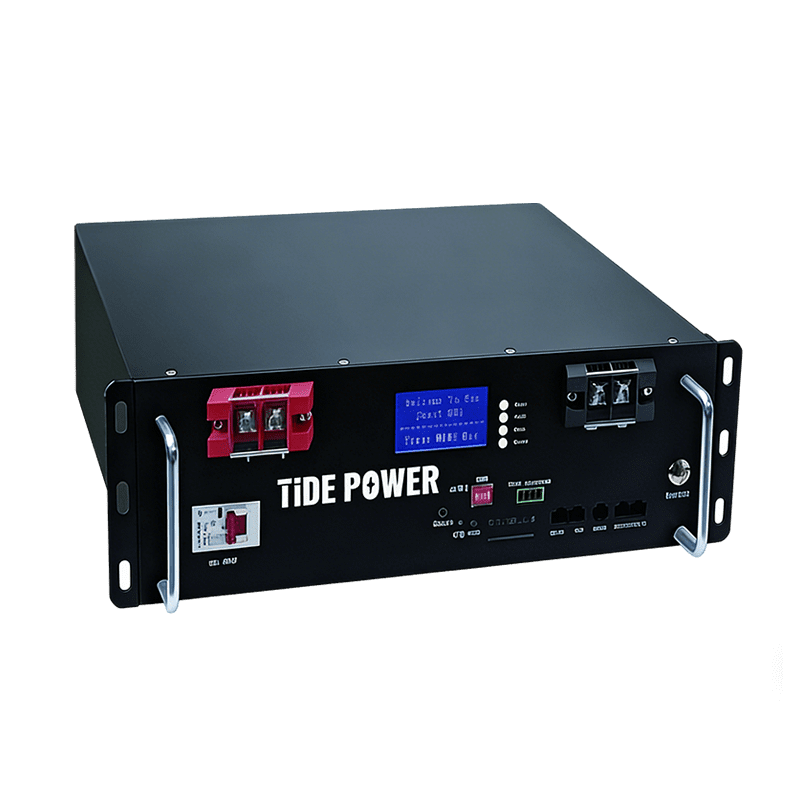
Storage only changes the purchase decision when peaks are short and the genset would otherwise run at low load for long stretches. <Unlocking Energy Independence & Savings: Tide Power’s Scalable BESS Solutions for C&I Applications> covers how scalable battery storage is positioned for commercial and industrial sites.
Build the comparison as an annual table: fuel at your load profile, scheduled maintenance, consumables, an allowance for one unscheduled repair, and the residual value at the end of the period. State the assumptions next to the figures, because a lifetime comparison is only as good as the load profile behind it, and a confident total built on an invented duty cycle is worse than a rough range with the assumptions visible.
Build a quote you can compare line by line
Send the rating basis, the site ambient temperature and altitude, the load profile with its largest step load, the boundary noise limit, the fuel autonomy required, and the scope you expect the supplier to cover. Those fields let a supplier price the machine you are comparing elsewhere instead of the machine that is easiest to quote.
A price is only comparable at the same rating basis, the same scope and the same site conditions.
Contact Tide Power Technology with those details at [email protected] or +86 591 2806 8999.
FAQ
Does a higher kVA rating always mean a higher price per kVA?
No. Within one platform the price per kVA usually falls as output rises, because the controller, canopy family, documentation and test run are spread across more kW. The trend reverses at a platform step, where a larger engine frame, heavier alternator, split canopy and heavier transport arrive together. Two ratings drawn from different platforms can sit on either side of the trend, so compare inside a series before drawing a conclusion across the market.
Should I compare quotations at prime or standby rating?
Compare at the duty you will actually run. A standby rating assumes limited hours and no sustained overload, so a set bought on that basis and used continuously is being run outside its declaration. If the load is continuous, ask every supplier for a prime rating at your site ambient and altitude. A prime-priced quotation held against a standby-priced one is not a price difference, it is a different machine.
Why is the cheapest quote often not the lowest delivered cost?
Because the set price is one line of a longer list. Freight, offloading, foundation, exhaust, cabling, switchgear, commissioning, spares and warranty terms sit outside most published prices, and they vary more between suppliers than the set does. Add alternator make, controller functions, canopy specification and fuel autonomy, and a quote that looked lower often describes a lighter scope rather than a better price.
Is a used or knocked down set a fair price comparison?
Only against the same scope and duty. A knocked down kit moves assembly labour and quality control to the buyer, so its price answers a different question from a factory-tested set. A used set carries an unknown duty history, and a visual inspection confirms identification rather than remaining life. Neither is automatically cheaper overall; both need the acceptance terms written down before the price becomes meaningful.
If you’re interested, check out these related articles:
Tide Power Announces Global Exhibition Schedule for Second Half of 2025
Earth Day: Powering a Sustainable Future with Tide Power
Supersilent Gensets apply in Australian Telecommunication Projects
A friendly basketball match between Tide Power and Leroy-Somer was held successfully!