
 EN
EN ZH
ZH FR
FR ES
ES AR
ARThe fastest way to overspend on a generator rental vs purchase decision is to compare rates before defining runtime. In my work with Tide Power’s generator set programs, I have seen procurement teams overpay on long projects because they treated rental as a short term fix and ignored what happens after the second or third mobilization. The better approach is to model utilization, site permanence, and maintenance ownership before selecting a silent diesel generator set. The remaining decision points come down to cost structure, generator set configuration, and project duration.
What Makes the Generator Rental vs Purchase Decision Different for Power Projects?
This decision is not about which option is objectively better. It is about which cost shape matches the project’s power profile. A rental keeps most of the initial capital in your control and shifts equipment storage, service, and major repair responsibility back to the rental provider. A purchase moves the asset onto your books and gives you full control over fuel quality, service intervals, and redeployment after the project closes. In markets with uncertain grid supply or multi phase construction programs, the same generator set can move from emergency standby duty to continuous prime power within months. That flexibility matters more than the sticker rental rate.
Which Cost Factors Should You Model Before Choosing Generator Rental vs Purchase?
The right model separates fixed capital from variable deployment cost. Renters usually focus on the monthly rate, but the better comparison uses the number of mobilizations, the expected weekly runtime, and who pays for service after the first wear point. A purchased generator set looks more expensive on day one because the full cost is recognized early. Rental appears cheaper on day one but accumulates cost exactly when a project extends.
| Cost factor | Rental impact | Purchase impact |
|---|---|---|
| Upfront capital | Low; payment spreads across rental periods | High; capital is committed before commissioning |
| Maintenance ownership | Rental provider carries routine service | Owner carries service parts, labor, and schedule |
| Mobilization | Recurring per site deployment | One-time installation at an owned site |
| Residual value | None at contract close | Resale or redeployment value remains |
| Flexibility | High for short or shifting loads | Higher for fixed or continuous sites |
What changes when runtime becomes continuous?
Once a generator set is expected to run through most of the project window, rental cost becomes a budget line that never stops. In continuous duty, the generator is consuming fuel, accumulating service hours, and still returning to the rental provider at the end. A better comparison is to price the rental over the full expected duty cycle against the cost of owning and then redeploying the unit within the same company. If the unit can be used on the next project, ownership often wins.
How do mobilization charges stack across multiple sites?
Rental contracts rarely absorb repeated delivery, fuel pickup, and site preparation. Each time a unit moves, you pay freight, inspection, and recommissioning even if the generator set itself has remaining contract hours. This hidden line item is why multi site programs need a generator rental vs purchase review at the program level, not the site level.

When Does Buying a Generator Set Carry Lower Long Term Risk Than Renting?
Buying shifts the risk profile from contract renewal to asset management. For a project running beyond eighteen months or a facility that needs standby power across multiple years, ownership gives the buyer control over service schedules and avoids the recurring negotiation that comes with rental extensions. The risk of owning is not the generator itself, it is the absence of a maintenance plan and the temptation to defer load bank testing. A well maintained silent diesel generator set from a defined product series holds its operational value far longer than a rental agreement holds its rate.
When does an owned generator set simplify site logistics?
Ownership removes the coordination step of matching rental availability to site schedule. Once the unit is installed, tested, and commissioned, a project manager controls refueling, service windows, and parallel operation without waiting on a rental provider’s inventory. That control becomes valuable on sites with restricted access, export compliance requirements, or load profiles that change weekly.
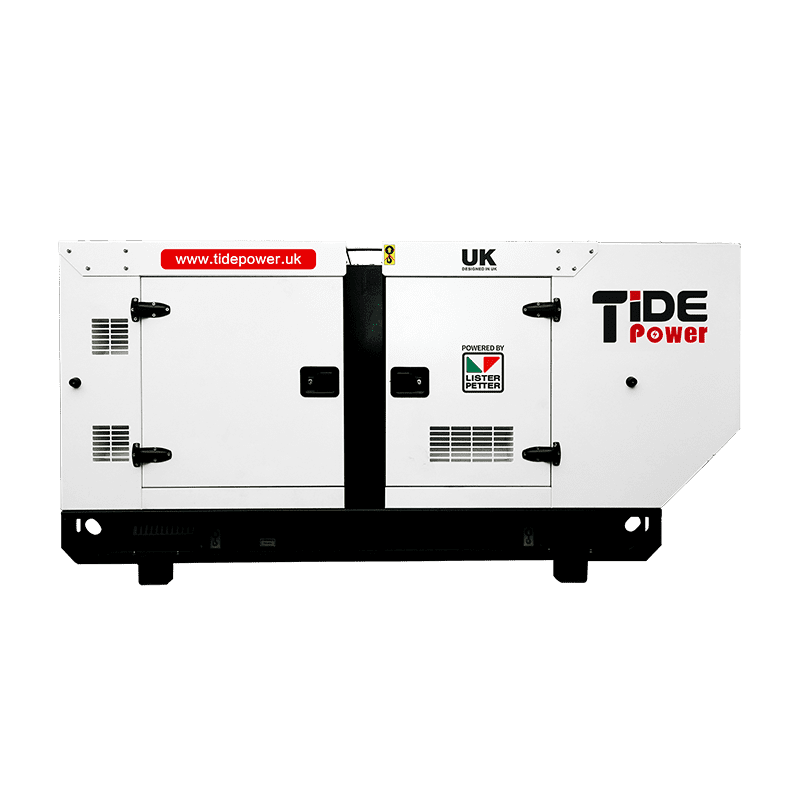
For noise sensitive facilities, the Hemera Series silent diesel generator set is a useful reference because fixed installation, canopy design, and maintenance access are specified at purchase rather than adapted from a rental standard.
If your program involves multiple site moves, standby blocks, or a duty cycle that is not yet fixed, send your expected runtime and site count to [email protected] before you lock the budget. A configuration check at this stage prevents an expensive rental or an oversized purchase.
Which Generator Set Configurations Fit Rental Fleets Without Overbuilding?
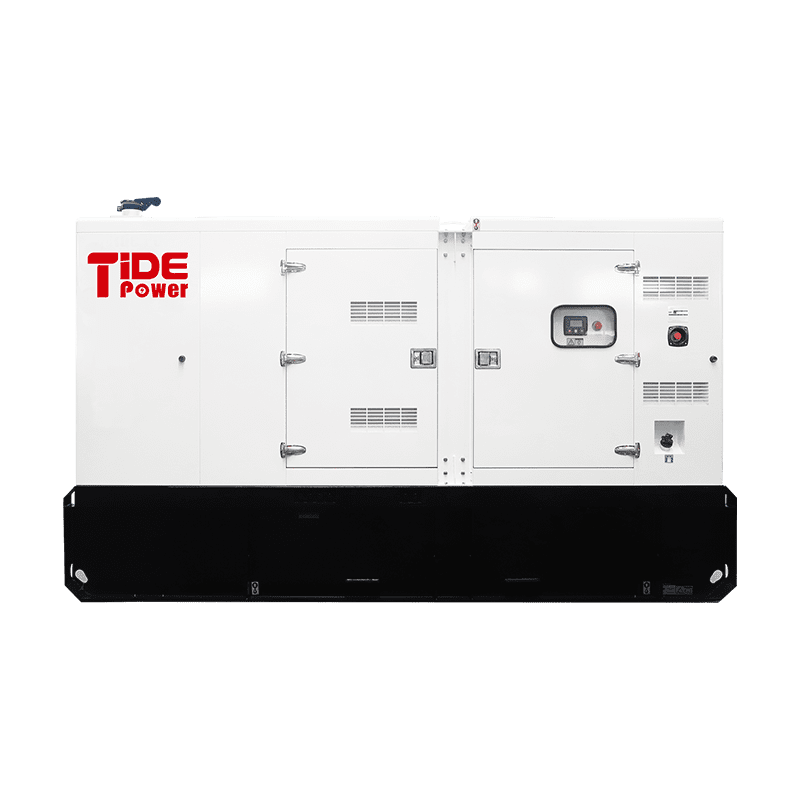
Rental fleets need generator sets that combine fast deployment, wide engine choice, and simple service access. A rental buyer should not specify the same redundant features as an owner who will hold the asset for fifteen years. Tide Power’s I Series CKD platform takes a modular approach: engines, alternators, and accessories are selected around the rental duty, which prevents paying for long term features the project will never use. The more practical rental specification is a soundproof canopy, an external fuel inlet, forklift pockets, and a control package that can be integrated after delivery. That configuration keeps the unit light enough to mobilize quickly without sacrificing the protection expected on a client site.
What should a rental specification leave out?
Leave out oversized fuel tanks if the rental site has fuel delivery. Leave out multi unit parallel logic if the site only needs a single block. Every feature carried into a rental contract is rented, not just the generator set.
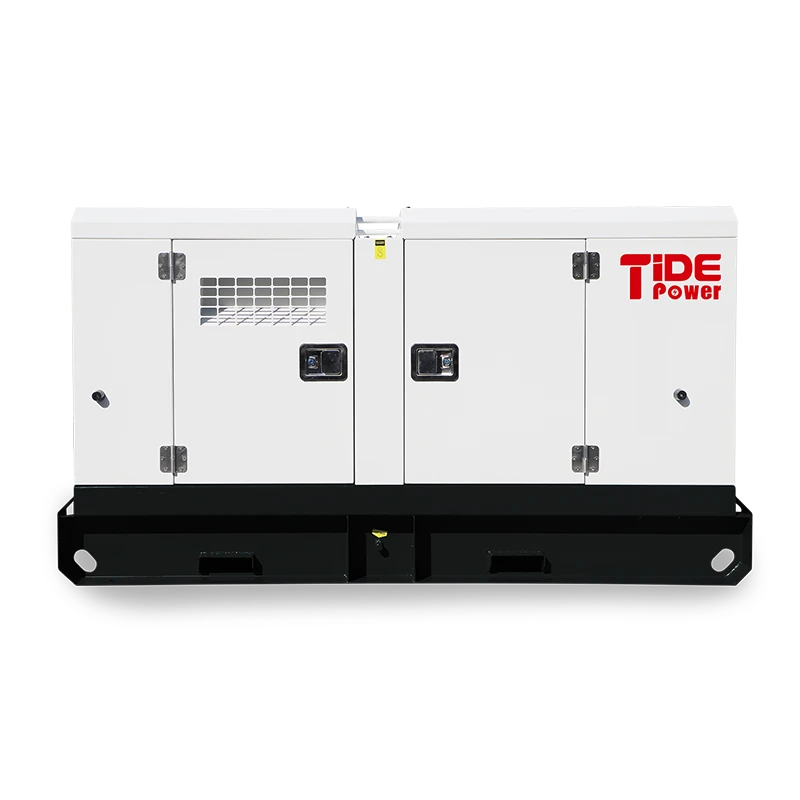
For standard standby and continuous duty projects, the P Series includes a 2 mm soundproof canopy and front ventilation system, which matches the build we look for in urban and commercial rental commitments.
What Should You Do Before Committing to a Generator Rental or Purchase?
By this point, the real tension is not rental cost versus purchase cost. It is whether the numbers are being compared over the same utilization period. A procurement team that compares a twelve month rental rate to a capitalized purchase price without assigning a residual value will always misread the result. If you are still holding both options open, send your projected duty hours, number of sites, and power requirement to [email protected] or call +86 591 2806 8999. Tide Power can return a generator rental vs purchase comparison built around your actual runtime profile rather than a generic price sheet.
What Questions Do Procurement Teams Ask About Generator Rental vs Purchase?
Procurement teams raise the same four decision points before committing to a generator set.
Is renting always the cheaper short term option?
Renting is usually cheaper and faster when the utilization window is short or the load profile has not been confirmed. The lower initial payment is real, but it comes with recurring mobilization, service, and contract renewal costs that can erase the savings once a project stretches. I encourage teams to define the minimum runtime threshold before comparing. If the generator set is expected to run for most of the project period, a purchase with a defined redeployment path often costs less over the full term, even if the first invoice looks higher.
Does rental always remove maintenance risk from the buyer?
Many teams assume rental removes maintenance risk entirely, but that is only partly true. The rental provider usually covers routine service and major repairs, while the buyer still controls fuel quality, daily inspections, load management, and site cleanliness. Poor fuel handling or repeated overloading can void rental protections or shorten service intervals, and those failures still land on the project schedule. The practical difference is ownership of the remedy: a rent replacement is a contract conversation, while an owned repair is a maintenance decision. In both cases, the site operator’s daily discipline sets the floor.
When does a multi-year project justify buying a generator set?
The answer depends on whether the unit stays on one site or moves between projects. A generator set that remains installed for a multi year site with a stable load profile is usually easier to justify as a purchase because the buyer controls service timing and avoids annual price escalation. A unit that shifts across temporary sites every few months may remain cheaper to rent even over a long program because the logistics cost of moving an owned asset can match rental premiums. I look for one threshold first: can the same generator set be redeployed to the next project without major reconfiguration? If yes, buying becomes more defensible.
What specification should a rental or purchased generator set include from the start?
In programs we have supported across industrial and commercial sites, the most useful baseline is a silent type generator set with a defined engine brand, CE or ISO compliance, an external fuel inlet, and service access that does not require canopy removal. For rental fleets, the specification should stay modular; for owned standby power, it should match the site’s single line diagram and future expansion path. Starting with a clear kVA rating and duty type, standby or prime, removes most of the confusion in early quotes. If you are still balancing available capital against runtime, share your requirement outline with [email protected] and we will map the right generator set configuration.
If you’re interested, check out these related articles:
Ultimate Flexibility: Tide Power’s Foldable Container Delivers Portable Answers to Global Power Challenges
Join Tide Power at Canton Fair to Witness Innovation in Action
Register to visit Tide Powers stand NO.4.B13 at Nigeria Energy