 EN
EN ZH
ZH FR
FR ES
ES AR
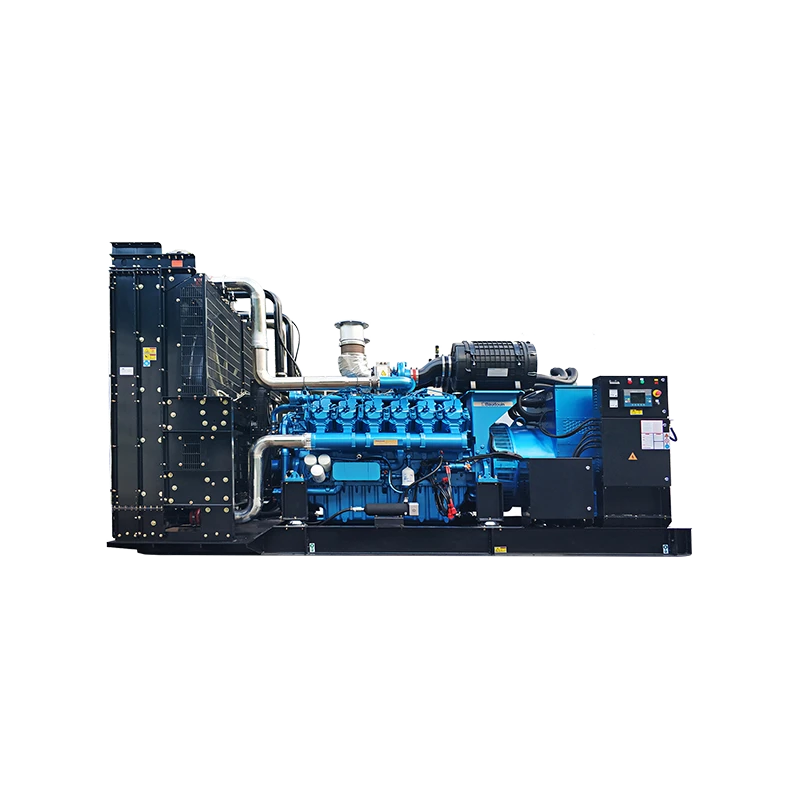
ARMWM gas generator sets occupy a distinct position among industrial gas generator brands. Most comparisons stop at rated power and electrical efficiency, but project outcomes turn on fuel gas tolerance, long-block service strategy, and how the package is documented before it ships. In the 600 to 4500 kVA range that Tide Power packages with genuine MWM engines, the real buying decision is less about the engine badge and more about whether the supplier can hold the specification together through compliance, controls integration, and after-sales parts access.
MWM Gas Generator Sets Deliver Broader Fuel Flexibility
The first factor that separates MWM gas generator sets from many industrial gas generator brands is the declared fuel window. The MWM package in our lineup is engineered for natural gas and biogas service. That is a practical difference, not a catalogue claim. A reciprocating gas engine reacts to methane number, trace sulfur, siloxanes, moisture, and inlet pressure changes. When the fuel train and engine calibration are set up for a narrow natural gas specification, moving the same package to a wastewater or landfill application forces a derate, increased maintenance, or a controls rework.
With MWM packages, the starting position for biogas and natural gas projects is the same engine platform, and the configuration work moves to gas treatment and fuel train selection. That means fewer surprises when a project shifts from pipeline gas to a site gas stream with lower energy density. Buyers still need to submit the site gas composition early. No engine supplier can ignore methane number or contaminant limits. But the gap between a fuel-flexible platform and a natural gas first platform shows up quickly in wastewater, landfill, and agricultural biogas projects.
Total Ownership Cost for Gas Generator Brands Depends on More Than Engine Price
Evaluating MWM against other gas generator brands on purchase price alone misses the larger cost structure. The engine is one line item. The fuel train, gas treatment, switchgear, enclosure, commissioning, and warranty obligations sit around it. In our quote reviews across industrial energy projects, we have seen two packages with similar kVA ratings diverge sharply at the point of gas analyzer scope and emissions documentation. A lower engine price can be absorbed quickly if the buyer must redesign the fuel system or accept restricted operating conditions after contract award.
The table below lays out the selection factors we ask project teams to compare before the first factory audit.
| Selection factor | MWM package in the Tide Power lineup | Typical industrial gas generator packages |
|---|---|---|
| Rated power | 600 to 4500 kVA with genuine MWM engines | Varies by engine and packager |
| Fuel scope | Natural gas and biogas | Often natural gas first, biogas optional |
| Compliance records | ISO 9001, ISO 14001, ISO 45001, CE | Varies by packager and region |
| Operations visibility | Intelligent operation with real-time monitoring | Depends on control system option |
| Service orientation | OEM-backed documentation and long service life design | Depends on local service partner |
What this means in practice is that total cost of ownership is driven by fuel capability, control integration, and documentation, not by engine cost per kVA in isolation.
MWM Gives Biogas and Natural Gas Projects Clear Documentation
A second differentiator we look for in gas generator brands is whether the documentation follows the engine into the project. MWM gas generator sets in the Tide Power range carry ISO 9001, ISO 14001, ISO 45001, and CE declarations. For customers in wastewater, landfill, industry, and renewable energy projects, those records matter during permit review and again during commissioning. Projects with weak documentation tend to stall at the authority approval stage, and the cost shows up in schedule rather than invoice.
The package also includes intelligent operation with real-time monitoring. For continuous duty sites, this is not a feature. It is how the operations team avoids running blind between scheduled inspections. When a project moves from three-shift factory operation to unmanned or remotely supervised plant, the ability to monitor load step, gas temperature, and alarm history changes how quickly the team responds to a fuel quality change or cooling system fault.
Gas Generator Project Risk Shifts With Integration and Sourcing
The weakest part of a gas generator comparison is usually not the engine data sheet. It is the integration responsibility. Other gas generator brands are often sold through separate engine supplier, packager, and local dealer structures, which leaves the buyer to coordinate fuel gas treatment, heat recovery, electrical protection, and controls. Scope gaps surface late, when the engine is already on the factory floor and the missing interface belongs to no one.
MWM packages supplied as an OEM solution reduce that coordination burden because the engine and package documentation sit in one project file. The same discipline matters for biogas cleanup. If the gas contains siloxanes or variable CO2, the fuel train specification should be confirmed before the genset is ordered, or the engine protection system may trip on methane number excursions that the paperwork did not anticipate.
When a gas generator set becomes part of a microgrid or runs alongside solar and storage, the control interface becomes another scoping item. Not every gas genset can accept load commands from an energy management system without additional hardware. The MWM package real-time monitoring path makes that integration cleaner, but the site team still needs to define load-sharing and island mode behaviour before factory acceptance.
If your project involves landfill gas, wastewater biogas, high ambient temperature, or continuous duty, it is worth confirming gas treatment scope, derating, and the control interface before the final design freeze. Share the site gas analysis with us at [email protected].
Tide Power Supplies MWM Gas Generator Packages From Specification to Commissioning
Gas generator sourcing decisions usually fail at the interface between engine capability and site utility conditions. A buyer can choose a strong engine and still face commissioning delays if the fuel train, ventilation, emissions path, or control interface has not been reviewed against the actual project. As an authorized OEM partner of MWM, Tide Power packages customized gas generator systems with real-time monitoring and compliance documentation before dispatch. Send the site gas analysis, altitude, required continuous rating, and heat recovery scope to [email protected], or call +86 591 2806 8999, and we will confirm the package configuration and compliance path before you commit.
Common Questions About MWM Gas Generator Selection
Does MWM only run on natural gas?
No. MWM gas generator sets in the Tide Power range run on natural gas and biogas. The engine platform is designed for both, but the fuel train and gas treatment equipment must still be specified for the actual site gas. A package ordered for pipeline natural gas is not automatically ready for landfill gas with high contaminant levels. Submit the site gas analysis early so the methane number, moisture, and trace components are reviewed before the package is locked.
Why does an MWM gas generator set usually cost more upfront?
The price difference comes from more than the engine badge. MWM packages carry OEM-backed documentation, ISO and CE compliance records, real-time monitoring, and a power range of 600 to 4500 kVA. Buyers are paying for lifecycle capability and project documentation, not a premium for its own sake. If a comparison quote comes in materially lower, check whether gas treatment, control integration, commissioning scope, and after-sales parts access are included or left as the buyer’s responsibility.
How do I compare MWM life cycle cost with other gas generator brands?
Start from the site duty, not the kVA price. Define annual running hours, fuel gas characteristics, part-load requirement, heat recovery scope, and emissions limits. Then compare the package as a complete scope: engine, fuel train, gas treatment, controls, enclosure, commissioning, and warranty. In the projects we evaluate, two ratings can look similar on the first page and diverge quickly once continuous duty documentation and fuel flexibility enter the calculation. Hold every brand to the same scope boundary.
What should I confirm before ordering an MWM package?
In programs we have supported, the decisive items are fuel gas analysis, altitude and ambient conditions, required continuous rating, heat recovery interface, and emissions compliance at the project location. Confirming those early keeps the package configuration stable and avoids change orders during factory acceptance. Share your requirements and we will confirm the fuel train specification and compliance documentation availability for your site.
If you’re interested, check out these related articles:
Tide Power to Showcase Innovative Energy Storage Solutions at TSEE 2025
Tide Power Featured on CCTV’s News Broadcast of the 135th Canton Fair