 EN
EN ZH
ZH FR
FR ES
ES AR
ARPortable generators vs standby units solve two different problems, and mistaking one for the other is how project timelines get broken. A portable generator follows the work; a standby generator protects the load. I have seen teams choose a portable unit to save capital cost, then discover that manual refueling and cable routing made automatic backup impossible during a real outage. That gap is not a minor inconvenience. It changes recovery time, site safety, and total project cost. The right choice depends less on kilowatts and more on what has to keep running when utility power drops.
What Actually Separates Portable Generators From Standby Units?
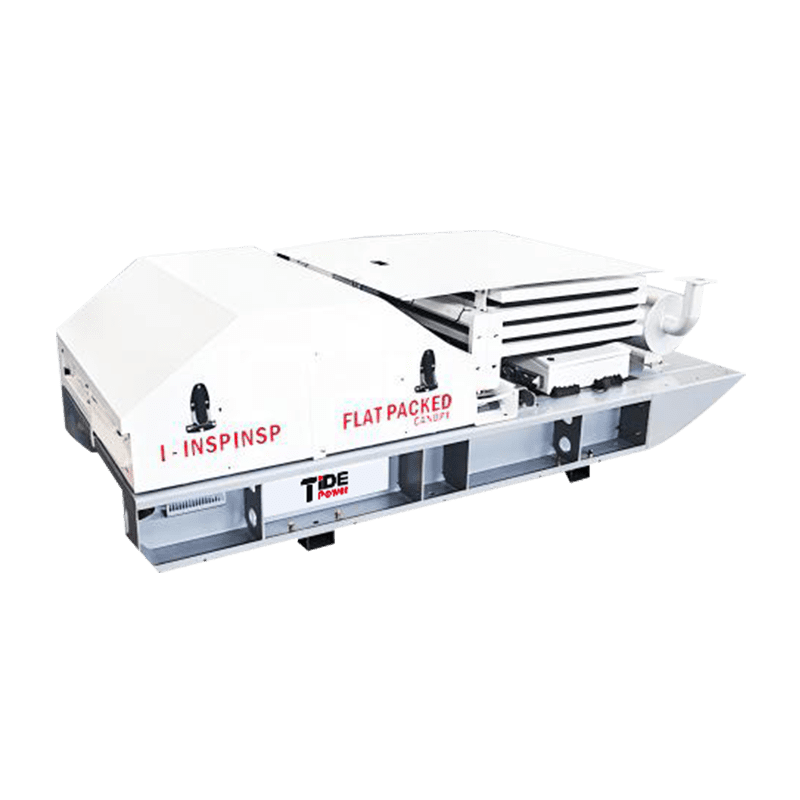
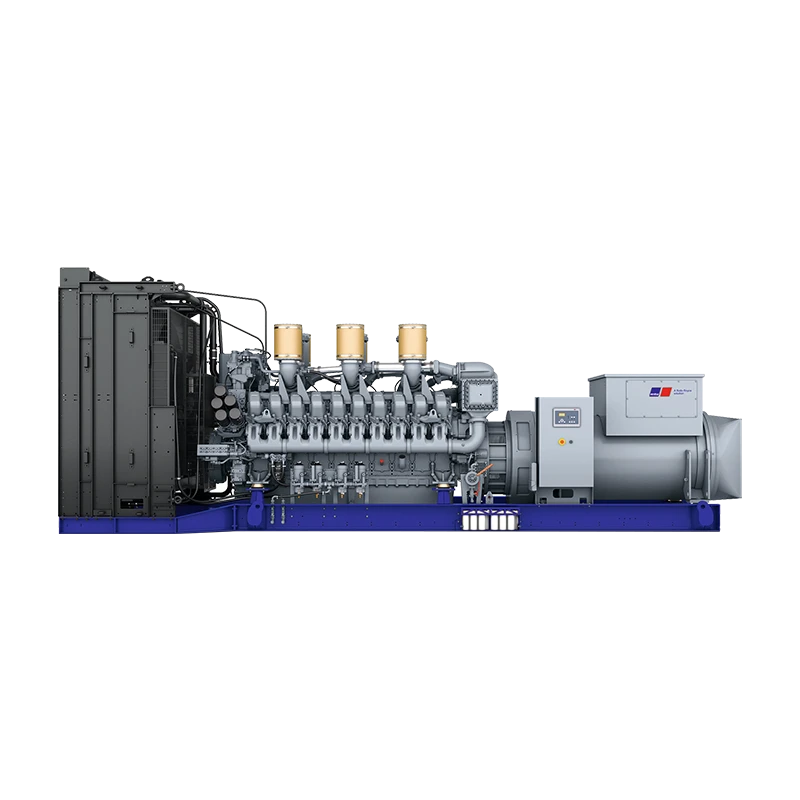
A portable generator is a temporary power source. It moves with the crew, starts manually or with a key, and feeds equipment through cables and distribution boards. A standby generator stays fixed. It connects to a transfer switch, starts automatically when utility power fails, and carries the site load without human intervention. That distinction drives every other comparison point: installation, runtime, maintenance, and response time.
| Factor | Portable Generator | Standby Generator |
|---|---|---|
| Mobility | Trailer or skid mounted, moves between job sites | Fixed on a pad or in a generator room |
| Startup | Manual or key start | Automatic transfer switch |
| Power range | Often under 100 kVA for common rental units | 5 kVA to 900 kVA and higher |
| Runtime | Limited by onboard tank and manual refueling | Extended tank or piped fuel supply |
| Installation | Minimal site preparation | Concrete pad, transfer switch, fuel connection |
The rating plate does not capture that difference. A 50 kVA portable set and a 50 kVA standby set may share a similar alternator, but the standby unit’s value sits in the system around it.
Where Do Portable Generators and Standby Units Fit Best?
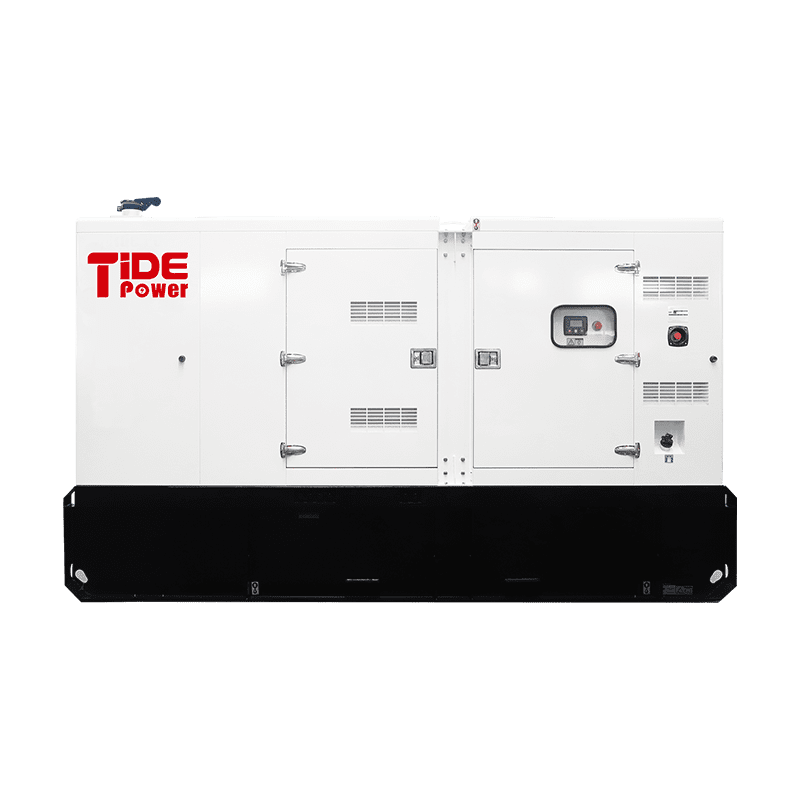
Portable generators fit sites where the power demand is mobile: road works, early construction, event stages, remote pump stations, and emergency repair crews. The machine must be moved frequently, and the operator is on hand to start and refuel it. Standby units fit sites where downtime is the dominant risk: hospitals, data centers, telecom stations, water treatment plants, and commercial buildings with cold chain or life safety loads. In these facilities, the generator is not a convenience; it is the second layer of a critical power path.
I have seen event production teams choose portable units because lighting loads shift between zones during setup. The same team would not accept manual startup for a 24 hour broadcast facility. For fixed installations with noise constraints, a silent diesel set is usually the practical choice. Tide Power’s Hemera Series, for example, covers 5 kVA to 650 kVA with Perkins, DCEC, or SME engines and is aimed at hospitals, data centers, and precision manufacturing.
What Does the Real Cost Comparison Look Like Over Time?
Purchase price is the most visible number, but it explains the least. A portable generator often wins on initial capital, especially when a contractor already owns trailers and cable sets. The standby unit pulls ahead when the calculation includes labor for refueling, site fuel storage compliance, rental downtime, and the cost of a missed automatic start.
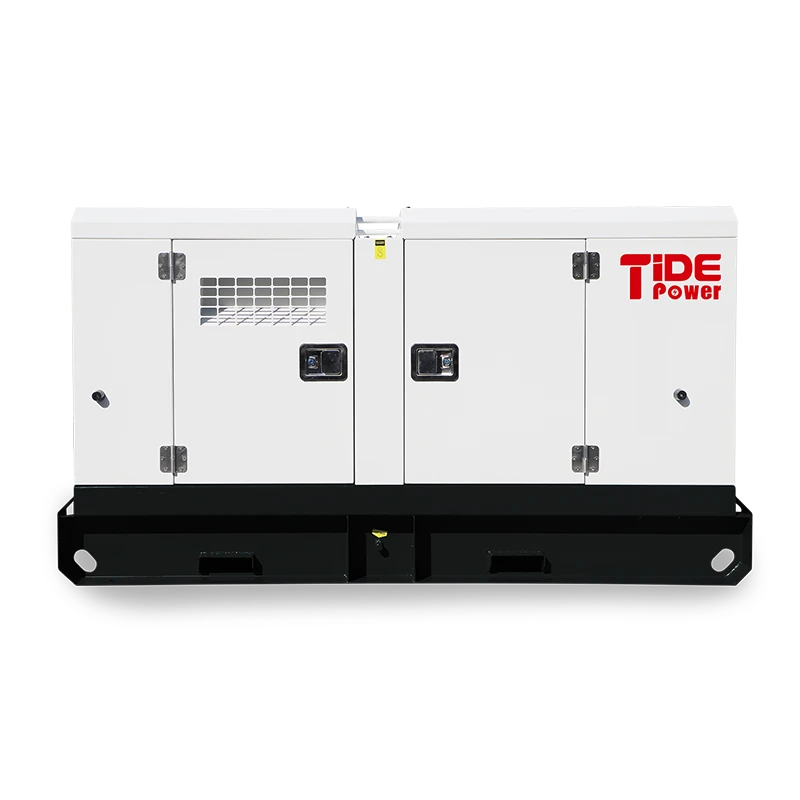
I have watched operating budgets shift after the first maintenance cycle. A portable unit running on a construction site tends to collect dust, operate at irregular load steps, and sit idle between projects. Those conditions shorten oil life and demand more frequent filter changes. A standby unit with a weekly exercise cycle and a fixed fuel supply runs under more controlled conditions, and the service schedule becomes easier to predict. A unit with a larger fuel tank also changes the operator workload. Tide Power’s Econic Series, for example, includes a large fuel tank and an external filling inlet, which reduces how often site staff interact with the set.
If your project involves high ambient temperatures or elevation above roughly 1,000 meters, the derating effect can change the size recommendation enough to overturn a shortlist based on nameplate power alone. Send your site profile and expected runtime to [email protected] before you finalize the comparison.
How Should You Read Generator Ratings Before Comparing Options?
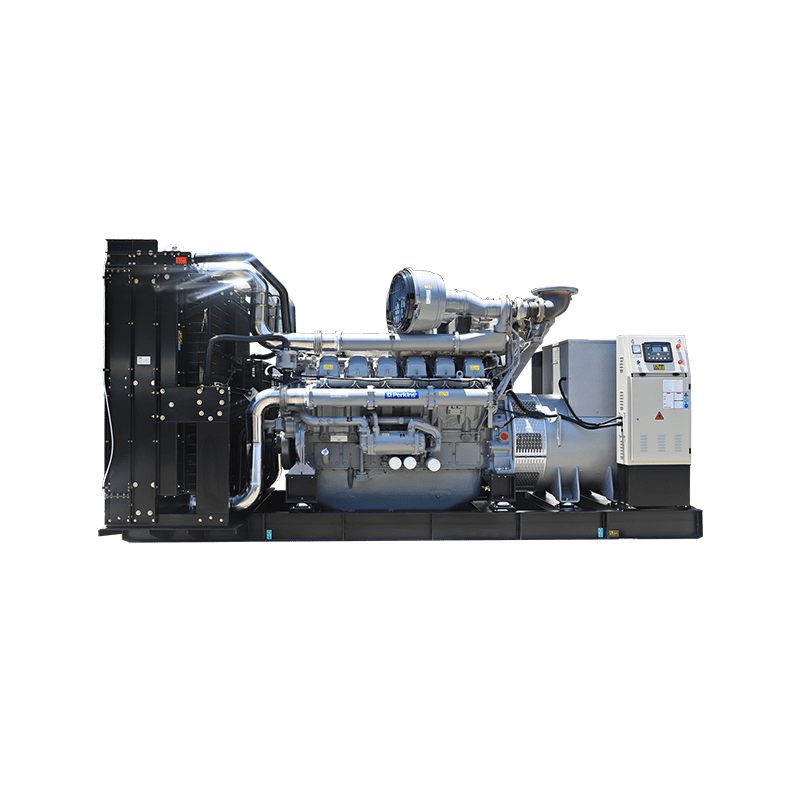
Generator ratings are where portable and standby units get compared on false terms. The first error is treating kVA as if it were the same as kW in every application. The second is mistaking a standby rating for a continuous rating.
kW, kVA, and Power Factor
kW is the real power available to do work. kVA is the apparent power, which includes the effect of reactive loads such as motors, transformers, and some lighting systems. For a generator with a 0.8 power factor, a 100 kVA set delivers about 80 kW. If the site has large motor starting loads, the reactive demand may push the required kVA higher even when the kW total looks manageable.
Prime Power vs Standby Power
Standby power ratings assume limited annual hours and an average load factor that leaves headroom. A standby set is not intended to run as the only source for weeks at a time. Prime power ratings are intended for continuous operation with variable load. When I see a project compare a portable rental unit against a standby set on kW alone, the comparison misses the duty cycle that determines whether the engine will actually survive the application.
What Should You Confirm With a Generator Supplier First?
Before asking for a quote, confirm the load list, not the equipment list. A supplier needs to know which motors start at the same time, what the base load is, how long the set must run, and whether the site has fuel storage or piped gas. Without those inputs, the supplier can only quote a machine, not a power system.
At Tide Power, I start every comparison with the same questions: altitude, ambient temperature, emission limits, noise restrictions, and transfer switch requirements. These factors can change the engine selection, alternator sizing, and enclosure design. They also determine whether a portable unit is even a viable option or whether the project has already crossed into standby territory.
Most generator comparisons stop at the data sheet, but the decision that matters happens at the project level. A standby unit is only as reliable as the transfer switch, site fuel arrangement, and load profile behind it. If your project is still split between portable and standby, send the site location, load list, and required runtime to [email protected] or call +86 591 2806 8999. We can confirm the correct power rating against altitude, emissions limits, and fuel availability before you commit.
What Questions Do Buyers Ask Most About Portable and Standby Generators?
Can a portable generator back up a house?
It can, but with limits. A portable generator can run a refrigerator, some lighting, and a furnace fan, but it will not automatically start when the outage occurs. The owner must connect it, manage extension cords or a manual transfer switch, and monitor fuel level. For a home with medical equipment or automatic sump pumps, those steps introduce risk. A small standby generator removes the manual response and can be sized for a defined set of critical circuits. The right choice depends on whether the resident will be present during most outages.
What size standby generator is needed for a commercial building?
The usual mistake is to size a commercial unit from the building’s square footage alone. That method ignores the real driver, which is the largest motor or compressor that must start while the base load is already running. A data center, for example, may have a high kW demand but smooth load, while a pump station may require more kVA for motor starting even if the kW figure looks smaller. The correct starting point is a load list with starting currents and run cycles. That is the input a supplier needs before confirming a generator size.
How often should a standby generator be tested?
It depends on whether the unit protects life safety or convenience loads. Most manufacturers recommend at least a weekly or monthly exercise cycle, and many facilities run the set under load monthly or quarterly. A unit that only starts during an annual test is the one most likely to fail when it matters. In hospitals and data centers, the exercise protocol is usually driven by local codes and insurance requirements, so the testing schedule should be confirmed against those standards before commissioning.
Is a standby generator worth the higher purchase price?
In the project comparisons I review, the standby unit usually earns back its premium after the first long outage or regulatory compliance audit. The portable option looks cheaper on the invoice, but the operating cost catches up through labor, refueling, cable management, and the absence of automatic transfer switching. When a facility must keep cooling towers, security systems, or production lines running without staff intervention, the standby unit is not an upgrade; it is the only configuration that meets the operational requirement. For sites that simply need temporary power at a moving workfront, the portable unit remains the better spend. Share your load profile and outage history with [email protected], and we can confirm which side of that line your project sits on.
If you’re interested, check out these related articles:
Tide Power Announces Global Exhibition Schedule for Second Half of 2025
Advocating for Stronger Electricity Grids to Meet Rising AI Demands
Tide Power Empowers Central American Immigration Office with Cutting-Edge Soundproof Generator Sets
Beyond the Basics: How Flow, Head, NPSH & Material Selection Define Pump Performance
Navigating Energy Storage: Key Distinctions Between Large-Scale and Small-Scale BESS