 EN
EN ZH
ZH FR
FR ES
ES AR
ARHigh voltage generator selection criteria start with the electrical duty, not the catalog rating. A machine that looks correct at 11 kV can underperform when step loads, power factor, and fault current are not defined. I have seen teams approve a set based on kVA alone, then face voltage dip problems when a large pump or compressor starts. At Tide Power, we work through the duty profile first: required voltage, kW and kVAr, load sequence, site conditions, and protection interface. That sequence removes most of the risk before any engine or alternator is chosen.
What Voltage and Load Profile Define the Right High Voltage Generator?
High voltage for a generator set is usually a project voltage from 3.3 kV to 11 kV, with 6.3 kV and 10.5 kV common across mining, industrial, and utility support applications. The first selection step is to separate real power from reactive power. A 2000 kW load at 0.8 power factor requires a 2500 kVA machine before any de-rating; a 2000 kW load at 1.0 power factor needs only 2000 kVA. Many preliminary selections fail because they subtract one from peak kW but never sum the kVAr contribution of motors, transformers, and cable charging.
The load profile also matters more than the steady-state load. A rock crusher may pull 150% of running current for several seconds, while a hospital high voltage bus sees mostly smooth transfer load. The generator must be sized for the largest motor step or block load, not the average. I usually ask for a one-line diagram and a starting study before quoting an alternator. Without that, a supplier only quotes an engine, and the project carries the risk.
Which Rating and Winding Configuration Should You Specify?
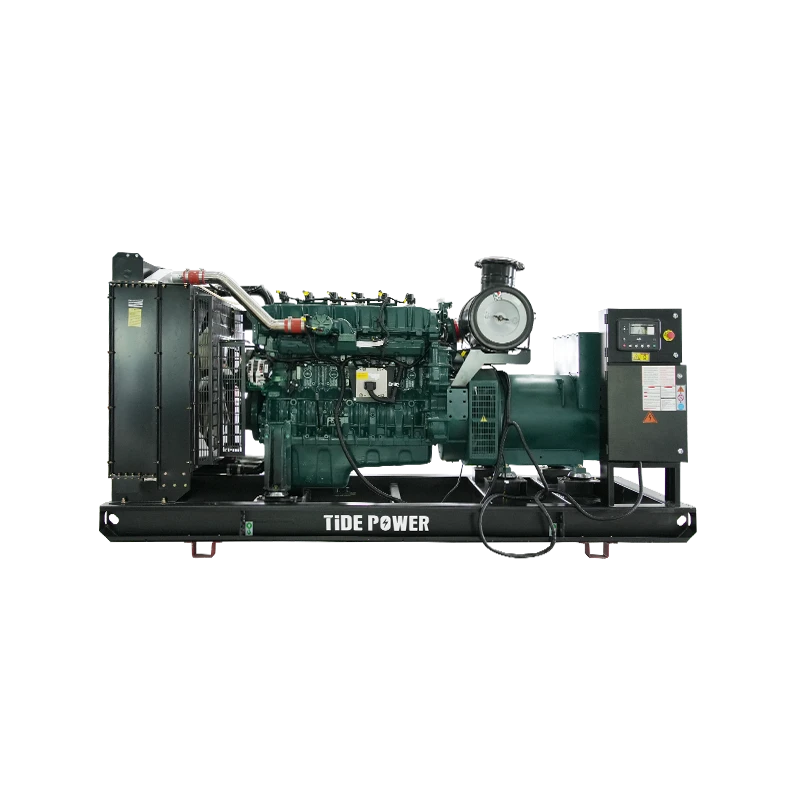
Nameplate rating is not enough. For high voltage generator selection, the alternator winding pitch, excitation system, and short-circuit capability determine how the machine behaves during a fault or unbalanced load. A 2/3 pitch winding limits triplen harmonic currents, which is useful where the generator feeds a generator circuit breaker and a dedicated transformer. A different pitch may be chosen for parallel operation with the grid or with other sets. I have seen specifications that detail the engine, enclosure, and controller but leave the winding pitch blank; that is the part that shapes waveform quality.
| Selection parameter | What to check |
|---|---|
| Voltage class | Confirm 3.3 kV, 6.3 kV, 10.5 kV, or 11 kV against the site bus |
| Winding pitch | 2/3 pitch for harmonic control on isolated loads |
| Excitation system | PMG or equivalent for motor starting and fault clearance |
| De-rating | Apply for altitude above 1000 m, temperature above 40°C, and harmonics |
| Short-circuit duty | State symmetrical and asymmetrical fault current required |
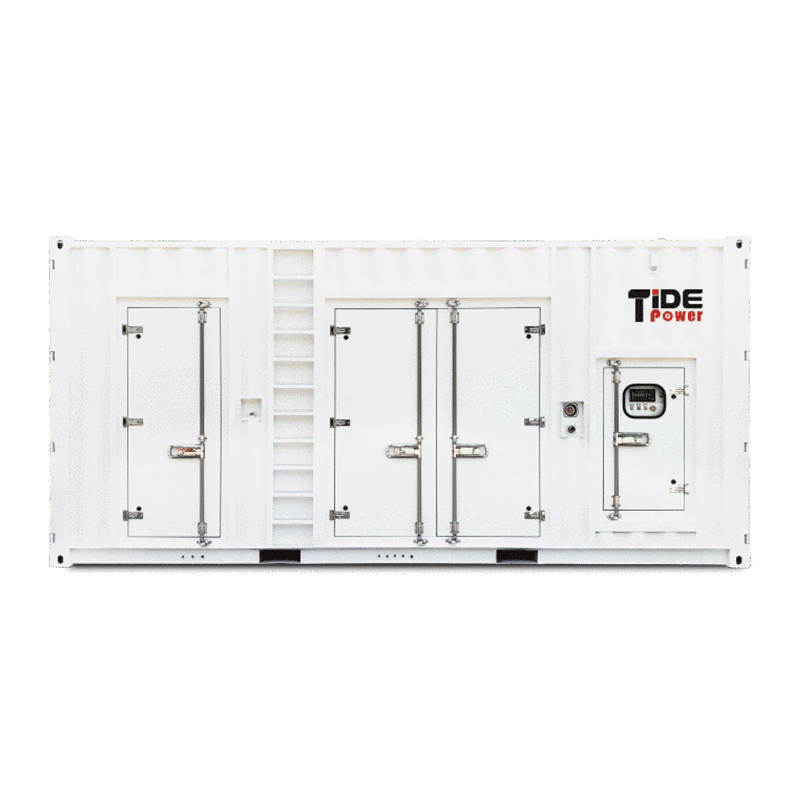
Tide Power high voltage packages are built around platforms like the Hemera and Econic series when a silent diesel set is required, and the MWM gas generator set for natural gas or biogas applications from 600 kVA to 4500 kVA. The alternator is matched to the voltage and fault duty after we see the duty file.
How Do Site Conditions Change High Voltage Generator Selection?
Site conditions change the selection more than most teams expect. Altitude reduces air density and cooling effect. A machine rated at sea level will lose capacity at 2500 m if the alternator and engine are not de-rated. Temperature has the same effect above the reference ambient, usually 40°C. Dust, humidity, and salt exposure move the enclosure discussion from standard sheet metal to protected canopies, filters, space heaters, and tropicalized insulation.
If your site includes a variable frequency drive or soft starter, the harmonic current adds alternator heating and voltage distortion. Confirm the winding selection and de-rating before you lock the bill of materials. Send your one-line diagram to [email protected] and we will confirm whether the set needs a special alternator configuration.
Fuel type shifts the calculation as well. Diesel remains the default for isolated high voltage sites because fuel storage is simple and starting is dependable. Gas is cleaner for continuous operation where a gas source exists. A data center in a remote area may lean diesel, while a wastewater plant with digester gas may choose a gas set. The voltage and site condition logic is identical; the engine choice changes the fuel, service interval, and emissions profile.
What Protection and Testing Requirements Complete High Voltage Generator Selection Criteria?
Protection is where high voltage selection becomes a system decision, not a component purchase. The generator set needs a coordinated protection scheme with the high voltage switchgear: overcurrent, earth fault, reverse power, under/over voltage, and under/over frequency. If the set will parallel with others, you need synchronizing, load sharing, and reverse power protection. The controller choice matters because the relay settings must match the site’s protection study. I prefer Deep Sea controllers for project transparency because settings can be read and adjusted without a proprietary software lock.
Testing requirements should be written into the order. A factory acceptance test at the rated voltage, overload, and insulation resistance is standard for high voltage sets. The insulation system must match the voltage class; a low voltage alternator fitted with a step-up transformer has different protection and earthing arrangements than a direct high voltage alternator. Ask for the alternator’s short-circuit reactance and the excitation ceiling voltage. Those two values show whether the set can clear a downstream fault and hold voltage during large motor starts.
What Should You Send Before Finalizing High Voltage Generator Selection Criteria?
The most common selection problem we see is an incomplete duty profile. A buyer names kVA, voltage, and enclosure, but omits altitude, starting sequence, power factor, and fault level. That gap shifts the technical risk back onto the project team. We prefer that a supplier asks for the full duty picture, because a high voltage generator set is not a stock item; it is assembled to the switching sequence it must survive.
Before you finalize the specification, send the following: one-line diagram, site altitude and temperature, load list with starting method, power factor and kVAr, required short-circuit current, and fuel preference. Send those to [email protected] or call +86 591 2806 8999. We will return a technical proposal with the engine platform, alternator rating, winding configuration, and protection interface matched to the duty, not just a price sheet.
What Do Teams Ask Before Ordering a High Voltage Generator?
Is a high voltage alternator always the right choice over low voltage with a transformer?
No, not always. A high voltage alternator simplifies the main switchgear and removes a transformer when the load is concentrated at one voltage. For sites with many low voltage loads, a low voltage generator with a step-up transformer can be more flexible. The break point is usually distance and cable cost. If the main load is hundreds of meters from the generator, medium voltage distribution reduces voltage drop and conductor size. If the load is inside one building, low voltage plus a transformer may cost less. The choice should come from a one-line diagram comparison, not from habit.
Do I need a PMG excitation system?
A common misconception is that PMG is only for luxury or complex installations. It is really a fault-clearing decision. PMG excitation keeps field current available during a downstream short circuit, so the generator can clear the fault without voltage collapse. Self-excited systems can work well on simple isolated loads. If the generator must start large motors or clear high voltage faults, PMG or an equivalent permanent magnet source is worth specifying. Ask the supplier for the excitation ceiling voltage before you decide.
How much should I de-rate for altitude and temperature?
It depends on the site numbers. Up to about 1000 m and 40°C, most generator sets perform at nameplate rating. Above 1000 m, air density drops and both engine and alternator cooling lose capacity; a common starting point is a de-rating of roughly 3 percent per 500 m for naturally aspirated equipment, but the alternator data sheet is the authority. High temperatures above 40°C add another cooling limit. I ask for the manufacturer’s specific curve instead of applying a fixed rule, because the combined effect of altitude, temperature, and enclosure restriction changes the final rating.
Why do high voltage generator deliveries take longer than standard sets?
In programs we have supported, the lead time is driven by the alternator, not the engine. High voltage alternators are often built to order with the project’s voltage, winding pitch, and insulation class, then paired with the protection and test requirements. Standard low voltage sets can ship from stock platforms, while a 6.3 kV or 11 kV set needs factory test time. The delay is manageable if the electrical specification is frozen early. If your program has a fixed energization date, share the timeline and site voltage with [email protected] and we will confirm which platform and alternator can meet it.
If you’re interested, check out these related articles:
Shines in Dallas! Tide Power Debuts New products at PowerGen International 2025
Tide Power Empowers Central American Immigration Office with Cutting-Edge Soundproof Generator Sets
Nigeria Energy 2024: Tide Power makes waves for innovation
Tide Power Featured in China Daily: Leading Innovation in Power Solutions