 EN
EN ZH
ZH FR
FR ES
ES AR
ARIndustrial generator manufacturers are not interchangeable. A supplier that excels at hospital standby power may be the wrong choice for a remote mining site or a containerized data center, even when the kilowatt ratings look similar. After ten years in power generation and global energy branding, I have watched too many procurement teams start with a brand name and only later find that project fit, engine access, and after-sales support determine whether the machine performs. The screening criteria below focus on what should happen before the quotation stage.
Industrial Generator Manufacturers Do Not Deliver the Same Value
Top tier generators differ by application focus as much as by build quality. A manufacturer built around telecom stations may run small diesel sets continuously in remote cabinets, while another supplier may concentrate on industrial facilities that need 900 kVA machines with synchronized control. The product range usually reveals where the supplier has real installation history and where it has only a datasheet. Buyers should ask for a distribution map, not just a product catalog.
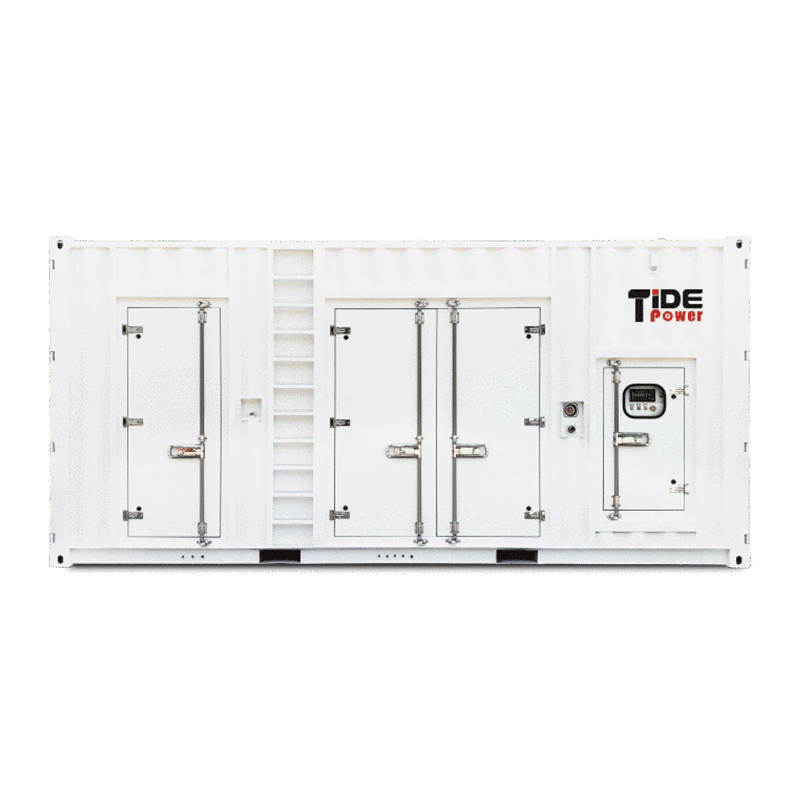
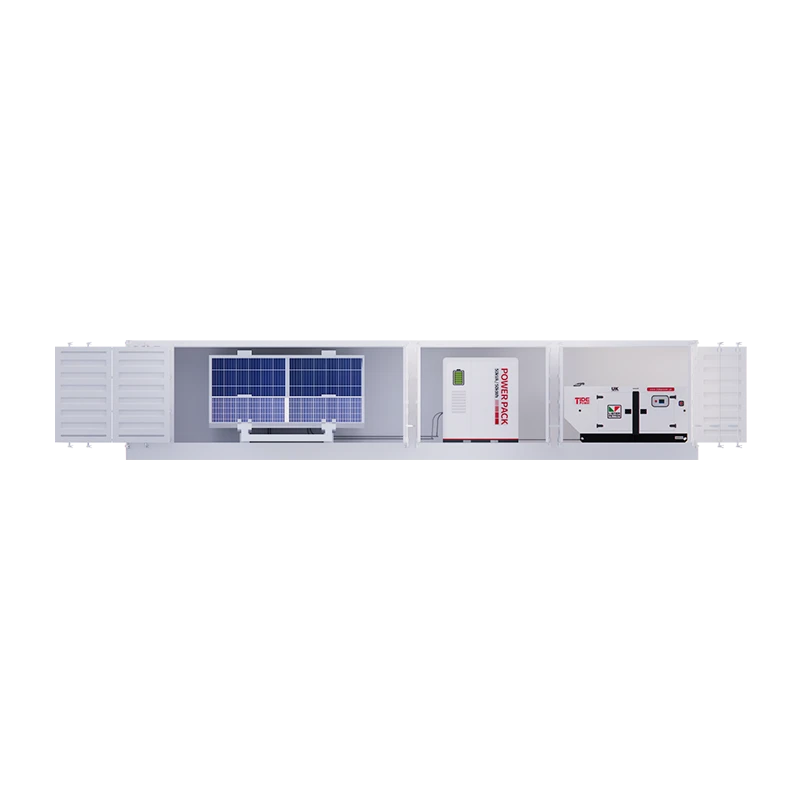
At Tide Power, the generator lineup spans silent diesel, gas generation, hybrid power systems, lighting towers, dewatering pumps, and compact construction equipment. The diesel range alone covers 5 kVA to 1650 kVA across Fenova Plus, Hemera, Econic, Panda, P Series, I Series, and open type units. A portfolio that wide creates real engineering options, but the buyer still has to verify which series carries genuine project history in the target geography and which series is simply available.
Engine Platform Access Is a Practical Manufacturing Filter
The largest hidden constraint in industrial generator manufacturing is engine supply. A generator set is only as serviceable as the engine platform inside it. Many manufacturers are locked to a single engine family or a limited regional stock, and that changes lead time, parts availability, and emission compliance across markets. Buyers often ask about alternator output first. In sourcing conversations I have led across Southeast Asia and the Middle East, the shortlist usually changes when a buyer confirms which engine families have local service coverage. A lower priced machine can become expensive once a control module or fuel pump waits for an overseas shipment.
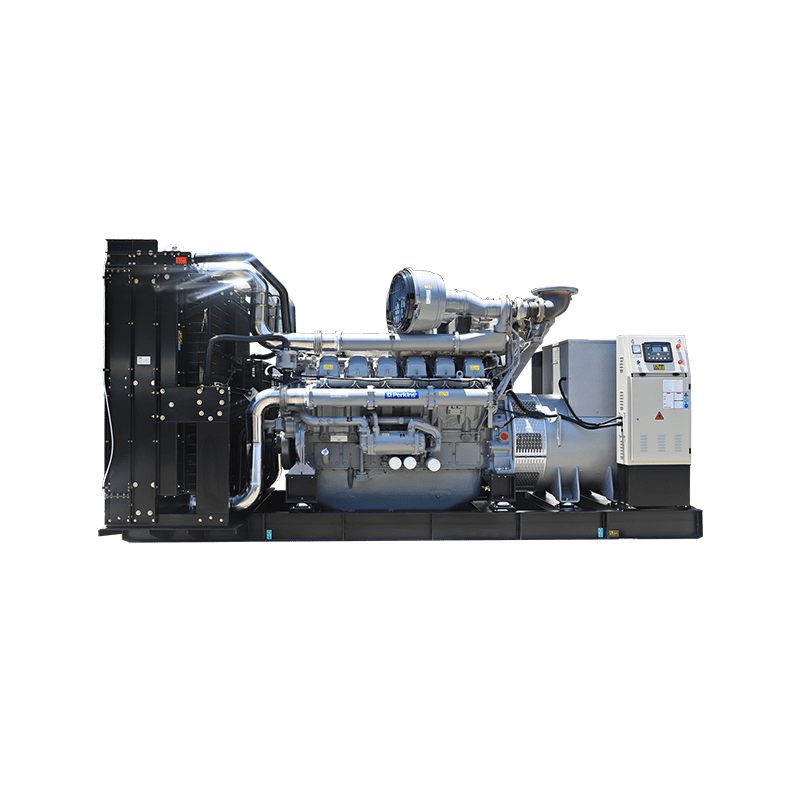
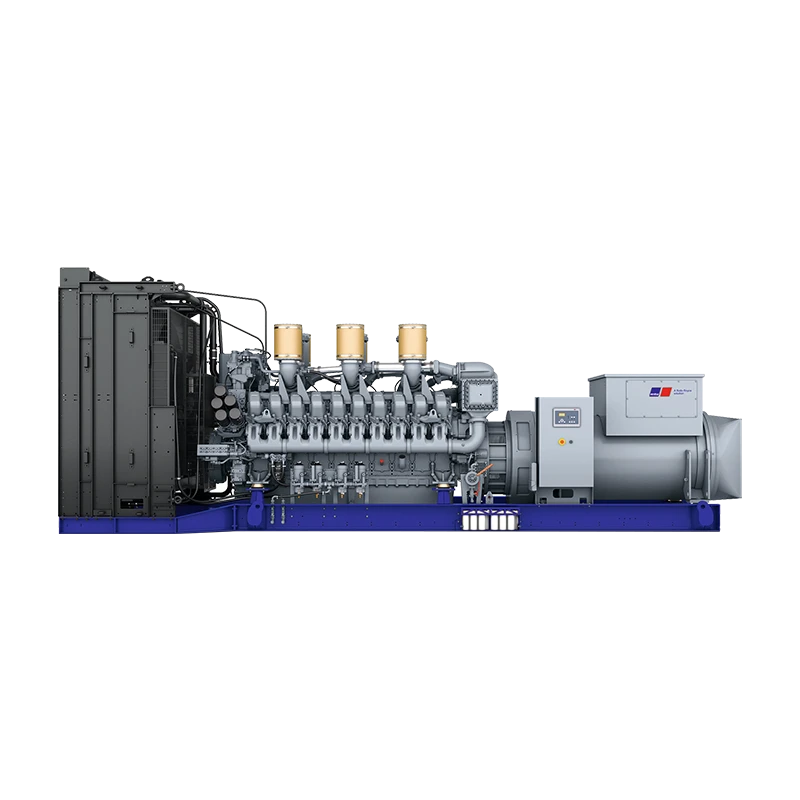
Tide Power builds with Lister Petter, Perkins, Cummins, DCEC, DEUTZ, Baudouin, SME, Doosan, Iveco, Yanmar, Kubota, and MTU engines, plus MWM and Lister Petter gas platforms, depending on the series and application. That engine access lets us match fuel type, altitude derating, local fuel quality, and maintenance capacity to the project instead of forcing one engine family onto every order. The practical test is simple: ask the manufacturer which engine platforms they can source and ask for recent reference projects using the exact platform proposed for your site.
Quality Systems Separate Industrial Generator Manufacturers From the Pack
Production capability tells you more than a colorful catalog. I look for continuous assembly lines, load bank testing capacity, enclosure fabrication, and component traceability. A manufacturer that only assembles third party kits cannot isolate faults or control tolerances the way an integrated facility can. The most useful sourcing question is which tests are performed before shipment: winding resistance, insulation resistance, load step response, and full load run time. If a supplier cannot show records for those tests, that is a direct signal.
What a Factory Audit Should Confirm
An audit should confirm the testing sequence, not just the building size. Walk the line and look for serial number traceability from engine and alternator to final test sheet. Check whether the factory can simulate the voltage, frequency, and ambient conditions that match your site. A containerized generator for a desert mine needs a different test discussion than a hospital standby unit in a temperate city. If the manufacturer asks about dust filtration, altitude, and fuel temperature, you are talking to the right team.
Why Certification Documents Are Not a Guarantee
CE marking and ISO certificates confirm baseline compliance, but they do not prove consistent manufacturing quality. I have seen buyers treat a scanned certificate as the end of the audit. It is not. The certificate should be tied to the product family, with a clear year, scope, and test standard. Ask for documentation for the exact series you are purchasing, not a generic factory ISO 9001 page. The manufacturer’s willingness to share that documentation is itself a screening result. Tide Power builds its generator lines to CE and ISO compliant standards, and product data sheets carry that compliance by series.
Power Range and Configuration Tell You If a Manufacturer Fits
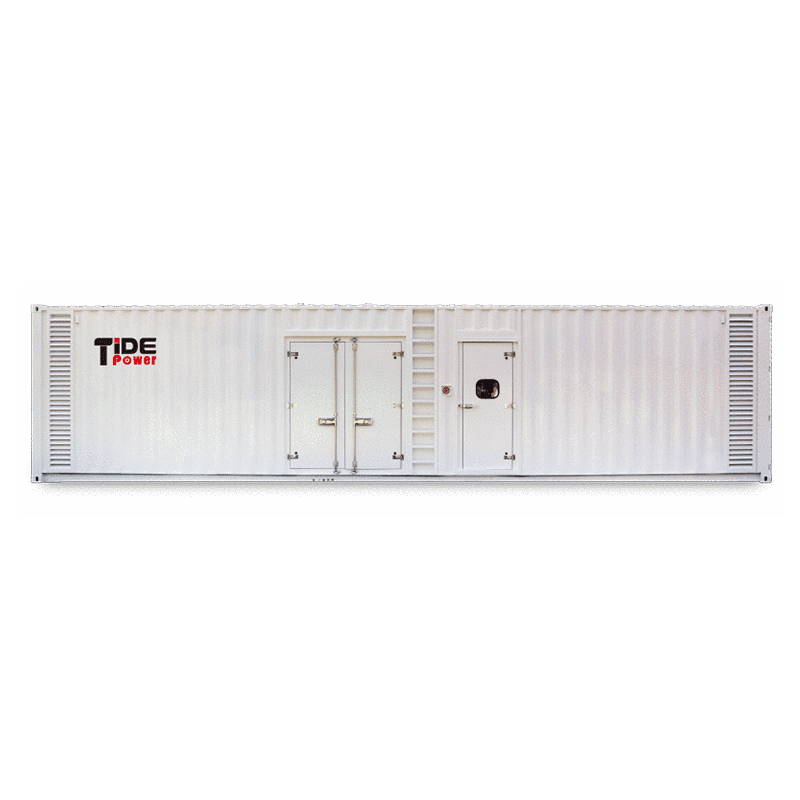
Power range alone is not enough. Two manufacturers may both quote 500 kVA and still design different machines: one enclosed for urban noise limits, one open for a generator room, one at 50 Hz, another at 60 Hz. Buyers should compare rated power, frequency, engine option, enclosure type, and control system at the same time.
| Series | Power range | Engine source | Typical use |
|---|---|---|---|
| Econic | 16 kVA to 1650 kVA | Cummins, Perkins, DEUTZ, Baudouin | Construction, telecom, factories, temporary power |
| Hemera | 5 kVA to 650 kVA | DCEC, Perkins, SME | Hospitals, data centers, commercial buildings, precision manufacturing |
| Fenova Plus | 5 kVA to 900 kVA | Lister Petter | Telecom, agriculture, marine auxiliary, overseas projects |
| I Series CKD | 5 kVA to 650 kVA | Fully customizable engines, alternators, accessories | Workshops, construction, rental, overseas projects |
| MWM Gas Generator Set | 600 kVA to 4500 kVA | MWM | Wastewater, landfill, industry, renewable energy |
The table shows how one manufacturer can cover different application paths. The next comparison is configuration depth. Ask for the control system, fuel tank size, sound attenuation level, container format, synchronizing capability, and optional remote monitoring. If the supplier answers with a datasheet rather than a conversation, treat that as a red flag.
If your project involves environmental permits, space constraints, or nonstandard voltage and frequency, confirm the exact configuration before finalizing your BOM. Send your site conditions and required power rating to [email protected].
After-sales service should be part of the same evaluation. A manufacturer may offer a wide power range but limited spare parts inventory in your region. Compare response time, local dealer networks, remote monitoring options, and how the manufacturer handles commissioning, not just what the datasheet says. A lower purchase price loses its value quickly if a generator sits idle waiting for a control module to arrive.
A Structured Inquiry Turns a Manufacturer Shortlist Into a Decision
Many procurement teams stall because the shortlist looks equal on paper. The real difference appears when you send the same detailed requirements to each manufacturer and compare the quality of the response. A capable supplier will come back with questions, not just a price. If a manufacturer only answers with a discount, that is a position, not a recommendation.
Since 2006, Tide Power has delivered energy solutions across global markets, and our team regularly works with buyers to move from general requirement lists to a clear configuration: engine platform, enclosure, control wiring, shipping format, and compliance documents. Send your part number, power requirement, site conditions, and quantity to [email protected] or call +86 591 2806 8999. We will confirm configuration, availability, and documentation before you finalize.
Buyers Ask Similar Questions About Industrial Generator Manufacturers
Does a larger manufacturer always mean better quality?
A larger production base does not automatically translate to a better generator set. Scale contributes to repeatable processes and spare parts, but application focus and factory testing matter more for complex orders. I have evaluated suppliers with large facilities that struggled on customized voltage, frequency, or control requirements because their lines were optimized for one standard configuration. The better screen is whether the manufacturer can show a documented test record and reference projects close to your site conditions. If the product and process fit your application, a focused manufacturer can outperform a larger generalist.
What should I check when comparing engine brands?
Start with local service access and fuel compatibility, not brand reputation alone. A premium engine loses value if your site cannot get licensed technicians, filters, and control modules quickly. Confirm whether the engine family has a stable supply agreement through the generator manufacturer, and ask for the exact emission certification for your country. Then compare derating behavior at your altitude and ambient temperature. In our consulting work, differences in local parts networks change total cost more than the engine badge on the canopy.
Can a manufacturer customize a generator set for a specific project?
It depends on the manufacturer’s production model. Some suppliers only ship standard configurations, while others offer CKD kits, custom enclosures, containerized layouts, parallel operation, and optional control integration. Ask at quotation stage, not after the order. For remote or island projects, customization often includes fuel storage, intake filtration for sand, and derating adjustments. A manufacturer that understands the full site profile will usually propose a specific configuration rather than a generic model.
How do I verify a manufacturer’s claimed project experience?
In our global energy sales work, we ask for verifiable project details instead of general marketing claims. A useful reference includes the site type, power rating, engine platform, year of delivery, operating hours, and the contact channel for the buyer or contractor. If a manufacturer cannot share this because of confidentiality, ask for a summary of similar projects with enough technical detail to compare. Then follow up with one or two direct questions about commissioning or after-sales response. Documented installation history is one of the strongest signals of future delivery performance. Send your site details to [email protected] and we will confirm the correct configuration and relevant project references before you commit.
If you’re interested, check out these related articles:
Tide Power to Showcase Advanced Energy Solutions at Nigeria Energy 2025 in Lagos
Case Study: Scalable Generator Systems for Every Urban Power Challenge