 EN
EN ZH
ZH FR
FR ES
ES AR
ARBESS microgrid integration pricing is usually read as a battery cost problem, but the more useful way to read it is as an engineering scope problem. A quote that stops at dollars per kilowatt hour hides the control, protection, and grid interface decisions that determine whether the system performs and what it costs to run. I work across international energy solution projects, and I see the same pattern: buyers compare cell prices while the real commercial spread sits in integration. This article walks through the pricing layers that actually move the number and the questions to ask before choosing a supplier.
What Really Drives BESS Microgrid Integration Pricing
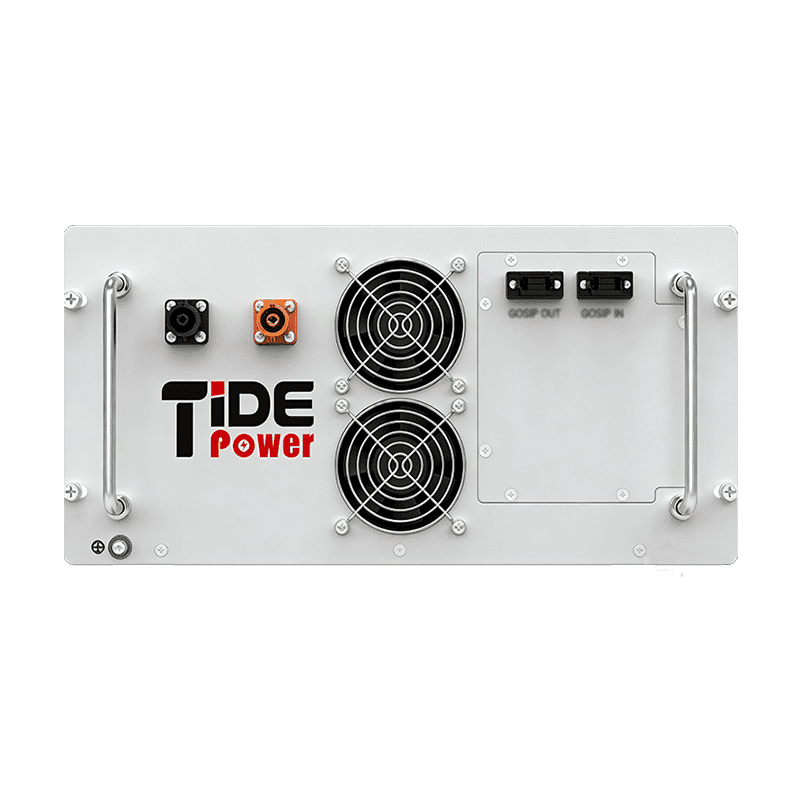
Two pricing layers matter more than the headline battery price. The first is the battery block itself: LFP packs, modules, thermal management, and the enclosure. The second is the integration layer that makes the storage useful inside a microgrid: power conversion, isolation, earthing, protection, metering, communications, and the energy management system. A buyer who compares only the first layer is not comparing BESS microgrid integration pricing at all.
Integration pricing moves with operating mode. If the microgrid is grid parallel only, the control package may be comparatively simple. If the battery must island, restart a dead bus, ride through frequency changes, or coordinate with PV and diesel units, the engineering scope expands. That expansion is real work, not supplier markup. Two systems with the same rated kilowatt hours can have very different fault contribution, synchronisation, and black start obligations.
From a marketing and communications perspective, I try to get clients to name the operating scenario before they ask for a discounted number. The same BESS can be configured as a passive grid follower or as the microgrid’s voltage reference. Those two roles are priced differently, and the cheaper role is not the safer one if the site loses utility supply unexpectedly. The more precise the scenario, the less room there is for assumptions to hide in the price.
Why One BESS Microgrid Integration Quote Never Tells You the Full Price
The first thing I look for in a BESS microgrid integration quote is not the total. It is what the supplier excluded. A narrow quote covers the container, the battery, and the PCS. A complete quote adds switchgear, cabling, civil work, control integration, testing, and commissioning. Because each supplier draws the scope boundary differently, the same project can generate quotes that differ by far more than the battery cost.
| Cost Layer | What It Includes | Why It Changes Quotation |
|---|---|---|
| Battery block | LFP packs, modules, BESS enclosure | Capacity, redundancy, cooling |
| Power conversion | PCS, transformer, switchgear | Grid voltage, fault level, island mode |
| Control and EMS | Microgrid controller, metering, dispatch logic | Utility approval, load priority |
| Integration services | Cable, protection, testing, commissioning | Site conditions and local code |
| Freight and logistics | Packaging, transport, customs, site access | Port, road limits, site readiness |
The most expensive missing line is usually protection. A microgrid that can operate in island mode changes the site’s fault behavior. The BESS inverter must clear faults, coordinate with any existing generator protection, and decide when it is safe to reconnect to the utility. If the buyer never states whether islanding is required, suppliers make different assumptions. The one that assumes more risk may look expensive, while the one that assumes none may create a variation order later.
To make quotes comparable, write down six facts: nominal voltage, connection point, installed generation, autonomy hours, islanding requirement, and the grid code that applies. Send the same brief to every supplier. The numbers will still not be identical, but the differences will sit in engineering choices, not in missing scope.
How Integration Complexity Changes BESS Microgrid Pricing at Every Site
Site conditions push BESS microgrid pricing more than most buyers expect. A rural off grid site with a simple radial feeder is very different from a hospital campus that meters under a utility tariff and must switch between grid and island operation without interruption. The first site needs storage and a basic controller. The second needs synchronisation, fast load shedding, approved protection settings, and careful earthing. Both projects may quote the same battery, but their integration costs will not resemble each other.
Legacy generation is the most common source of under priced integration. When an existing PV plant or diesel fleet has older controllers, the new BESS must communicate with equipment that was never designed for rapid storage dispatch. The microgrid controller often becomes a translator as much as an operator. That translator work appears in engineering hours, commissioning days, and standby support during the first grid outage. None of those items show up in a standard storage price list.
Buyers should also check whether the quote includes a site acceptance test under real microgrid conditions. Testing a BESS in charging mode is not the same as verifying island transfer, black start, and load pickup. If the supplier only commissions the battery in grid parallel mode, the integration work is not finished. The price difference between an installed battery and a functioning microgrid asset sits exactly in that test.
Which Technology Choices Lower Lifetime BESS Microgrid Integration Pricing
Technology choices shape pricing twice: once at purchase and once across the service life. LFP battery chemistry is a common choice for industrial microgrids because it cycles well and requires less maintenance than some alternatives. But the larger commercial decision is whether the BESS arrives as separate components or as a pre-integrated solar, storage, and diesel package. Separate components may look cheaper on the bill of materials. The site integration labor then belongs to the buyer.
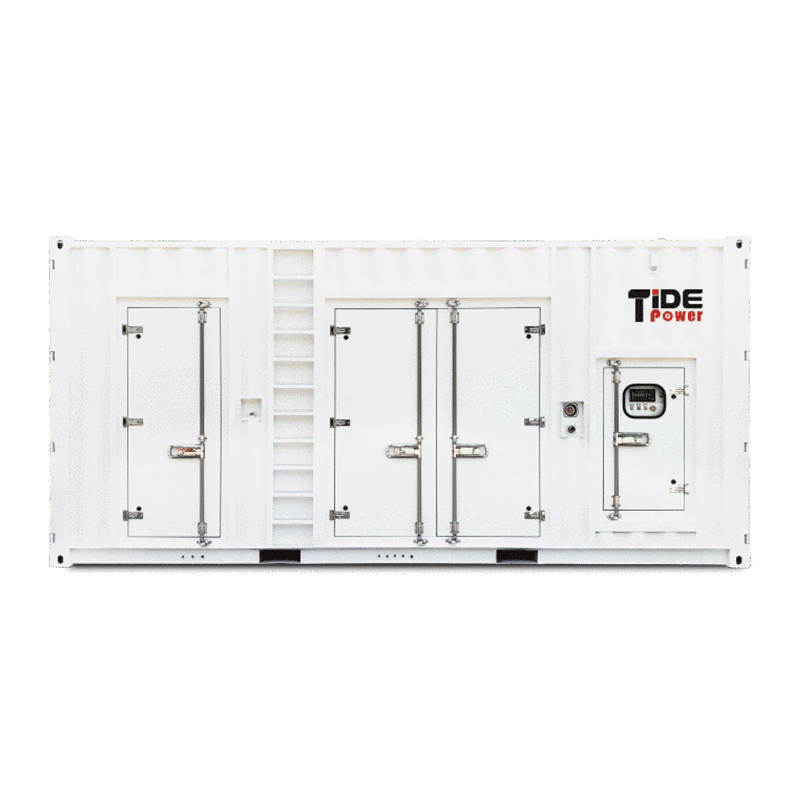
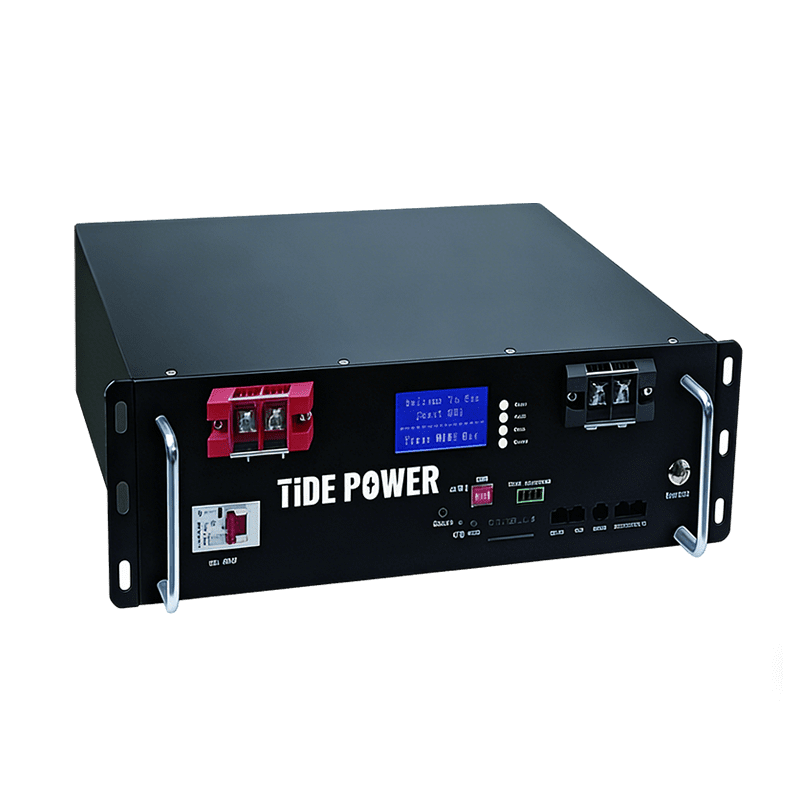
Tide Power’s hybrid power system is a useful reference for this decision. It combines solar, battery storage, and diesel generation in a single scope, with power units from 10 kVA to 250 kVA, 5.12 kWh LFP battery packs, 16.1 kWh LFP battery modules, and TP-50BESS through TP-261BESS storage options. Because the supplier must align the PV, storage, and genset controls before shipment, the interface risk shifts away from the project owner. That shift should be visible in the quote, not hidden as a future site cost.
When purchasers ask me how to reduce lifetime BESS microgrid integration pricing, I usually start with the operating profile rather than the battery price. A storage system sized around a realistic load curve and a defined outage duration avoids overbuilt capacity that never cycles. It also avoids the more expensive issue: buying a system that cannot carry the intended load during island operation. The right technology choice is the one that matches the microgrid role, and that match is a pricing decision as much as a technical one.
If your microgrid includes island operation, low fault current, or a mix of older PV and diesel assets, confirm the control and protection scope before finalizing the BOM. Share your single-line diagram and dispatch scenario at [email protected] and we will confirm which pricing assumptions apply to your site.
What to Send a Supplier to Get an Honest BESS Microgrid Integration Price
Most vague BESS microgrid pricing requests produce vague numbers. The supplier who asks fewer questions usually assumes more, and the assumptions land in the price. When you contact Tide Power, prepare five data points: nominal voltage, installed generation, autonomy hours, islanding requirement, and the applicable grid standard. Send those with your project timeline to [email protected] or call +86 591 2806 8999, and we will return a quotation scoped for the integration work, not just the battery block.
What Procurement Teams Ask Before Confirming BESS Microgrid Integration Pricing
Does a lower price per kilowatt hour always mean a better BESS microgrid investment?
No. A low price per kilowatt hour is meaningful only when the integration boundary is identical. The battery pack may cost less because the quote assumes no islanding, no utility protection study, or no automatic changeover coordination with existing generation. Those items reappear as project variations after the order. The better comparison is total installed cost divided by usable discharging energy over the contract lifetime, with the same grid operating rules applied. If the supplier cannot define the integration boundary, the price difference is not yet a saving. Ask for the scope list behind the figure.
Why can two BESS microgrid integration quotes for the same capacity differ by a wide margin?
The usual assumption is that one supplier is simply more expensive, but the difference usually sits in scope. One quote may include grid code testing, black start coordination, communications cabling, and a protection study. Another may stop at delivery of the BESS and a basic inverter. When the local utility requires proof of transient performance, the cheaper quote absorbs the difference later. Request a line item scope list and compare the engineering tasks, not just the total. A higher price with defined commissioning is often the lower risk route.
When does it make sense to purchase modular BESS components instead of a fully integrated microgrid package?
It depends on who will complete the system integration on site. If you have an in-house electrical team or a contractor already responsible for the microgrid controller, modular LFP packs can reduce upfront procurement cost and leave integration to your team. If the project must reach a commercial operation date quickly, a pre-integrated solar, BESS, and diesel hybrid package removes the interface risk. The lower component price is not the lower project price when your team must absorb control and protection work. Confirm the internal integration responsibility before choosing.
How should I write a pricing request to avoid long clarification loops?
In project discussions I have handled, the requests that move fastest are short and specific. They state nominal voltage, installed generation, autonomy hours, islanding requirement, and the applicable grid standard in the first message. That lets a supplier choose the correct PCS size and control scope without sending the same clarification list back and forth. It also makes the first commercial quotation comparable. If you are still setting the project boundary, share what you have and note the assumptions clearly. A good supplier will ask the remaining questions in one pass. Share your single-line diagram and dispatch scenario with [email protected], and the team will confirm which configuration fits your budget.
If you’re interested, check out these related articles:
Shines in Dallas! Tide Power Debuts New products at PowerGen International 2025
Tide Power 2025 Global Journey: First Half Triumph