 EN
EN ZH
ZH FR
FR ES
ES AR
ARIn the global telecom industry, a single unplanned outage at a tower site can cost thousands of dollars and erode subscriber trust. When grid power fails, the difference between continued operation and complete downtime is the power system behind the antenna. Telecom power reliability is not simply a technical specification; it is the operational foundation that supports voice, data, and emergency communications across every continent. Over more than a decade of working with generator sets, hybrid energy systems, and energy storage for international telecom projects, I have learned that reliable power demands more than redundant equipment: it requires site-specific architecture, proper sizing, and a maintenance plan that accounts for local logistics and environmental stresses.
The Real Cost of Power Failure at Telecom Sites
Network uptime defines a telecom operator’s brand value. When a base station loses power, the immediate impact is measured in dropped calls and interrupted data sessions; the lasting damage shows up in subscriber churn and regulatory penalties. Power-related problems consistently rank as the top cause of site-level network outages. In rural and remote areas, where grid supply is often unreliable or entirely absent, the power system becomes the single largest determinant of network availability. For procurement managers and field engineers, the right energy architecture shifts power from a risk factor to a controlled variable. Without it, SLAs become impossible to meet, and maintenance costs spiral as field teams chase emergency repairs instead of performing scheduled service.
Core Technologies for Reliable Telecom Power Systems
A dependable telecom power setup typically combines several building blocks, each contributing a specific capability.
| Technology | Typical Application | Key Benefit | Tide Power Example |
|---|---|---|---|
| Silent Diesel Generator | Primary or backup power for base stations | Low noise, high reliability, easy installation | Econic Series (16–1650 kVA) |
| Battery Energy Storage | Short-term bridging and load shifting | Instant response, no fuel logistics | TP-100BESS (100 kWh LFP) |
| Hybrid Solar-Diesel System | Off-grid and remote sites, reducing diesel consumption | Fuel savings, renewable integration | TP-25P Hybrid Power Unit |
| Containerized Generator | Outdoor installations, transportable needs | Weatherproof, secure, rapid deployment | Customised Container Diesel Generator Set |
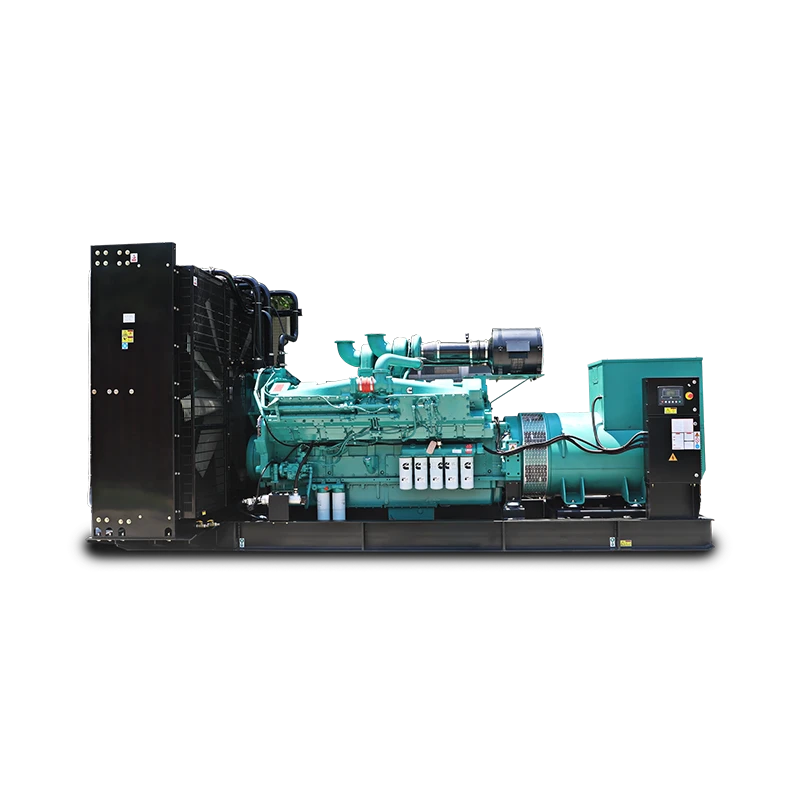
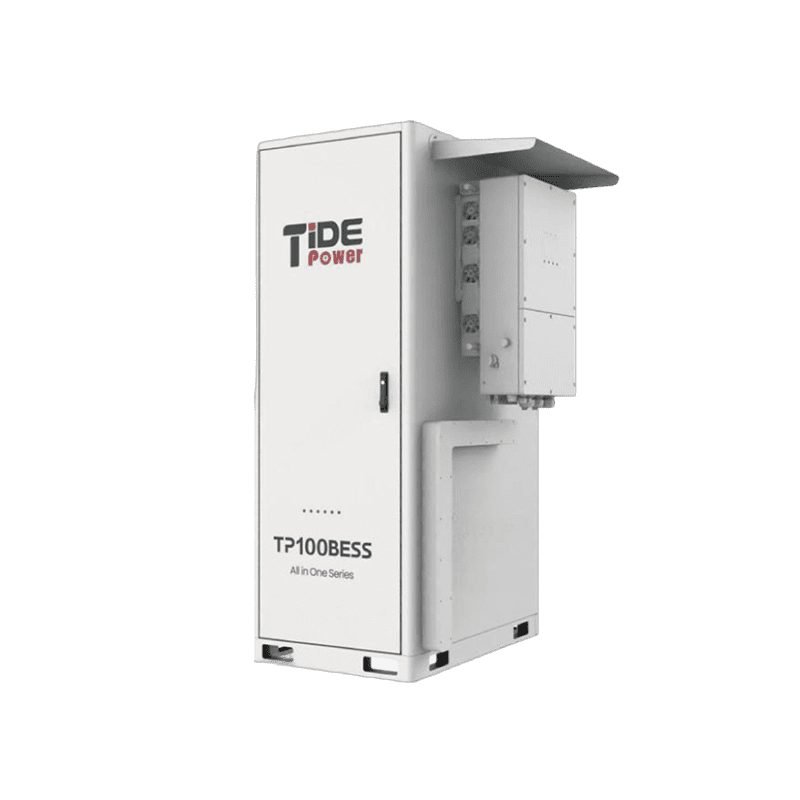
Diesel generators remain the backbone of telecom backup power because they deliver consistent output across long durations and accept a wide range of fuel qualities. Generator sets built for telecom use, like Tide Power’s Econic Series, combine engine options from Cummins, Perkins, and DEUTZ with acoustic enclosures that keep noise within urban limits. Battery storage fills the gap between grid failure and generator startup, and in solar-hybrid architectures, it supports load shifting to reduce diesel runtime. The TP-100BESS lithium iron phosphate battery system, for example, delivers 100 kWh of capacity in a modular form factor that scales with site load growth. A hybrid power unit such as the TP-25P integrates solar input with battery storage and a small diesel generator, cutting fuel consumption by 40 percent or more at well-matched sites.
Overcoming Deployment Challenges in Global Telecom Projects
Implementing reliable power across multiple countries introduces variables that a desk-based plan rarely captures. Fuel logistics, altitude derating, corrosive atmospheres, and the availability of trained technicians all differ by region, and each difference has a direct effect on generator service life.
In one deployment across a high-altitude region in Central Asia, I saw firsthand how a generator rated for sea level failed within months due to inadequate derating. The site sat at 2,500 meters, and the naturally aspirated engine lost nearly 25 percent of its power output, forcing the fuel system to overcompensate and causing excessive soot buildup. That experience underscored why OEMs like Tide Power provide detailed derating charts and offer turbocharged options for such conditions. At coastal sites in West Africa, on the other hand, the challenge is salt corrosion: standard canopy fasteners rust within two rainy seasons unless the enclosure is built with stainless steel hardware and proper IP protection.
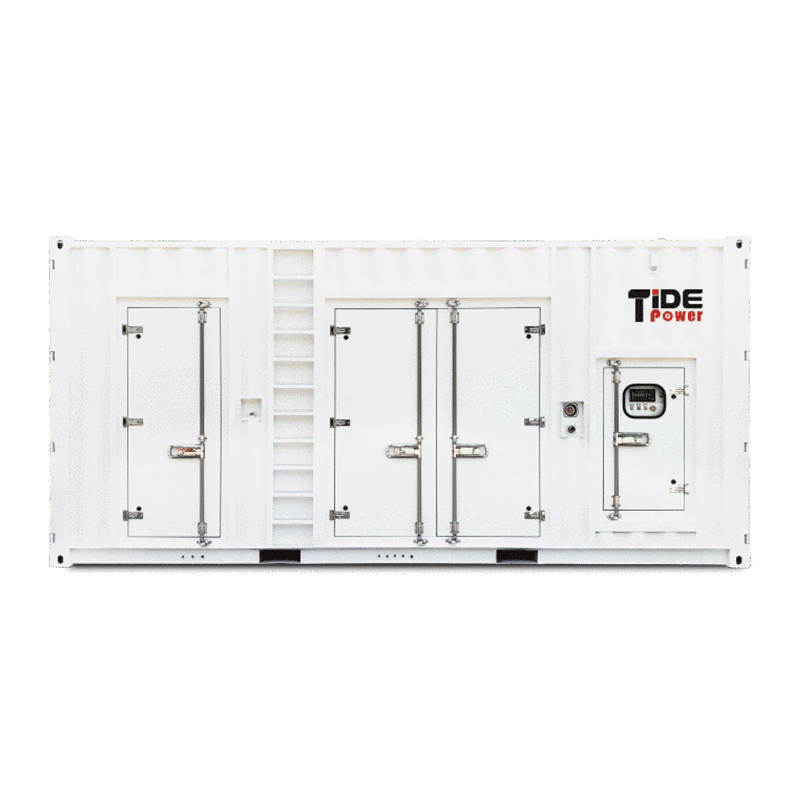
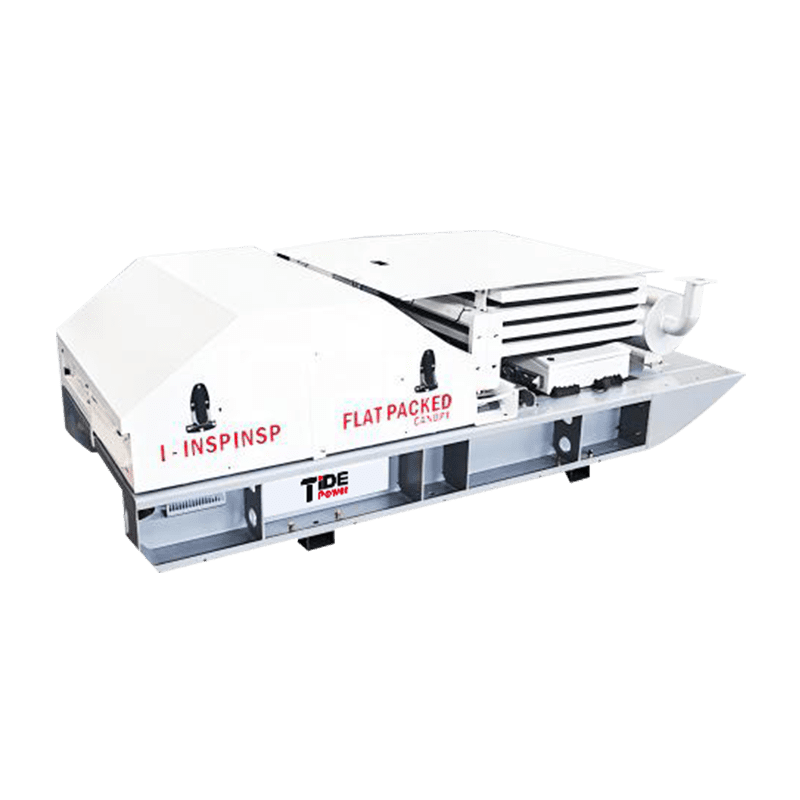
Customised containerized solutions address many of these deployment realities by pre-integrating the generator, fuel tank, and control panel inside a weatherproof, transportable enclosure. The I Series CKD platform from Tide Power allows project-specific configuration of engine, alternator, and accessories, then ships as a knocked-down kit for local assembly, which reduces import duties and speeds up deployment where logistics infrastructure is thin.
For telecom sites in challenging environments such as high altitude, extreme temperatures, or remote locations, standard generator configurations often fall short of reliability targets. Before finalizing your BOM, confirm derating requirements and enclosure specifications with our engineering team at [email protected].
Selecting Telecom Power Solutions for Your Site
Choosing the right power architecture starts with an accurate load calculation. Every base station has a known maximum demand, but future expansion plans, seasonal load variation, and the inrush current of air-conditioning units must be added to arrive at a reliable sizing target. A common error is sizing the generator exactly to the steady-state load and then discovering that the voltage dip during compressor startup triggers a site restart.
Redundancy requirements also affect generator selection. Many operators specify N+1 configurations for critical hub sites or for towers that serve as emergency communication nodes, while remote pico-cell sites may operate with a single generator and a generous battery buffer. Noise regulations in urban deployments push the choice toward silent diesel generator sets: the Fenova Plus Series, powered by Lister Petter engines and housed in a soundproof canopy, offers output from 5 kVA to 900 kVA with a low acoustic footprint, enabling installation even in residential neighborhoods.
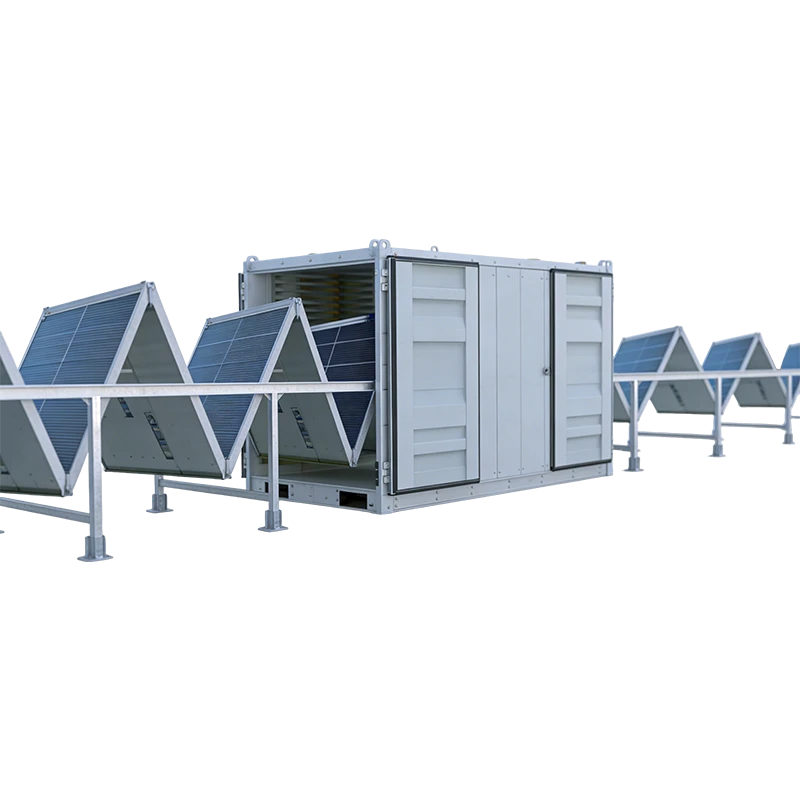
Hybrid systems add solar and storage to the architecture, and the business case improves as fuel delivery distances increase. A TP-125P hybrid power unit with integrated battery and solar input can maintain a telecom load for extended periods without diesel run-time during sunny days, reducing not only fuel cost but also the number of tanker deliveries to insecure or hard-to-reach sites.
Long-Term Reliability Through Maintenance and Monitoring
Even the best-designed power system will degrade without a structured maintenance program. I have visited telecom sites where operators treated generator maintenance as a reactive task, only calling for service when the unit failed to start. Unsurprisingly, those sites experienced significantly more downtime than sites with scheduled inspections and remote monitoring. A coolant leak that goes undetected for two weeks at a remote mountain site can turn into an engine seizure; on a monitored site, the same leak triggers an alert before the coolant level drops below minimum.
Tide Power generators are designed with maintenance accessibility in mind: large access doors on the Econic Series, external fuel filling inlets, and vertical ventilation systems that simplify filter changes. Pairing the hardware with a service contract and remote telemetry delivers the kind of predictability that network operations centers demand. When a generator’s next service is known and parts are prepositioned at regional warehouses, site reliability shifts from reactive guesswork to a managed operational metric.
Building telecom power reliability across diverse geographies demands more than a product catalog. It requires a partner who understands site-level constraints and can deliver engineered solutions with the global reach to support ongoing operations. Tide Power Technology provides a full portfolio of diesel generators, energy storage systems, and hybrid power platforms backed by customization capability and service experience across multiple continents. For a project-specific proposal and technical consultation, email your site requirements and load profile to [email protected] or call +86 591 2806 8999.
Questions About Telecom Power Reliability
Why cannot telecom base stations rely solely on grid power?
Grid power in many regions where networks are expanding — across parts of Africa, South Asia, and Latin America — is inconsistent, with daily outages lasting several hours or more. Even in stable grids, seasonal storms and infrastructure upgrades cause interruptions that no telecom operator can accept for revenue-generating sites. Reliable backup power is not a luxury; it is a necessity to maintain the service availability figures that regulators and subscribers expect.
How does battery storage improve telecom network reliability?
Battery storage provides instantaneous power to keep the site running during the seconds between a grid failure and a generator start. It also smooths out short-duration grid disturbances that would otherwise trigger unnecessary generator runs, saving fuel and reducing wear. In hybrid systems, battery storage enables solar energy to be stored and dispatched overnight, reducing the generator duty cycle and extending engine life.
What factors determine the right size for a backup generator?
Generator sizing depends on site load, altitude, ambient temperature, and the required redundancy level. A site at sea level with a 12 kVA continuous load may be well served by a 16 kVA generator, while the same site at 2,000 meters could require a 22 kVA unit after applying derating factors. Future load growth should also be included, particularly if the tower is planned to host additional carriers or upgrade to higher data throughput hardware.
How do hybrid power systems reduce fuel costs for remote telecom sites?
In remote deployments I have supported, the most powerful cost driver is not the generator purchase price but the expense of delivering fuel to the site. A hybrid system combining solar, batteries, and a smaller diesel generator reduces the number of fuel runs needed each year. At one site we analyzed, adding a solar array and battery storage cut fuel consumption by roughly half, and the payback on the added equipment occurred in under three years — after which the savings went straight to the operating margin.
Does a containerized generator provide better reliability for outdoor telecom installations?
Many assume that any outdoor enclosure is sufficient, but a purpose-built containerized generator integrates the engine, alternator, fuel tank, cooling, and controls inside a weatherproof steel housing with proper ventilation and security. This reduces installation errors and protects the equipment from theft, wildlife, and extreme weather far better than a canopy-only approach. If you are evaluating generator enclosures for coastal or high-humidity telecom sites, we can provide a comparison of corrosion-resistant options tailored to your network expansion plan; contact [email protected] to discuss your site conditions.
If you’re interested, check out these related articles:
Tide Power BESS: The Future of Intelligent Energy Storage
Senior executives from Perkins visit Tide Power
Tide Power’s 2025 Annual Review and 2026 Work Plan Conference was successfully held
Tide Power invites you to the PhilEnergy 2025