 EN
EN ZH
ZH FR
FR ES
ES AR
ARThe Chinese vs Japanese mini excavator brands comparison usually turns on parts support and supplier transparency, not the sticker price alone. Most buyers start with upfront cost, then the real decision shows up after the first hose failure or attachment mismatch. This sourcing guide focuses on what global procurement teams actually need to check: build documentation, hydraulic margins, parts response times, and the total cost of owning a compact excavator across multiple regions. For most international buyers, the better choice is the brand with the clearest support path for the operating region, not the deepest legacy reputation.
What Actually Separates Chinese vs Japanese Mini Excavator Brands?
The most important difference is not where the steel is welded. It is how the supplier handles documentation, parts distribution, and technical support after the unit leaves the factory. Established Japanese brands have spent decades building dealer training programs, standard service manuals, and regional parts stock. Many Chinese brands sell closer to the factory door, which gives buyers direct configuration access and sharper initial pricing, but also puts more responsibility on the importer to verify support in the destination market.
In the export sourcing documents I review, the Chinese suppliers that earn repeat orders are usually the ones that attach hydraulic schematics, engine datasheets, and a full parts catalog without being asked. The gap between a weak Chinese supplier and a strong one is wider than the gap between an average Chinese brand and an average Japanese brand. That makes supplier selection more important than country-of-origin shorthand.
For a buyer comparing quotes, the practical question is which brand can answer a parts request overnight in the region where the machine will actually work, not which brand has the oldest name in the industry.
How Do Purchase Price and Operating Costs Compare for Chinese vs Japanese Mini Excavator Brands?
Upfront price is the most visible difference. Japanese mini excavator brands typically carry a higher purchase price, partly because the machine is imported through a dealer network with warranty reserves and local stock. Chinese brands often quote lower initial prices, especially when the factory can adjust the specification to the buyer’s attachment package.
The table below separates purchase price from the operating costs that show up after commissioning.
| Factor | Chinese mini excavator brands | Japanese mini excavator brands |
|---|---|---|
| Upfront price | Usually lower, with spec flexibility | Usually higher, with more standardized builds |
| Parts pricing | Competitive at source, but freight can add cost | Higher list price, better local availability in many markets |
| Resale value | Improving, with strong regional variation | More consistent in markets with mature dealer networks |
| Warranty and documentation | Depends on the exporter; verify before payment | Usually standardized and easier to audit |
| Lead time | Flexible factory scheduling plus container transit | Dealer stock or longer allocation timelines |
| Service support | Direct factory communication, growing partner networks | Established training and service programs |
Operating cost differences are not automatic. Fuel burn, oil change intervals, and filter costs depend on the engine package chosen, not the brand badge. What usually separates the two paths is the cost of downtime. If a control valve or drive motor fails, the brand with regional parts stock gets the machine back to work faster. That is why operating cost should be modeled on parts response time and local labor familiarity, not only on the purchase invoice.
If your fleet runs mixed attachments or works at altitudes above 1,500 meters, confirm auxiliary hydraulic flow and cooling margin before you commit. Send your workload profile and target region to [email protected], and we will check the configuration points that brochure comparisons often miss.
Which Build Quality and Component Choices Matter on a Construction Site?
Build quality on a mini excavator is less about paint thickness and more about the components hidden under the floorplate. The engine, hydraulic pump, drive motors, and valve block determine how the machine performs after 1,000 hours, and they are the first items to request in any quote comparison.
When I look at a compact equipment specification, I go straight to auxiliary hydraulic flow, bucket breakout force, and the undercarriage design. Suppliers that publish these figures tend to be easier to audit. Suppliers that avoid them tend to be avoiding something else.
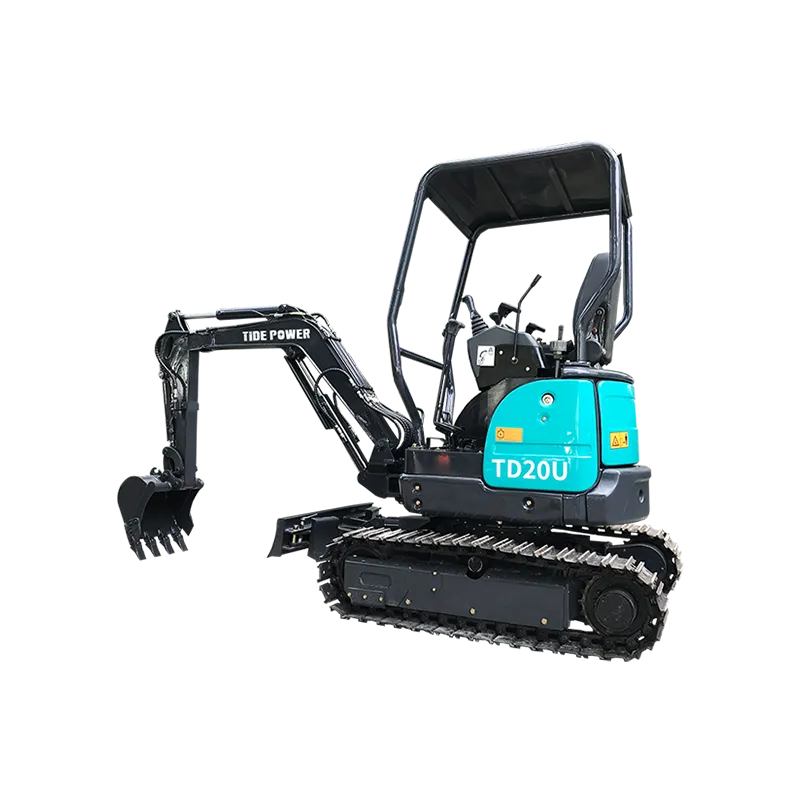
Tide Power’s mini excavator range runs from TD10 through TD40U and includes an electric T10E option. The model spread gives buyers a way to compare machine class without switching supply chains.
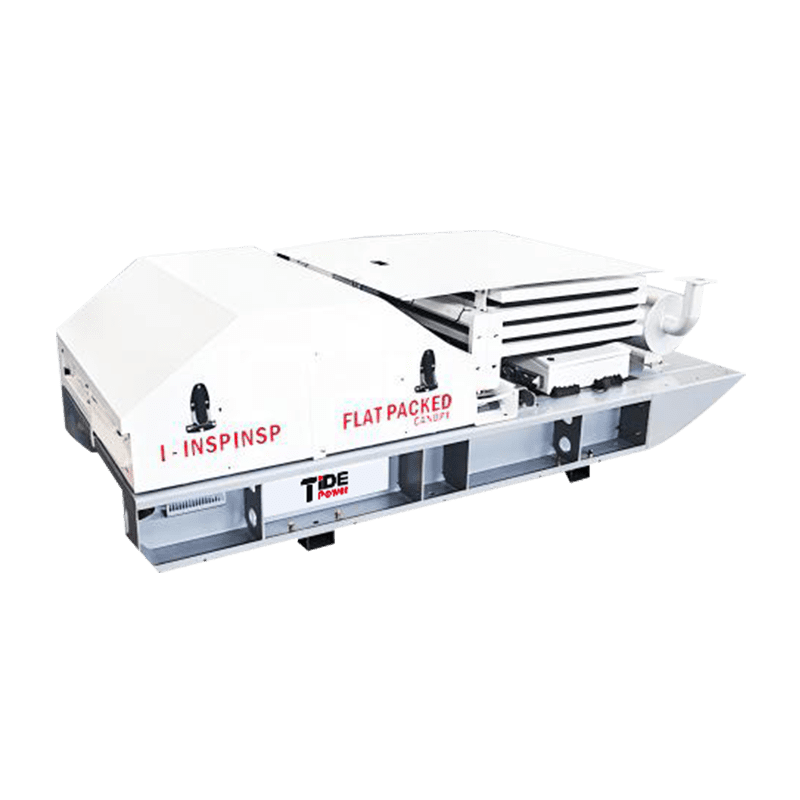
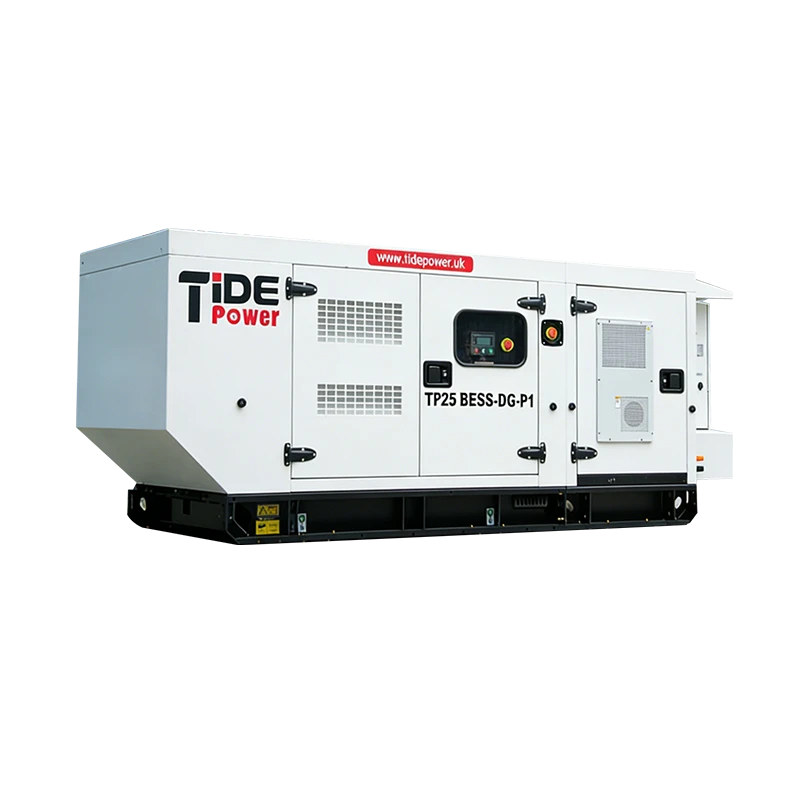
For electric models, site power becomes part of the machine decision. A hybrid power station can charge the unit without running a diesel generator at full capacity all day, which changes the operating case for indoor or noise-sensitive jobs.
On any construction site, ground conditions should drive the undercarriage and attachment choices more than brand preference. If the machine will work around water, the dewatering pump used on the same project is another equipment decision that should be sized at the same time.
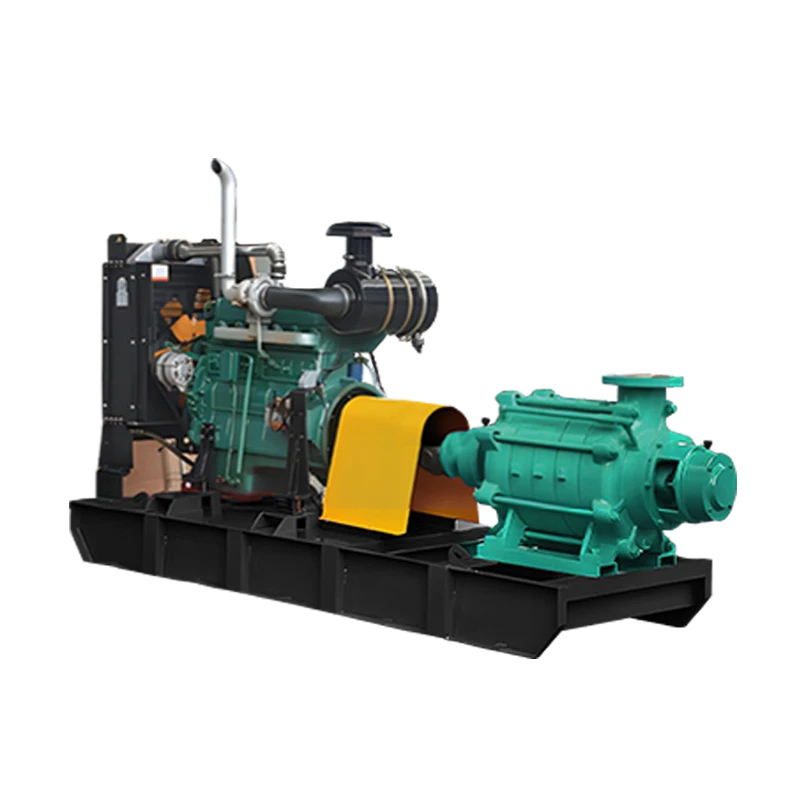
None of these checks favor one country automatically. They favor the supplier that can document the component package and respond to a specific site requirement.
How Do Parts Availability and After-Sales Support Compare by Brand Origin?
Parts availability is where Chinese vs Japanese mini excavator brands can frustrate a buyer more than the initial purchase decision. Japanese mini excavator brands usually enter a market with a dealer that holds common filters, hoses, and some major components in country. That reduces downtime but raises the cost of the machine and parts. Chinese brands often rely on factory-direct parts shipping, which can be cheaper at the component level but slower if the buyer has not planned a spare parts order with the machine.
For export markets, the difference comes down to geography and importer discipline. A strong importer can make a Chinese brand feel local by stocking the first two years of filters, undercarriage parts, and hydraulic hoses. A weak dealer can make a Japanese brand feel distant even if the brochure shows a large regional network.
I ask for a recommended spare parts list before comparing quotes. If the supplier cannot produce one, I treat the after-sales claim as unproven. The same applies to service bulletins, parts manuals, and warranty claim procedures. A brand that standardizes these documents is easier to service after the sale, regardless of where the machine was built.
Ready to Compare Chinese and Japanese Mini Excavator Models for Your Specific Site?
Brand comparisons become exhausting when every quote is formatted differently, and a wrong assumption about auxiliary flow or parts lead time can stall a project for weeks. Instead of working through brochures alone, build a short tender document with your digging depth, bucket capacity, attachment list, and preferred delivery region.
Send those details to [email protected] or call +86 591 2806 8999, and we will check the Chinese and Japanese brand options against your actual site requirements, including lead time and parts coverage for the country where the machine will work. That single step is faster than asking six dealers the same question in six different formats.
What Do Buyers Ask About Chinese and Japanese Mini Excavator Brands?
Is a Chinese mini excavator reliable enough for daily rental work?
Yes, but reliability depends more on the component package and the importer’s parts commitment than on the country label. A Chinese machine with a proven engine, a well-known hydraulic pump, and a stocked parts list can handle daily rental duty. A stripped-down model with no local parts support cannot. The durable answer is to ask for the recommended spare parts list, the engine datasheet, and the first-year service schedule before you compare anything else.
Are Japanese mini excavators worth the higher purchase price?
Many buyers assume Japanese mini excavators are automatically worth the higher price, but the answer depends on the operating region. In a market with strong dealer coverage, the premium buys faster parts access, better service documentation, and stronger resale value. In a market where parts must be air freighted anyway, the price gap narrows and the factory-direct option becomes more competitive. Compare the delivered cost plus the first two years of filters, hoses, and scheduled service before deciding whether the premium makes sense.
Which brands offer easier parts support in remote or export markets?
It depends on whether the brand has an active distributor in the destination country. A Japanese brand with a thin regional network can feel distant, while a Chinese brand can work well if the importer stocks a proper parts package. For remote sites, factory-direct parts shipping can work, but it requires a planned parts list rather than reactive ordering. Ask each supplier for a written lead time for hydraulic hoses, undercarriage parts, and electrical components in the country where the machine will operate.
Should I buy a Chinese mini excavator direct from the factory?
In the export sourcing reviews I have worked on, factory-direct buying works best when the buyer sends a structured request from the start: machine size, digging depth, bucket capacity, attachment flow requirements, and destination market. That structure separates suppliers who understand the application from those who only quote a price. If the supplier can also produce a recommended spare parts list and a clear warranty path, factory direct can be a practical route. Share your machine size, attachment list, and destination market with [email protected] and we will confirm which Chinese and Japanese mini excavator options have local support available.
If you’re interested, check out these related articles:
Tide Power ERP Platform Successfully Launched, Ushering in a New Era of Intelligent Management
Successful 2024 Half-Year Global Sales Meeting for Tide Power