 EN
EN ZH
ZH FR
FR ES
ES AR
ARFuel efficient gas generator set selection usually turns on a decision many buyers make too late: whether the engine platform actually matches the site gas quality and the load profile the set will carry. Nameplate efficiency numbers look precise on a datasheet, but real-world fuel consumption is decided by integration, not by a single rating. In projects I have worked on, a well rated gas genset underperformed because the fuel gas carried a lower methane number than the engine expected, while a more modest platform returned excellent efficiency because the controls and gas supply were matched from the start. This guide covers the factors that decide actual fuel consumption before you commit to a supplier.
What Drives Real Fuel Efficiency in a Gas Generator Set
Fuel efficiency in a gas generator set is not one number. It is the product of two separate figures that buyers often conflate: electrical efficiency and thermal efficiency. Electrical efficiency measures how much of the fuel’s energy becomes usable power at the alternator terminals. Thermal efficiency measures how much becomes recoverable heat. A set quoted at 40 percent electrical efficiency may actually be running above 80 percent total efficiency in a cogeneration application, because the exhaust and jacket water heat is recovered for process use.
The most useful figure for direct comparison is specific fuel consumption, usually expressed in grams per kilowatt-hour or BTU per kilowatt-hour. The lower the number, the less fuel the engine needs to produce each unit of power. But that figure is always tied to a stated load point and fuel condition. A gas engine measured at 100 percent load with methane-rich natural gas will show a better number than the same engine running at 60 percent load on biogas with carbon dioxide and moisture in the fuel stream. Lean-burn combustion shifts this math further, because the engine controls the air-fuel ratio to reduce fuel use while keeping NOx emissions low.
Parasitic loads also sit inside the efficiency figure. Cooling fans, pumps, and control electronics draw power from the set before anything reaches the load. In a tightly packaged genset, these small losses accumulate. When I compare platforms, I ask for specific fuel consumption at the expected load point, not at the best-case rating point that appears on the cover of a datasheet.
How Do You Compare Gas Generator Set Efficiency Ratings
The comparison has to happen at identical operating conditions, and most procurement teams miss this. A gas generator set datasheet is almost always expressed under ISO 8528 reference conditions with a defined gas composition, ambient temperature, and altitude. Your site may not match any of those conditions, so the ranking you build in a spreadsheet can be wrong before the set arrives.
I compare four fields side by side when screening gas gensets:
| Measurement | What It Tells You | Where It Misleads |
|---|---|---|
| Specific fuel consumption | Fuel use per unit of power at a given load | Changes with load point and gas quality |
| Electrical efficiency | How much fuel energy becomes electric power | Excludes recoverable heat and site conditions |
| Thermal efficiency | How much heat can be recovered for process use | Only matters in cogeneration or CHP layouts |
| Load factor assumption | The operating point the rating assumes | Real sites rarely run at constant load |
The table is a filter, not an answer. A set can look superior on electrical efficiency at full load and still burn more fuel annually than another platform if it operates most hours at partial load. Annual fuel cost is the honest metric, and that requires a load profile.
What Load Level Is Most Efficient for a Gas Generator
Most gas engines reach their lowest specific fuel consumption between 70 and 90 percent load. Below that range, the engine still runs all its systems, but the useful power produced is lower, so fuel use per unit of power rises. The penalty gets sharper below 50 percent. If a facility expects long periods at light load, it is often cheaper to size the set differently or add energy storage than to accept the part-load fuel penalty for years.
Is Biogas Less Efficient Than Natural Gas
Biogas is not inherently less efficient at the engine, but it is harder to use well. Biogas carries methane, carbon dioxide, moisture, and sometimes hydrogen sulfide. The non-methane content reduces the energy available per cubic meter, so the engine must consume more fuel volume to reach the same power. With proper gas cleanup and an engine tuned for the methane number, electrical efficiency can still be strong. The real risk is comparing natural gas and biogas gensets on the same datasheet values without correcting for fuel composition.
Which Engine Platforms Deliver Repeatable Fuel Efficiency
Repeatable efficiency depends on engine platform quality and the control system mated to it. In the gas generator range Tide Power carries, two platforms matter most for this discussion.
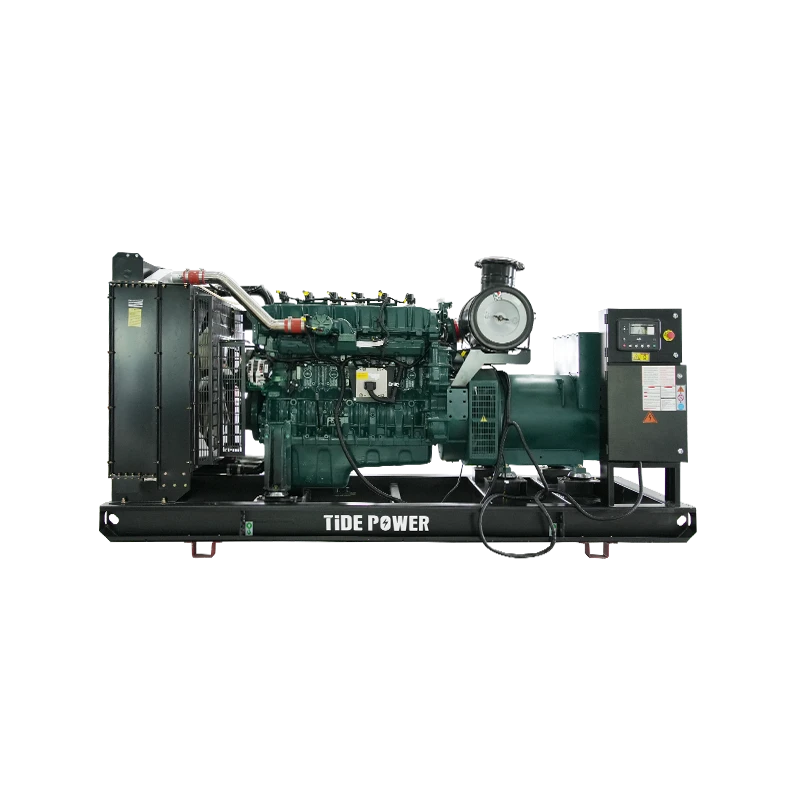
The MWM gas generator set covers 600 to 4500 kVA and runs on natural gas or biogas with lean-burn combustion and real-time monitoring. MWM as an engine brand brings a long industrial track record, and the sets meet ISO 9001, ISO 14001, ISO 45001, and CE requirements. The Lister Petter gas generator set covers 28 to 563 kVA with Jupiter Series gas engines rated from 22 to 500 kW at 1500 to 1800 rpm, paired with Leroy Somer alternators and Deep Sea controllers. In smaller and mid-sized distributed energy projects, that combination is predictable, and predictability is what keeps fuel cost stable.
What I look for beyond the brand is the control layer. A gas engine with closed-loop air-fuel ratio control can hold efficiency closer to its rated point as conditions shift. Open-loop setups drift. When I see a supplier quote a gas genset without specifying the controller or the gas analysis assumptions, I treat the efficiency number as provisional.
If your program involves a site where gas quality changes seasonally or the generator will run below 50 percent load for long stretches, confirm the control configuration and gas conditioning before finalizing the specification. Send your gas composition and expected load range to [email protected].
What Is the Difference Between Electrical and Thermal Efficiency
Electrical efficiency is the share of fuel energy converted into electric power at the terminals. Thermal efficiency is the share recoverable as heat from exhaust and coolant. A genset used only for electricity should be judged on electrical efficiency. A site using process heat, domestic hot water, or absorption cooling should look at total efficiency, because recovering heat can turn a 40 percent electrical figure into an 80 percent combined figure. Choosing the wrong metric leads to the wrong platform.
How Do Site Gas Quality and Load Profile Change Efficiency
Gas quality is the factor most selection guides skip, and it matters more than many buyers expect. The key number on a gas specification is the methane number, which describes knock resistance. Natural gas from a pipeline may carry a high methane number. Biogas, landfill gas, or gas from a wellhead can be lower. A lean-burn gas engine tuned for high methane number gas will knock or lose efficiency on poorer gas. The supplier needs the actual gas analysis, not a general statement that the site runs on natural gas.
Gas pressure stability matters too. If site gas pressure swings below the engine’s design inlet range, the fuel train cannot maintain the correct air-fuel ratio, and efficiency drops or the set trips. A pressure regulation and filtration skid becomes part of the efficiency decision, not an optional add-on.
Load profile is the other half. A set running a steady base load can be tuned once and hold its efficiency. A set following intermittent demand, starting and stopping, or running lightly at night needs different controls and possibly a different sizing choice. In one industrial application we worked through, the better efficiency platform on paper lost to a smaller platform once the actual weekly load curve was applied. The smaller set spent more hours near its sweet spot, and the annual fuel cost came in lower.
How Does Gas Quality Affect Fuel Consumption
Lower methane content means the engine must ingest more fuel volume to reach rated power, so apparent consumption rises. Contaminants such as moisture, siloxanes, or sulfur compounds also degrade engine condition over time, which pushes fuel use up even while the set appears to be running normally. A gas analysis and a conditioning plan are cheaper than the extra fuel and maintenance a poorly matched engine will carry for years.
What Does a Fuel Efficient Gas Generator Set Cost Over Time
The purchase price is the smallest part of the decision. Fuel dominates the lifetime cost of any gas generator set, and maintenance follows. A platform with a 2 percent better electrical efficiency can save a large amount over a 60,000 hour service life in a continuous-duty installation, even if the initial quote is higher. The comparison only becomes clear when the supplier attaches a specific fuel consumption curve and service interval data to the quote.
Maintenance cost differences show up in service intervals, oil change requirements, and valve or spark plug life. Lean-burn engines tend to require careful control of the air-fuel ratio but deliver lower fuel use and longer component life when the gas is clean. A cheap platform with frequent outages and fuel drift is not fuel efficient in any meaningful sense.
Standby versus prime power also changes the math. A standby set that runs 100 hours per year may not justify a premium for fractional efficiency gains. A prime power set running 8,000 hours per year will pay back that premium quickly. The buyer’s job is to know which operating regime the set will actually serve.
Fuel efficient gas generator set selection fails most often when the datasheet is treated as the final answer and the site variables are handled after purchase. The lower-cost path is to reverse that order. Share the gas composition, expected load profile, and required power rating with Tide Power Technology Co., Ltd. at [email protected] or call +86 591 2806 8999, and we will confirm which engine platform and control setup match your operating conditions.
What Buyers Ask Before Selecting a Gas Generator Set
What is the most fuel efficient gas generator set available
There is no single answer independent of site conditions. The most fuel efficient gas generator set for a given facility is the one whose engine platform, control system, and fuel train are matched to the actual gas composition and load profile. A lean-burn MWM set at 2 megawatts can be the right answer in one application, while a Lister Petter platform under 500 kW is the better match in another. Rank options after the gas analysis is complete, not before.
Is a gas generator cheaper to run than a diesel generator
It depends on local fuel pricing and run hours. In many regions natural gas costs less per unit of energy than diesel, and gas gensets often carry lower maintenance costs per hour for continuous duty. But the comparison only works if the set runs enough hours to recover any higher initial cost at the same reliability level. Calculate annual fuel and service cost against the expected operating schedule before choosing.
How long do gas generator sets last before major service
One common assumption is that gas generators need frequent major service. In prime power duty, industrial gas engines often reach a major overhaul between 30,000 and 60,000 hours when gas quality is controlled and maintenance follows the manufacturer’s schedule. Poor gas, frequent starts, or skipped service can cut that significantly. Ask the supplier for the overhaul interval data tied to your fuel analysis and operating hours rather than a generic lifespan claim.
Should I buy a gas generator set or rent first
For a long-term base load or cogeneration application, buying usually wins once the load profile is confirmed. For a temporary site or an unproven gas supply, renting can prove the platform under real conditions before capital is committed. If you have a firm site gas specification and a stable operating schedule, buying a matched set will generally cost less over the asset life. Share your gas specifications and operating schedule with [email protected] and we will confirm the control settings and compliance documentation before you order.
If you’re interested, check out these related articles:
Maintenance of Tide Power diesel water pump
Tide Power ERP Platform Successfully Launched, Ushering in a New Era of Intelligent Management
TIDE POWER TP200BESS: Advanced Hybrid Storage for Industrial Efficiency
Beyond the Basics: How Flow, Head, NPSH & Material Selection Define Pump Performance