 EN
EN ZH
ZH FR
FR ES
ES AR
ARA solar microgrid is not a collection of panels waiting for sunlight. It is a controlled system that combines photovoltaic generation, battery storage, an inverter, a control layer, and usually a diesel generator so power stays available when the grid fails or does not exist. Most basic guides stop at component lists. The decision that matters for project performance is how the control system sequences those assets against the actual load. Without that integration, a site can end up with solar capacity that is never used and a generator that still runs more hours than expected.
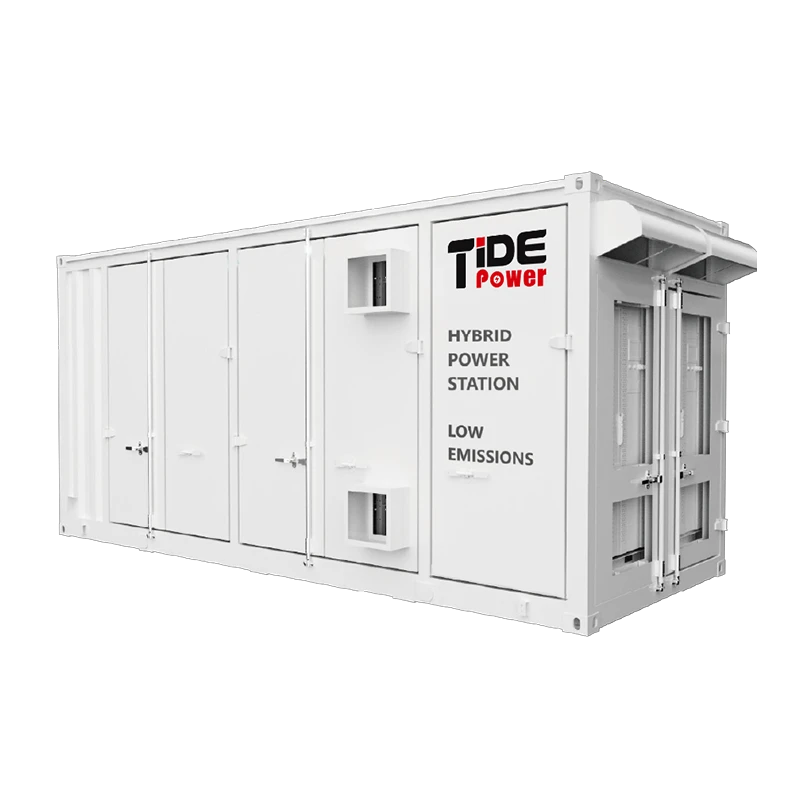
Solar Microgrid Basics Start With Controls, Not Panels
A solar array only produces direct current during daylight. The inverter converts that to alternating current. The control system decides when the batteries charge, when they discharge, and when the generator starts. In a grid-tied system, those decisions are simple because the utility is the reference. In an off-grid or islanded system, the control layer becomes the reference. It has to manage frequency and voltage on its own. That is the basic difference between a solar installation and a solar microgrid. The microgrid can disconnect from the utility and continue serving local loads. The array alone cannot.
Component Selection Sets the Real Performance Envelope
Panel wattage gets the most attention, but it is the weakest predictor of whether a microgrid will carry a site through a week of poor weather. Battery capacity, inverter surge rating, and generator start logic matter more. A 100 kW solar array with two hours of storage is still a daytime system. A 60 kW array with eight hours of storage can carry a small site through the night.
| Component | Primary role | Sizing input |
|---|---|---|
| PV array | Produce DC power during daylight | Peak daytime load, solar window |
| Battery storage | Supply power when solar output falls | Night load, cloudy days, generator start delay |
| Inverter | Convert DC to AC and set island frequency | Peak load, motor starting surge |
| Control system | Sequence solar, storage, and generator | Load priority, state of charge, run rules |
| Diesel generator | Cover extended low-solar periods and surges | Worst-case load, autonomy requirement |
How much battery storage does a solar microgrid need?
Enough to cover the evening and overnight load, plus the time needed for the generator to start and take load without interrupting supply. If the largest load is 40 kW and night consumption is 160 kWh, size the storage bank on usable energy, not nameplate energy. Lithium iron phosphate cells carry a depth of discharge limit, so the usable kilowatt-hours are lower than the label. Add a reserve for motor start inrush, then decide whether the generator backs up the full night or only the early morning.
Why does a solar microgrid still need a diesel generator?
Because consecutive cloudy days can outlast battery capacity, and the cost of covering a multi day shortfall with batteries alone rises quickly. The diesel generator acts as the firm capacity source. It also covers the short, high-current events that batteries do not handle efficiently, such as pump starts or compressor inrush. A well-designed system runs the generator only when the solar and storage margin is gone.
Load Profiling Determines Whether a Solar Microgrid Works
A solar microgrid cannot be sized from a connected load sum. The load profile has to show the difference between installed kilowatts and actual demand, the night baseline, and the motor starting current that appears for a few seconds. I have reviewed proposals where the panel array was expanded but the site still ran the generator through the night because the storage bank was not sized against the measured night load. That is a specification problem, not a solar resource problem.
If your site includes large motors, pumps, or cold-start compressors, confirm the inverter surge rating and storage discharge rate before the specification is locked. Send the load list to [email protected] and we will compare it against the start sequence.
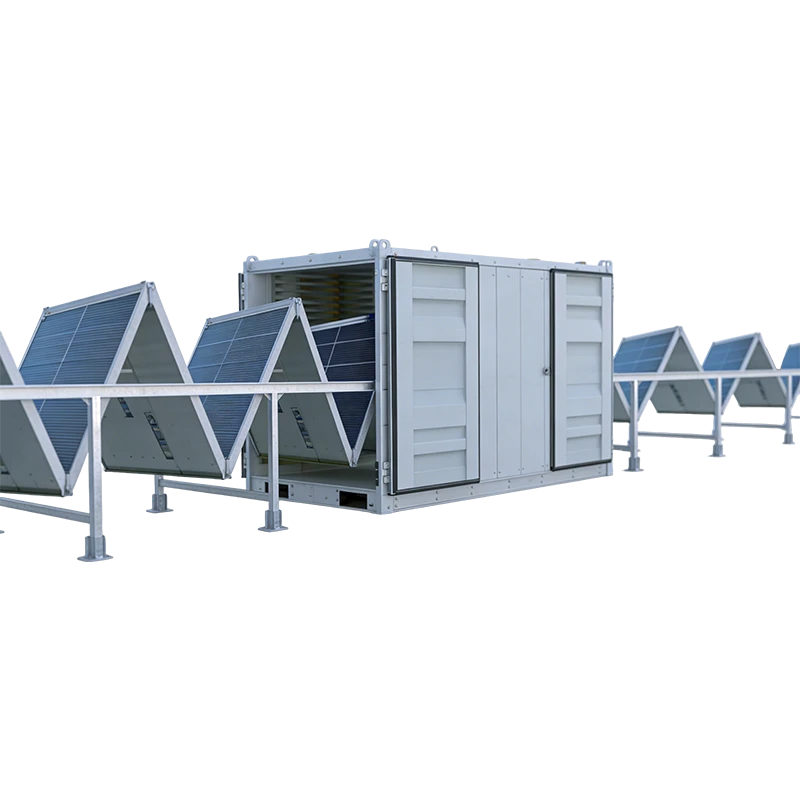
Solar Microgrid Procurement Should Compare Lifecycle Cost
First cost is easy to compare, but it misses most of the decision. The right comparison is levelized cost of energy over ten to fifteen years: installed cost, battery replacement interval, diesel consumption, and scheduled maintenance. A site with a high night load and cheap diesel may prefer a smaller battery and more generator hours. A site with expensive fuel logistics or strict noise limits may prefer a larger battery and fewer generator starts. Tide Power’s hybrid power system covers 10 kVA to 250 kVA and integrates solar, storage, and diesel in one microgrid package, which makes the trade-off easier to evaluate because the control layer is matched to the components.
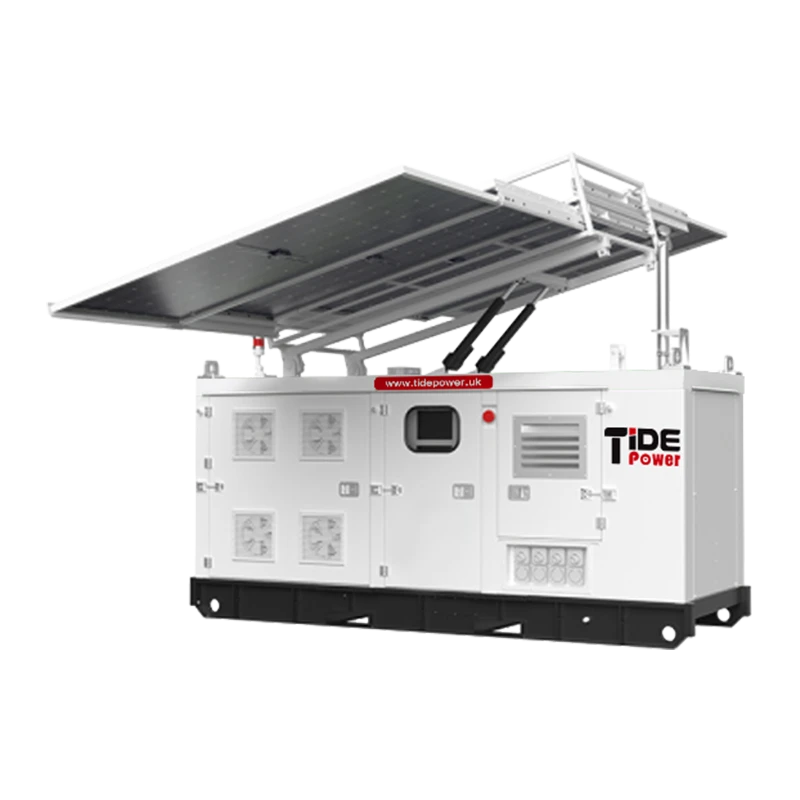
Site Data Is the First Input for a Firm Solar Microgrid Quote
A proposal built from estimated loads leaves the project with change orders and delayed commissioning. The most useful first step is to send the actual load profile, the site coordinates, and the required autonomy hours. From those three inputs, Tide Power can select the array capacity, battery bank, inverter, and generator rating that fit the site instead of a brochure configuration. Send your load profile and timeline to [email protected] or call +86 591 2806 8999. We will return a configuration with solar, storage, and generator sized to the measured demand.
Common Questions About Solar Microgrid Basics
Can a solar microgrid operate without a battery?
No, not if it needs to island or serve load at night. A battery gives the control system a buffer between changing solar output and changing load. Without it, the inverter has no way to ride through a passing cloud or a motor start, and the system reverts to grid dependence or immediate generator support. Small daytime-only systems can work without storage, but they are better described as solar arrays rather than microgrids.
Is a solar microgrid cheaper than a diesel generator alone?
The common assumption is yes, but the answer depends on the operating profile. If the site has low night load, strong solar exposure, and long operating life, the solar microgrid usually wins on lifecycle cost. If the site runs constantly at high load with cheap fuel logistics, a diesel generator may still have the lower total cost. The comparison should be made over ten to fifteen years, including battery replacement and generator maintenance hours.
What minimum site information is needed for a solar microgrid quote?
It depends on whether the site is on-grid or off-grid, but three inputs are always required. The load profile has to separate daytime demand from night demand. The required autonomy hours define how long the system must operate without solar or grid input. The site coordinates establish the solar window, temperature range, and any deployment constraints. With those three inputs, a manufacturer can move from budget estimate to firm component selection.
Does a solar microgrid work on cloudy days?
In remote sites I have reviewed, cloudy-day performance depends more on the storage margin and generator control than on panel capacity. The array continues producing at a reduced level, but the system must know when to hold battery reserve and when to start the generator. Without that rule set, a site can drain the battery early in a storm and then face an unnecessary outage. Send your load profile and autonomy requirement to [email protected] and we will confirm the cloudy-day runtime calculation.
If you’re interested, check out these related articles:
GPOWER2023 officially comes to an end, Tide Power looks forward to seeing you again!
Tide Power staff conference ends successfully
Energizing Remote Operations: Hybrid Power Solutions for Off-Grid Success