
 EN
EN ZH
ZH FR
FR ES
ES AR
ARMicrogrid regulatory compliance is often treated as a paperwork stage that follows system design. In practice it drives the architecture, the component list, and the commissioning plan. Across the projects our team has delivered at Tide Power, early compliance mapping carries more value than any single engineering decision, because it prevents equipment from being specified before the applicable grid code is understood. The rules change by country, by grid mode, and by the presence of battery storage, but the principle remains constant: a microgrid that is built for approval is a microgrid that is built to perform.
How Do Microgrid Regulatory Compliance Standards Shape an Energy Project?
Regulatory standards do not wait until procurement. They shape the single line diagram, the protection settings, and the physical plant layout. A practical microgrid regulatory compliance review starts with the codes, then moves to the equipment list, not the other way around. In North America, the starting point is often IEEE 1547 for distributed energy resource interconnection. In international projects, IEC 62109 covers power converter safety, UL 9540 covers energy storage system safety, and NFPA 855 covers installation fire risks. The table below maps the most common requirements.
| Standard or Code | Primary Scope | What the Project Team Must Verify |
|---|---|---|
| IEEE 1547 | Distributed energy resource interconnection, voltage and frequency response, ride-through settings | Utility accepted trip points and islanding detection for each generating unit |
| UL 9540 | Energy storage system safety and listing | Battery packs, modules, and enclosures carry a current listing for the proposed configuration |
| NFPA 855 | Installation spacing, fire suppression, and hazard mitigation | Site layout separates battery systems from occupied areas as required |
| IEC 62109 | Safety of power converters in distributed systems | Inverter design is appropriate for off-grid and grid parallel operation |
| NEC Article 705 and 706 | Wiring, marking, and disconnect requirements for interconnected DER and ESS | Single line diagram shows all disconnecting means and conductor ratings |
| Local grid code, such as UK G99 | Utility export limits, protection coordination, and witness testing | Application envelope is accepted before major equipment orders are placed |
One common mistake is buying compliant components and assuming the system inherits that compliance. That is not how microgrid approval works. A listed battery and a listed inverter can still fail utility review if the protection settings do not match local fault response requirements. The project team must treat the combination as its own approval case.
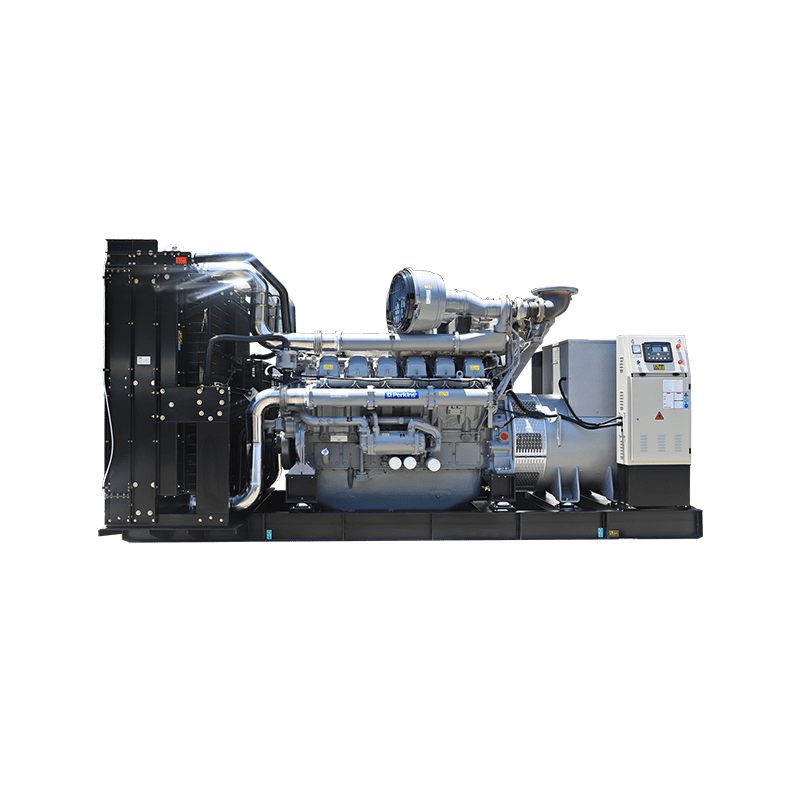
Generator synchronization adds another layer. The selected generator set must match the microgrid controller frequency and voltage droop settings, and a utility may ask for test records before energization.
Why Grid Interconnection Approval Controls the Project Schedule?
For procurement teams, the first microgrid regulatory compliance milestone is grid interconnection approval. Until the utility accepts the protection coordination study and the single line diagram, major equipment orders carry unresolved design risk. Any change in fault current contribution or voltage ride-through settings can force a generator, inverter, or transformer substitution.
Grid parallel mode brings export and protection requirements
In grid parallel mode, the project must satisfy the host utility export limits, anti-islanding detection, and power quality requirements. In some markets, the application review window runs from three to six months, so the compliance plan should move alongside system design rather than behind it. Teams that wait until the bill of materials is fixed discover that approved components do not rescue a failed protection study.
Island mode changes the responsibility for fault clearing
In island mode, the microgrid becomes its own utility. The protection scheme must clear faults without relying on grid fault current, which means the generator set and energy storage inverters need enough short-circuit capability or a coordinated fault response. This is a different engineering conversation from fuel consumption and battery capacity.
How Does Battery Storage Change Microgrid Regulatory Compliance?
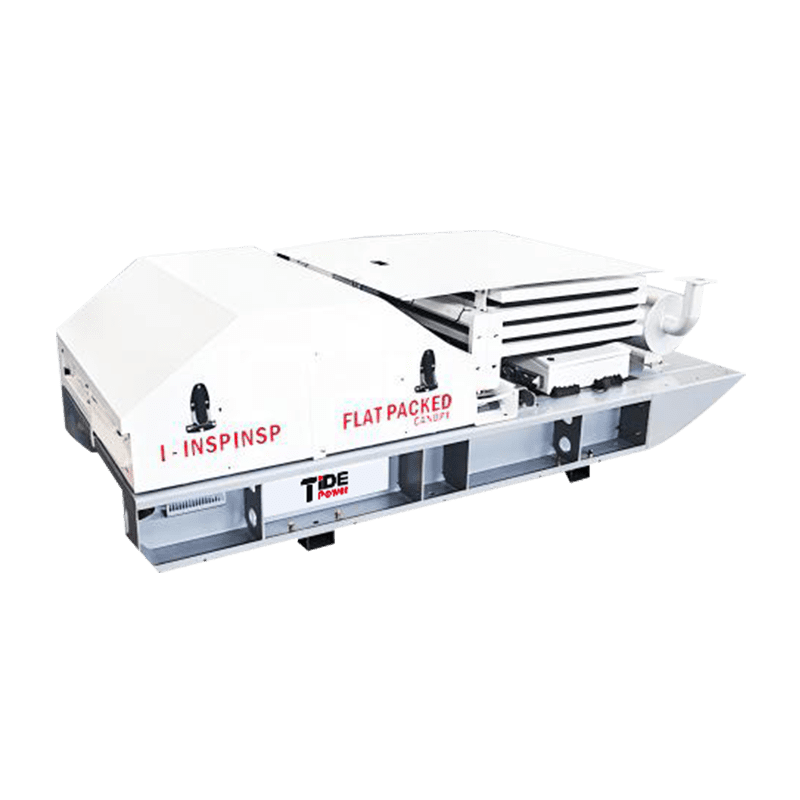
Battery storage changes microgrid regulatory compliance in three ways. It introduces fire safety requirements that do not exist for generator-only microgrids. It adds an interconnection review for inverter based generation, which responds differently from rotating machines during a fault. It also creates documentation requirements around battery chemistry, temperature limits, and state of charge management.
A listed cell is not the same as a listed system
A UL 9540 listing covers the energy storage system configuration, not just the battery cell. Utility reviewers notice the difference. Battery chemistry also drives separation distance and fire suppression choices. Lithium iron phosphate occupies a different regulatory footprint than nickel manganese cobalt, and that difference changes the room layout before the first cable is pulled.
One control envelope reduces the loose approval interfaces
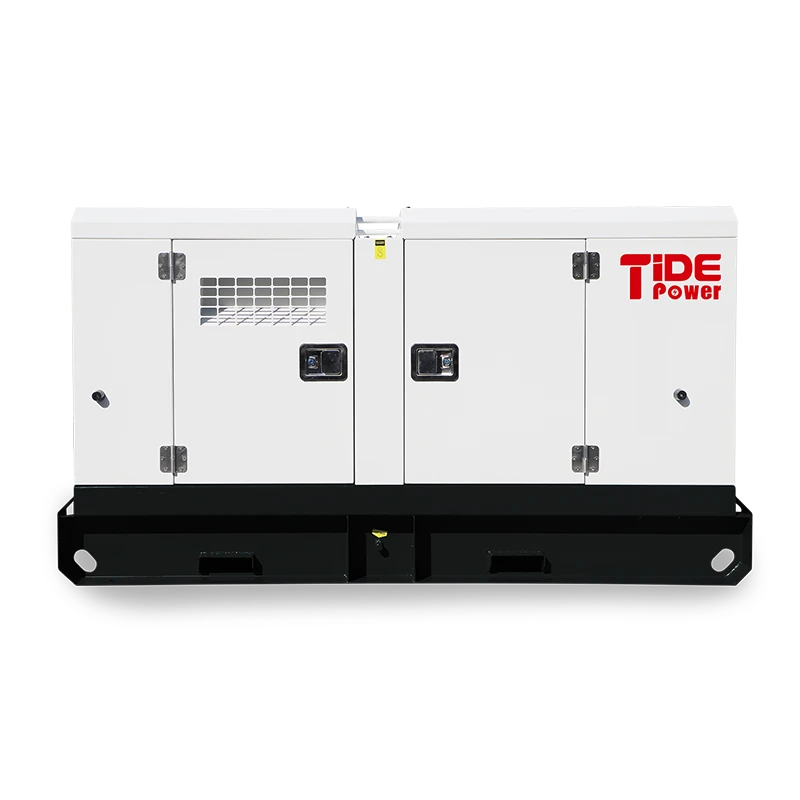
When the solar, storage, and diesel generator set operate under a single control envelope, the approval conversation changes. Tide Power builds its hybrid power system from 10 kVA to 250 kVA with the solar, battery storage, and diesel generation integrated in one microgrid package. That removes part of the interface risk between separate supply scopes.
The most practical review point is after the single line diagram is drafted but before the component order is placed. If your microgrid will operate in both grid parallel and island mode, or if it combines lithium iron phosphate storage with diesel generation, the compliance boundary is too project specific for a generic template. Send your draft single line diagram and target grid code to [email protected] for a practical check against the utility expected protection settings.
What Should Project Teams Verify Before Signing a Microgrid Regulatory Compliance Contract?
Before signing a microgrid regulatory compliance contract, be specific about the obligations. The contract should not simply state that the supplier will comply. It should list the specific codes, the approval deliverables, and the testing responsibility. A vague clause shifts the compliance risk to the buyer after the equipment has shipped.
Five items belong in the contract before signature:
- The applicable codes, named by version and by market
- The owner of the utility application package
- The party responsible for the single line diagram and protection coordination study
- The witness testing responsibilities for islanding and grid transfer
- The battery system listing and fire safety documentation
In supplier negotiations, I have watched a single vague compliance clause turn into a redesign after the first utility review, because the contract never assigned ownership of the protection coordination study. The buyer paid for the replacement equipment and the delay. That outcome is avoidable when the contract names the study owner and the change-order trigger before signature.
What Should Your First Step Be Before Starting a Microgrid Project?
The first step in microgrid regulatory compliance is to avoid locking the equipment list before the regulatory boundary is defined. When that happens, a battery pack may be unlisted for the required configuration, the generator set may fail the utility voltage ride-through expectations, or the site layout may conflict with fire separation rules. Each finding sends the project back to design. Start with the applicable grid code, the import and export limits, the storage chemistry, and the operating modes. From those four inputs, the rest of the compliance file can be built without guesswork. If your project involves islanding, grid export, or battery storage, send those four inputs and your draft single line diagram to [email protected] or call +86 591 2806 8999, and we will identify the approval risk before the specification is frozen.
What Else Do Procurement Teams Ask About Microgrid Compliance?
Will a UL listed battery and UL listed inverter automatically pass utility review?
No. Component listings reduce the documentation burden, but they do not combine into an approved microgrid by themselves. Utility reviewers evaluate the system configuration, the protection coordination settings, and the interaction between rotating machines and inverter based resources. A listed battery and inverter can still fail review if the anti-islanding settings do not match local requirements. Procurement teams should ask for the protection coordination study and the utility application package, not just the component certificates. If the selected equipment has not been tested together, confirm that test gap before ordering.
Is microgrid regulatory compliance only a utility concern for grid connected systems?
A common misconception is that off-grid microgrids skip regulatory review. They skip the host utility interconnection application, but they still face electrical safety codes, fire safety rules, and possibly local building or mining site requirements. The control and protection decisions that a grid code formalizes do not disappear because the grid is absent. An islanded system still needs a fault clearing strategy, a ground fault protection approach, and a documented operating procedure for maintenance. If your site is in a remote industrial operation, check the local electrical inspector’s expectations before ordering transport to site.
How long should we allow for microgrid approval?
It depends on the market and the operating mode. A straightforward grid parallel project in a jurisdiction with clear permitting can move through utility review in a few months. A system with island mode, battery storage, and a custom protection scheme can take longer, because the utility may require additional studies and witness testing. Bid schedules should carry the approval duration as a named line item, not a hidden assumption. If the supplier cannot state the expected review window and the deliverables it will submit, that gap belongs in the commercial risk register.
Should we choose a generator set before or after the compliance review?
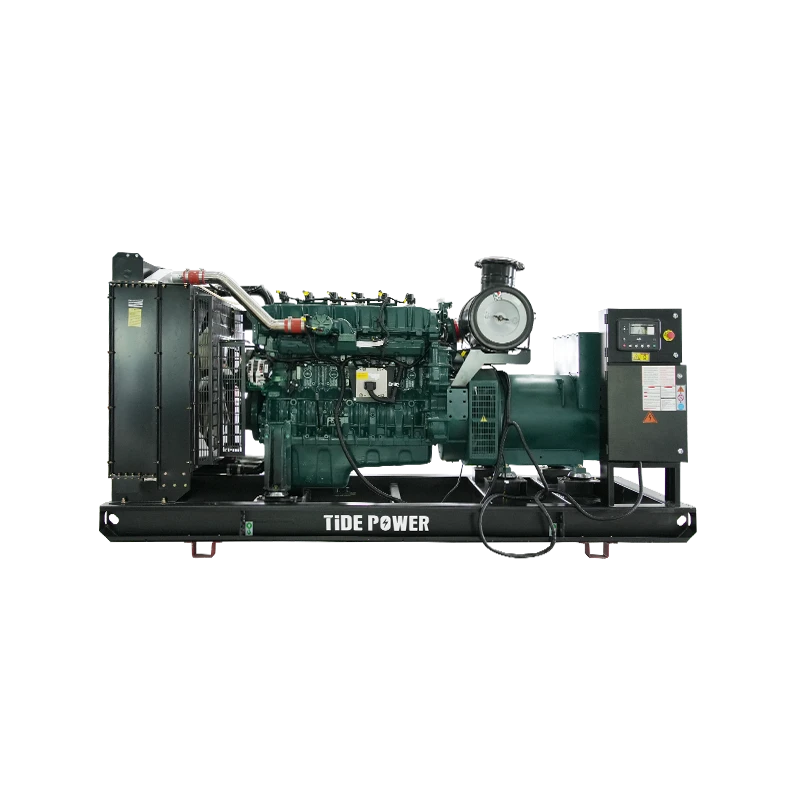
In the projects our team has delivered, the better sequence is to set the grid code limits and operating modes first, then compare generator sets that meet the fault response and voltage ride-through requirements. That order avoids buying a unit with the right power rating but the wrong protection behavior. The generator is not just a kilowatt number; it is part of the microgrid protection scheme. If your program uses multiple generators or a hybrid solar storage diesel configuration, share the single line diagram with the supplier early so the synchronization logic can be checked before the order is finalized. Share your operating modes and target grid code with us at [email protected], and we will confirm which generator and storage combinations fit the approval path.
If you’re interested, check out these related articles:
Powering Africa: The Role of Tide Power in the Local Industrialization Process
Tide Power Achieves Remarkable Success at Nigeria Energy 2025
Tide Power 2024 Global Sales Meeting Successfully Held
Tide Power Attended the Belt and Road Summit