 EN
EN ZH
ZH FR
FR ES
ES AR
ARLow emission gas generator sets are not a single engine category. They are a packaging decision involving fuel type, engine calibration, exhaust aftertreatment, and the permitting path your site must follow. For most procurement teams, the real question is not whether a unit claims emission control, but whether the documentation and configuration match the EPA stationary engine rules that apply to the installation. The practical route is to define fuel, load profile, and air district requirements before comparing units. That prevents the common mistake of buying a generator first and treating compliance as an afterthought. The sections below explain the regulatory path and the equipment choices that actually reduce sourcing risk.
What Does EPA Compliance Actually Require for Gas Generator Sets?
EPA compliance is not a badge printed on a generator enclosure. It is an installation-level obligation that follows the engine class, fuel type, site classification, and whether the unit is new or existing. Two federal rules usually frame the discussion for stationary spark ignition reciprocating engines. 40 CFR Part 60 Subpart JJJJ sets new source performance standards for new stationary spark ignition engines, while 40 CFR Part 63 Subpart ZZZZ addresses hazardous air pollutants from stationary reciprocating internal combustion engines. State and local air districts can add stricter limits, especially in ozone nonattainment areas, and some permits require initial or periodic performance testing.
For a buyer, this means the generator package is only part of the compliance file. The rest includes application records, engine family documentation, maintenance logs, and operating reports that match the permit. The first task is to identify which rule category applies to the installation, then work backward to the engine and aftertreatment configuration.
How Do Low Emission Gas Generator Sets Meet Stationary Engine Rules?
Low emission gas generator sets usually combine two layers. The engine layer controls combustion through closed-loop air-fuel ratio management and cylinder-level calibration. The aftertreatment layer removes or converts the pollutants combustion leaves behind. For natural gas and biogas engines, the main choice is between a lean-burn platform with an oxidation catalyst and a rich-burn platform with a three-way catalyst.
A lean-burn engine operates with excess air, which lowers peak combustion temperature and changes the NOx profile. The oxidation catalyst then handles carbon monoxide and unburned hydrocarbons. A rich-burn engine operates near stoichiometric conditions, which lets a three-way catalyst reduce nitrogen oxides, carbon monoxide, and hydrocarbons together. The optimal package depends on fuel quality, load stability, and the numeric emission limits in the permit.
| Operating parameter | Lean-burn gas engine | Rich-burn gas engine |
|---|---|---|
| Air-fuel ratio | Excess air above stoichiometric | Near stoichiometric |
| Primary aftertreatment | Oxidation catalyst | Three-way catalyst |
| Emission control point | Lower peak combustion temperature plus CO and hydrocarbon oxidation | Catalytic reduction of NOx, CO, and hydrocarbons |
| Typical operational fit | Steady continuous baseload | Load-fluctuating sites with tighter NOx limits |
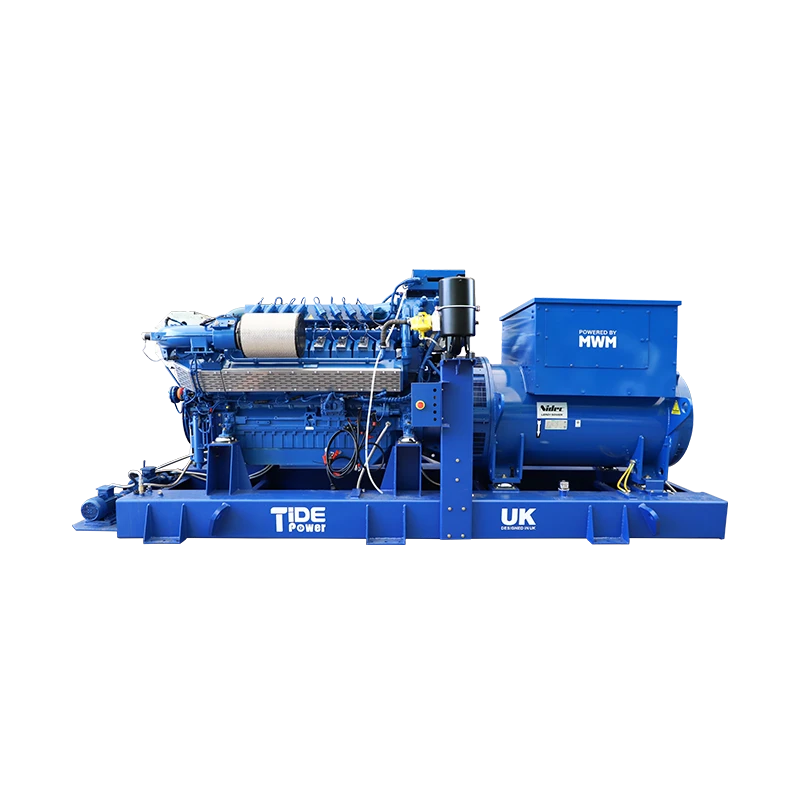
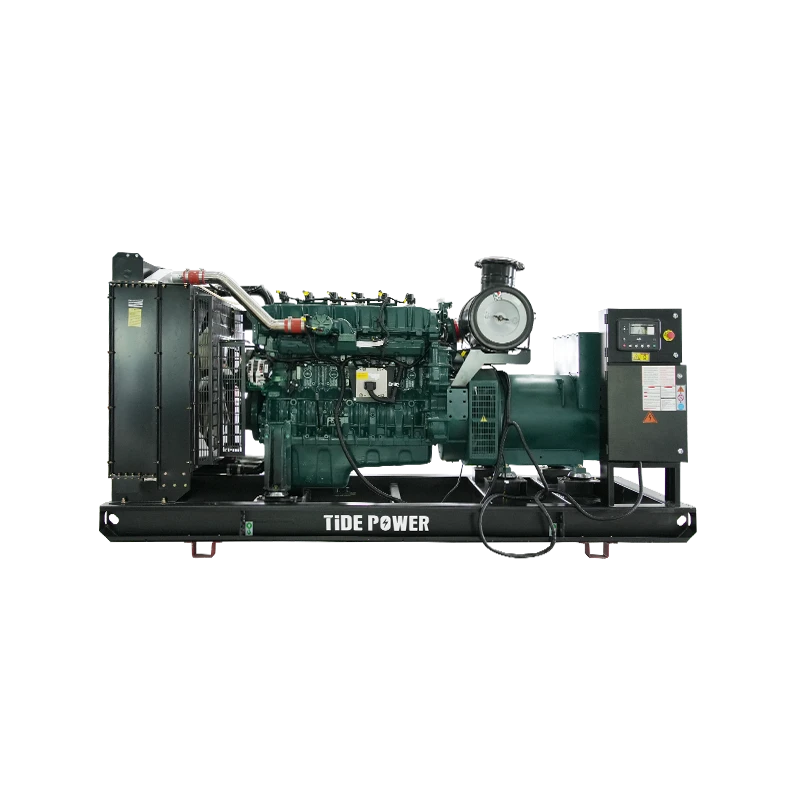
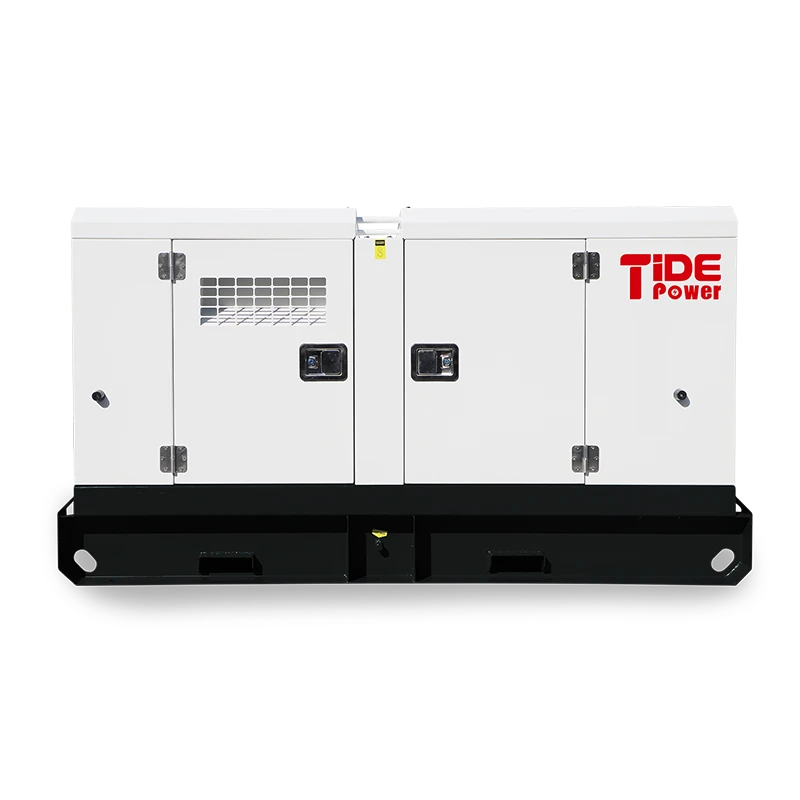
Tide Power’s gas generator set portfolio covers packages from 28 kVA to 563 kVA and from 600 kVA to 4,500 kVA, configured for natural gas, biogas, and other gaseous fuels. The smaller platform is built around gas engines suited to distributed energy and off-grid duty, while the larger platform is designed for high-efficiency continuous operation. Both include real-time monitoring and multi-unit parallel capability, which gives the owner a clearer operating record for permit reporting. The compliance obligation, however, remains site-specific. Select the engine architecture first, then verify the catalyst and control system against the rule that applies to the installation.
Which Gas Generator Set Configuration Fits Your Fuel and Site?
Fuel quality changes the compliance picture more than rated power does. Pipeline natural gas is the most predictable, with consistent methane number and low contaminant load. Biogas, landfill gas, and associated gas introduce moisture, hydrogen sulfide, siloxanes, or variable heat content. These contaminants affect engine life, catalyst performance, knocking margin, and the ability to pass emission verification at the site. The gas conditioning system is part of the emission strategy, not a separate utility decision. A unit ordered without adequate gas treatment can meet the nameplate emission data in the factory test cell and still fail to demonstrate the same performance on site.
Load profile matters for the same reason. A gas engine that runs long hours at high load reaches catalyst operating temperature and holds it through normal ambient swings. A unit sized for low utilization or intermittent standby work may cycle across the catalyst’s active temperature window. That is not a compliance failure by itself, but it changes which engine control and aftertreatment arrangement is more realistic. For continuous wastewater, landfill, industrial, or combined heat and power duty, a lean-burn configuration often fits because the engine sees stable load. For sites with frequent load steps or tighter NOx constraints, a rich-burn configuration with closed-loop lambda control is usually the more practical starting point.
If your fuel source is not pipeline natural gas, or your load steps exceed about 30 percent of rated capacity, it is worth confirming the catalyst sizing and engine control strategy before you finalize the bill of materials. Send your fuel analysis and expected load profile to [email protected] and we will check the most practical configuration for your site.
What Should You Verify Before You Specify a Gas Generator Set?
The specification stage is where compliance risk is removed or locked in. Start with the emission data sheet, not the sales brochure. Request the engine family name, the applicable federal rule category, the aftertreatment configuration, and the operating limits tied to the stated emission performance. Then compare that document with the permit requirements from the state or local air district. A federal EPA rule sets the floor. The local permit can impose lower limits, require stack testing, or add reporting cycles, especially in ozone nonattainment areas.
Second, define the fuel specification and gas supply pressure. The engine and catalyst need a fuel supply within the manufacturer’s range for methane number, sulfur, moisture, and delivery pressure. A landfill or farm biogas project should confirm gas analysis and pretreatment before ordering, because the cost and footprint of gas cleanup can shift the generator package design.
Third, plan the data trail. Many stationary engine permits require a mix of initial performance testing, periodic checks, recorded maintenance, and continuous parametric monitoring such as catalyst inlet temperature or oxygen readings. Choose a control system that can export the required operating data. This is where real-time monitoring capability translates directly into an easier permit renewal.
Why Confirm Your EPA Compliance Pathway Before Procurement?
Procurement teams usually compare kilowatt output and price first. That sequence works until the permit process introduces a lower NOx limit, a different catalyst requirement, or a monitoring report the selected package does not document efficiently. The generator set then has to be revalidated after the order is already moving, which adds time and cost and can delay the energization date.
The more practical sequence is to confirm the emission pathway at the same time as the power rating. Tide Power can review the generator sizing, fuel type, and EPA rule category with your permitting contact, then return a specification that matches the load and the compliance obligation. Send your site fuel type, altitude, load profile, and permitting authority to [email protected] or call +86 591 2806 8999, and we will confirm which gas generator set configuration fits your compliance pathway.
What Buyers Ask Before Committing to a Gas Generator Set?
What is the difference between EPA compliance and an emission brochure?
EPA compliance is a legal status tied to the installation, while an emission brochure describes equipment capability under stated conditions. A manufacturer document is useful, but it does not replace the permit, the engine family certification record, or the site-specific verification the local air district may require. Buyers should ask for the emission data sheet that lists engine family, fuel type, aftertreatment, and the federal rule category, then confirm it matches the installation. If the document only states that the unit is low emission without naming the applicable standard, treat that as an open item to verify.
Does biogas automatically make a gas generator set EPA compliant?
Biogas does not automatically satisfy EPA requirements just because the fuel is renewable. Biogas introduces variable heat content, moisture, and contaminants such as hydrogen sulfide or siloxanes, which change combustion and catalyst behavior. A unit configured for pipeline natural gas may need different gas conditioning, engine calibration, and catalyst sizing to meet the same numeric limits on biogas. The right approach is to analyze the gas composition first, then confirm the engine and aftertreatment package against the applicable stationary engine rule. Renewable fuel and emission compliance are related but distinct procurement questions.
Do we need continuous emission monitoring for every gas generator set?
It depends on the permit, the engine class, and the local air district. Smaller spark ignition units may be covered by manufacturer certification, routine maintenance records, and periodic checks. Larger units in tighter attainment areas may require parametric monitoring, periodic stack testing, or continuous data logging for parameters such as catalyst inlet temperature. The buyer should ask whether the control system can export the specific operating data the permit is likely to require. Monitoring capability is easier to include at the order stage than to retrofit after the first compliance review.
Is a gas generator set automatically a low emission machine?
The relevant question is not whether gas is cleaner in general, but whether the specific unit, fuel, and aftertreatment package meet the applicable numeric limits at the site. Gas engines can still produce nitrogen oxides, carbon monoxide, and hazardous air pollutants under certain operating conditions. Low emission gas generator sets earn that description through specific engine control and aftertreatment work, not through the fuel label alone. Procurement teams should compare emission data sheets and rule categories, not assume that any gas fueled generator is automatically compliant.
How early should we confirm compliance before ordering?
In projects we have supported, the main issue is usually not the engine itself but the time required to align the supplier, the installer, and the permitting authority on the exact package and documentation. Starting the compliance check after the generator is ordered leaves little room to change catalyst sizing, fuel treatment, or data logging. We recommend confirming the fuel analysis, engine rule category, and local permit requirements before the purchase order is signed. Share your site fuel analysis, altitude, and load profile with [email protected] and we will confirm the most practical compliance route before you commit to a generator set.
If you’re interested, check out these related articles:
Hybrid Power Systems: Combining BESS with Diesel Generators for Maximum Efficiency
Ensure Reliable Power with Tide Power Gensets in the Hot Season
A friendly basketball match between Tide Power and Leroy-Somer was held successfully!