 EN
EN ZH
ZH FR
FR ES
ES AR
ARConstruction site generator set selection should start with the actual load schedule, not the cheapest quoted kVA. A concrete pump, tower crane, and site office do not pull power the same way, and treating them as one peak number leaves you with either an oversized machine burning excess fuel or an undersized unit tripping during a pour. At Tide Power, we ask for the motor list and startup sequence before recommending a generator set. That single step eliminates most sizing mistakes on construction projects. If the load schedule is not documented, every quotation is a guess with a warranty attached.
Start with the Load Schedule, Not the Generator Catalog
A generator set fails on a construction site most often because the load schedule was treated as one number. The tower crane, concrete pump, compaction plate, lighting array, and site office all start at different times and draw differently. A 150 kVA set selected from connected load alone can trip when a 55 kW motor starts under a partially loaded system. Ask for the motor list and the planned starting sequence before you accept any quotation.
Peak demand is not the same as continuous demand. A 200 kVA set may carry a site with 180 kVA of connected motors if the motors do not start together. I have seen a project move from 600 kVA to 400 kVA after the startup order was documented and staggered. That change cut purchase cost and reduced wet stacking risk because the engine ran closer to its working range across the shift.
| Series | Power Range | Engine Options | Construction Site Feature |
|---|---|---|---|
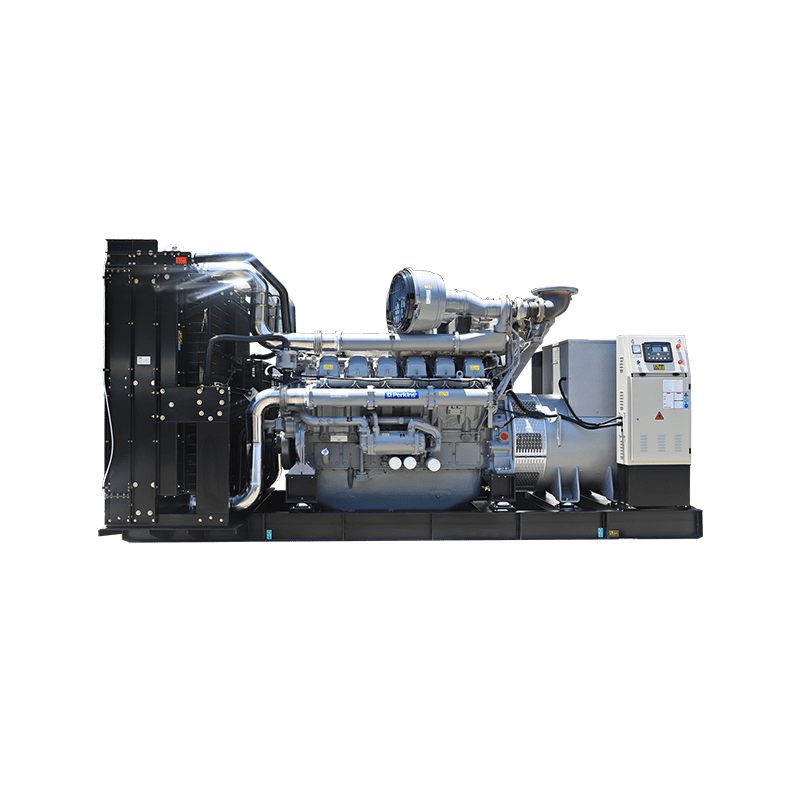
| Econic Series | 16 kVA to 1650 kVA | Cummins, Perkins, DEUTZ, Baudouin, Tide Power | Forklift sockets and large access doors for quick site handling |
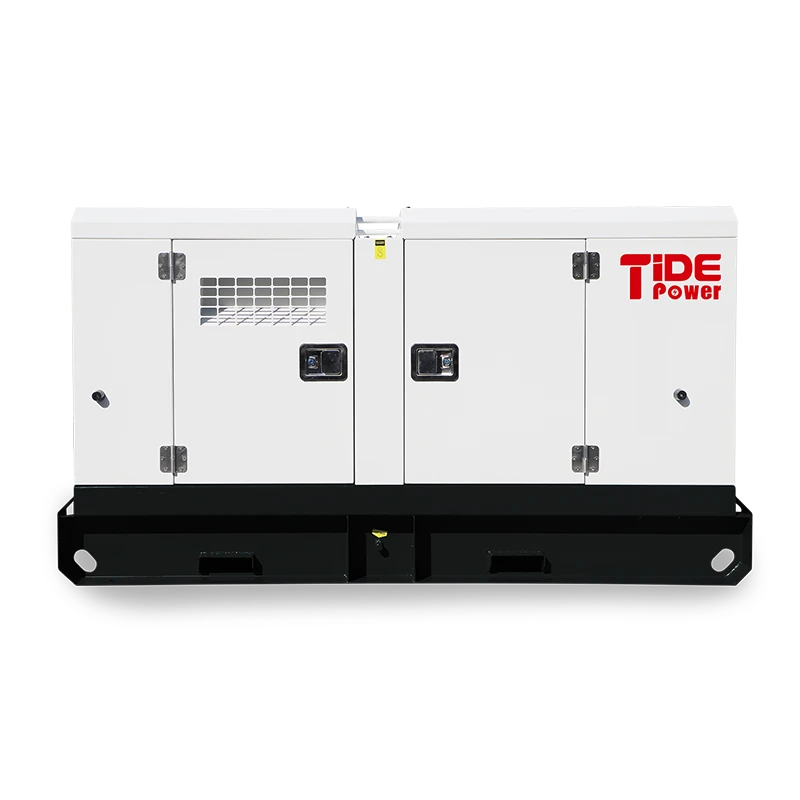
| P Series | 8 kVA to 340 kVA | DCEC, Lister Petter, Perkins | 2 mm soundproof canopy for urban permits and weather protection |
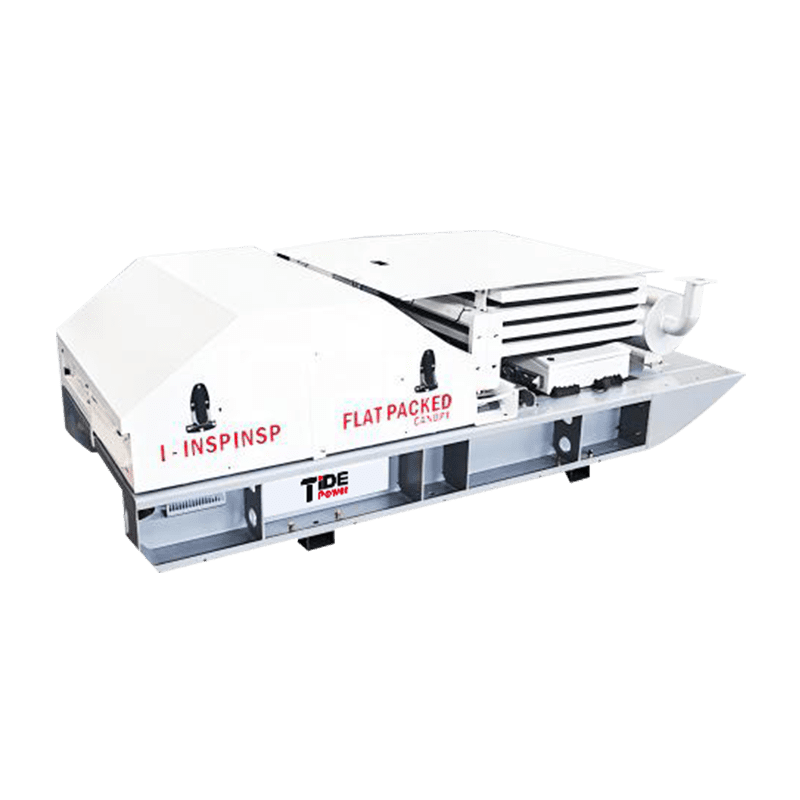
| I Series CKD | 5 kVA to 650 kVA | Fully customizable | Modular assembly for rental fleets and project-specific builds |
These ranges are configurable, so the right choice depends on site load and permit conditions rather than the largest set available.
Match the Generator Set Enclosure and Noise Limits to the Site Permit
A generator set that meets the electrical spec can still stop a project if it fails the permit noise test. Urban sites often require 65 dBA or lower at the nearest receptor, and that number includes the machine, doors, exhaust, and cooling fan. Silent canopies are not equal. The P Series uses a 2 mm thick soundproof canopy and front ventilation. That matters when the set sits beside a school, clinic, or occupied high rise.
Noise is not the only site permit issue. Enclosure access, fuel containment, and weather protection change how the unit is positioned. Ask the supplier for a measured noise curve at 7 meters and a layout drawing with maintenance clearance. If you cannot get both, you are buying a catalog number, not a site-ready generator set.
Size the Generator Set Fuel and Runtime Plan Before the First Pour
A construction generator set is only as useful as its fuel plan. A 500 kVA machine running continuous dewatering may consume more than 80 liters per hour at high load factor. On a site without a secure fuel store, that means daily refueling, which creates logistics and theft exposure. The Econic Series includes a large fuel tank and an external filling inlet to reduce the number of fill cycles. Confirm runtime at 75 percent load before you compare quotations.
Refueling also affects safety and schedule. Diesel delivered to a high rise site after dark may be restricted by city truck routes. If the tank cannot cover at least 12 hours at expected load, the generator becomes an operating liability. I prefer to fix runtime hours before discussing price. A lower cost machine with a small tank can cost more in fuel handling over a nine month project.
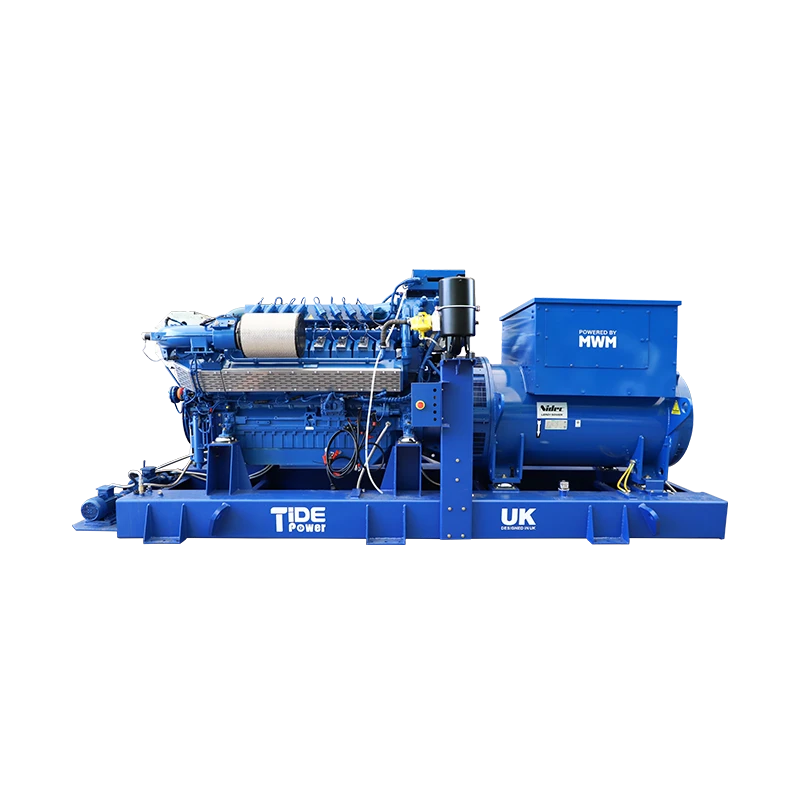
For long term site installations with a firm natural gas supply, a gas generator set can reduce refueling pressure and may satisfy stricter emission limits. Most temporary construction sites still choose diesel because it is easier to stage, transport, and refill from a single tanker. Evaluate the gas option only if the connection and gas quality are confirmed before mobilization.
If your project includes night pours or continuous dewatering, it is worth confirming fuel autonomy and refueling access before finalizing the equipment list. Send the motor schedule and expected duty cycle to [email protected], and we can confirm the runtime envelope that fits the site.
Verify Generator Set Transport, Clearance, and Connection Details Before Ordering
The best generator set selection can fail at the gate. A 40 kVA unit may arrive on a flatbed without forklift pockets, and the site crew then spends half a shift improvising. Confirm the machine has lifting eyes or forklift sockets, access doors on the service side, and a profile that clears the hoarding. The Econic Series includes forklift sockets and large access doors for exactly that reason.
Cable routing and grounding also belong in the quotation stage. The generator needs to sit close enough to the distribution board to avoid voltage drop, but far enough to keep exhaust away from occupied areas. If the supplier cannot produce a dimensional drawing and connection diagram before deposit, the installation team inherits the problem later.
Send the Motor List and Site Plan Before You Commit
The most expensive selection error on a construction site is the one you discover during the first week of load. A generator set that cannot ride through a motor start, pass a noise test, or survive a rainy week costs more in downtime than any purchase saving. At Tide Power, we review motor lists, duty cycles, site clearance, and fuel access before we propose a unit.
Send your motor list, startup sequence, expected runtime, and site drawing to [email protected] or call +86 591 2806 8999. We can confirm the generator set configuration that fits the job instead of a generic specification.
Review the Generator Set Questions That Matter Before You Commit
How much generator capacity does a construction site actually need?
No single kVA figure works across sites. Most projects need capacity that covers the largest motor starting surge plus continuous base load with a small margin. A site with 100 kVA of continuous load and one 55 kW motor may run on a 160 kVA to 200 kVA set, but only if that motor does not start at the same time as another large load. The move that avoids oversizing is to document the startup sequence before quoting. Sequential starting often reduces the required kVA by one full frame size.
Is kVA or kW more important for a construction generator set?
A common mistake is to treat kVA and kW as interchangeable. They are not, because motor loads draw reactive power. The engine must cover kW, while the alternator must handle kVA. On construction sites with heavy motor starts, kVA demand can be 25 to 40 percent higher than kW. If you select only by kW, the alternator may sag under inrush. Ask for both ratings at the expected power factor, and check voltage dip during motor starting instead of relying on a single capacity number.
Can an open generator set be used on a city construction site?
It depends on the local noise rule and the distance to the nearest occupied building. A city site near a school, hospital, or apartment block often cannot accept an open set, even if it meets the electrical load. Many permits require 65 dBA or lower at the receptor. In that case a silent canopy set with a measured noise curve is the safer route. On remote sites with no noise restrictions, an open set may be acceptable and simpler to service. Confirm the noise requirement with the permit before you choose the enclosure.
What should be included in the quotation for a construction generator set?
In projects I have reviewed for high rise and earthworks teams, the packages that caused the fewest site delays all included a dimensional drawing, lifting points, a connection diagram, a fuel autonomy estimate at 75 percent load, and a noise curve. If a supplier sends only a model number and price, the site team will resolve the missing details later at higher cost. Share your motor list and planned startup sequence with us and we will confirm the set configuration and the complete documentation package.
If you’re interested, check out these related articles:
Beyond the Basics: How Flow, Head, NPSH & Material Selection Define Pump Performance
Compact BESS: Your Intelligent Route to Energy Independence and Cost Efficiency