 EN
EN ZH
ZH FR
FR ES
ES AR
ARPlanning off-grid power for remote telecom sites usually fails when teams treat it as a generator sizing exercise. The sites that stay online are designed as complete systems: solar generation, battery storage, generator backup, and a control layer that switches between them without dropping the load. In my experience across industrial energy projects, the difference is rarely the hardware brand; it is whether the design accounts for real load profiles, seasonal solar variation, and the hidden cost of fuel resupply. The selection logic below covers the specifications that matter before a procurement team commits.
Why Does Diesel-Only Off-Grid Power Fail at Remote Telecom Sites?
A diesel-only site looks simple on paper. You install a generator set, add a fuel tank, and schedule refueling. The problem appears when the site is hundreds of kilometres from a paved road or when the wet season interrupts access for weeks. Fuel becomes a logistics burden, and every late delivery becomes a potential network outage.
Telecom loads are often far below the generator set rating. Running a generator at 20% to 30% of its capacity for long periods causes carbon build-up in some engines, wet stacking in others, and unnecessary wear. In programs we have supported, this pattern shows up as higher maintenance cost per kilowatt hour than the fuel cost itself. The total operating cost is not driven by fuel alone.
The more serious issue is runtime. A remote telecom site needs 24/7 availability, but a generator needs periodic service every 250 or 500 hours depending on the engine. If site access is difficult, those service windows are missed. The result is a shorter mean time between failures and a fault that requires an emergency visit.
How Does Hybrid Off-Grid Power Cut Fuel and Maintenance at Telecom Sites?
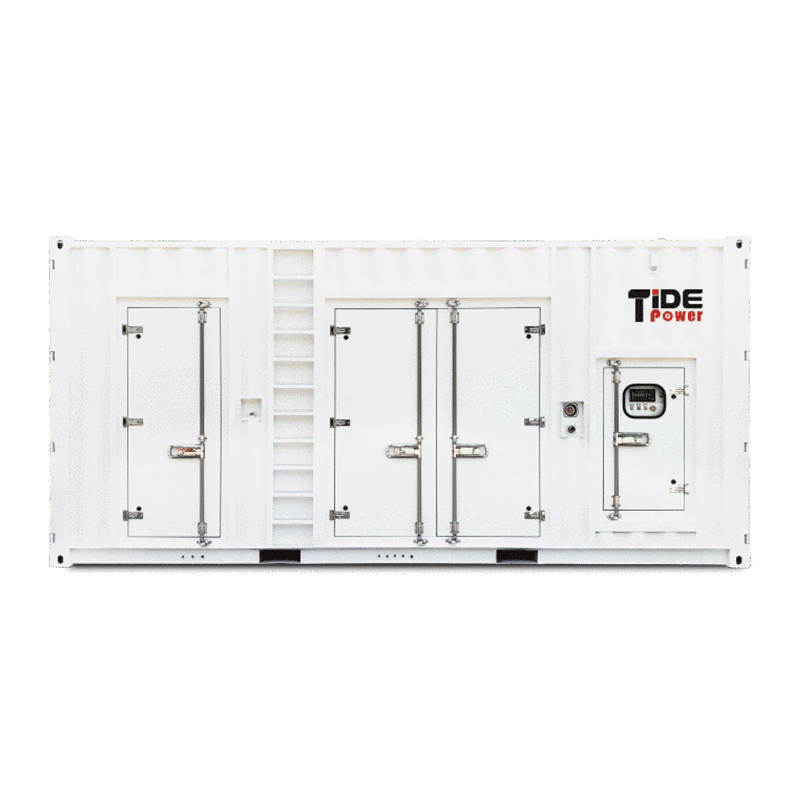
A hybrid off-grid system changes the generator from primary source to backup and battery charger. Solar and battery storage handle daytime loads. The generator runs only when the battery state of charge falls below a set threshold or when a heavy load requires support. The direct result is less fuel consumption, fewer generator hours, and fewer site visits.
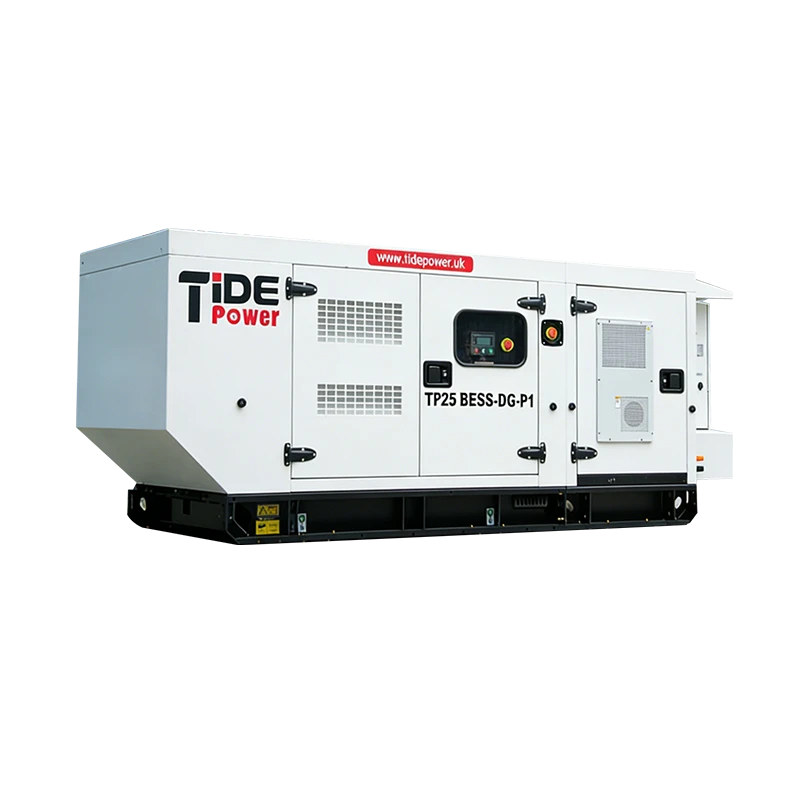
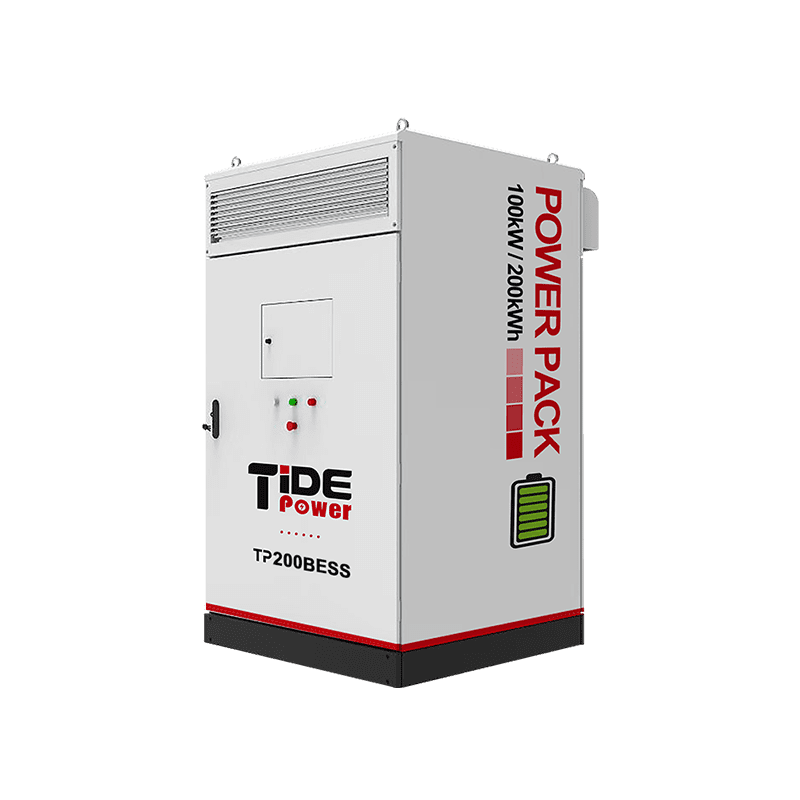
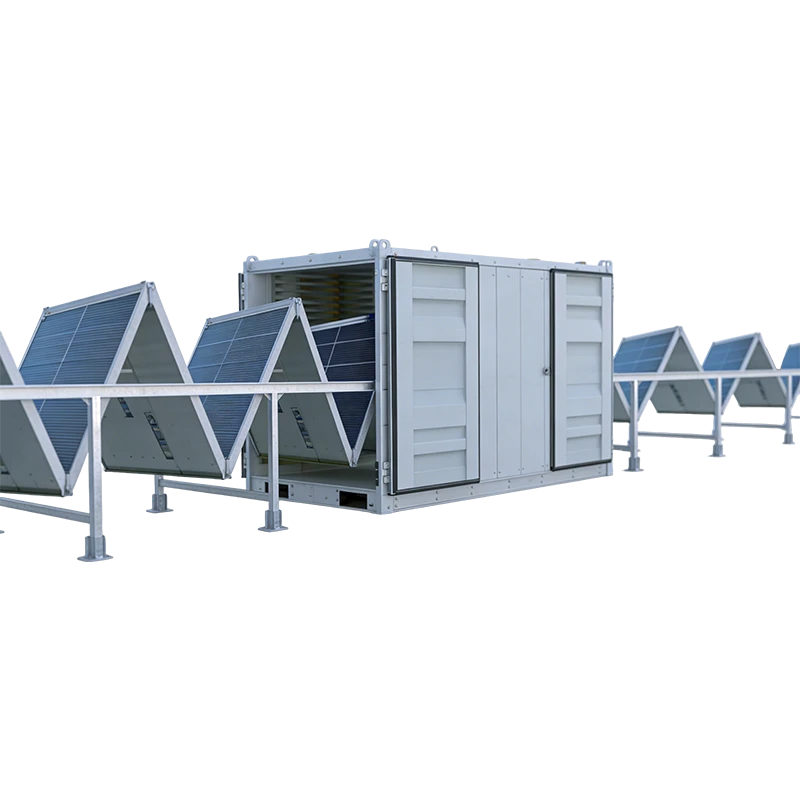
Using the Tide Power hybrid energy system as an example, the platform combines solar, storage, and diesel generation in a single microgrid with a 10 kVA to 250 kVA power range. The system uses LFP battery modules and supports millisecond-level switching between power sources. For a remote telecom site, the generator may run for a few hours each week instead of continuously, and the rest of the time the site operates from solar and battery capacity.
Why Battery-First Operation Cuts Maintenance Cost
The maintenance gain comes from how the battery absorbs short load fluctuations. Without storage, a small load change can force a generator start. With storage, the inverter handles the fluctuation and the generator is not repeatedly started and stopped. Fewer starts and lower total hours extend service intervals and reduce the chance of a wet season service backlog.
If your site list includes locations with less than four hours of usable solar input or long winter autonomy periods, it is worth confirming the battery and generator duty cycles before you finalize the bill of materials. Send those site profiles to [email protected] and we will confirm the correct hybrid duty cycle.
How Should You Size Battery and Solar for Off-Grid Telecom Loads?
The two inputs that drive hybrid sizing are the actual load profile and the required autonomy hours. A 2 kW average load can be served by a much smaller system than a site with a 10 kW peak load, even if both sites carry the same number of base stations. The site count tells you little until you know what each site draws.
| Design input | What it tells you | Common mistake |
|---|---|---|
| Load profile | Average loads, peak loads, duty cycles, AC and DC split | Using peak load as continuous load |
| Solar resource | Daily sun hours, monthly variation, tilt and shading | Using annual average only |
| Autonomy hours | How long storage must supply load without sun or generator | Setting autonomy too low to save cost |
| Site access | Fuel delivery and service window constraints | Ignoring seasonal road closures |
| Ambient temperature | Battery capacity and cooling derating | Ignoring high ambient derating |
Load Profile Matters More Than Site Count
A remote telecom site rarely runs at one steady power level. The load changes with air conditioning, telemetry equipment, transmission bursts, and battery charging. A design that uses the peak load as the continuous load oversizes the solar array and the batteries. A design that ignores the peak load leaves the generator to cover the gap, which can cause battery cycling and early replacement.
Autonomy Hours Determine Whether You Pay for Batteries or Fuel
Autonomy hours are the bridge between capital cost and operating cost. A site with 24 hours of battery autonomy will cycle its generator more often than a site with 72 hours of autonomy, assuming the same solar input. Increasing battery capacity reduces generator starts and fuel delivery pressure, but it also adds weight, cooling surface, and cost. The autonomy figure should come from the site access plan, not from a generic rule.
What Should You Check Before Ordering Off-Grid Power Systems?
Before an off-grid power order is finalized, the following checks prevent the most common rework.
- Confirm the continuous and peak AC load, including air conditioning and telemetry equipment, with a margin for future expansion.
- Confirm the DC load separately, because telecom equipment often runs from a 48 V DC bus even when the site uses an AC generator.
- Record the site coordinates and typical solar conditions, including seasonal low points and shading from terrain or vegetation.
- State the required autonomy hours before the generator starts.
- Verify the ambient temperature range, because high heat derates batteries, inverters, and engine cooling systems at the same time.
- Confirm whether the site requires remote monitoring, unattended operation, or integration with an existing network operations centre.
- Check the enclosure and protection rating against the site environment, including dust, humidity, and potential flooding.
These seven points do not need to be perfect. They need to be specific enough that a supplier can calculate real equipment sizes instead of quoting a standard package.
How Do You Start an Off-Grid Power Specification?
Off-grid power procurement stalls when the specification is incomplete. Teams that send only a site count and a generator rating usually receive a quote that misses the real constraints: load profile, autonomy hours, solar resource, and access conditions. The fastest way to a workable proposal is to send the actual load list, site coordinates, required autonomy, and any existing equipment that must remain in the system. For Tide Power Technology, start with [email protected] or call +86 591 2806 8999. We will confirm the hybrid configuration and generator duty cycle before you commit to a bill of materials.
What Do Buyers Ask About Off-Grid Power for Remote Telecom Sites?
What size generator do remote telecom sites actually need?
Most remote telecom sites need a generator sized for backup charging and occasional peak support, not for the full continuous load. Start with the battery inverter capacity and the maximum charge current the storage system can accept, then select a generator set that matches that requirement. At low load sites, this often means the generator rating is smaller than the total connected load. Oversizing a generator for off-grid telecom duty leads to extended part-load operation, higher fuel consumption, and shorter service intervals. Aim for a unit that can charge the battery bank at the recommended C rate while carrying the largest single load at the same time.
Can off-grid telecom power work without a generator at all?
Many teams assume that adding batteries can make a generator unnecessary. That is only true when the solar window is strong enough year-round and the site load is modest enough to ride through the worst weather. At most remote sites, a small diesel generator set remains the lowest-cost insurance for extended cloud cover, battery fault, or equipment failure. The design decision is not whether to include a generator, but how infrequently it should run. That changes the fuel, access, and maintenance plan far more than the generator rating itself.
How many hours of battery autonomy should off-grid telecom sites have?
It depends on the reliability target and the site access pattern. For sites with weekly road access, 24 to 48 hours of autonomy before the generator starts is common. For sites that can be isolated for an entire rainy season, 72 hours or more may be justified. The autonomy figure changes system cost sharply, so it should be set from the actual service and fuel delivery plan, not from a generic industry rule. Short autonomy saves battery cost today but increases generator starts and fuel demand later.
What information is needed for a realistic off-grid power quotation?
In programs we have supported, the quotes that stayed within budget started with a specific set of inputs. We ask for the site coordinates, the complete AC and DC load list, daily load variation, required autonomy hours, ambient temperature range, and any existing equipment that must integrate with the new system. With those inputs, the design can calculate solar array size, battery capacity, inverter rating, and generator duty cycle. Without them, the quote is an estimate that will almost certainly change after site review. Send your site list and load data to [email protected] and we will confirm the sizing before you finalize the order.
If you’re interested, check out these related articles:
The 2023 Tide POWER anniversary celebration were successfully held
Tide Power Featured on CCTV’s News Broadcast of the 135th Canton Fair
Tide Power KSA Warehouse: Gensets & Lighting Towers Available Now
Precautions for using winter generator sets