 EN
EN ZH
ZH FR
FR ES
ES AR
ARPortable vs stationary dewatering pump selection comes down to how long the water must be managed and how often the pump has to move. A trailer-mounted or skid-mounted pump earns its keep in emergency response, short-term excavation dewatering, and scattered site work. A stationary pump system makes better sense when water inflow is predictable, continuous, and high enough to justify fixed piping and fuel storage. The faster you fix the duty profile, the less likely you are to overpay for mobility or under-specify for sustained pumping.
What Makes a Portable Dewatering Pump the Right Choice?
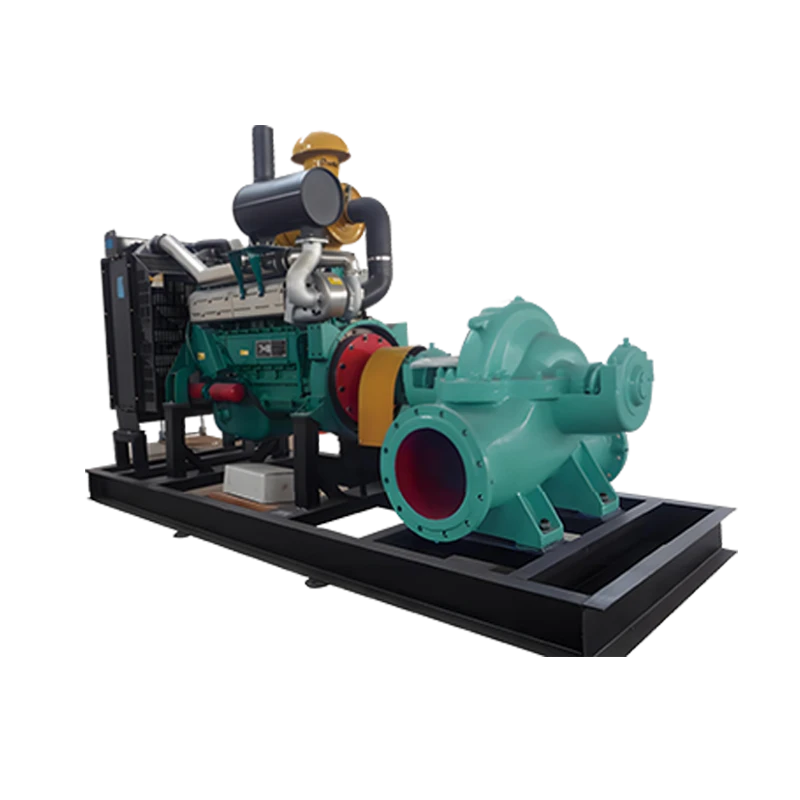
Portable dewatering pumps earn their place when the job moves faster than fixed infrastructure can be installed. A construction site with two or three active excavations may need the same pump in different locations across a single week. Trailer-mounted and skid-mounted units move with the excavator, and a diesel engine drive removes the need for a stable grid connection. In flood response and municipal rescue work, the deciding factor is usually self-priming speed. A pump that can re-prime after the suction hose shifts will keep water moving while the crew relocates the intake. The tradeoff is that mobility carries practical limits in fuel storage, discharge piping, and continuous-duty cooling. Those limits matter less on short cycles and more when the pump runs around the clock.
When Does a Stationary Dewatering Pump Deliver More Value?
A stationary dewatering pump becomes the better choice when the water volume is predictable and the site will stay wet for months. Mining drainage, deep excavation programs, and long-term flood control all favor a fixed installation because the pump can be matched to a permanent discharge line, larger fuel storage, and a service platform that simplifies daily checks. The system is not being designed to move every week, so the specifications can focus on efficiency and head instead of transport weight. In our dewatering pump range, the S Series double-suction split-casing design is an example of a pump configuration that supports higher installed flow while keeping maintenance access straightforward. The decision to go stationary is usually an economic one: the site pays for the installation once and then runs for a long operating season.
| Factor | Portable dewatering pump | Stationary dewatering pump |
|---|---|---|
| Mobility | Trailer or skid mounted, moves with site | Fixed base or semi-permanent pad |
| Best duty cycle | Intermittent, emergency, short-term | Continuous, long-duration, high-volume |
| Infrastructure | Suction and discharge hose, small fuel tank | Fixed piping, larger fuel storage, service access |
| Main advantage | Fast deployment and relocation | Higher sustained capacity and fewer transport compromises |
| Watch item | Cooling and fuel autonomy during 24-hour runs | Installation time and fixed discharge line cost |
How Do Flow Rate, Head, and Duty Cycle Shape the Decision?
Flow rate tells you how many cubic meters per hour must be removed. Head tells you how hard the pump has to work to push that water through the discharge line and up to the exit point. Duty cycle determines whether the selected pump can run at that operating point without overheating, losing prime, or requiring excessive service intervals. A portable pump specified only by maximum flow may fail on a site with a deep suction lift or a long discharge run, because the stated flow occurs at a specific head. The same logic applies in reverse. A stationary high-head pump may be the wrong fit for a shallow flooded area where high flow at low pressure matters more than lift. We usually ask customers to calculate the system curve before comparing pump curves, because the intersection of those two lines is the only point that matters.
If your program involves a mix of stormwater control and continuous pit dewatering, confirm the duty point and maximum suction lift before finalizing the pump specification. Send your site flow rate and total head to [email protected] and we will check the curve against the available diesel-driven configuration.
Why Should You Compare Diesel Engine Duty Before Choosing a Dewatering Pump?
The pump end gets most of the attention, but the diesel engine determines whether a dewatering system can sustain the schedule. Continuous pumping loads the engine differently than emergency duty. A unit rated for standby or intermittent service may need more frequent oil and filter attention when it runs for days without stopping. That is why we evaluate the engine duty rating alongside the pump curve in our dewatering pump range.
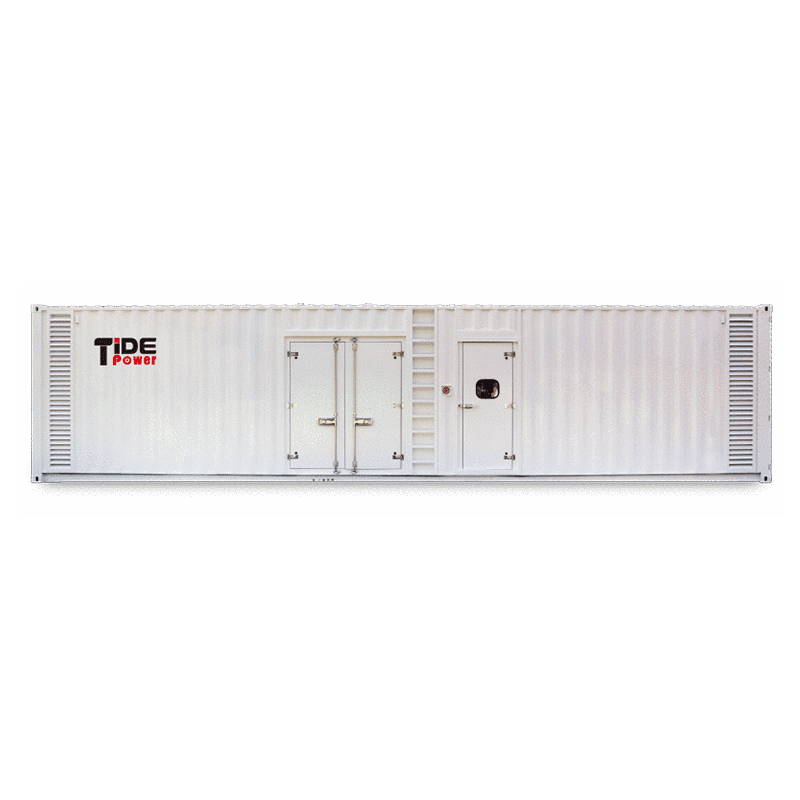
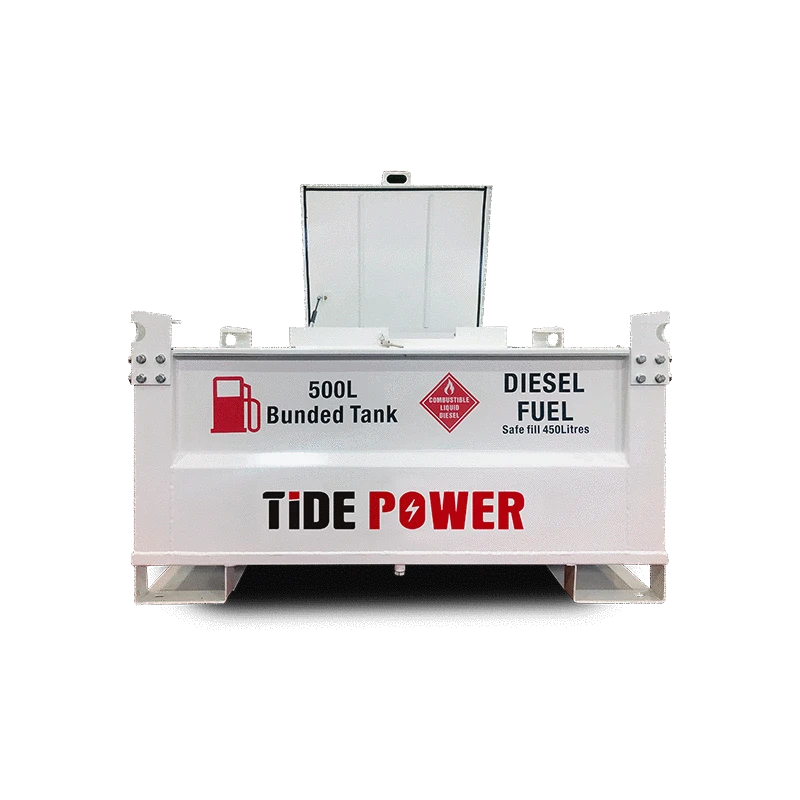
High-strength self-priming pump bodies, durable diesel engine power systems, and accessible service points matter more when a site is in a remote area with limited maintenance support. On remote mine dewatering sites, the difference between meeting the pumping target and losing a shift often comes down to fuel tank capacity and whether the crew could refuel without stopping the pump. That operational detail is often missing from a basic flow and head comparison.
What Should You Send to a Dewatering Pump Supplier Before Finalizing Specification?
Most portable vs stationary dewatering pump comparisons stall because the site information is incomplete. The supplier can only recommend a configuration when the duty profile is clear. Before finalizing a specification, send the required flow rate, total head, suction lift, water quality, expected daily runtime, and the number of weeks or months the pump will operate. That package of information removes the guessing from the selection. At Tide Power, we use those inputs to match the pump series and diesel engine configuration to the site, not just to the catalog. Send your operating data to [email protected] or call +86 591 2806 8999, and we will confirm the portable or stationary pump configuration that fits the schedule.
What Else Do Engineers Ask About Portable vs Stationary Dewatering Pumps?
Can a portable dewatering pump handle continuous mine or tunnel dewatering?
A portable dewatering pump can handle continuous duty only when the diesel engine and pump end are rated for the required duty cycle. In many emergency and construction settings, portable units are used around the clock for days. The limit is not the portability itself; it is whether the cooling system, fuel supply, and bearing arrangement match the continuous load. For open pit applications with long-term water management, a stationary or semi-fixed unit usually becomes the better economic choice because it can be paired with larger fuel storage and permanent discharge piping.
Does stationary always mean higher flow capacity?
A common assumption is that stationary dewatering pumps always move more water. That is not true. Many trailer-mounted or skid-mounted portable pump sets can produce high flow, but the difference appears when high volume must be sustained without interruption. Stationary installations are typically selected for higher installed power, larger pipe diameters, and fixed power connections, which reduce the compromises needed for road transport. If the site must sustain high flow for several months, a stationary pump configuration often simplifies fuel management and maintenance access.
What matters more, flow rate or head, when comparing pump types?
The more important parameter depends on the site hydraulic profile. When water must be moved across a flat site to a nearby discharge point, flow rate controls the decision. When the discharge point is high or the suction pit is deep, total head and net positive suction head available become the limiting factors. A portable pump with high flow but insufficient head will perform below the published duty point, while a stationary high-head pump may be oversized for shallow dewatering. We direct most customers to calculate the system curve first, then match the pump curve to that operating point.
How quickly can a diesel-driven pump unit be mobilized for emergency flood control?
In emergency flood control programs we have worked on, a diesel-driven portable pump with fast self-priming can usually be loaded and running the same day if the correct suction and discharge fittings are already packaged with the unit. The main delay is rarely the pump itself; it is the setup of stable suction and discharge hose, plus fuel supply for continuous operation. For that reason, we keep the dewatering pump range configured with diesel engine drive and high-strength self-priming pump bodies so the unit can be deployed without waiting for electrical infrastructure. Share your site access and required flow range with [email protected] and we will confirm which configuration can be shipped fastest.
If you’re interested, check out these related articles:
Tide Power KSA Warehouse: Gensets & Lighting Towers Available Now
Register to visit Tide Powers stand NO.4.B13 at Nigeria Energy