 EN
EN ZH
ZH FR
FR ES
ES AR
ARWhen a procurement specification arrives from a different continent listing a generator in kVA while your load study is in kilowatts, the simple difference between these two ratings suddenly becomes a six‑figure sourcing decision. Diesel generator kW vs kVA is not just a definitions exercise—it tells you how much real work the machine can do with your specific electrical loads, not what it could theoretically deliver into a perfect laboratory circuit. In international energy projects I have managed across Asia and the Middle East, the most expensive oversizing and the most dangerous undersizing both trace back to the same root: treating kVA as if it were the same as usable kilowatts. This article walks through the physical meaning of the two ratings, the power factor that connects them, and how load type, regional specification habits, and procurement practice determine which number you should actually trust when selecting a diesel generator.
What Diesel Generator kW and kVA Ratings Measure
Kilowatt and kilovolt‑ampere ratings both describe a generator’s output capacity, but they measure two different physical quantities. The kW rating, short for real power, represents the portion of electrical power that actually performs useful work—turning motors, heating elements, powering control systems, and running compressors. The kVA rating, or apparent power, is the total power the alternator windings must carry, including both the working component and a reactive component that circulates between the generator and inductive loads without contributing to the work output.
Inside a diesel generator set, the engine produces mechanical power and the alternator converts it into electrical power. The engine determines how many kilowatts the machine can sustain, because real power demands real fuel. The alternator, meanwhile, must be sized for the total current it carries, which the kVA rating reflects. This is why a 300kW diesel generator may carry a 375kVA alternator—the engine delivers the kilowatts, but the alternator handles the extra current required by the magnetic fields in motors and other inductive equipment.
This distinction matters immediately when you compare generator bids. A manufacturer that presents primarily the kVA figure is highlighting alternator capacity, not engine capability. In my experience reviewing tender documents across East Africa and Southeast Asia, the difference between a machine quoted at 500kVA and one quoted at 400kW is frequently just the power factor assumption, not any actual difference in the hardware. Recognizing which number you are looking at is the first procurement step toward an apples‑to‑apples comparison.
How Power Factor Creates the kW and kVA Gap
Power factor is the ratio of real power to apparent power. It is a number between 0 and 1, and for the vast majority of diesel generator applications, it sits somewhere between 0.8 and 1.0. The relationship is straightforward: kW = kVA × power factor. A generator rated at 100 kVA with a power factor of 0.8 will deliver 80 kW. If the same alternator runs into a purely resistive load with a power factor close to 1.0, it pushes nearly 100 kW—provided the engine has the horsepower to sustain that output.
| Load Type | Typical Power Factor | kW from a 125kVA Generator | Engine Requirement |
|---|---|---|---|
| Resistive (heaters, incandescent lighting) | 0.95–1.0 | 119–125kW | Engine must deliver full 125kW |
| Mixed light industrial | 0.85–0.90 | 106–113kW | Engine likely sized for 100–110kW |
| Motor‑heavy (pumps, compressors, conveyors) | 0.75–0.85 | 94–106kW | Engine may be the limiting factor |
| UPS and IT loads (non‑linear) | 0.70–0.80 | 88–100kW | Alternator must handle harmonic heating |
The table highlights a procurement reality I have seen cause borderline power shortages on job sites: the same 125kVA alternator can deliver anywhere from 88kW to 125kW depending on what is plugged into it. The engine behind the alternator must be capable of sustaining the real power demand, which is why a generator bought purely on kVA can end up undersized for a motor‑starting application even though the nameplate number looked sufficient on paper.
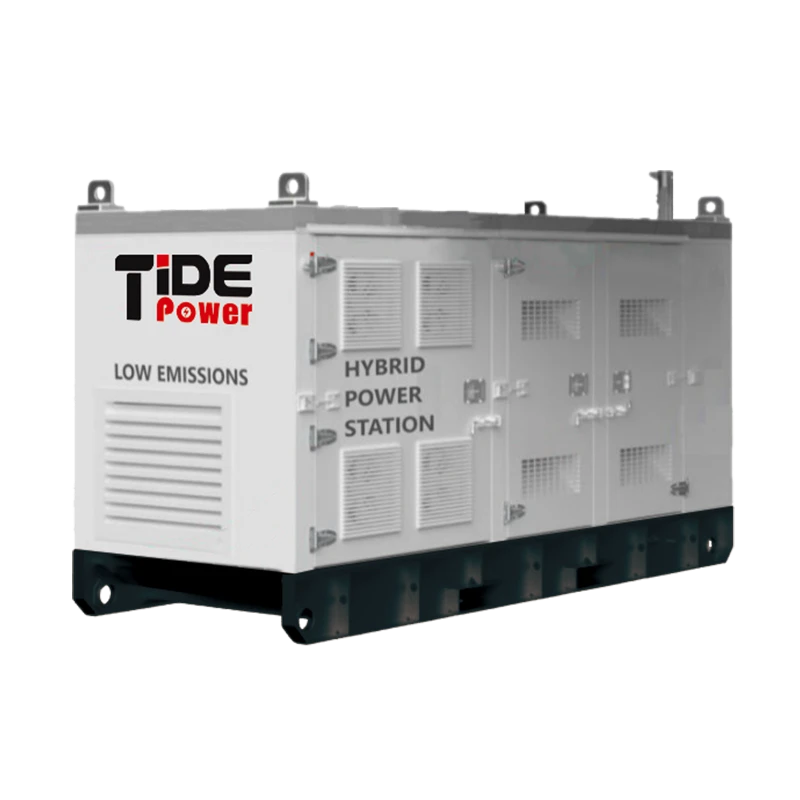
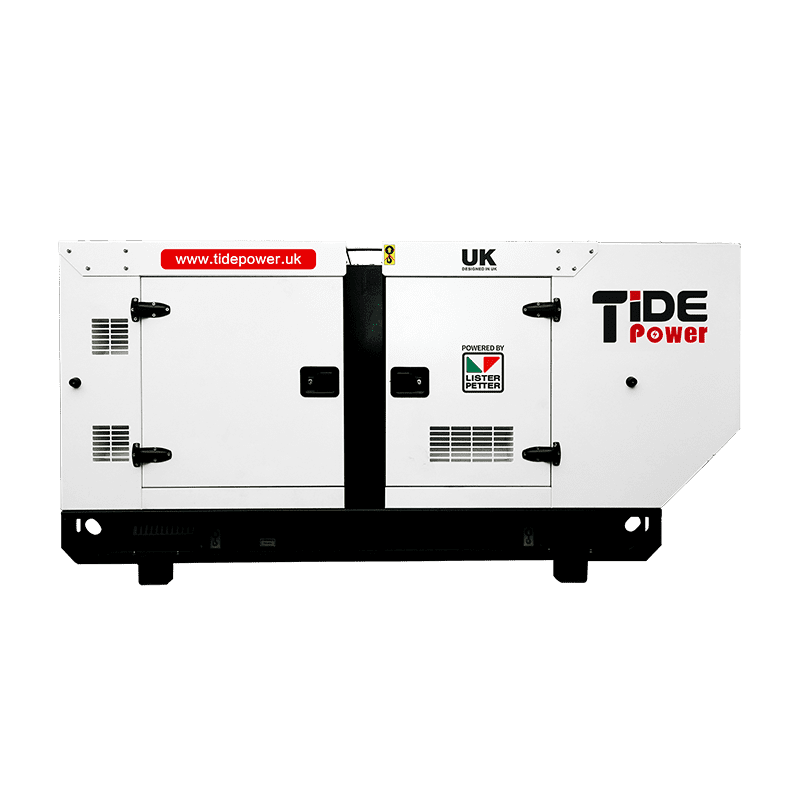
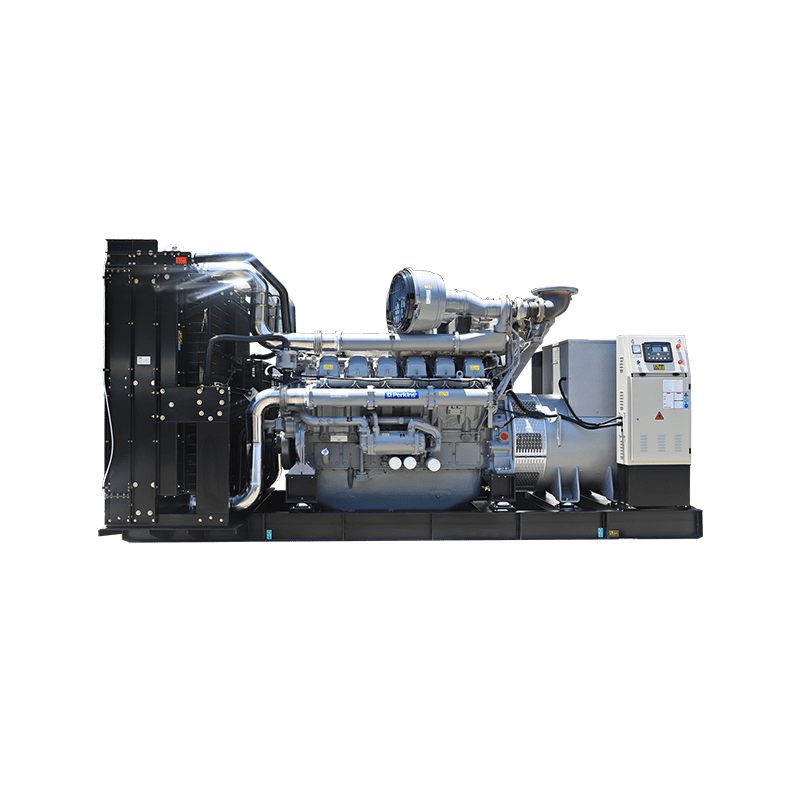
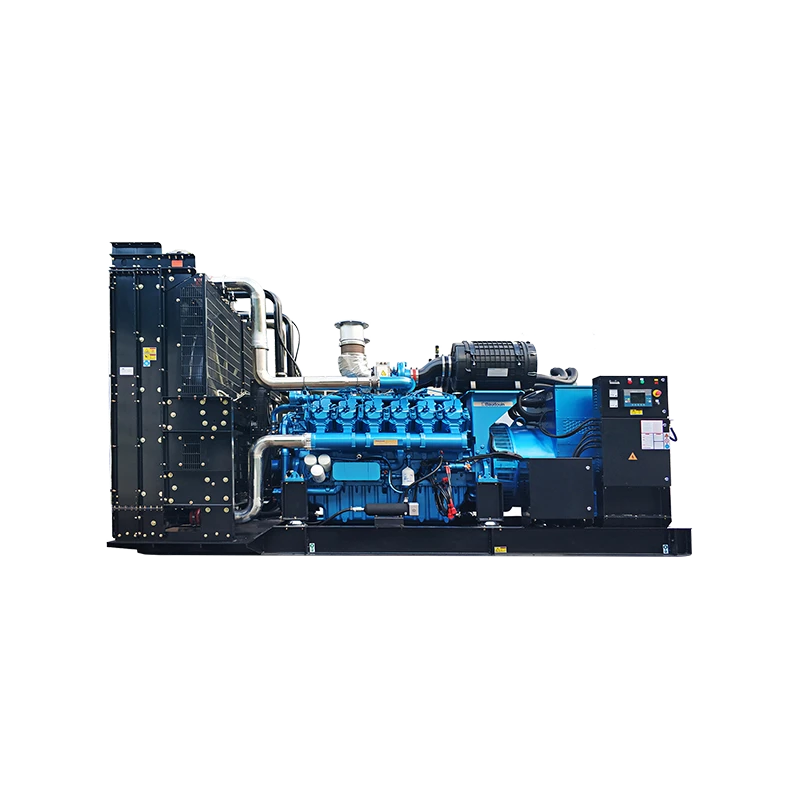
The diesel generator sets that Tide Power supplies to construction, mining, and telecom projects—from the compact Panda Series to the large‑scale Econic Series with Cummins or Perkins engines—are engineered with a clear relationship between engine capacity and alternator kVA so that the machine delivers real site power rather than just a laboratory rating. When a project involves variable or intermittent motor loads, specifying the alternator to handle the peak kVA while confirming the engine kW rating matches the actual running load is the only way to avoid voltage dips and premature engine wear.
Why Load Type Changes Usable Generator Capacity
The composition of your electrical load changes how many kilowatts you can actually draw from a diesel generator, even if the kVA rating stays the same. Resistive loads—heating banks, tungsten lighting, drying ovens—draw current in phase with voltage, producing a power factor near 1.0. Inductive loads—three‑phase motors, transformers, solenoid valves—lag the current behind the voltage waveform and pull reactive power that the alternator must supply but that the engine does not burn fuel to produce.
When a generator feeds a mixed load that is heavy on induction motors, the apparent power demand rises relative to the real power the engine delivers. This is why a 200kW diesel generator can sometimes run a 190kW heater bank without trouble but trips on overload when trying to start a 150kW compressor motor: the inrush current pulls a huge kVA spike that the alternator cannot sustain, even though the engine would be capable of carrying the steady‑state kilowatts. In data centers and telecom facilities, UPS systems add non‑linear loads that generate harmonic currents, further increasing the effective kVA demand without a proportional increase in kW.
I have seen facility managers in the Philippines and Nigeria chase generator sizing problems for months because they were comparing site loads in kW with generator data sheets built around a standardized 0.8 power factor. The generator met the kW number in the catalog, but the site had a real power factor closer to 0.7. The result was persistent alternator overheating, voltage instability on motor starts, and blame assigned to the generator brand when the fault lay entirely in the specification mismatch. Confirming your actual site power factor—not assuming the catalog value—is the single most impactful technical step you can take before issuing a purchase order.
Comparing Generator Ratings Across Global Specifications
The procurement challenge intensifies when you work across regions. European and Asian manufacturers frequently lead with the kVA rating because it follows the IEC alternator sizing convention. North American specifications tend to lead with kW, because the market thinks in terms of engine horsepower and real power. Both conventions are internally consistent, but the moment a buyer in Manila solicits bids from a Chinese manufacturer, a British supplier, and an American distributor, the three quotes will often look like three different machines even when they describe the same capability.
Here is a real‑world procurement scenario I have guided clients through. A mining project in West Africa required 1.2MW of running power for its crushing circuit, which had a measured site power factor of 0.82. Three suppliers quoted:
• Supplier A (Asia): 1,500kVA generator set, mentioning “prime power” at 0.8 pf
• Supplier B (Europe): 1,200kW generator set, with a note that the alternator was rated at 1,500kVA
• Supplier C (North America): 1,200kW generator set with a 1,500kVA alternator and a 10% overload capability
All three proposals described the same hardware architecture—a diesel engine capable of 1,200kW continuous output mated to a 1,500kVA alternator. But Supplier A’s proposal, read casually, looked 25% larger than the others. Without a disciplined kW‑first comparison protocol, the procurement committee nearly awarded the contract based on an imaginary capacity advantage that existed only in the data‑sheet semantics.
Tide Power’s product range, including the Fenova, Hemera, and Econic diesel generator series, follows the international practice of listing both ratings clearly on the nameplate and technical datasheet. The engine kW rating, the alternator kVA rating, and the basis power factor are all specified so that the buyer sees the complete picture. For international tenders, I recommend requesting every bidder to confirm the continuous kW output at the specific site power factor before comparing prices. That one step removes the kVA shell game from the evaluation entirely.
Choosing the Right Rating for Your Power Requirements
For procurement and engineering teams, the decision of which rating to prioritize follows a clear logic once you answer three questions: What is your total connected load in kW? What is the worst‑case starting kVA demand you expect? And what is the measured or calculated power factor of your specific load profile?
The engine kW rating determines what the generator can sustain hour after hour. If your site load study shows 180kW of running equipment, you need a diesel engine capable of delivering at least 180kW continuously, with an appropriate margin for site altitude, ambient temperature, and future expansion. The alternator kVA rating then covers the starting currents and reactive loads. In practice, many well‑specified diesel generator sets pair a 200kW engine with a 250kVA alternator, providing headroom on both sides without overcapitalizing.
When load characteristics are uncertain—for example, rental power for a construction site where the mix of tower cranes, pumps, and site offices changes weekly—leaning on the alternator kVA rating provides conservative protection against startup surges. When the load is well‑characterized and predominantly resistive, such as a fixed‑speed pump station or a tunnel ventilation system, the kW rating becomes the primary sizing number and the alternator is selected simply to match. If your project involves non‑linear loads from UPS banks or variable frequency drives, the alternator should be specified with a temperature rise margin to handle harmonic heating. Sharing your load profile and site conditions with the generator manufacturer before finalizing the rating selection avoids the most common sizing errors.
Common Questions About Diesel Generator Power Ratings
Why do generator datasheets show both kW and kVA if they measure different things?
Because different audiences need different numbers. The facility engineer designing a switchboard cares about current and circuit breaker ratings, which link to kVA. The project manager approving the fuel budget and calculating engine runtime cares about kW. A complete generator specification provides both ratings, along with the power factor assumption that connects them, so that every stakeholder can read the number relevant to their decision.
Is a higher kVA rating always better?
Not on its own. A larger alternator allows more starting current headroom, but if the diesel engine behind it cannot sustain the real power the load requires, the extra kVA adds cost and weight without delivering usable energy. In programs we have supported across West African mining operations, overspending on alternator capacity while undersizing the engine turned into a reliability problem, not an advantage. The engine and alternator must be sized together around the specific load profile.
How can I find the actual power factor of my site?
The most reliable method is to measure it with a power quality analyzer connected at your main distribution board over a representative operating cycle. If you do not have site access yet, calculate the power factor from your equipment schedule: sum the kW and kVA of each major load individually using the manufacturer data, then divide total kW by total kVA. Data‑center and telecom loads, which include many UPS rectifiers, often run at power factors between 0.85 and 0.95, while heavy industrial motor loads tend toward 0.75–0.85. Using the site‑specific number rather than the generic 0.8 avoids both oversizing and under‑delivery.
Does the generator rating convention affect warranty and after‑sales support?
It can, if the machine has been operated beyond its specified limits. A generator run continuously at a kVA load that pushes the engine beyond its kW rating will accumulate engine wear faster than the design assumes, even though the kVA number was within the alternator’s capability. I recommend that every project team confirm with their supplier what continuous kW output is covered under warranty at the site altitude and ambient temperature, and whether the warranty recognizes the actual power factor under which the machine will operate. Share your detailed load profile and operating expectations early—doing so aligns the warranty terms with real‑world usage rather than a catalog rating.
If your team is weighing multiple generator proposals with different rating presentations or trying to reconcile a load study with a specification sheet written under a different regional standard, send the requirement and your site power factor to [email protected] or call +86 591 2806 8999—Tide Power’s engineering team can validate the correct engine‑alternator pairing for your specific application before you commit to a purchase.
If you’re interested, check out these related articles:
Tide Power Heavy-Duty Solutions for Industry
Tide Power & Caterpillar Special Exchange Meeting Concludes Successfully!