 EN
EN ZH
ZH FR
FR ES
ES AR
ARImporting a mini excavator involves more decisions than most buyers anticipate. The machine itself may cost less than the logistics, duties, and compliance work required to get it operational at your site. I have worked with procurement teams who budgeted accurately for the equipment but underestimated shipping costs by 40% because they did not account for inland transport, port handling, and import documentation fees. This guide covers the practical steps for shipping and importing mini excavators, from selecting the right freight method to clearing customs and preparing for final delivery.
How Shipping Method Affects Your Total Landed Cost
The choice between container shipping and roll-on/roll-off (RoRo) affects more than just the freight invoice. Container shipping using 20-foot or 40-foot units provides better protection during transit and allows consolidation of spare parts, attachments, and documentation in the same shipment. Most mini excavators in the 1-ton to 4-ton range fit inside a 20-foot container with room for buckets and hydraulic breakers.
RoRo shipping costs less per unit for larger equipment but exposes the machine to salt spray and weather during ocean transit. For mini excavators, the cost difference between RoRo and container shipping rarely justifies the additional risk of corrosion damage to hydraulic lines and electrical components.
| Shipping Method | Best For | Typical Transit Time (Asia to Europe) | Protection Level |
|---|---|---|---|
| 20ft Container | 1-2 ton excavators with attachments | 28-35 days | High |
| 40ft Container | 3-4 ton excavators or multiple units | 28-35 days | High |
| RoRo | Units over 5 tons, no attachments | 35-45 days | Moderate |
| Air Freight | Emergency replacement units | 3-5 days | High |
Air freight makes sense only when a machine failure has halted a project and the daily standby costs exceed the premium shipping expense. I have seen this calculation work for mining operations where a single day of downtime costs more than the entire air freight bill.
Preparing the Machine for International Transit
Proper preparation before loading prevents damage claims and customs delays. The excavator must be drained of fuel to comply with shipping regulations, though a small amount of diesel in the lines is acceptable to prevent injector damage. Hydraulic oil levels should remain full to protect cylinder seals during the voyage.
Secure all moving parts before container loading. The boom, arm, and bucket must be positioned in the transport configuration with pins locked. The tracks should be blocked to prevent shifting, and the cab door must be secured but not locked, allowing inspection access at destination ports.
Documentation travels with the machine. Include the commercial invoice, packing list, certificate of origin, and any CE or emissions compliance certificates inside a waterproof envelope attached to the operator’s manual. Customs officers at the destination port need these documents to process clearance, and missing paperwork causes storage fees that accumulate daily.
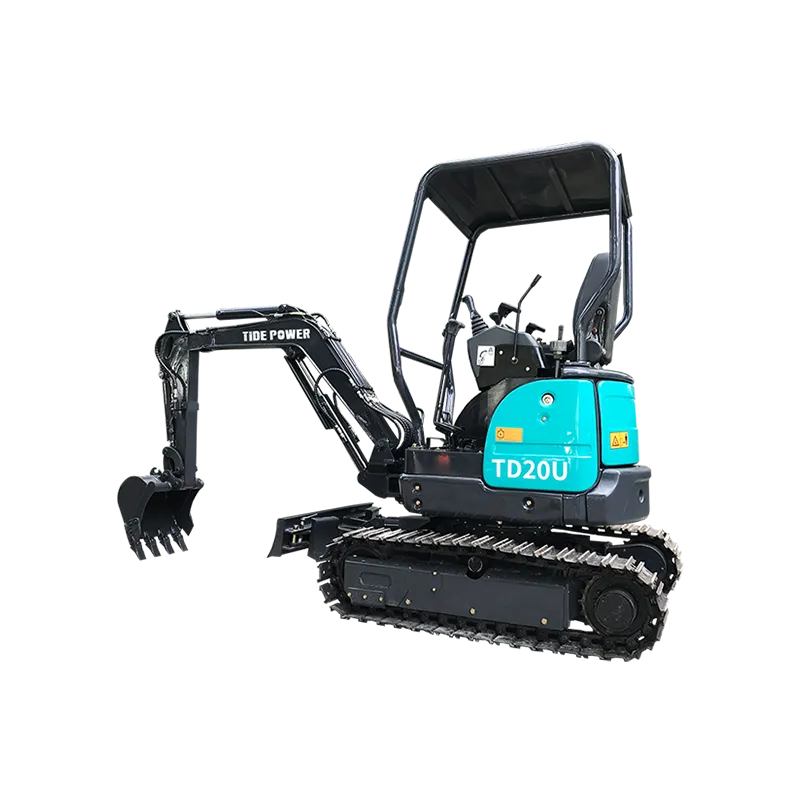
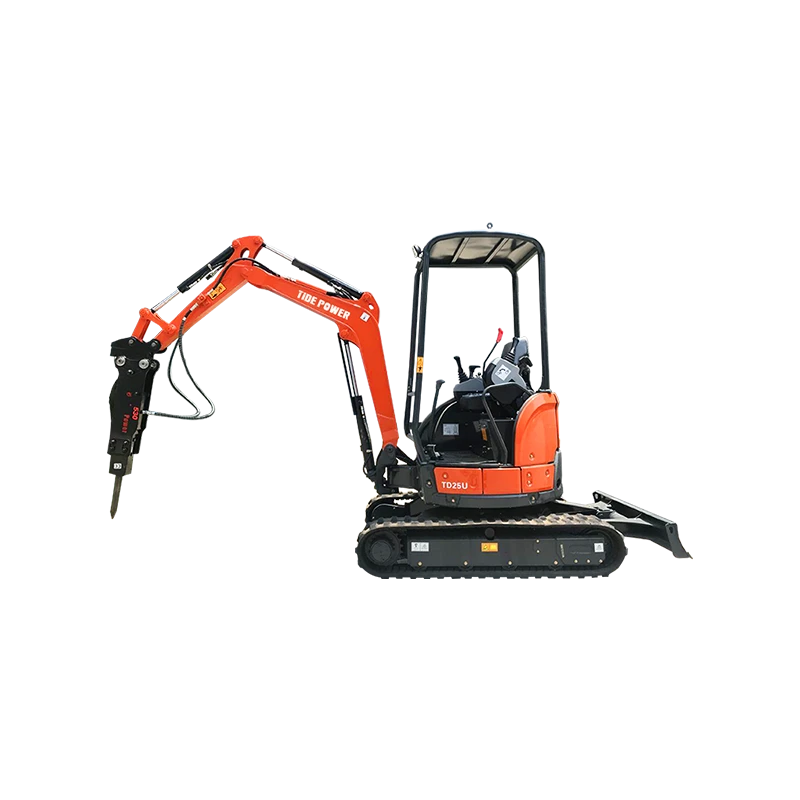
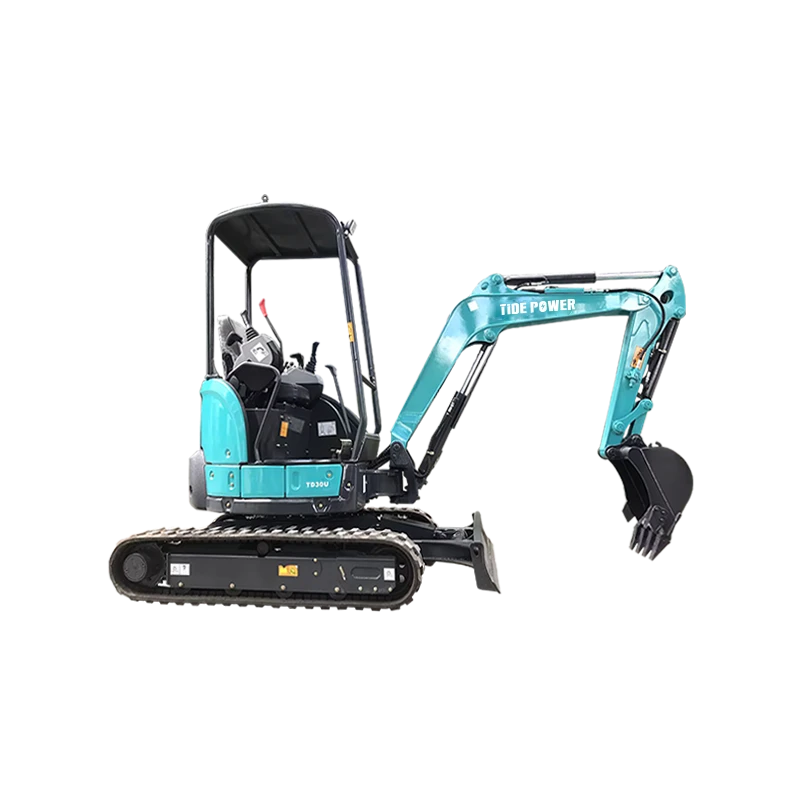
For Tide Power mini excavators like the TD10 through TD40U range, we provide export documentation packages that include the manufacturer’s declaration of conformity and detailed specifications matching the customs classification codes your broker will need.
Customs Classification and Duty Calculation
Mini excavators fall under Harmonized System code 8429.52, which covers self-propelled mechanical shovels, excavators, and shovel loaders with a 360-degree revolving superstructure. The duty rate varies significantly by destination country and any applicable trade agreements.
European Union imports face a standard duty rate of 0% for excavators under certain trade preference schemes, while the United States applies rates between 0% and 2.4% depending on the specific classification and country of origin. Australia charges 5% duty on most construction equipment imports.
The customs value includes the machine price, freight cost, and insurance. This CIF value forms the basis for duty calculation. Some buyers attempt to reduce duties by undervaluing equipment on commercial invoices, but customs authorities compare declared values against market databases and will assess penalties plus back duties when discrepancies appear.
If your project qualifies for temporary import status, such as equipment brought in for a specific construction contract, you may defer or eliminate duty payments entirely. This requires a customs bond and strict compliance with re-export timelines.
Port Handling and Inland Transport Logistics
The machine’s journey does not end when the ship docks. Port handling charges include unloading, container destuffing, and temporary storage. Most ports allow 3-5 free days before demurrage charges begin, so coordinate your customs clearance and inland transport to meet this window.
Inland transport options depend on the excavator size and your site location. Mini excavators under 3 tons can travel on standard flatbed trucks without special permits in most jurisdictions. Larger units may require oversize load permits, pilot vehicles, and restricted travel times.
I recommend booking inland transport before the vessel arrives rather than scrambling after customs clearance. Transport availability tightens during construction season, and waiting for a truck while paying port storage fees erodes your budget quickly.
For remote project sites, consider whether the final delivery location has adequate unloading equipment. A mini excavator can self-unload from a flatbed using its own tracks, but this requires the driver to position the truck on level ground with adequate clearance for the machine to reverse off safely.
Compliance Requirements That Delay First-Time Importers
Emissions compliance catches many buyers unprepared. The European Union requires Stage V emissions certification for new construction equipment. The United States enforces EPA Tier 4 Final standards. Australia follows its own ADR framework. A machine built for one market may not legally operate in another without modifications or exemptions.
Safety certifications add another layer. CE marking is mandatory for equipment sold in the European Economic Area. This is not simply a sticker but represents a declaration that the machine meets essential health and safety requirements under the Machinery Directive.
Some countries require pre-shipment inspection by authorized agencies before the equipment leaves the origin port. Nigeria, for example, mandates SONCAP certification. Indonesia requires SNI compliance verification. Missing these inspections means the shipment will be held at destination until compliance is established, often requiring the machine to be shipped back or destroyed.
Before placing your order, confirm which certifications the manufacturer provides and which you must arrange independently. Tide Power equipment ships with CE certification and documentation supporting customs clearance in major markets, but destination-specific requirements remain the importer’s responsibility to verify.
What Experienced Importers Check Before Signing
The purchase contract should specify Incoterms clearly. FOB means you take responsibility once the machine crosses the ship’s rail at the origin port. CIF includes freight and insurance to the destination port but not customs clearance or inland delivery. DDP places all responsibility on the seller through final delivery, but this premium service costs accordingly.
Payment terms affect your risk exposure. Letters of credit provide security for both parties but add banking fees and documentation requirements. Telegraphic transfer payments are simpler but offer less protection if disputes arise. For first-time purchases from unfamiliar suppliers, the additional cost of a letter of credit is worthwhile insurance.
Warranty coverage across borders requires attention. Confirm whether the manufacturer’s warranty applies in your country, who provides service support, and what documentation you need to preserve warranty rights. Some warranties require registration within a specific period after delivery or become void.
Spare parts availability determines your long-term operating costs. A machine with no local parts support means international shipping for every filter, seal, and wear component. Before committing to a purchase, verify that critical spare parts are stocked in your region or that the supplier maintains reasonable delivery times for orders.
Common Questions About Mini Excavator Imports
How long does the complete import process take from order to site delivery?
The timeline runs 8-14 weeks for most international shipments. Manufacturing or stock availability takes 2-4 weeks, ocean freight adds 4-6 weeks depending on the route, and customs clearance plus inland transport requires 1-2 weeks. Rush orders can compress this schedule but at premium cost. If your project timeline is fixed, work backward from the required delivery date and add buffer time for potential delays at customs or port congestion.
What insurance coverage should I arrange for international equipment shipments?
Marine cargo insurance should cover the full replacement value plus freight costs, not just the invoice amount. Standard policies exclude certain risks like war, strikes, and delay-related losses, so review exclusions carefully. Institute Cargo Clauses A provides the broadest coverage. Your freight forwarder can arrange this, but independent policies often offer better terms. Keep all shipping documents and photographs of the machine’s condition before loading to support any claims.
Can I import a used mini excavator, and what additional requirements apply?
Used equipment imports face stricter scrutiny in many countries. Age restrictions apply in some markets, with certain nations prohibiting equipment older than 5-10 years. Pre-shipment inspection requirements are more rigorous for used machinery. Emissions compliance becomes complicated because older machines may not meet current standards. Duty calculations may use assessed market value rather than the transaction price if customs believes the declared value is artificially low.
What happens if my shipment is held at customs for inspection?
Customs holds trigger storage charges that accumulate daily, typically ranging from $50-150 per day depending on the port. Inspections may require you to provide additional documentation, pay for laboratory testing of fluids, or arrange for a customs broker to represent your interests. Most holds resolve within 5-10 business days if your documentation is complete. Persistent issues may require engaging a licensed customs attorney. If your program involves equipment imports for the first time, it is worth discussing the clearance process with your freight forwarder before the shipment arrives to identify potential documentation gaps.
If you are planning a mini excavator import and want to confirm shipping specifications, compliance documentation, or landed cost estimates for your destination, send your requirements to [email protected] or call +86 591 2806 8999. We can provide FOB, CIF, or DDP quotations based on your project location and timeline.
If you’re interested, check out these related articles:
Tide Power Shines at Expo Eléctrica International 2025 in Mexico City
Get ready to meet Tide Power’s latest product at POWERGEN 2025
TIDE POWER TP200BESS: Advanced Hybrid Storage for Industrial Efficiency
Unlocking Energy Independence & Savings: Tide Power’s Scalable BESS Solutions for C&I Applications
Tide Power Announces Global Exhibition Schedule for Second Half of 2025