
 EN
EN ZH
ZH FR
FR ES
ES AR
ARGenerator set selection starts with the load profile, not the brand list. Most procurement teams spend too much time comparing engine badges and too little time defining how the unit will actually run, and that reversal is the most common cause of oversizing, underperformance, and warranty friction. The decision sequence that works for international energy projects moves from load behaviour to fuel and duty rating, then site constraints, then supplier capability and total lifecycle cost. If you follow that order, you will shorten the specification process and arrive at a proposal that can be quoted accurately.
Define the Load Profile Before Comparing Generator Sets
A generator set is a response to a load pattern. Before comparing ratings, list every connected load, its starting method, and its coincidence factor. Motors, compressors, pumps, UPS systems, and medical or data equipment all draw differently during start and steady state. If you add nameplate values without accounting for diversity, you will buy a unit that is either too large or too small. Oversizing is not harmless. Lightly loaded diesel engines accumulate carbon in the exhaust system, and underloaded engines can wet stack. That reduces operating life and raises maintenance cost.
What Is the Difference Between Standby and Prime Power?
Standby rating applies to units that run only during utility failure, typically with an annual hour limit. Prime power applies to units that run as the main source for extended periods. The distinction changes the engine’s allowable load factor and service interval. Choose standby only when the utility supply is reliable and the generator set is genuinely a backup. For continuous off-grid or island-mode operation, specify prime or continuous duty, even if a standby-rated unit appears cheaper on paper.
Build the load list in three columns: running kW, starting kVA, and expected duty hours per year. This document is the single most useful input for a supplier. Without it, any quote is a guess.
Match Fuel Type and Duty Rating to How the Unit Runs
Fuel choice is not a preference; it follows runtime, fuel availability, emissions rules, and total energy cost. Diesel remains the fastest starting and most energy dense option for emergency standby applications. Natural gas and biogas generator sets make sense where gas is available at a stable price and where cleaner emissions or continuous operation matter. Hybrid systems combining solar, battery storage, and diesel generators work for off-grid sites or microgrids where fuel delivery is expensive.
| Fuel Type | Best Fit | Starting Response | Typical Tide Power Options |
|---|---|---|---|
| Diesel | Emergency standby, mining, construction | Fast start, high load acceptance | Fenova Plus, Hemera, Econic, Panda |
| Natural Gas or Biogas | Continuous operation, low emission sites | Slower start than diesel | MWM Gas Generator Set, Lister Petter Gas Generator Set |
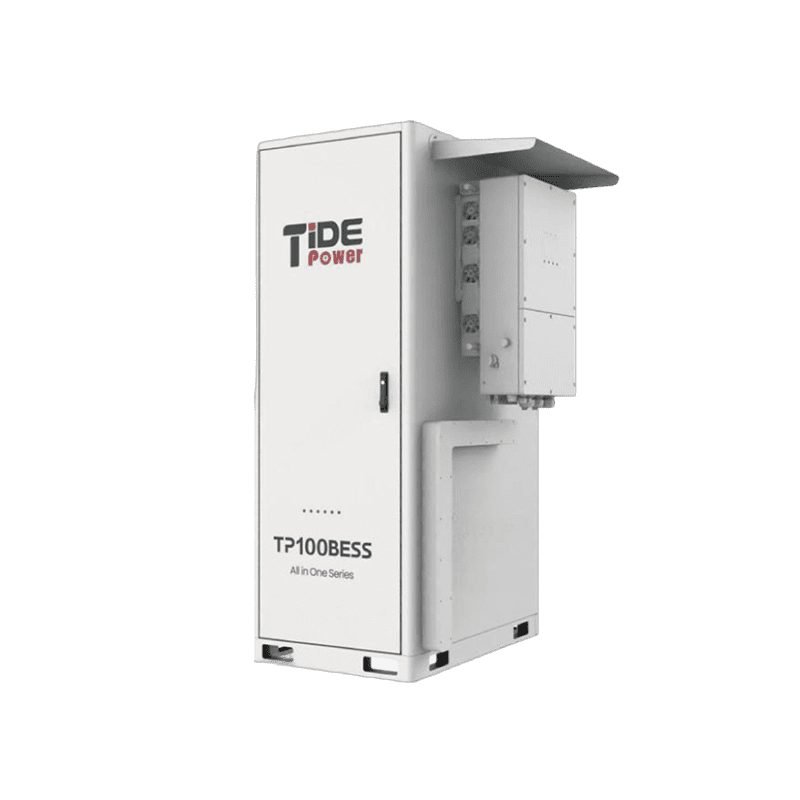
| Hybrid Diesel Plus Solar and Storage | Off-grid telecom, microgrid, remote loads | Millisecond switching in supported systems | TP-60P, TP-100BESS, TP-250P |
This is the point where many specifications go wrong. A generator set that meets the kW number but has the wrong fuel system will create operational problems later. Ask the supplier to state the expected load factor for the selected duty rating, not only the headline kVA. If the site has reliable natural gas supply and high runtime hours, gas generator sets usually deliver lower fuel cost per kilowatt hour and fewer emissions issues. If the site needs fast black start capability or can only store liquid fuel, diesel is still the practical choice.
If your load profile includes large motor starts or nonlinear loads, it is worth confirming the alternator sizing and starting kVA requirement before finalizing your specification. Send your largest motor nameplate and starting method to [email protected] and we will check the numbers.
Check Site Conditions and Emission Limits Early
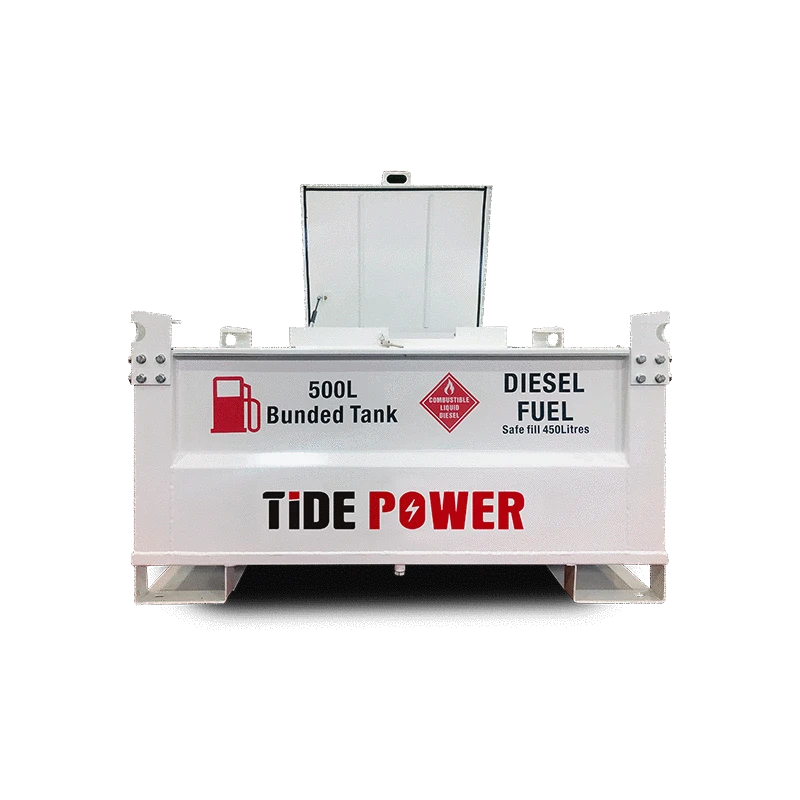
Site conditions change the generator set’s actual output. Altitude, ambient temperature, humidity, dust, and available ventilation all reduce engine and alternator capability. A unit rated 500 kVA at sea level may not deliver 500 kVA at 1,500 metres unless the supplier applies derating. Noise limits also matter for hospitals, hotels, residential areas, and data centres in urban locations. If the site has a 65 dBA night limit, a standard open unit will fail compliance before installation.
What Happens at High Altitude or High Ambient Temperature?
Air density drops at altitude, so engine combustion and radiator heat rejection lose margin. The alternator also runs hotter. A supplier should recalculate engine and alternator derating together, then select the next frame size if needed. Do not accept a simple percentage rule unless it is linked to the specific engine data sheet. For every 5 degrees Celsius rise above 25, cooling reserve shrinks. Enclosure design and remote radiator location matter just as much as the engine rating.
Noise-sensitive and emission-constrained sites need a silent type generator set with a soundproof canopy. Tide Power offers silent diesel generator series in this category, with local environmental permits usually easier to clear when the enclosure is designed from the start.
Evaluate Supplier Capability Beyond the Specification Sheet
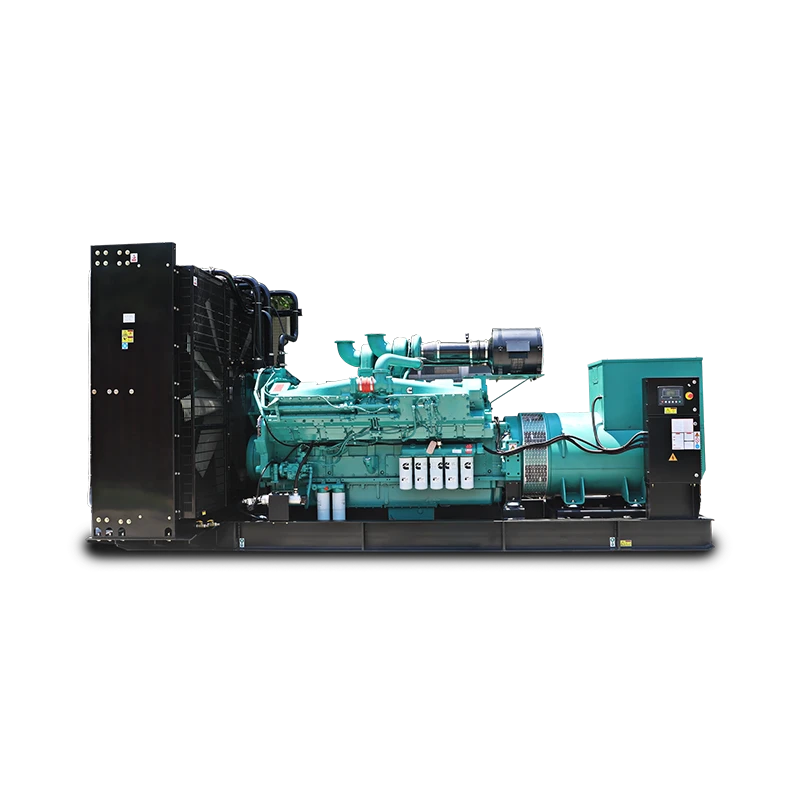
Specifications describe a product; they do not describe the supplier’s ability to deliver it. For generator sets, the higher-risk items are not the engine or alternator, but project engineering, factory testing, documentation, packaging, and after-sales parts. Ask for a complete scope of supply: control system, circuit breaker, fuel tank, exhaust system, heat dissipation, and optional synchronization. A supplier should be able to show the single-line diagram and test report before shipping.
Tide Power’s approach is to configure a set around project conditions, not to sell stock listings. This matters for export projects because the unit may need to be partially disassembled for shipping, reassembled on site, and commissioned by local personnel. If the supplier cannot describe the commissioning sequence, the project risk shifts to you.
Request a Generator Set Proposal With the Right Details
Most delayed quotes come from incomplete site information. When the supplier has to chase missing details, price accuracy drops and delivery dates slip. Before you send an inquiry, gather the load list, site voltage, frequency, altitude, ambient temperature, required noise level, fuel preference, and target delivery date. If the unit is for export, include the destination port and any local certification requirements. Send those details to [email protected] or call +86 591 2806 8999. A complete inquiry lets the Tide Power engineering team return a budget figure with the right series, enclosure, and option schedule instead of a generic product page.
Review Common Questions About Generator Set Selection
Should I size the generator set to match total connected load or running load?
Size to the running load with a check on starting kVA, not the connected load. Most facilities do not run every motor and circuit at full nameplate at the same time. Add up running kW, then verify that the largest motor start does not exceed the alternator’s starting kVA capability. This gives a generator set that handles the site without oversizing. If the load list is short, a direct nameplate total may work, but for mixed industrial loads the coincidence factor usually matters more.
Is a diesel generator set always better than a gas generator set?
Diesel is often assumed to be the default choice, but that is not always true. Diesel generator sets start quickly and accept large load steps, which makes them strong for emergency standby. If the site runs many hours per year on gas, a natural gas or biogas generator set can lower fuel cost and simplify emissions compliance. The right answer depends on runtime, gas availability, and fuel storage rules. For off-grid renewable sites, a hybrid system with solar and battery storage can reduce diesel runtime to a fraction of a conventional setup.
What information do suppliers need to quote an accurate generator set?
It depends on whether the project is local or export. For a local installation, the supplier needs the load list, site voltage, frequency, ambient conditions, noise limit, and required duty rating. For export projects, add the destination port, packaging requirements, and any certification standards the site must meet. A complete single-line diagram is the fastest way to align the generator set with switchgear and controls. If any of these items is missing, the supplier will have to make assumptions, and those assumptions tend to be conservative in the wrong places.
How do I know if a silent type generator set is required for my site?
In projects we have delivered, noise limits are often the last item checked, and that delay creates unnecessary redesign. If the site sits near residential areas, hospitals, hotels, or has a night time permit condition, start with a silent type generator set with a soundproof canopy. Check the local dBA limit at the property boundary, not just beside the unit. For sites with strict emission rules, pair the enclosure with the right engine configuration from the beginning. Share your required sound level and available space and we will confirm the enclosure package that fits the site.
If you’re interested, check out these related articles:
Ensure Reliable Power with Tide Power Gensets in the Hot Season
Animal Breeding Project in Vietnam
