
 EN
EN ZH
ZH FR
FR ES
ES AR
ARMicrogrid vs traditional grid is not only a difference in generation size. A microgrid gives a facility operator direct control over islanding, source dispatch, and fault behavior; a traditional grid centralizes those decisions with the utility. For industrial energy buyers, that distinction changes procurement questions more than the technology list does. From experience across international power projects, I apply one rule before comparing capital costs: evaluate control architecture and failure response first. The sections below turn that rule into practical decisions for generator sets, battery storage, and hybrid power systems.
Microgrid and Traditional Grid Architecture Compared
A traditional grid operates as a large interconnected network. Generation, transmission, and distribution are planned and dispatched by a utility or grid operator. A microgrid operates as a local energy system with enough generation, storage, and load control to separate from the wider grid and continue running.
The architectural difference appears before any equipment is selected. In a traditional grid, a facility receives power from the distribution network and has little say in how frequency, voltage, and protection are coordinated upstream. In a microgrid, the operator or an energy management system controls which assets run, when they disconnect, and which loads remain energized.
| Dimension | Traditional Grid | Microgrid |
|---|---|---|
| Control location | Utility control center | Local controller or energy management system |
| Failure response | Feeder isolation and upstream protection | Island formation and load shedding |
| Generation mix | Centralized plants | Distributed generation, storage, and controllable loads |
| Load priority | Network-wide balancing | Site-specific critical load prioritization |
| Expansion | Utility planning cycles | Incremental project additions |
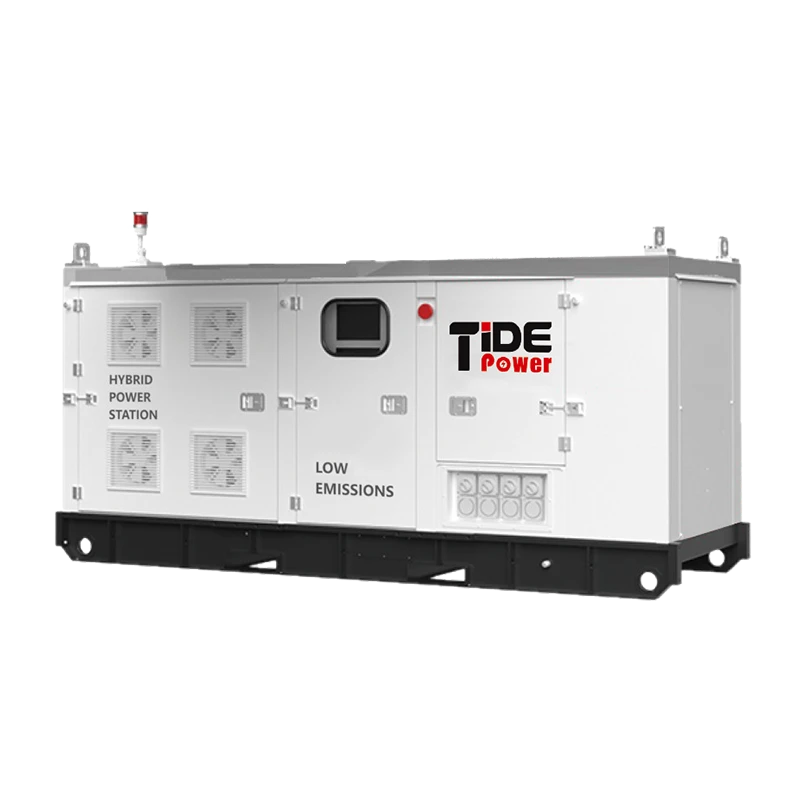
Control location matters more than most specification discussions suggest. A microgrid does not simply add generation; it changes who makes switching decisions during a disturbance. Capacity gets attention first, but the deciding factor is whether the site can ride through a fault without waiting for utility coordination.
Control and Fault Response in Microgrid vs Traditional Grid Operations
Control sequence and fault behavior are where microgrid projects succeed or fail. Traditional grids carry high fault current from rotating generators across a large network. Protection schemes assume that strong current will operate breakers quickly. Microgrids often include inverter-based sources, so fault current may be lower and less predictable. If protection settings are copied from a traditional grid design, coordination fails.
Island Mode Frequency and Voltage Control
When a microgrid disconnects from the main grid, it must form its own stable voltage and frequency reference. A diesel generator set can do this through its governor and automatic voltage regulator, but the response must match the load steps on the island. Battery inverters can form the grid reference faster, but they have limited overload capacity. The control hierarchy has to decide whether storage or generators take the first response after separation.
Fault Clearing Differences That Affect Protection Settings
Traditional grid protection can rely on high fault current to trip breakers and clear faults quickly. An islanded microgrid may have only a fraction of that current, especially when inverter-based resources dominate. Protection settings therefore need dual-mode logic: one set for grid-connected operation and another for island mode. Without that split, a minor fault can either fail to clear or trip healthy sections.
Cost Drivers That Change the Microgrid Decision
Microgrid cost comparisons break when they focus only on installed price per kilowatt. The traditional grid carries ongoing tariffs, demand charges, and possible connection upgrade costs. A microgrid shifts capital into local generation, storage, and controls, but it also reduces some outage and demand charge exposure. The relevant question is not which option costs less today, but which cost structure matches the site’s tolerance for downtime and its load profile.
Sites with stable utility supply and low outage costs may find traditional grid service more economical. Sites with frequent voltage dips, high standby charges, or loads that cannot stop during an outage often reach a different result. Load priority drives the comparison, not generation mix by itself. A hospital or data center values uninterrupted islanding differently from a warehouse with flexible loads.
If your site mixes motor loads with battery inverters, the switching sequence and protection settings deserve a supplier review before you finalize the bill of materials. Send your one-line diagram and load profile to [email protected].
Generation Source Integration for Grid-Tied and Islanded Systems
A microgrid is not a single generator; it is a coordination problem. Solar, battery storage, diesel generators, and gas generator sets each respond differently to load changes. Solar is variable. Battery inverters respond fast but cannot sustain long-duration output. Diesel and gas generators provide rotating inertia and sustained fault current, but they need time to start and synchronize.
The practical answer is to assign roles before sizing equipment. Battery storage handles fast separation and short-duration response. Generator sets carry the sustained island load. Solar reduces fuel consumption when conditions allow. Without assigned roles, projects end up with oversized storage or generators that never operate as intended.
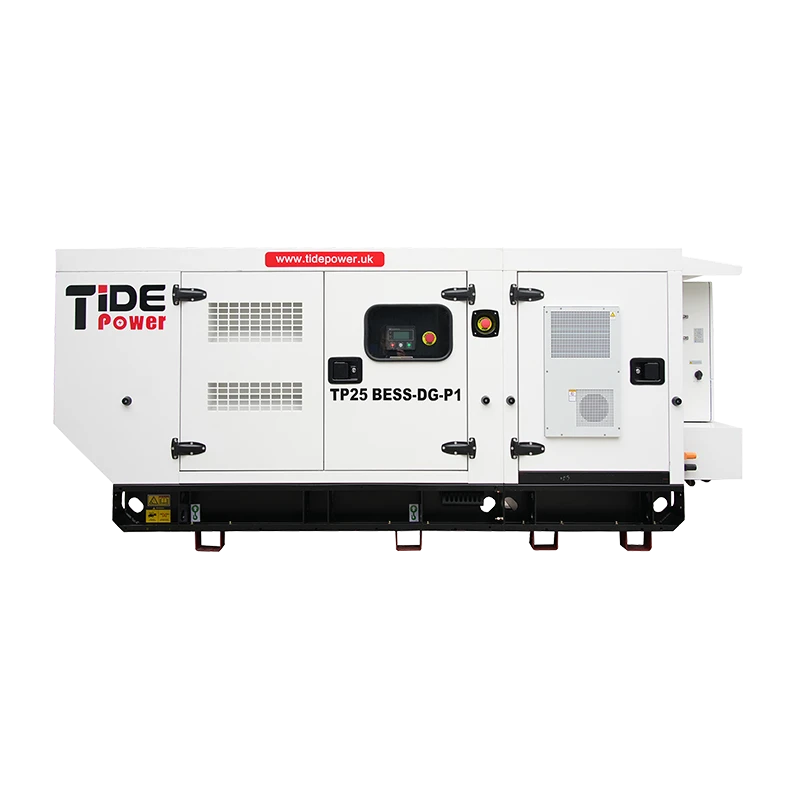
Tide Power’s hybrid power system integrates solar, battery storage, and diesel generation in one microgrid platform with millisecond-level switching and intelligent dispatch across 10 kVA to 250 kVA. That packaged control simplifies source assignment because switching logic already coordinates the assets. It is worth asking suppliers how their control platform handles sudden grid loss and which asset takes first response.
Confirming Whether a Microgrid or Traditional Grid Fits Your Power Project
Power architecture decisions stall when fault response, load priority, and source coordination are treated separately. A site can buy the right generator set and still have the wrong system if islanding behavior is not specified clearly.
The practical next step is to submit your site’s load schedule, single-line diagram, and outage tolerance. Send those files to [email protected] or call +86 591 2806 8999. I will confirm whether a microgrid or traditional grid connection fits your operation and provide islanding test data for the proposed configuration.
Common Questions About Microgrid and Traditional Grid Projects
Is a microgrid always more expensive than a traditional grid connection?
Not automatically. The installed cost is often higher, but the total cost changes when demand charges, outage losses, and connection upgrades are included. A microgrid may reduce expensive peak demand and keep critical loads running during grid failure. If your site runs continuously and outages create large losses, the gap narrows. If your load is flexible and the grid is stable, traditional service usually costs less over time.
Can a facility switch between grid-tied and islanded operation with a simple transfer switch?
That is the common assumption, but it is incomplete. A transfer switch disconnects a load from the grid; it does not form the new voltage and frequency reference. Without a local controller, the generator or inverter may not accept load cleanly, and protection settings may not change for island mode. Islanding requires synchronization logic, load shedding decisions, and dual-mode protection, not just a break-before-make connection.
What is the first technical parameter to confirm before comparing microgrid options?
It depends on what can be dropped. Start with the largest motor starting kVA and the required island transition time. If large motors must restart after separation, the microgrid needs enough rotating generation or fast battery response to handle inrush. If loads tolerate a short interruption, the design can be simpler. This parameter drives generator sizing more than the total connected load.
Does adding battery storage remove the need for diesel backup in a microgrid?
In projects I have reviewed, facilities with only battery storage consistently needed a diesel or gas generator within the first extended outage. Batteries respond fast and cover short-duration gaps, but they have limited energy capacity. A diesel or gas generator set covers hours or days of continued operation. The exact mix depends on runtime, fuel availability, and site emission limits. Without a generator, the battery bank is often sized beyond the point of economic sense.
When should a microgrid include generator sets instead of only solar and storage?
The better phrasing is what roles the generator should perform. Generator sets earn their place when the island must support motor starting, long outages, or high fault current. Solar and storage alone are weaker for sustained load steps. If your site has large pumps, chillers, or data halls, ask the supplier to simulate the largest motor start and island runtime before fixing the configuration. Send your largest motor starting kVA and expected outage duration to [email protected], and I will confirm the generator role for your site.
If you’re interested, check out these related articles:
The 2023 Tide POWER anniversary celebration were successfully held
A New Era of Mobile Power: Tide Power Unveils Game-Changing Foldable Solar Container
Tide Power: Your One-Stop Energy Solution for Every Challenge
A resounding success at the Tide Power 2024 Annual Gala Dinner
Hybrid Power Systems: Combining BESS with Diesel Generators for Maximum Efficiency
