 EN
 ZH
 FR
 ES
 AR
A microgrid maintenance contract comparison usually begins with the annual price and the promised response time. Those two numbers decide very little. The contract that keeps a site running is defined by three other things: which asset classes sit inside the scope, how availability is measured and audited, and who is authorised to restore each asset when it fails. A photovoltaic array, a battery stack, a diesel generator and the controller that dispatches between them fail in different ways and demand different competences. Compare contracts without separating those layers and the shortlist looks competitive while behaving unpredictably after the first islanding event.
What a microgrid maintenance contract has to cover
A microgrid is not one asset with one service interval. It is a group of asset classes sharing a control layer, and each class fails in its own way. A workable scope names all of them: the photovoltaic array and its inverters, the battery modules and racks with their battery management system, the power conversion system and the thermal management that keeps it alive, fire detection and shutdown interfaces, one or more generator sets, the microgrid controller and energy management system, protection relays, switchgear, transformers, and the communications path that ties the layers together.
Each class brings a different competence to site. Photovoltaic work is largely connectors, string testing, soiling and inverter diagnostics. Battery work needs DC arc flash discipline, module level data and a manufacturer relationship for replacement parts. Generator work is fuel, filtration, cooling, starting systems and load testing. Control work is configuration, setpoint management and log analysis. A contract written around the generator and extended to everything else leaves the highest consequence assets with the thinnest coverage.
The planning standards treat that control layer as part of the design rather than an accessory. IEC 62898-1 gives guidelines for planning and specifying microgrid projects [1], and IEEE 2030.7 specifies the functions a microgrid controller has to perform, including dispatch and the transition between grid-connected and islanded operation [2]. A maintenance scope that does not mention those functions is a generator service agreement with a microgrid label on the cover.
Scope also has to separate a fault from a wear item. Battery capacity fade, filters, coolant, contactor wear and sensor replacement are operating costs, not failures. A fixed fee that silently includes them is priced for the worst case; a fee that quietly excludes them looks cheaper until the first year of replacements arrives. Ask which list each item sits on, and who decides when a wear item becomes a fault.
Five maintenance contract models and where each one fails
Most proposals on a shortlist belong to one of five models. The labels matter less than the boundaries each model draws.
| Model | What the contract covers | What the site still pays for | Fits when | Do not choose it when |
|---|---|---|---|---|
| Corrective only | Repair after a reported fault, labour and parts billed per visit | Every visit, every part, every diagnostic hour | Sites with redundant assets and an in-house electrical team | Loads cannot ride through an unplanned outage, or nobody on site can diagnose before calling |
| Scheduled preventive | Fixed visits, inspection, minor adjustment, lubrication and testing | Consumables, wear items and most replacements | Assets are in known good condition and monitoring is in place | Storage capacity or generator running hours are already close to their limits |
| Comprehensive operations and maintenance | Preventive visits, corrective labour, defined spares and monthly reporting | Anything outside the exclusion list | Critical loads with one accountable operator | The exclusion list is longer than the inclusion list |
| Manufacturer service agreements per asset | Warranty aligned service on each major item | Coordination between vendors, plus the gaps between them | New equipment where warranty protection is the priority | Three vendors would have to agree who attends first during a fault |
| Availability based | Payment tied to measured performance, sometimes including capital | Term commitment and exit costs | Long horizon sites with stable load and auditable telemetry | Telemetry cannot be audited, or the load is about to change |
The models are not a ladder from cheap to good. The premium for single-point responsibility buys coordination, and it is worth paying when the site spans several manufacturers and sits far from a service base. On a compact site running one control platform with an in-house electrical team, a scheduled preventive contract plus a specialist battery agreement often costs less for the same practical coverage. What matters either way is that every asset class has a named owner and a stated route back to service.
Where a project passes from a construction contractor to an owner, the maintenance model has to survive that handover as well. Sites supported through construction and commissioning often carry assumptions about local spares and technician availability that stop being true once the project team leaves.
Remote projects often depend on arrangements set up during construction that the operating team later has to make permanent. <Supporting Stable Power Supply for Projects in Egypt> covers stable power supply support for projects in Egypt.
Making an availability guarantee auditable
An availability clause is a formula wearing a percentage. Three parts of that formula decide what the number actually means: the measurement basis, the exclusion list, and the data source behind it. A blended figure for the whole microgrid can look healthy while the two assets most likely to stop the site are unavailable, because a productive photovoltaic array carries the average for everyone.
| Clause area | Wording that looks strong | What to require instead | Why it changes the outcome |
|---|---|---|---|
| Availability basis | Availability of the microgrid | Per asset class, weighted by delivered capacity, calculated monthly | A blended figure lets healthy generation hide an unavailable battery or controller |
| Downtime clock | Response within four hours | Separate clocks for acknowledgement, remote diagnosis, attendance and restoration | The site stays down between acknowledgement and restoration |
| Battery condition | Battery maintained to specification | Named test method, discharge rate, ambient temperature, state of charge window and pass threshold | Results taken under different conditions cannot be compared across years |
| Exclusions | Grid events and force majeure excluded | A closed list, with any addition requiring a written change order | Open ended exclusions can absorb the failures the contract was bought for |
| Reporting | Monthly performance report | Raw alarm and event export, downtime log and the right to audit source data | A summary nobody can audit is a claim rather than a record |
The battery threshold needs particular care. Lithium iron phosphate cells lose capacity through cycling and through calendar ageing, and the rate depends on temperature, state of charge and how hard the system is cycled. A contract that says the battery is maintained to specification without naming the test conditions produces results that cannot be compared between years or between contractors. Name the discharge rate, the ambient temperature, the state of charge window and the pass threshold, then state who pays when the threshold is crossed.
Cooling and fire detection belong in the same conversation. Thermal management failure is one of the routes to accelerated fade and to an unplanned shutdown, so an HVAC service line treated as housekeeping is really a capacity protection line. Detection and suppression checks are not optional extras in a storage room, and the contract should say who tests the interfaces and how often.
Why response time clauses rarely survive the first real fault
A four hour response clause sounds like a four hour outage. It is not. The clock usually starts at acknowledgement and stops when a person is assigned or arrives, and the definition shifts between proposals. Restoration depends on four things that often sit outside the clause: an authorised person, the right spare part, usable diagnostic data, and access to the original equipment manufacturer.
Authorisation is the first constraint. High voltage switching, DC battery work, protection relay testing, work at height on trackers and entry into containerised equipment each carry their own permits and competence requirements. A general electrical technician may hold none of them. Ask for the authorisation matrix by asset class and site, with named roles rather than job titles.
Spares are the second. A critical spares list should split into what the contractor holds on site, what sits at a regional depot, and what depends on a manufacturer lead time. Fuses, contactors, filters and sensors move fast. Power conversion modules, controller cards and transformers do not. The contract should say who funds each line and who decides when a part is consumed.
Environment changes the frequency behind all of this. Dust, salt and high ambient temperature shorten cleaning intervals, load the cooling package and attack connectors, so a service plan copied from a temperate site under-serves a desert or coastal one.
Service intervals written for mild conditions understate what a dusty site needs. <Generator Maintenance for Extreme Environments: Combating Heavy Sand and Dust> covers generator maintenance under heavy sand and dust.
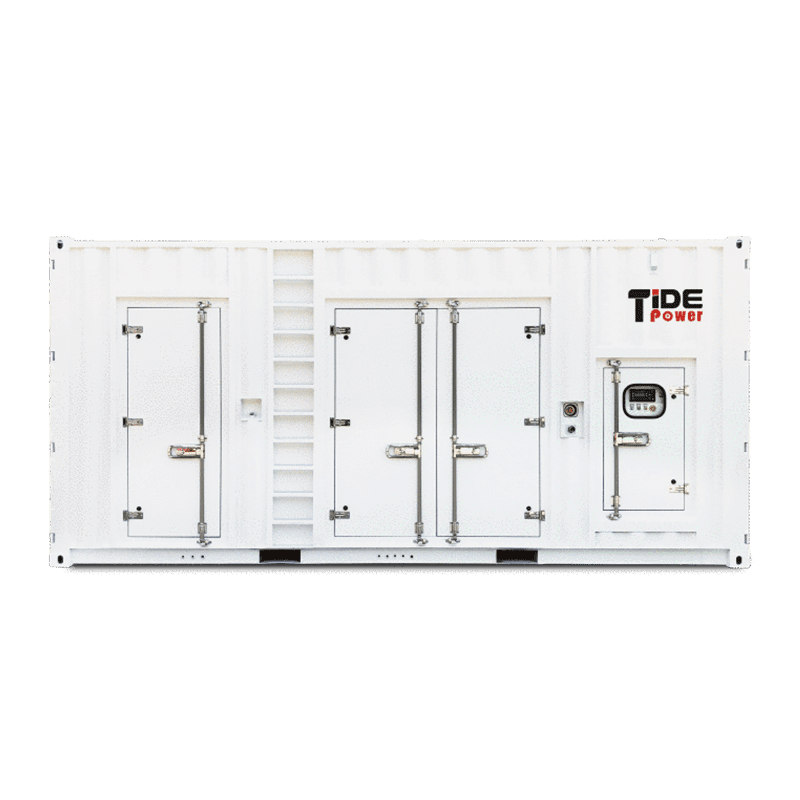
Access belongs in the scope as well. A set that can be serviced through large enclosure doors and refuelled from outside takes less time to bring back than one that needs panels removed before a technician can reach the filters or the terminals.
The practical test is a drill rather than a clause. Before signing, ask the contractor to walk through a simulated event: an alarm from the storage system at an awkward hour. Record how long acknowledgement takes, who is named, what remote diagnosis is possible, which part would be dispatched, and how the site is informed. Then take a past monthly report and trace one event from alarm to closure. Two proposals that survive that exercise are comparable; two that do not are brochures.
The handover survey that prevents most contract disputes
Most disputes begin with a condition nobody recorded. The survey at contract start should capture the as-found state of every asset class with measurements rather than descriptions, and it should be signed by both parties and attached as a schedule. ISO 55001 provides the asset management frame for that register and for the maintenance regime built on it [3].
A useful baseline includes the last battery capacity result with its test conditions, the generator load test with hour meter readings, protection relay settings and the date of the last test, thermographic images of the main connections, inverter and controller firmware versions, a controller configuration backup, the current alarm list, and the spare parts actually on the shelf. Existing defects go on the same list. Controller testing has its own reference point, since IEEE 2030.8 sets out test procedures for microgrid controller functions [4], which gives a defensible basis for asking what was tested at commissioning and what will be retested under the contract. Without that record, the first capacity test becomes the reference point, and a battery already below threshold is treated as a new problem with a new price.
Remote access deserves its own line. Restoration often depends on a remote engineer reaching the controller, so the contract should define the access path, what is logged, who can change configuration, and who revokes access when the contract ends. A configuration backup handed over at exit is the difference between a new contractor starting on day one and a new contractor starting from scratch.
Questions to settle before you compare maintenance prices
Prices are only comparable once the scope behind them is the same. These ten questions close most of the gap:
- A per-asset scope table naming every asset class, its owner, and whether labour, parts and consumables are included.
- The authorisation matrix by asset class, with named roles for high voltage switching, battery work, protection testing and controller changes.
- The critical spares list with holding location, quantity and the manufacturer lead time behind each line.
- The availability formula, the calculation period, the weighting method and the audit right over source data.
- The battery capacity test method, the pass threshold, and who pays at the threshold.
- The response clock broken into acknowledgement, remote diagnosis, site attendance and restoration.
- The exclusion list as a closed list, with an escalation route for disputed faults.
- A sample monthly report and the raw event export behind it.
- The exit schedule covering configuration backup, spares handover and a knowledge transfer period.
- The warranty interaction: which interventions could affect a manufacturer warranty, and who approves them.
If two proposals answer these differently, the lower price is not a lower price. It is a smaller scope with the risk left on site.
What integrated microgrid hardware changes about the service scope
When generation, storage and control come from separate suppliers, the maintenance contract has to arbitrate between them. When they come from one supplier, the interface question moves inside a single scope: fewer boundaries, one configuration owner, one spare parts channel, and one party to call. The tradeoff is dependency, which makes exit terms and knowledge transfer more important rather than less.
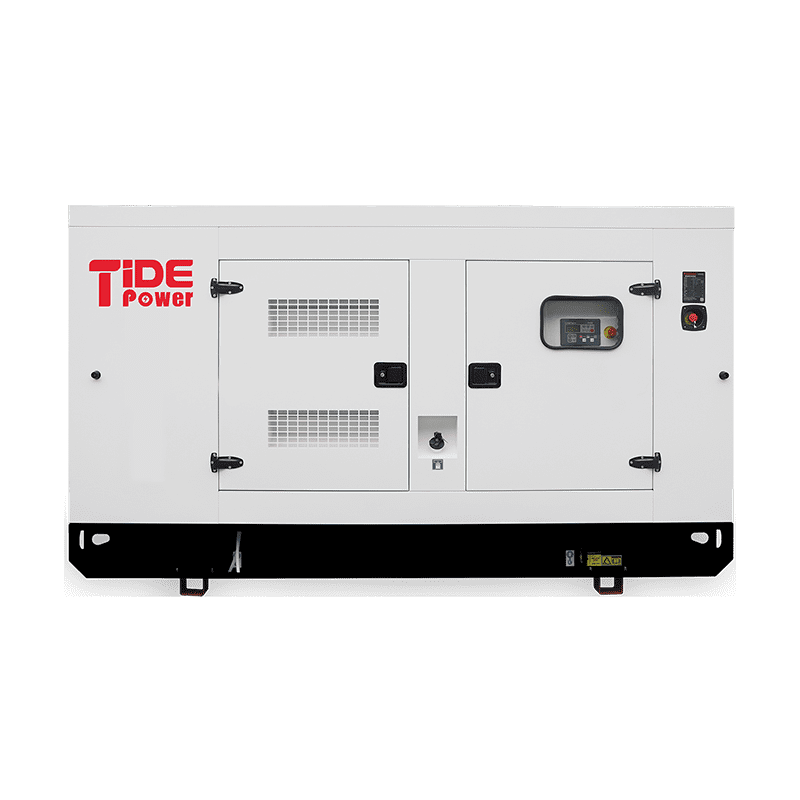
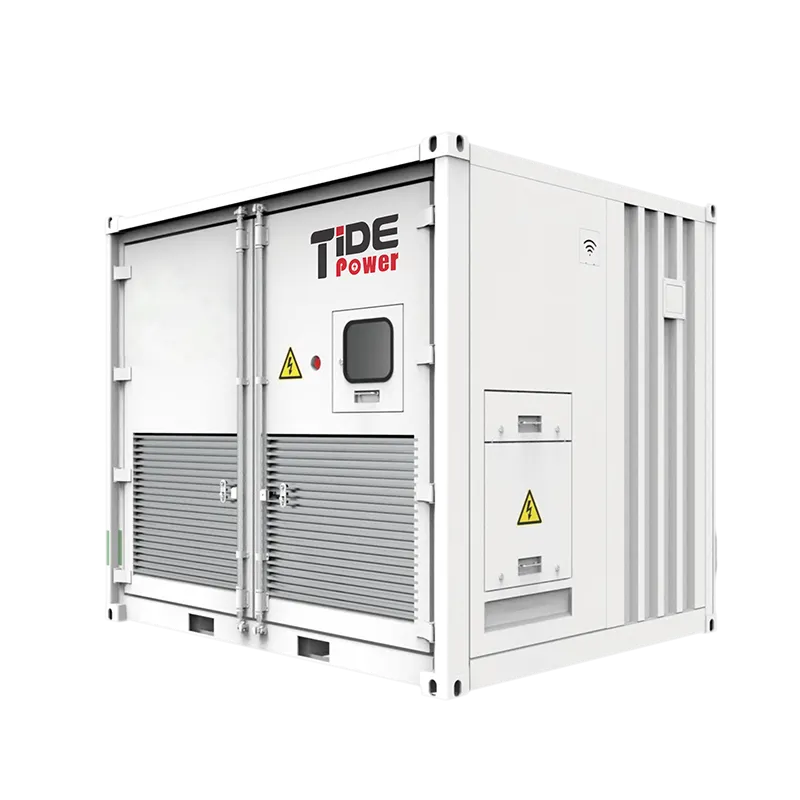
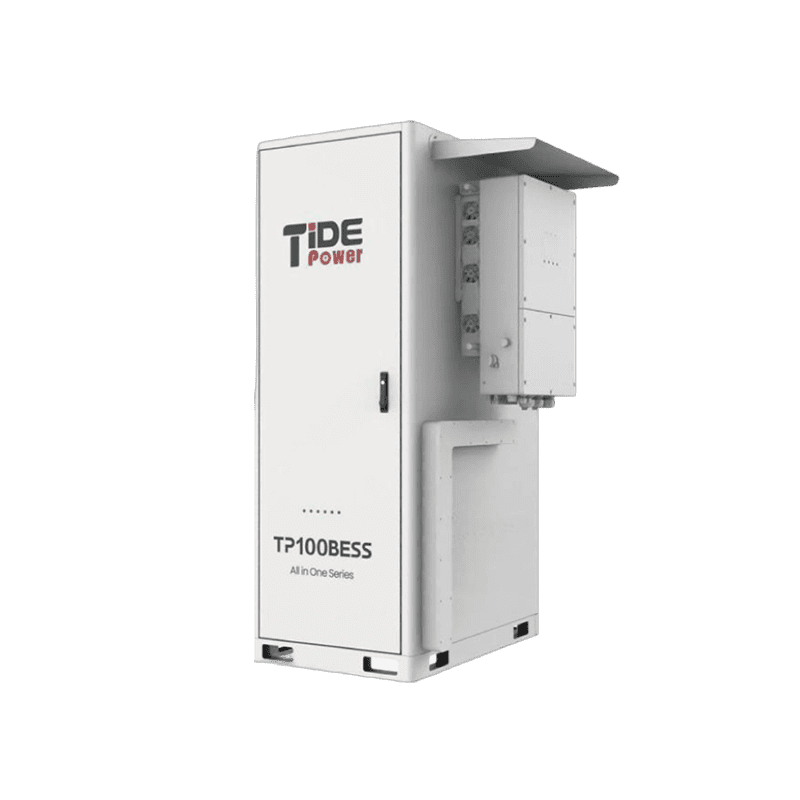
A bundled system shows how the boundary shifts. The Tide Power hybrid power system combines solar input, lithium iron phosphate storage and a diesel generator under one controller, in all-in-one or split configurations from 10 kVA to 250 kVA, with millisecond-level switching between modes and unattended operation listed for the range. For a maintenance contract, the practical effect is that the controller configuration, the storage modules and the generating set share one parts and firmware channel, and interfaces that would otherwise need a specialist agreement sit inside one scope.
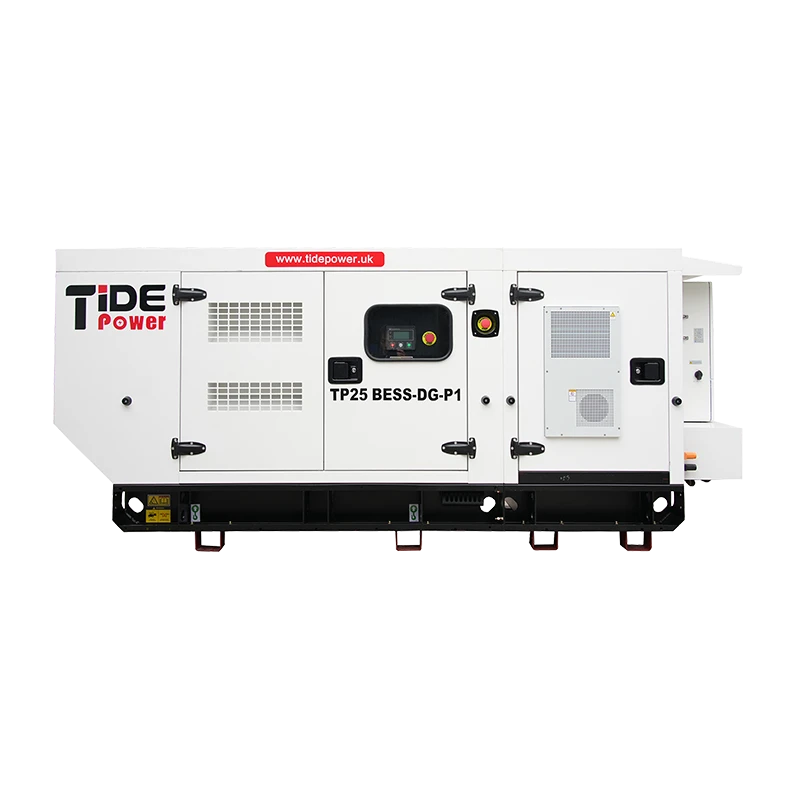
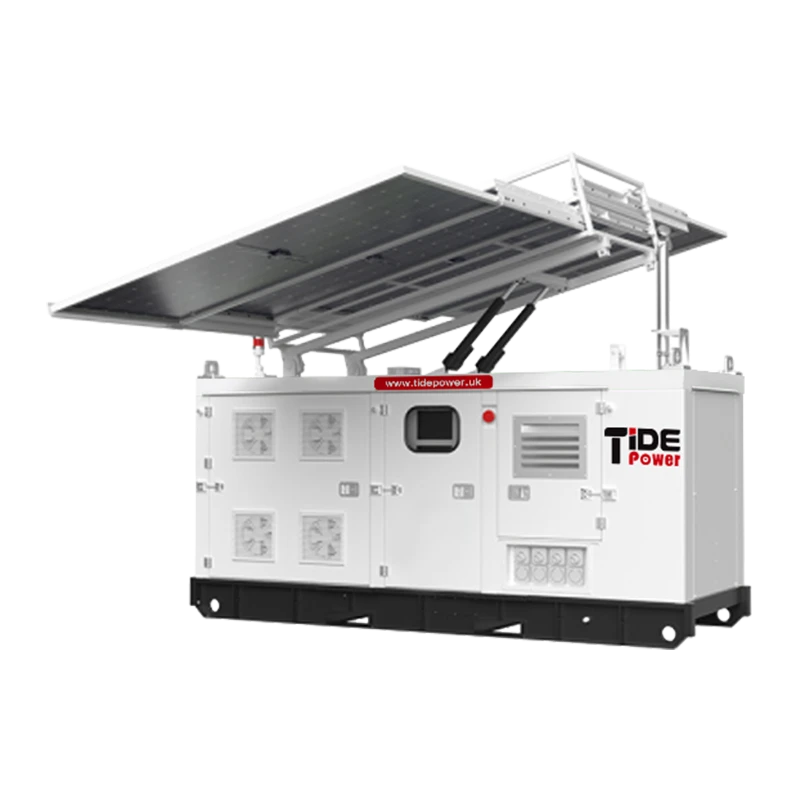
Packaging generation, storage and control into one unit changes which party owns the interfaces. <Intelligent Integration: Tide Power’s All-in-One Solar Container Ensures Uninterrupted Green Power> covers an all-in-one solar container approach to continuous supply.
Either sourcing model can work. What does not work is an integrated system maintained under a contract written for discrete equipment, with no named owner for the controller and no agreed test for the storage.
Request the maintenance scope behind your microgrid quotation
Send the asset list with capacities and ages, the controller and manufacturer list, your availability target and how you intend to measure it, the response and restoration expectations for each asset class, and the spares you expect to be held on site. Tide Power can map the scope boundaries between generation, storage and control on the equipment it supplies, and identify the interface points that need a separate specialist agreement before you price anything.
Email [email protected] or call +86 591 2806 8999.
FAQ
Should the battery supplier maintain the storage system?
Usually yes for the modules, the battery management system and anything under warranty, because capacity testing, firmware and module replacement sit with the manufacturer. The surrounding scope stays with the site: cooling, fire detection interfaces, power conversion, switchgear and the controller. Write the interface down and name who tests what. If a third party runs the capacity test, agree the method first and share the results with the manufacturer so the warranty record stays intact.
How long should a microgrid maintenance contract run?
One year aligns with warranty cycles and keeps the scope easy to benchmark. Three to five years buys price certainty and continuity of site knowledge, but needs review points and a scope reset written into the term. Whatever the length, define the exit: configuration backup, spares handover and a shadowing period. Battery augmentation decisions usually fall inside a long term, so make sure the contract says who recommends them and who pays.
What should an availability target exclude?
Grid outages, declared force majeure, work the owner directs, and faults in equipment outside the agreed scope. Each exclusion should be closed and defined rather than open-ended. Planned maintenance windows are better scheduled and counted than excluded, otherwise the target rewards a contractor for staying away. If the exclusion list covers the assets most likely to stop the site, the percentage measures very little.
Can one contractor cover generation, storage and controls?
It can, when the specialists are named with their own response commitments and the prime contractor carries the coordination. Ask who is dispatched at an awkward hour, who holds the manufacturer relationships, and who signs off restoration. A single point of responsibility without named competence behind it is a call centre, not a maintenance capability.
References
[1] IEC 62898-1:2017, “Microgrids. Part 1: Guidelines for microgrid projects planning and specification,” International Electrotechnical Commission, Geneva, 2017.
[2] IEEE 2030.7-2017, “IEEE Standard for the Specification of Microgrid Controllers,” IEEE, New York, 2017.
[3] ISO 55001:2024, “Asset management. Management systems. Requirements,” International Organization for Standardization, Geneva, 2024.
[4] IEEE 2030.8-2018, “IEEE Standard for the Testing of Microgrid Controllers,” IEEE, New York, 2018.
If you’re interested, check out these related articles:
Powering Industry & Infrastructure: Tide Power’s Advanced Pump Solutions Set New Standards in Efficiency & Reliability
Tide Power Set to Make Waves at 2024 Middle East Energy Exhibition (MEE)
Nigeria Energy 2024: Tide Power makes waves for innovation