 EN
EN ZH
ZH FR
FR ES
ES AR
ARMining generator specifications are often treated as a kW exercise, but the real work starts with site conditions. Altitude, dust, ambient temperature, load step, and fuel quality decide whether a generator survives a mining shift. I have reviewed mining power proposals across multiple regions, and the most common failure is not undersized power; it is a specification that looks correct on paper and fails at commissioning. A mining generator specification should be treated as a site-survival document. The units that last are the ones specified for derating, filtration, cooling margin, and service access before a single engine is purchased.
What do mining generator specifications need to include before sizing?
A mining site is a sequence of loads, not a single nameplate total. Ventilation fans, dewatering pumps, crushers, hoists, and conveyors start and stop on different schedules, and the largest motor step usually determines whether the generator holds voltage. A 1,500 kW set that can carry a steady 1,500 kW load may still trip controls when a 250 kW crusher motor starts across the line. The specification must state the maximum allowable voltage dip, the largest motor starting kVA, and the required recovery time before the engine is selected.
| Specification input | What to confirm | Why it matters on a mine |
|---|---|---|
| Altitude | Engine derating curve to the highest operating elevation | Power loss and reduced cooling margin |
| Ambient temperature | Maximum continuous operating temperature at the radiator inlet | Overheating, electronics limits, and kW derating |
| Largest motor step | Starting kVA and acceptable voltage dip | Control resets and voltage collapse |
| Dust load | Air filtration stage and filter service interval | Turbo wear and engine damage |
| Fuel condition | Sulfur content, water content, and storage duration | Injector life and filter plugging |
Specifications that skip these inputs produce bids that look comparable but are not. I have evaluated mining proposals where two generators carried the same kW rating but only one included the alternator temperature class and site derating. The lower initial price was not the lower life-cycle cost.
How do dust, heat, and moisture change mining generator specifications?
Dust is the first difference between a mining generator and a commercial backup unit. Surface mines create fine abrasive particles that load air filters and erode turbocharger blades. Underground sites add moisture, restricted airflow, and sometimes methane or coal dust that change enclosure and emissions requirements. A standard soundproof canopy is not a mining enclosure unless the air intake, door seals, and filter housing are specified for the site.
The specification should include a two-stage air cleaner or a heavy-duty precleaner for continuous dust, an inlet restriction gauge, and filter service intervals aligned with shift patterns. In mineral processing areas I have reviewed, the value of the specification shows most clearly when a mechanic can change the primary filter in minutes rather than hours. Maintenance time is an operational cost that begins with the enclosure design, not with the service manual.
Why is power rating not the same as mining generator suitability?
Mining loads usually run at lagging power factor because they are motor dominated. A 1,250 kVA alternator at 0.8 power factor gives 1,000 kW, but the actual mine load may sit closer to 0.7. The alternator current limit then becomes the binding constraint before the engine reaches full kW. A useful specification therefore includes rated kVA, rated power factor, alternator winding temperature class, and the maximum continuous current the generator can carry at the site altitude and temperature.
Rating type matters just as much. A standby rated generator is built for limited hours and variable load during utility absence. Mining operations that run continuous, prime, or load-management duty need a prime or continuous rating with the appropriate service hours. I ask for the duty cycle, not only the kW number, because the same engine platform can appear in several ratings. If a tender lists only kW, the buyer has not yet received a complete generator specification.
If your mine sits above 2,000 m, has a soft fuel source, or carries large motors that start under load, the derating stack and voltage dip are too site-specific to settle from a catalog page. Confirm the combined engine and alternator derating before the BOM is locked. Send your altitude, maximum ambient temperature, and largest motor starting kVA to [email protected] for a spec check.
Which enclosure, cooling, and fuel specifications decide service life?
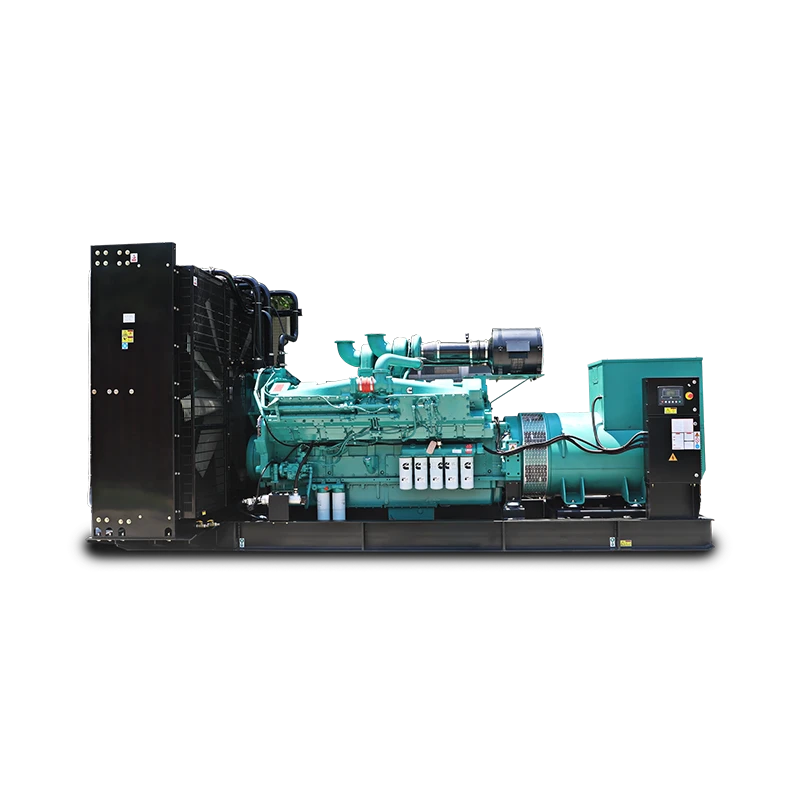
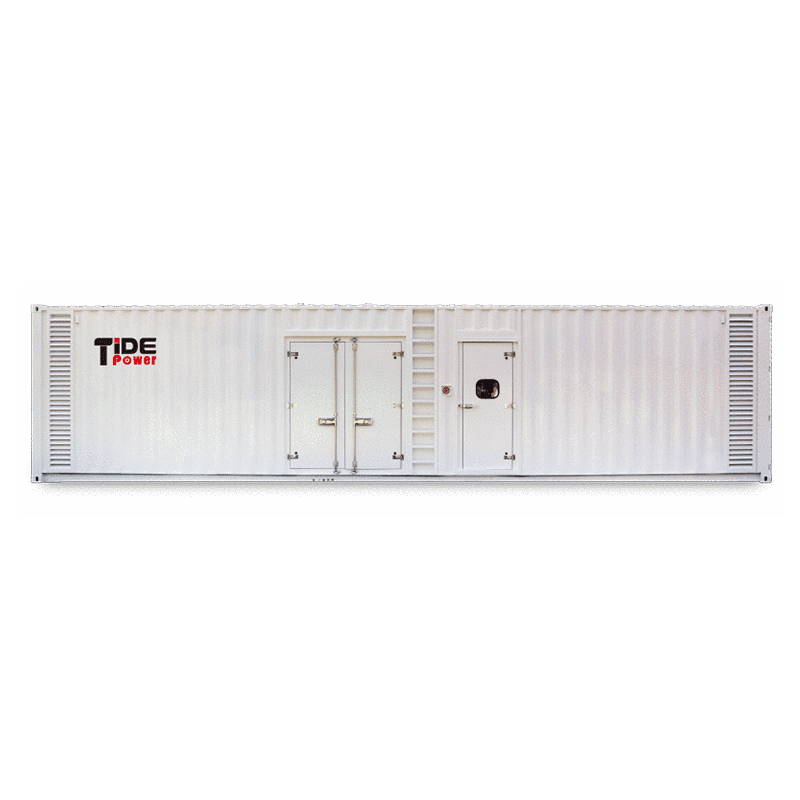
Enclosure, cooling, and fuel storage are not afterthoughts. Surface mining sets may sit in direct sun, rain, and dust, so the enclosure needs weather protection, protected air inlets, and enough internal airflow to keep the alternator within its temperature class. Underground or covered areas have different constraints. The cooling system must be matched to the maximum ambient temperature and to the site elevation, which reduces radiator heat rejection at the same time it reduces engine output.
Fuel quality changes maintenance cost before the generator reaches its first major service. Remote storage tanks pull in water, and fuel with higher sulfur content shortens injector life. A mining specification should include water separator and fuel filtration, and may require fuel polishing if storage duration is long. We start with the product catalogue but then adjust around site data. An Econic Series unit offers a large fuel tank and vertical ventilation, which reduce refuelling and airflow issues in tight sites; the final configuration still depends on dust and temperature.
How should procurement documents translate site conditions into generator specifications?
Most mining tender documents I see are copied from a previous site and edited for kW. That is the root cause of later commissioning disputes. A document that states only the kW, voltage, frequency, and enclosure color has not specified a mining generator. It has specified a wish. The site data that actually constrains the generator must become explicit: highest elevation, maximum ambient temperature, largest motor starting kVA, acceptable voltage dip, dust level, fuel storage duration, and service access clearances.
Once those values are written into the tender, the generator selection narrows quickly and the bids become comparable. At Tide Power Technology, we work from that site data rather than from a catalog kW list. If you are preparing a mining generator specification, send your part number or the site values to [email protected] or call +86 591 2806 8999. Include altitude, motor starting requirement, and expected operating hours. A one-page confirmation now prevents a commissioning failure later.
What questions do mining teams ask about generator specifications?
Should a mining generator be rated for prime or standby duty?
Most mining operations should specify prime power, not standby. Prime rated sets are built to run as the main power source for unlimited hours, while standby sets are designed for emergency or utility-outage duty with limited annual hours. The distinction changes engine rating, service intervals, and warranty terms. If the mine runs the generator for production rather than only for backup, write prime power into the tender. Battery or hybrid support can later reduce engine hours, but the base rating should match the actual production duty.
What is the most overlooked mining generator specification?
Many buyers assume the answer is kW, but the most overlooked item is usually the maximum motor starting step and the acceptable voltage dip. A generator can have enough steady-state power and still fail when a large crusher or pump starts across the line. The tender should state the largest motor starting kVA, the starting method, and the voltage dip the site controls can tolerate. Without that, suppliers cannot size the alternator correctly, and the buyer cannot compare bids.
Can the same generator work underground and on the surface?
It depends on ventilation, emissions, and enclosure requirements. A surface unit may need high dust protection and solar heat shielding. An underground unit may need a different exhaust treatment, ignition constraints where gas is present, and a cooling layout that does not overheat a confined area. In most cases, the engine and alternator platform can be similar, but the enclosure, air intake, exhaust, and control package change. Specify the installation environment first, not the machine alone.
How much altitude derating should mining buyers plan for?
In the mining projects I have reviewed, altitude derating is treated as a site calculation, not a supplier assumption. Engine output falls as air density drops, and radiator heat rejection falls with it. The exact figure comes from the manufacturer’s published derating curve for the engine and alternator at the site elevation and maximum ambient temperature. A buyer should not accept a single derated kW number without the curve. Share your altitude and largest motor starting kVA with us at [email protected] and we will confirm the derating calculation for your application.
If you’re interested, check out these related articles:
Beyond the Grid: How All-in-One Mobile Power is Reshaping Energy for Industry
A delegation from the CCPIT Fujian visit to Tide Power
Tide Power: Your Trusted Partner for Reliable Power Solutions
Beyond the Basics: How Flow, Head, NPSH & Material Selection Define Pump Performance