 EN
EN ZH
ZH FR
FR ES
ES AR
ARAchieving true off-grid energy independence requires more than a portable solar generator—it demands a complete power system designed for the real-world demands of daily living. A solar generator for off-grid living captures sunlight, stores it in a battery, and converts it into usable electricity, but reliable year-round operation means integrating storage capacity, backup generation, and professional-grade components that can handle peak loads without compromise.
What Is an Off-Grid Solar Generator?
An off-grid solar generator is a self-contained power station that combines solar panels, a battery bank, a charge controller, and an inverter into a system that operates independently of the utility grid. Unlike a portable power bank meant for camping, a properly scaled off-grid solar generator becomes the primary energy source for a home, cabin, or remote facility.
The core components work together: photovoltaic panels collect sunlight and produce DC electricity, the charge controller regulates the flow to prevent battery overcharging, the battery bank stores energy for use when the sun isn’t shining, and the inverter converts DC to AC for standard appliances. In practice, a system built for off-grid living must be sized to cover not just average daily consumption but also peak loads and multi-day autonomy during cloudy periods.
How Does a Solar Generator Work for Off-Grid Living?
The daily cycle is simple but requires careful engineering. During daylight hours, solar panels generate power that first meets the home’s immediate electrical load, with surplus current directed to charge the battery bank. Once the sun sets or cloud cover reduces output, the battery assumes the full load, discharging stored energy through the inverter. A well-designed off-grid solar generator includes monitoring and automatic transfer logic that keeps the transition seamless.
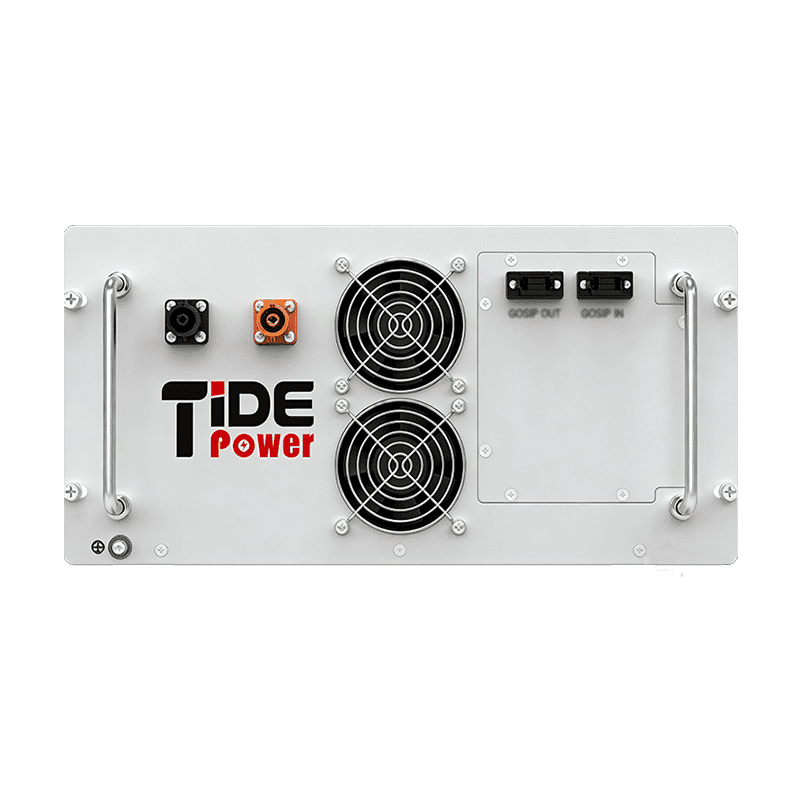
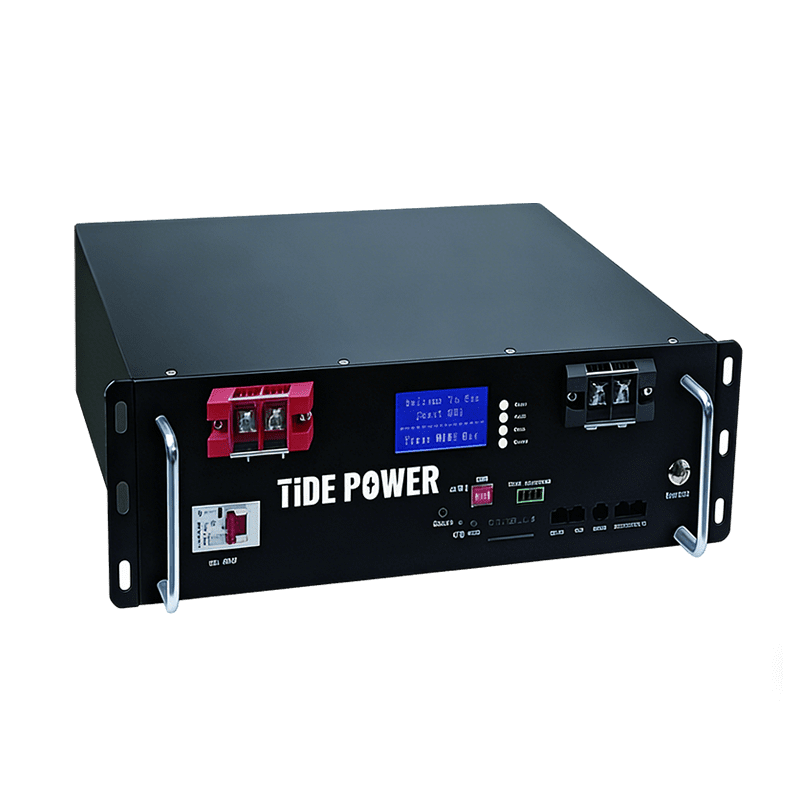
What many first-time off-grid planners miss is the variability. A 5 kW array might produce near its rating under clear skies at noon but deliver less than 30% of that on an overcast winter day. This is where battery capacity becomes the deciding factor. Deep-cycle lithium iron phosphate (LFP) batteries, like Tide Power’s 16.1 kWh battery module, offer higher depth of discharge and longer cycle life than lead-acid alternatives, making them a practical choice for sustained off-grid use.
How Much Solar Power Do You Need for Off-Grid?
Sizing an off-grid solar generator begins with a detailed load analysis. List every appliance, light, pump, and electronic device, noting their wattage and daily runtime. A typical off-grid household, running a refrigerator, well pump, lighting, and electronics, might consume 8 to 15 kWh per day, but this varies widely. Multiply each device’s wattage by hours used to get watt-hours, then sum the total. In my experience, homeowners who skip this step and buy panels based on budget alone often end up with a system that cannot sustain them through a winter storm.
Next, factor in system losses, inverter efficiency (usually 85–95%), and battery round-trip efficiency. Then consider autonomy days: how many continuous cloudy days you need to bridge without running a generator. A common design target is three days of autonomy. For a daily load of 10 kWh, that means a usable battery capacity of 30 kWh, which, after accounting for depth of discharge limits, translates to roughly 40 kWh of installed LFP battery capacity.
Solar array sizing follows a similar logic. Using site-specific solar insolation data, a designer calculates the panel wattage needed to recharge the battery and serve the load on an average day. In many regions, a 3–5 kW array paired with 20–40 kWh of storage forms a solid foundation for a full-time off-grid residence. These figures are not one-size-fits-all; site conditions and seasonal load shifts demand professional modeling.
Why Hybrid Solar-Storage-Generator Systems Are the Smarter Choice for Off-Grid
Purely solar-only systems carry inherent risk. Extended cloudy spells, seasonal low sun angles, and unexpected load increases can drain batteries to a dangerous low-voltage cutoff. Adding a backup generator creates a hybrid system that guarantees power continuity. During my work with remote energy projects, I’ve observed that the most resilient off-grid installations always integrate a generator that can recharge the battery bank and supply the load simultaneously when solar output falls short.
A hybrid solar-storage-generator architecture uses an intelligent controller to manage three power sources. When solar is abundant, it powers the load and charges batteries. When batteries reach a predetermined state of charge, the controller automatically starts the generator, which runs until the batteries are sufficiently recharged, then shuts off. This reduces generator runtime, fuel consumption, and maintenance while ensuring the lights never go out.
| Aspect | Standalone Solar Generator | Hybrid Solar + Storage + Generator |
|---|---|---|
| Reliability during extended bad weather | Low – may shut down | High – generator recharges batteries |
| Fuel dependency | None | Low – generator runs only when needed |
| Noise and emissions | None on-site | Present but minimized by limited runtime |
| Cost profile | Lower upfront, higher risk of outage | Higher upfront, lower long-term risk |
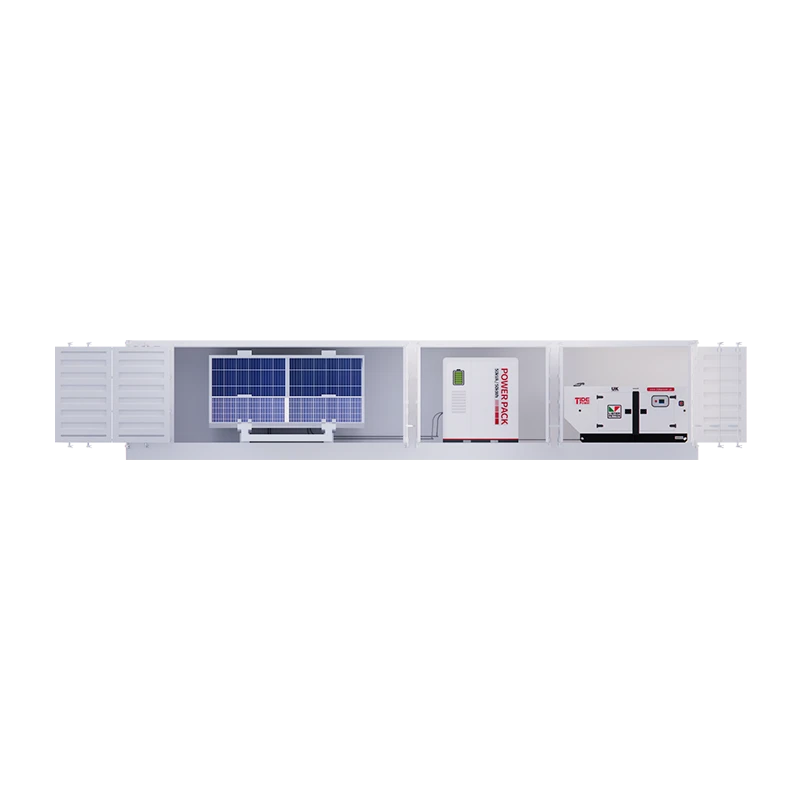
Tide Power’s hybrid power system, for example, integrates solar input, LFP battery storage, and a diesel generator into a single managed solution with millisecond-level seamless switching. Such systems are scalable from 10 kVA to 250 kVA, making them suitable for everything from a remote cabin to a small community microgrid. Choosing a pre-engineered hybrid platform eliminates much of the integration guesswork that trips up DIY builders.
If your off-grid plan involves a permanent residence, confirming the right hybrid configuration with an experienced provider is one of the most consequential decisions you’ll make. Reach out to [email protected] to discuss your load profile and site conditions before finalizing your equipment list.
How to Plan and Deploy Your Off-Grid Power System
Moving from concept to operational system follows a clear process. First, conduct a professional energy audit and load analysis. Second, select a system architecture—solar-only, solar-plus-storage, or hybrid with generator backup. Third, source components from manufacturers that offer technical documentation, warranty support, and compliance with international standards such as CE or ISO. Fourth, plan the physical installation: panel mounting, battery enclosure ventilation, wiring, and local code compliance. Fifth, commission the system with a qualified technician to verify settings and safety.
A common misstep is treating off-grid power as a consumer product purchase rather than an infrastructure investment. The generator set industry has long understood that after-sales support, spare parts availability, and remote monitoring capability determine long-term success. The same applies to solar generators. When evaluating providers, ask not just about price per watt, but about their service network, warranty terms, and whether they offer remote diagnostics and performance monitoring.
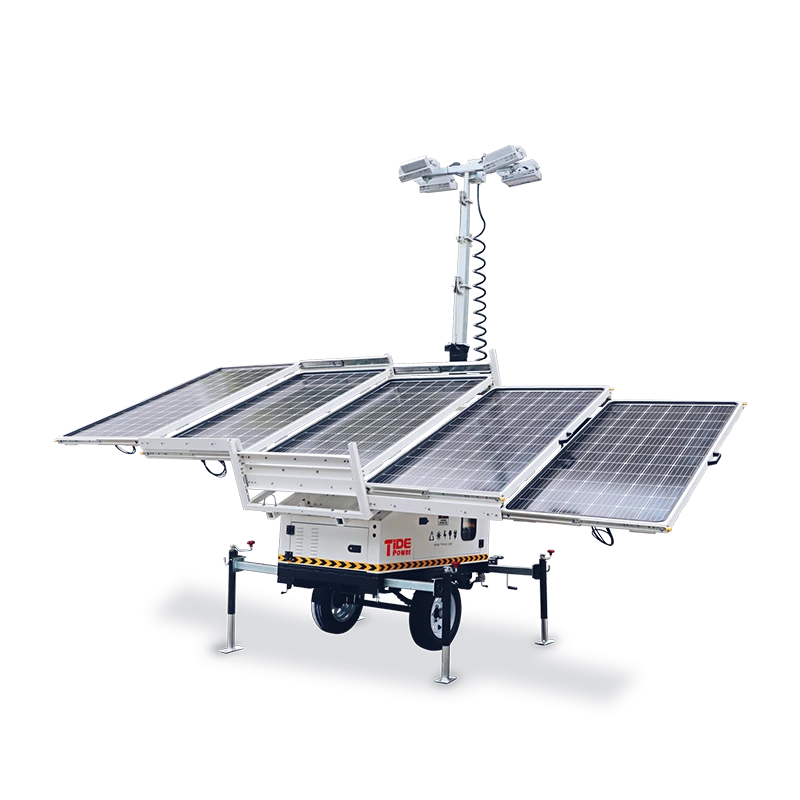
Building a reliable off-grid power system is an infrastructure decision, not a one-click purchase. If you want to avoid costly sizing errors and ensure your system will perform year after year, share your load profile and site conditions with our engineering team. Email [email protected] or call +86 591 2806 8999 to get a configuration that matches your real needs.
Common Questions About Off-Grid Solar Generators
Can a solar generator power a whole house off-grid?
Yes, but it requires a system that is sized correctly—both in solar array capacity and battery storage—to meet the home’s total energy demand, including peak loads. A portable solar generator with a 2 kWh battery is insufficient for a full-time residence. A typical off-grid home needs a battery bank of 20–40 kWh and a solar array of 3–8 kW, often backed up by a generator for reliability. System design must account for multi-day autonomy and seasonal variability, not just average daily consumption.
Is a solar generator better than a diesel generator for off-grid living?
It depends on your priorities. A solar generator produces zero emissions on-site, operates silently, and has no ongoing fuel cost, but it depends entirely on weather and requires a large upfront investment in batteries. A diesel generator provides reliable power on demand regardless of weather but burns fuel, requires maintenance, and generates noise. The most practical approach for permanent off-grid living is a hybrid system that uses solar as the primary source and a diesel generator as backup, minimizing fuel use while ensuring reliability.
How long do solar generator batteries last?
High-quality lithium iron phosphate (LFP) batteries, commonly used in modern off-grid systems, can deliver 4,000 to 6,000 cycles at 80% depth of discharge before capacity drops to 70–80% of original. In a daily cycling off-grid application, that translates to a service life of 10 to 15 years. Ambient temperature, depth of discharge, and charging protocol significantly influence lifespan. Proper system design includes temperature management and conservative charge settings to maximize battery longevity.
What maintenance does an off-grid solar generator require?
Solar panels need occasional cleaning to remove dust and debris that block sunlight, typically a few times per year. Battery terminals should be inspected for tightness and corrosion annually. The inverter and charge controller require no routine maintenance but should be monitored for fault codes. In a hybrid system, the backup generator follows a standard maintenance schedule—oil changes every 100–250 hours, air and fuel filter replacements, and periodic load testing. Remote monitoring systems can significantly reduce manual inspection visits.
What should I consider before purchasing an off-grid solar generator?
Start with a thorough energy audit to understand your real consumption patterns. Then evaluate site conditions: available solar resource, space for panel mounting, and ambient temperature extremes that affect battery performance. Consider your tolerance for generator runtime versus your budget for battery storage—larger battery banks reduce generator hours but add upfront cost. Finally, choose a supplier that offers not just equipment but system design support, commissioning, and after-sales service. If your project involves a permanent off-grid home, sharing your load profile and site details with an experienced provider early in the planning process can prevent costly sizing errors. Contact our team at [email protected] to discuss your specific requirements.
If you’re interested, check out these related articles:
Tide Power Unveils Advanced Hybrid Power Solutions, Redefining Industrial Energy Resilience
Tide Power’ s exhibition at the 135th Canton Fair has successfully concluded
Diesel power generation: a stable and reliable energy conversion method
Gathering Momentum for a Shared Future:Tide Power 2025 Global Sales Mid-Year Conference Held
Powering Education in Ethiopia: Leading?Diesel Generator Manufacturer?Tide Power Delivers Silent?Power Generator?for Campus