 EN
 ZH
 FR
 ES
 AR
A solar hybrid versus wind hybrid system decision often gets framed as a technology preference. It is really a resource question. Both configurations combine a renewable source, a battery bank and, in most off-grid cases, a diesel generator, so the quotations can look alike at the component level. What separates them is the shape of the energy arriving at the site. Solar output follows a predictable daily curve. Wind power rises with the cube of wind speed and swings with passing weather. That difference sets storage duration, generator run hours, structural work and service effort far more than a nameplate rating does.
What a Solar Hybrid and a Wind Hybrid System Have in Common
Both configurations use the same three functional blocks. A renewable generation block produces energy whenever the resource is present. A storage block moves that energy to the hours when the load needs it. A dispatchable block, usually a diesel generator, covers deficits the storage cannot absorb. A controller decides which block supplies the load at any moment and when the generator starts.
The word hybrid describes this architecture, not the renewable source. That matters for the comparison, because the same questions apply to both options. How much of the annual load can the renewable block serve? How many hours will the generator run? How many cycles will the battery complete in a year? How often does someone need to visit the site?
A third variant exists as well. A single system can carry both a photovoltaic array and a wind turbine, which smooths seasonal variation because the two resources rarely fail in the same week. The cost is two resource datasets, two maintenance regimes and a more complex controller. Solar and wind are therefore not the only two choices in the comparison. A grid connection, a longer storage duration or a second generator can change the answer more than the choice of renewable source does.
How the Two Resources Differ in Shape and Predictability
Photovoltaic output tracks irradiance closely; the array produces according to sun angle, cloud cover, cell temperature and soiling. The daily pattern is geometric and repeatable. A clear night produces nothing, and the site knows this in advance. Seasonal variation is significant at high latitude, where winter days are short, but the shape of the curve stays the same. Forecasting error is small and mostly concerns cloud cover.
Wind behaves differently. The power available in moving air rises with the cube of wind speed, so a modest change in speed produces a disproportionate change in available power. Output also depends on hub height, because speed increases with distance from the ground and nearby obstacles create turbulence. Lulls can last for days, and seasonal patterns vary widely between sites that sit only a few hundred kilometres apart. Anemometer data from a nearby town is not a substitute for a measurement at the height you intend to build.
Two practical consequences follow. A solar hybrid usually needs storage sized for one night plus a reserve margin, because the deficit is predictable and short. A wind hybrid either needs longer duration storage to ride through multi-day lulls, or it accepts more generator hours. Neither approach is better in general; the right answer depends on how much fuel you are trying to avoid and what storage costs at the size you need.
Why Nameplate Ratings Cannot Compare the Two Options
A photovoltaic rating and a turbine rating are different quantities that happen to share a unit. A PV figure describes direct current output under defined test conditions. A turbine figure describes output at one specific wind speed chosen by the manufacturer for the label. Setting a 20 kW array beside a 20 kW turbine compares two unrelated numbers.
The honest comparison is annual delivered energy at the load, with the generator hours and battery throughput that produced it. Every rating on a datasheet needs to be read against the conditions it was measured under. The table below sets out what common records can and cannot support.
| Comparison point | What the record can establish | What it does not establish |
| Nameplate rating in kW or kWp | Component size, interconnection limit, cable and transformer sizing | Annual energy, because the two ratings are measured on different bases |
| On-site wind measurement at the planned hub height | The speed distribution at that height over the measured period | Long-run yield unless the period is referenced to a longer dataset with a stated uncertainty |
| Satellite or model derived irradiance | A regional long-term solar estimate with a known bias | Local shading, soiling or reflection losses at your array |
| Manufacturer power curve | Output at each wind speed under the test conditions used | Output at your site with turbulence, icing or blade wear |
| Battery cycle life figure | Behaviour under the stated temperature, depth of discharge and rate | Life under your daily cycling profile and ambient temperature |
| Generator rating | Standby or prime capability at the stated rating conditions | Fuel consumed per year, which follows the dispatch strategy |
None of these records transfers between sites. A power curve measured on one terrain does not describe another, and a solar estimate for a region does not describe a shaded roof.
What Each Option Demands From the Site
Solar demands area. A ground mounted array needs unobstructed space with the right tilt and orientation, and the space must stay unshaded as trees and neighbouring buildings grow. Roof mounting reduces land use but adds structural checks, wind loading and access constraints. Soiling is the ongoing task: dust, pollen, bird droppings and snow all reduce output, and cleaning frequency depends on the local environment. Coastal sites add salt deposition to the list.
Wind demands structure. A turbine needs a tower with a foundation or guy anchors, a setback from buildings and access roads, and enough clearance for the rotor. Turbulence from nearby obstacles shortens bearing life and reduces yield. Icing, lightning and high gust events drive the mechanical design. Permitting can be the slowest part of the project, because tower height, noise and visual impact usually need approval, and aviation or height restrictions may apply.
Maintenance differs in kind as well as amount. A photovoltaic array has no moving parts at the point of collection, so scheduled work is inspection, cleaning and inverter checks. A turbine has rotating machinery, yaw systems and blades that need inspection from height. That requires a skills base and often a crane for major work. In remote regions, the availability of that skills base can outweigh a better wind resource.
Matching the Configuration to Your Load and Site
Two rows in the table below decide most projects: the quality of the resource data, and the timing of the load. Work through them before discussing equipment. A configuration that fits the resource but misses the load curve will still run the generator for many hours.
| Site or load condition | Configuration that fits better | Why the fit works | Do not choose it when |
| Daytime load peak with a modest night load | Solar hybrid | Array output follows the load curve, and storage covers one night plus reserve | Night load dominates and fuel or grid import is the larger cost |
| Measured wind resource at the hub height you can actually build | Wind hybrid | Energy available rises steeply with speed, so a small change in tower height alters yield | The only wind data is a regional average or a reading from a nearby town |
| Long seasonal lull in one resource | Solar and wind combined, or a longer storage duration | Two resources rarely fail in the same week | You cannot support two data campaigns and two maintenance regimes |
| Restricted land or roof area with tower permission refused | Solar hybrid on the surface available | Photovoltaics need area but no tower, foundation or erection crane | The load exceeds what the available surface can supply |
| Remote site with slow service response | Fewer moving parts, so solar hybrid | Cleaning and inverter checks need less specialised attendance | Local contractors can service a turbine with work at height included |
| Existing diesel generator to be retained | Either, sized against the generator’s minimum stable load | The renewable share cuts run hours without forcing light-load operation | The planned renewable share keeps the generator below its stable load for long periods |
Storage, Generator Hours and the Cost Comparison That Matters
Comparing capital cost per kilowatt tells you very little here, because the denominators differ. Compare cost per delivered kilowatt hour instead, and break it into the parts that actually move: generation equipment, structural works, storage energy and power rating, power conversion, controller, generator, fuel logistics, service visits and replacement timing.
Storage is usually the largest single line. Battery sizing rather than array sizing drives much of the capital cost in either configuration, and the cycling duty sets replacement timing. A wind hybrid that rides through long lulls needs more stored energy than a solar hybrid serving the same daily load, unless it accepts more generator hours. That trade is the real decision, and it deserves an explicit number in the analysis: hours of generator operation avoided per year.
Reliability has a shape too. A single turbine is one machine, so a failure removes the entire renewable contribution until it is repaired. An array degrades gradually and faults usually affect strings, so output falls in steps rather than to zero. Set that against fuel savings, and the comparison becomes a question about acceptable downtime at your site.
There is also a limit at the other end. Pushing the renewable share very high leaves the diesel generator running lightly loaded for short periods, which is hard on the machine and raises maintenance. A dispatch study that keeps the generator above its minimum stable load, or switches it off entirely for defined hours, is worth more than a marginally larger array.
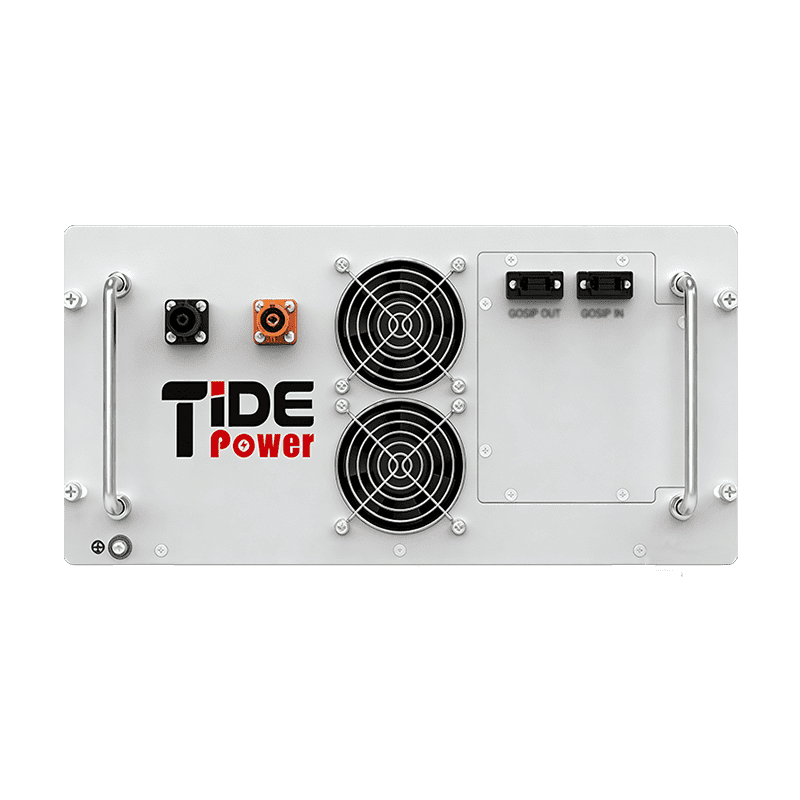
Storage duty, rather than generation capacity, is what sets replacement timing and much of the capital cost in either configuration. <Sustainable Power Made Simple with TIDE POWER TP200BESS> covers a battery energy storage system built for that duty.
Checks to Run Before You Commit
Six checks separate a defensible decision from a plausible one.
- Ask where the resource data comes from. An on-site measurement at the planned hub height, a model derived dataset and a regional average carry different uncertainty, and the supplier should state which one was used, over what period.
- Require an energy yield table with losses itemised. For photovoltaics that means soiling, temperature, shading, availability and curtailment. For wind it means turbulence, icing, availability and electrical losses. A single yield number with no breakdown cannot be reviewed.
- Require a dispatch simulation covering a full year. It should show monthly generator hours, battery cycles, depth of discharge and any unmet load. If the simulation cannot produce those figures, the sizing was done on a rule of thumb.
- Separate supply from site works in the quotation. Foundation, crane, cable trenching, access road and permits often sit outside the equipment price, and their cost differs sharply between the two options.
- Confirm the service model. Who attends, how long the journey takes, which spares are held locally and whether work at height is included in the contract price.
- Define acceptance tests and performance guarantees, including the measurement method. An availability figure without a measurement basis is not a commitment.
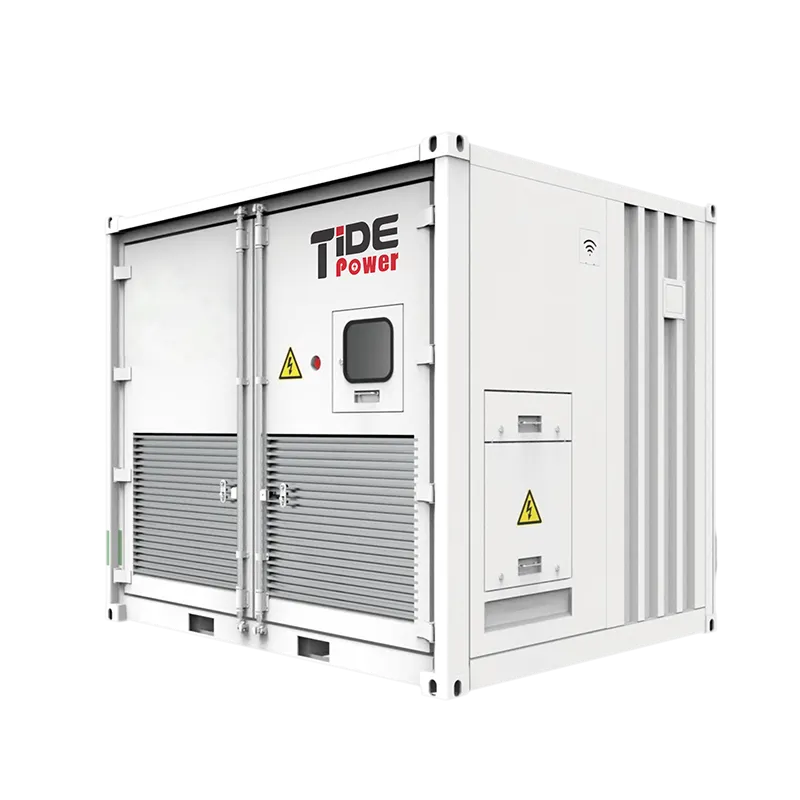
Integration is where the two configurations converge again, because both need a controller that charges, discharges and starts the generator without an operator present. <Intelligent Integration: Tide Power’s All-in-One Solar Container Ensures Uninterrupted Green Power> covers how an all-in-one solar container packages generation, storage and control in a single unit.
Diesel-Backed Hybrids and Where the Choice Narrows
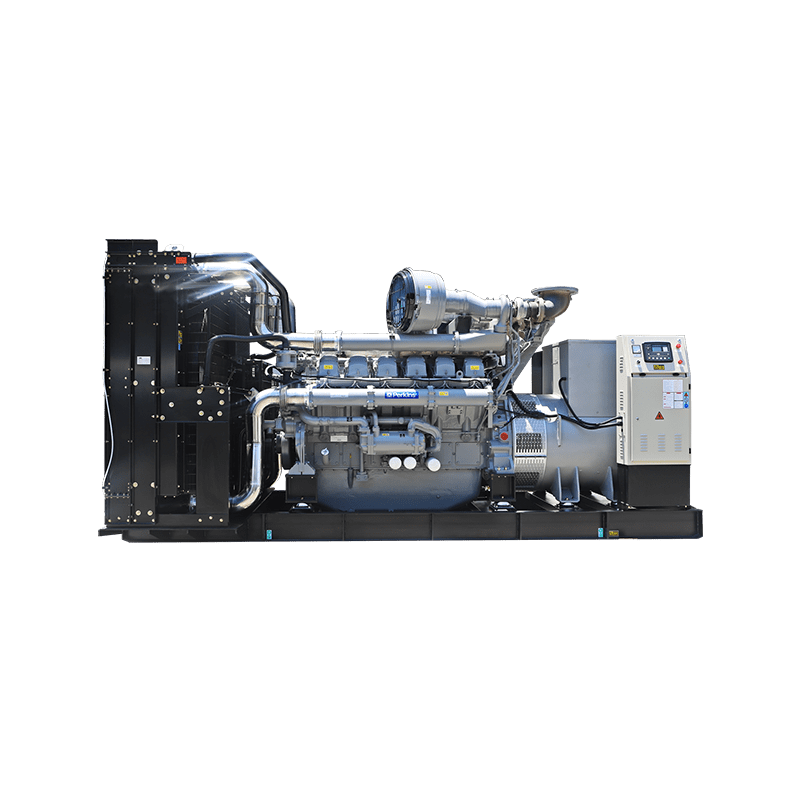
Once a generator is part of the design, both options become viable at almost any site, and the comparison shifts to how much fuel the renewable block displaces. In telecom and small industrial applications, solar is the common pairing because the load peaks in daylight and the array needs less specialised service. Wind-diesel configurations make sense where the resource is strong and persistent, and where fuel delivery to the site is the binding cost.
The controller matters as much as the energy source. It has to decide when to charge from the renewable block, when to discharge, and when to start the generator, then execute that decision without an operator. A hybrid power system from Tide Power illustrates the architecture: it combines solar generation, lithium iron phosphate storage and a diesel generator in the 10 kVA to 250 kVA range, with millisecond level switching and unattended operation, which is the arrangement most off-grid sites end up needing regardless of which renewable source they choose.
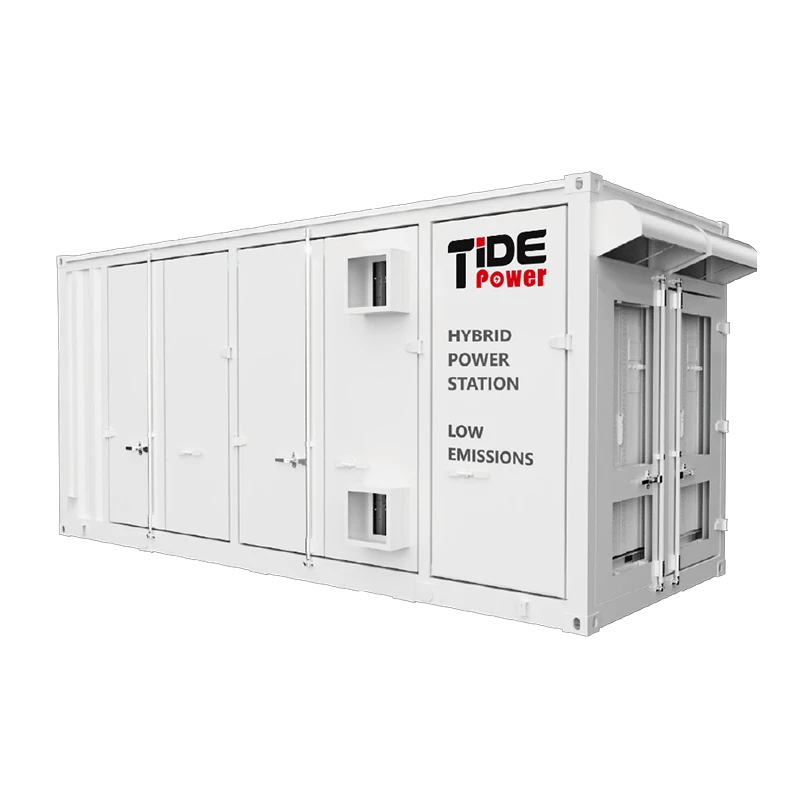
Fuel logistics, not equipment price, often decides whether a renewable share is worth adding at a remote site. <Tide Power & Lister Petter Showcase Hybrid Power Solutions at Egypt Energy 2025> covers hybrid power solutions presented for off-grid and distributed generation.
Send the Inputs That Decide the Comparison
The comparison resolves quickly once the site inputs are on the table. Send the site location and latitude, a load profile for a typical week and for the seasonal peak, the resource data you hold together with its source, measurement height and period, the land or roof area available and any restriction on tower height, the storage duration you are targeting, the generator role you want to keep, and how quickly a service team can reach the site.
With those inputs, a configuration can be checked against a dispatch estimate rather than a datasheet comparison. Tide Power can review them against the hybrid power system range from 10 kVA to 250 kVA and respond with a proposed architecture and the assumptions behind it. Email [email protected] or call +86 591 2806 8999.
FAQ
Can one site combine solar and wind in the same hybrid system?
Yes, and the combination has a real advantage: the two resources rarely reach their seasonal low in the same week, so the battery and the generator both work less across the year. The cost is complexity. You need two resource datasets, two maintenance regimes, more mounting structures and a controller that manages both inputs. It suits sites with space for an array and permission for a tower, and it is usually considered after a single source option has been sized and priced.
Is a wind hybrid cheaper to run than a solar hybrid?
Running cost depends on the energy the renewable block delivers and on the service burden it creates, not on the technology label. A well matched wind hybrid in a strong resource can displace more diesel than a solar array of similar capital cost. It also adds scheduled mechanical work, blade inspection and work at height. Compare the two on generator hours avoided per year and on annual service cost, not on price per kilowatt of nameplate rating.
How much storage does each configuration need?
A solar hybrid is normally sized for the nightly gap plus a reserve margin, because the deficit is predictable in length. A wind hybrid has to cover multi-day lulls if you want to keep generator hours low, which usually means more stored energy for the same annual load. The figure should come from a dispatch simulation covering a full year, showing cycles, depth of discharge and generator hours, rather than from a fixed ratio applied to array size.
Which configuration suits a remote telecom site?
Where irradiance is reasonable and site access is difficult, a solar hybrid with a diesel generator and lithium iron phosphate storage is usually the simpler installation, because the maintenance task is inspection and cleaning rather than work at height. A wind hybrid becomes attractive when a measurement at the planned hub height shows a persistent resource, tower permission is obtainable and a contractor can service the machine locally.
How much wind data is enough before committing?
A measurement campaign covering a full annual cycle reduces seasonal bias, which is the largest source of error in wind yield estimates. A shorter campaign can still support a decision if the period is referenced to a longer term dataset and the uncertainty is stated openly. What should not be accepted is a decision based on a regional wind map, a neighbouring town’s records or a manufacturer’s site classification.
If you’re interested, check out these related articles:
Tide Power 2025 Global Journey: First Half Triumph
Tide Power shines at the 136th Canton Fair