 EN
EN ZH
ZH FR
FR ES
ES AR
AR100kW industrial diesel generator buyers tend to make the same mistake: they compare nameplate ratings, then finalize a purchase, and only discover the real problem when site conditions change the output. After ten years positioning generator sets for international projects, I would rather see a procurement team slow down at the quotation stage than pay later for a set that cannot hold motor starting loads or deliver continuous power at altitude. The right 100kW unit is not the cheapest compliant quote. It is the unit that has been matched to the load, the environment, and the service obligations behind it.
A 100kW Industrial Diesel Generator Rating Is Only a Starting Point
A 100kW industrial diesel generator does not automatically deliver 100kW of usable electrical power in every operating condition. The nameplate is usually written against a 0.8 power factor, which means the alternator is sized near 125 kVA. If your site has motor loads, compressors, or UPS systems, the kilowatt number alone can hide the real constraint: the alternator may run out of kVA or short circuit current before the engine reaches its power limit.
Before asking for a price, I have procurement teams complete a simple matrix. It changes the quotation faster than any general discussion.
| Site Condition | Specification to Check | Why It Changes the Purchase |
|---|---|---|
| High altitude | Engine and alternator derating curves | A 100kW set may need a larger frame to hold 100kW on site |
| High ambient temperature | Cooling system margin at 45°C or 50°C | Output falls without documented derating |
| Electric motor starting | Alternator kVA and voltage dip tolerance | A load that runs at 60kW can trip a 100kW set during start |
| Continuous operation | Prime versus standby rating | Standby ratings carry running hour limits |
| Dust and humidity | Canopy protection and filter specification | Maintenance cost and reliability shift by site |
Engine and Alternator Matching Governs Long Term Reliability
Buyers tend to focus on the engine first. That is understandable because engine brands are the most visible part of the specification. What gets less attention on a 100kW industrial diesel generator is whether the alternator can handle the largest single load while keeping voltage stable enough for controls, VFDs, and sensitive equipment.
For example, a motor with a high locked rotor current can demand several times its running kVA for a few seconds. A generator selected only on aggregate running kilowatts may recover after the start but can still cause a voltage dip that resets a PLC or stops a compressor.
Why Engine Configuration Is Not the Whole Story
Choosing a well known engine is a starting point, not a decision. A 100kW industrial diesel generator may use different alternator frames, voltage regulators, and control systems around the same engine. Those components determine whether the power is clean enough for the site, not the engine badge.
What to Confirm on the Alternator
Ask for the alternator continuous kVA, short circuit capability, voltage regulation class, and motor starting capacity. If the supplier cannot state the largest motor the set can start with its specified voltage dip, the quotation is incomplete.
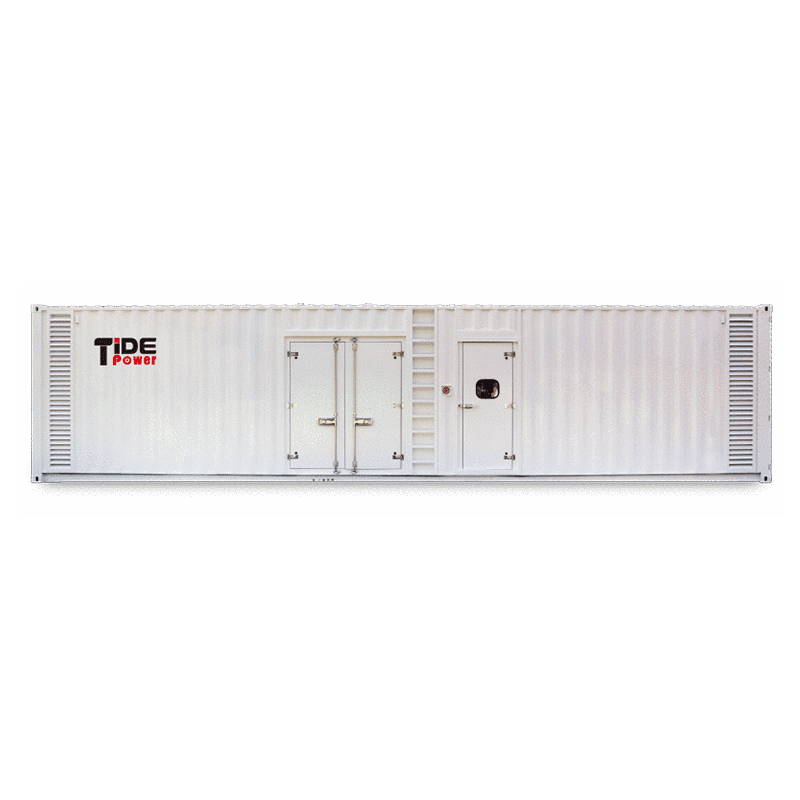
Tide Power’s Fenova Plus series covers 5kVA to 900kVA with Lister Petter engines, and the Hemera series runs from 5kVA to 650kVA with DCEC, Perkins, and SME engine options. Both are silent type configurations that can be sized around a 100kW requirement, but the alternator matching is the part that determines whether the unit behaves correctly under load.
Enclosure, Noise, and Installation Rules Change the Real Cost
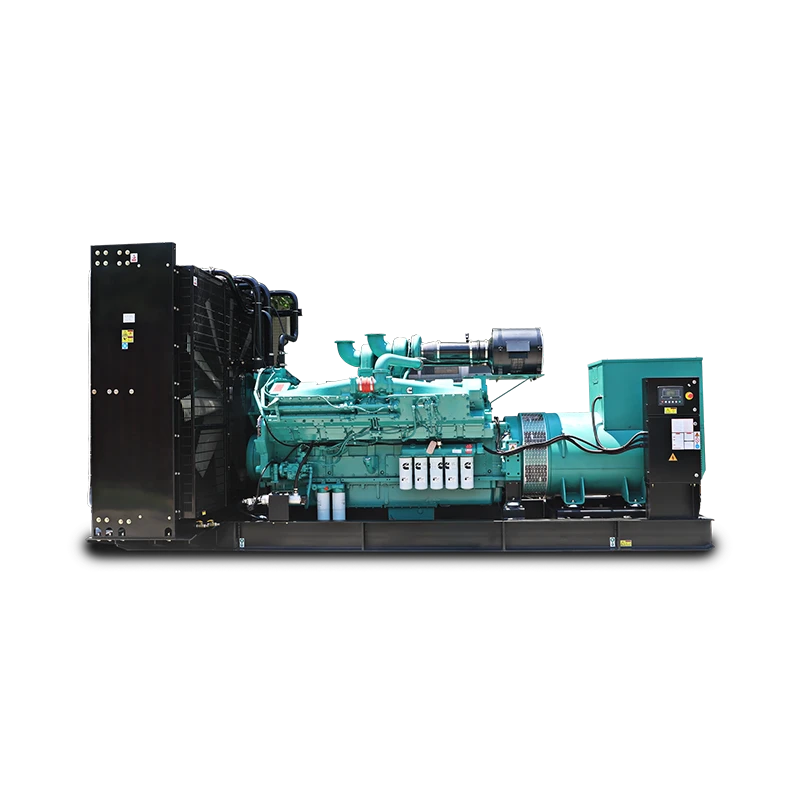
A silent canopy is not only a steel box. It affects cooling, access, transport, and the actual footprint on site. A 100kW industrial diesel generator installed near an office, hospital, or residential boundary needs a soundproof enclosure and proper ventilation, but those features add weight and service clearance requirements. The same set may not fit through the available doorway or may need an external fuel inlet and forklift sockets.
Urban sites often push buyers toward silent type units. Tide Power’s Econic Series silent range includes a vertical ventilation system, large access doors, and external fuel filling, which change the installation plan. The mistake is treating these as accessories when they are part of the specification.
If your program involves a 100kW industrial diesel generator with a restricted plant room or a noise limit at the property line, it is worth confirming enclosure dimensions, air flow, and service clearances before finalizing your BOM; reach out at [email protected] with your site layout.
Supplier Verification Beats Spec Sheet Comparison
Specification sheets for a 100kW industrial diesel generator look similar because most manufacturers publish the same voltage, frequency, and power factor. The differences appear later: in the load test, in the parts network, and in the response time when a site goes down. Before comparing quotes, I ask each supplier for a factory test report, a load bank test result, and a named person responsible for after-sales.
CE and ISO compliance should be verifiable, not assumed. A supplier that can show which standard applies to the alternator, engine, and enclosure is usually easier to audit than one that answers every question with a datasheet.
One practical test is to ask how the supplier handles a warranty claim outside the country of assembly. If the answer is vague or delayed, the purchase risk is higher than any savings from a lower price.
Total Cost of Ownership for a 100kW Diesel Generator Starts With Service
Purchase price is the smallest part of the story for a 100kW industrial diesel generator that runs for years. Fuel consumption at 50%, 75%, and 100% prime load, service intervals, part prices, and warranty terms all move the total cost more than a small price difference at order. I tell clients to request the specific fuel consumption curve and compare it against the expected operating hours.
Prime power sites burn fuel continuously, so a five percent efficiency gap can translate into a large fuel bill across two seasons. Standby sites may not consume much fuel, but they often sit for long periods and need battery chargers, block heaters, and regular testing. Both scenarios have different maintenance paths.
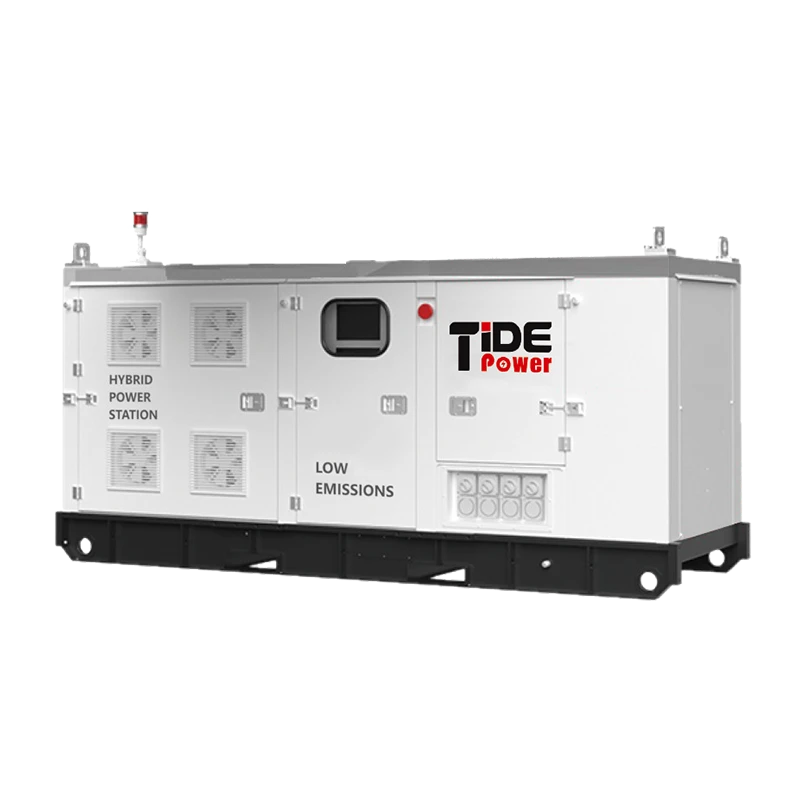
For remote sites evaluating diesel and hybrid operation, the TP-60P all-in-one hybrid power station is one configuration we position to reduce diesel runtime. It is not a replacement for a 100kW industrial diesel generator on every site, but it is worth considering when solar or battery storage can handle daytime loads.
Most buyers do not need a larger generator. They need a supplier that asks the right questions about site altitude, motor starting, enclosure, and after-sales service before the price is confirmed. If your project involves a 100kW industrial diesel generator, send your load list, site elevation, and delivery window to [email protected] or call +86 591 2806 8999. A clear quotation should state the prime or standby rating, alternator model, enclosure type, and what the warranty includes.
Common Questions Sharpen a 100kW Generator Purchase
What Is the Difference Between Prime and Standby Rating for a 100kW Set?
The prime rating is for continuous load. A prime rated 100kW industrial diesel generator can run as the main power source for extended periods, usually with a small overload margin. A standby rating is for emergency use during grid failure and carries annual running hour limits. Buying a standby unit for continuous use shortens engine life and can void warranty. Ask the supplier to state the exact annual hour limit and the maximum continuous load in writing before ordering.
Why Does Altitude Derating Matter More Than Most Buyers Realize?
The common assumption is that altitude only reduces engine combustion. In practice it also reduces air density for the alternator cooling system, so the generator set loses both engine power and alternator cooling capacity. At 2,000 meters, a 100kW set may only be safe for a derated output unless the manufacturer has compensated with a larger cooling system or derated alternator. If the site is above sea level, share the exact elevation before accepting a standard quotation.
Should I Buy a Silent Enclosure or Open Type for an Industrial Site?
It depends on where the set sits and how close people are. A sealed urban site near offices, hospitals, or residential boundaries usually needs a soundproof canopy and a cooling system designed for enclosure airflow. An open type unit may be simpler to maintain in a dedicated plant room with its own ventilation, but it does not control noise or weather exposure. Confirm the local noise limit at the property line and the available service clearance before choosing.
How Do I Confirm the Supplier Can Maintain the Unit After Delivery?
In supplier reviews I run, I ask for a parts dispatch response time, a named after-sales contact, and a documented warranty process before placing an order. A generator supplier that cannot state those details will create a sourcing problem later, however attractive the price. The practical test is to request a written answer to one question: if the controller fails after six months, who sends the replacement and how fast? Share your site details and we will confirm the parts and warranty logistics for your country.
If you’re interested, check out these related articles:
Summer Maintenance Guide for Gas Power Generators: Ensuring Peak Performance in Extreme Weather
Tide Power has been recognized as a national high-tech enterprise
Get ready to meet Tide Power’s latest product at POWERGEN 2025
Diesel Pump Generators: Reliable Dewatering Solutions for Harsh Environments
A resounding success at the Tide Power 2024 Annual Gala Dinner