 EN
EN ZH
ZH FR
FR ES
ES AR
AR20kW light tower selections for large construction sites succeed or fail on coverage continuity more than catalog wattage. A workface that looks bright during a short evening check can leave haul roads and excavation edges in shadow once crews move. The right specification starts with mast height, coverage area, runtime, and transport weight, then narrows to the power source that matches the shift pattern. I have reviewed enough large site lighting requests to know that the specification sheet matters less than how the tower performs on night two, night seven, and the night before handover.
Site Illumination Requirements for a 20kW Light Tower
Large construction sites are not uniform grids. The critical workface may be a deep excavation, a laydown yard, or a stretch of haul road, and each has a different lux target and shadow allowance. Before matching a 20kW light tower to the equipment list, the site team needs a simple layout that marks where work happens after dark, how long the task continues, and where a tower can be positioned without blocking crane paths or truck turnaround. Towers do not light areas evenly. Light falls off sharply with distance, and obstructions such as stacked formwork or stored materials can create dark pockets in the middle of an apparently covered zone. A 20kW light tower cannot correct a poor layout by itself.
Mast Height and Coverage for a 20kW Light Tower
Coverage is a mast height problem first. A tower with a 9-meter mast can handle a compact work area, but a 12-meter mast changes the beam angle and reduces pooling at the base, which often means fewer units can cover the same long workface. For a 20kW light tower on a large site, the economic question is not the unit price. It is the number of units required. 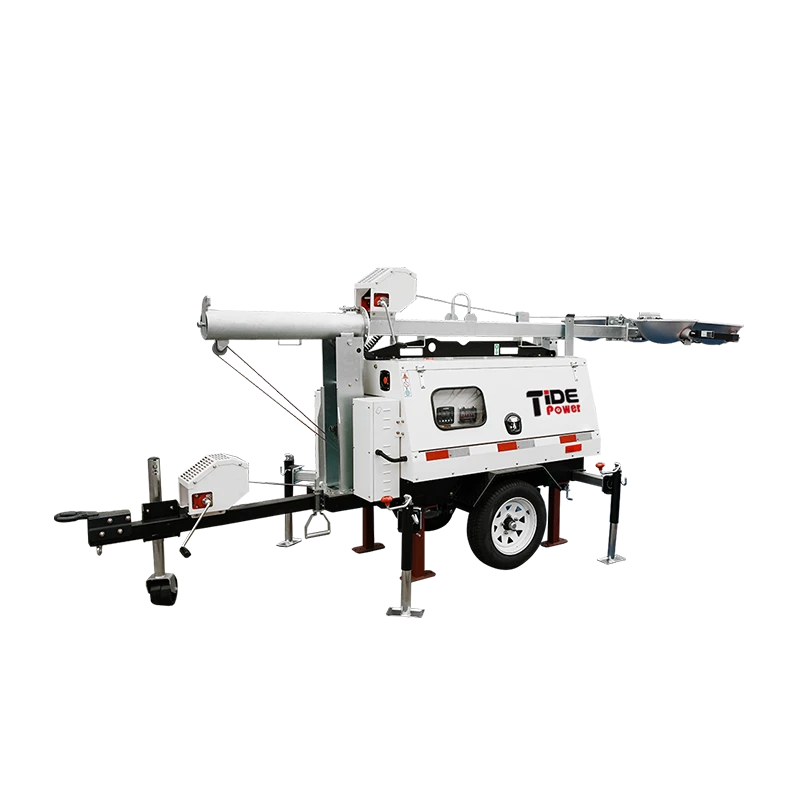 A horizontal mast option may be useful where overhead clearance is tight, but it shifts the center of gravity. The table below lists the checks I ask project teams to complete before they accept a lighting layout.
| Site condition | Check before finalizing layout | Why it changes the decision |
| Long haul road | Distance between tower positions | More towers at lower mast height can beat fewer towers at high mast height |
| Deep excavation | Shadow zones below grade edges | A taller mast reduces the dark rim but cannot remove it entirely |
| Laydown yard with stacked material | Walking inspection after dark | Light can look adequate on a drawing and fail behind stored forms |
| High wind area | Mast lowering limits and wind rating | A hydraulic mast can be lowered faster when a storm moves in |
This check matters even when the first 20kW light tower quote looks lower than expected because the wrong mast height can double the required unit count.
Runtime and Refueling Factors for a 20kW Light Tower
Runtime is where large site lighting budgets quietly break. A 20kW light tower may be specified with a fuel tank that lasts a full night at 75 percent load, or it may be specified with a smaller tank that forces a refueling run at 2:00 a.m. The difference is not just weight. It is labor. If the site has a dedicated fuel truck on a scheduled loop, a lighter tower with a shorter tank interval may be acceptable. If the fuel truck arrives once per shift, a larger tank or an external fuel inlet becomes the more rational choice.
Tide Power can evaluate the lighting load alongside a site generator set such as a Fenova Plus Series unit, because the combined load changes the economics of both decisions. 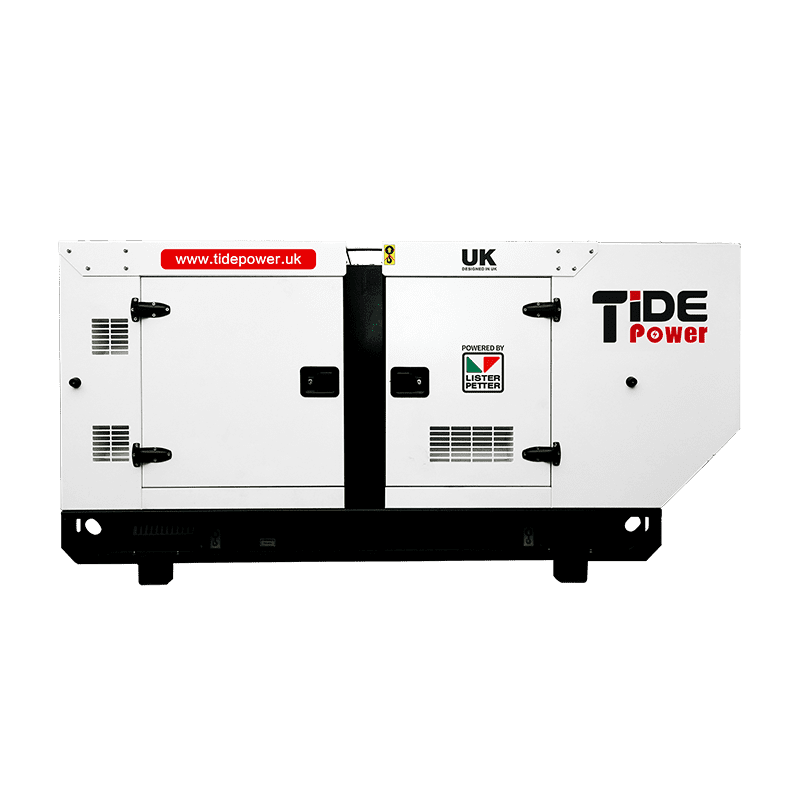 If your project has rotating shifts or two separate workfaces running different hours, it is worth confirming the refueling interval and actual runtime at 75 percent prime load before finalizing the layout. Send your shift schedule to [email protected] and we can match the tank size to the demand.
Diesel, Solar, and Hybrid Configurations for a 20kW Light Tower
Large sites rarely have one power strategy. Diesel remains the default where work must continue through wind, dust, and overnight operations with no grid tie. Solar and hybrid configurations earn their place on sites with good daytime exposure, long idle periods, or strict noise and emission controls. When comparing 20kW light tower configurations, the mistake is treating them as interchangeable. A diesel tower can run through a week of overcast weather without a change in behavior. A solar tower needs clean panel surfaces and a storage bank sized for the actual dark hours, not the average. 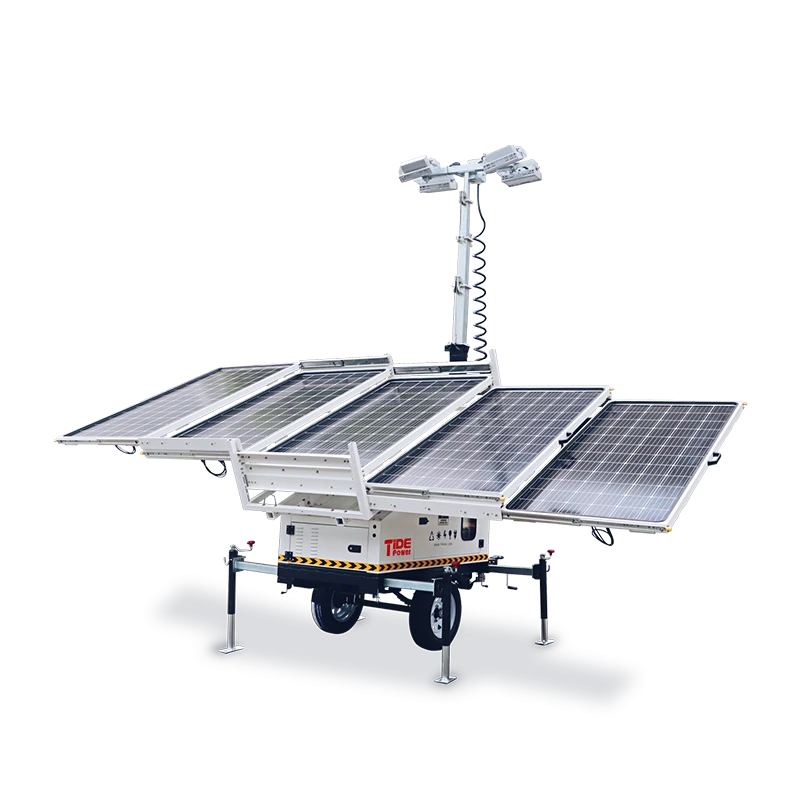
Tide Power’s lighting tower range includes manual mast, hydraulic, horizontal mast, solar, and solar hydraulic configurations. The specification conversation should not start with the power source. It should start with the worst week of weather and the longest shift, then work backward into which system can hold coverage without intervention. A 20kW light tower with hybrid power only earns its premium when the site schedule has predictable daylight charging and a tolerance for battery maintenance.
Sourcing a 20kW Light Tower With Real Site Data
Most 20kW light tower decisions are made late and under pressure, which is why teams end up with a configuration that works on paper but not on the night shift. The fix is not more catalogs. It is a sourcing request built around real operating conditions. Send your site area, the longest nightly shift, the minimum lux at the workface, any overhead or access limits, and your emission or noise restrictions. Then ask for a coverage recommendation before asking for unit pricing. That changes the discussion from product price to site performance.
For an initial layout and a matched product recommendation, send those details to [email protected] or call +86 591 2806 8999. The conversation is more productive when the first message includes the workface dimensions and the hours you actually run.
Common Questions About 20kW Light Towers
How many 20kW light towers does a large construction site need?
Most large sites need more towers than a uniform spacing calculation suggests because obstructions create shadow zones that a top-down drawing misses. Start from the workface, not the total area. A concrete pour and a haul road have different light needs. The tower count should rise where crews must see edges and moving equipment clearly. Walking the site at night before accepting a layout exposes the dark pockets. Plan for the worst weather and the longest shift, then count towers that keep that zone safely lit.
Is a solar light tower strong enough to replace a 20kW diesel tower?
A common assumption is that solar light towers are a smaller substitute for diesel, but the real comparison is between energy storage and continuous power demand. A solar unit can deliver strong light for a defined period if the site has good daytime exposure and the battery bank matches the overnight load. On a long shift during heavy cloud, the diesel tower is the safer default because it does not depend on recharge. Solar becomes practical when the site wants lower noise, lower emissions, or long idle daytime work, not when the night load is uncertain and the schedule cannot flex.
What mast height works best for large site coverage?
It depends on what the tower must cover. For a broad laydown yard or a flat access area, a 9-meter mast may be enough if the ground is clear. For a deep excavation or a long haul road with edges, a 12-meter mast changes the beam angle and reduces the dark rim below grade. The taller mast is not automatically better. It adds wind sensitivity and may require a hydraulic lowering system. Choose the mast after you mark the worst shadow line on the site drawing, then verify that line with a night walk.
How long can a 20kW light tower run before refueling?
In my experience with large site lighting reviews, runtime questions usually hide a fuel logistics problem. A tower can run a long night on a large tank, but the site still needs a scheduled refueling route and a clear access point. Confirm runtime at 75 percent load rather than at idle, because actual loading changes consumption. If the site has a fuel truck on a fixed loop, a smaller tank may work. If refueling stops at midnight, specify a larger tank or an external fuel inlet so the tower survives until the next scheduled pass.
What should a procurement team send when requesting a 20kW light tower quote?
The most useful request is shorter than most teams expect: site dimensions, longest shift, minimum lux at the workface, and any noise or access limits. That is enough for a supplier to propose a tower count and mast configuration instead of sending a generic unit price. Add the worst weather period and the refueling schedule if the site is remote. Send those details to [email protected] and ask for a coverage layout first. That separates a practical lighting plan from a quick catalog quote.
If you’re interested, check out these related articles:
Join Tide Power at Canton Fair to Witness Innovation in Action
?Next Generation of High-Horsepower Generator Box from Tide Power
How to Choose the Right Water Pump? A Professional Buyer’s Guide