 EN
EN ZH
ZH FR
FR ES
ES AR
ARSelecting a 10HP dewatering pump goes beyond matching flow rate and head to a data sheet—it’s a procurement decision that affects site uptime, fuel budgets, and long-term reliability. In my work with global energy infrastructure projects, I’ve seen too many teams prioritize the lowest purchase price only to face costly downtime from premature wear or inadequate after-sales support. This guide walks you through the key specifications, diesel versus electric tradeoffs, total ownership costs, and supplier evaluation criteria that matter when sourcing a pump built for continuous field performance.
What Flow Rate and Head Does a 10HP Pump Deliver?
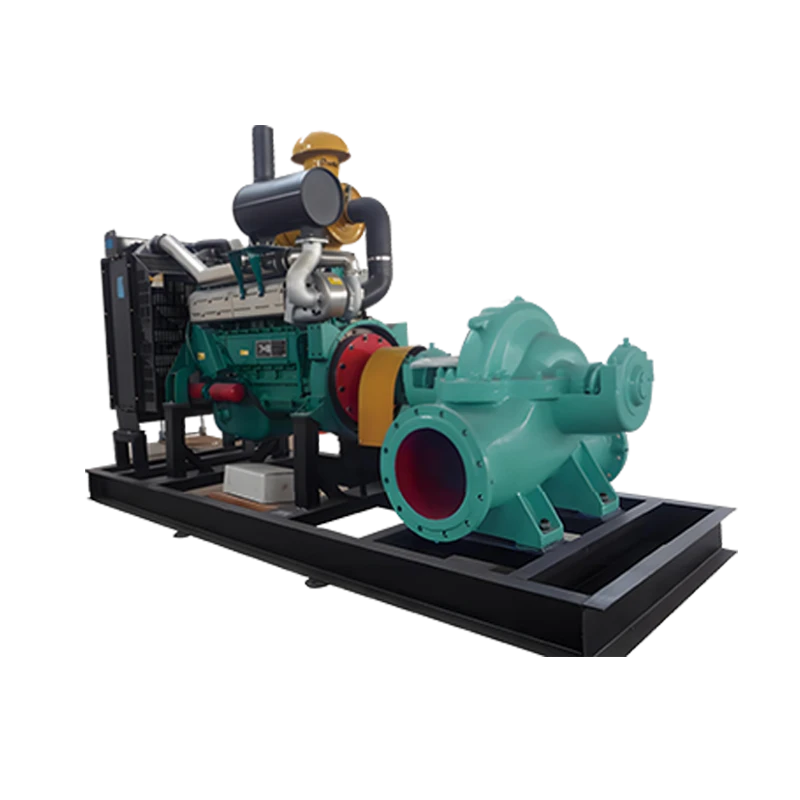
The performance window of a 10HP diesel-driven dewatering pump typically spans 400–800 US gallons per minute (GPM) at heads between 20 and 60 feet, though exact figures depend on impeller design and pump series. Tide Power’s self-priming diesel pump units, for instance, are engineered to deliver strong flow capacity while maintaining suction lift performance without external priming systems. A correctly specified pump moves enough water to keep a construction pit or mine sump dry without consuming excessive fuel, which is why matching the pump curve to the intended operating point matters far more than chasing headline numbers.
How important is self-priming capability?
When a pump loses prime mid-operation—common in fluctuating water tables—it stops discharging and the impeller can spin dry, rapidly damaging mechanical seal faces and bearings. A pump with fast self-priming capability, such as the diaphragm-type or ejector-assisted designs found in quality diesel dewatering pumps, re‑establishes suction without operator intervention. For mining drainage or emergency flood control, that single feature can mean the difference between a routine shift and an extended shutdown. Before finalizing a specification, confirm the pump’s rated suction lift and repriming time under realistic temperature and altitude conditions.
Diesel or Electric: Which Power Source Should You Choose?
Diesel engine-driven pumps dominate remote and heavy-duty dewatering applications because they run independent of grid power and tolerate continuous loads without overheating. A 10HP air-cooled diesel motor can operate for 10–12 hours on a single tank, making it practical for mine pits, construction excavations, and flood rescue where mobile fuel supply is the only energy input. Electric submersible pumps offer lower on-site noise and zero tailpipe emissions but tie the operation to generator sizing and cable runs—adding complexity on a moving jobsite.
If your project involves deep, stationary sumps with reliable mains power, an electric pump may reduce fuel handling headaches. For temporary or isolated sites, the diesel option delivers higher deployment flexibility and predictable fuel cost per hour, especially when paired with a manufacturer-designed base frame and skid for transport.
How Does the Total Cost of Ownership Compare Over Time?
The purchase invoice is only the first line of a 10HP pump’s financial footprint. Fuel burn rate, service interval frequency, and replacement part availability often outweigh the initial price difference within the first 500 operating hours. A diesel pump consuming 0.8 gallons per hour at 75% load incurs roughly $24–$32 in daily fuel cost at U.S. diesel prices, while electric units shift that expense onto diesel generator fuel consumption and maintenance. Add a monthly oil change, impeller clearance checks, and the inevitable seal replacement, and the true three-year cost of an entry-level pump can surpass that of a higher-specification unit that holds its tolerances longer.
What are typical maintenance costs?
Budget roughly $600–$1,200 per year for routine maintenance on a continuously running 10HP diesel pump, covering engine oil, fuel filters, air filters, and impeller clearance adjustments. Unplanned repairs—especially mechanical seal failures or bearing seizures from dry running—add $500–$2,000 per incident in parts and labor. Pumps with large, accessible service doors and widely available engine brands reduce downtime because standard spare parts and local technician support are easier to secure.
How to Evaluate Dewatering Pump Manufacturers?
A manufacturer’s datasheet tells you theoretical performance; their track record in your target region tells you whether the pump will still be supported when a seal fails at 3 a.m. on a remote site. Start by asking for test reports at the requested duty point, not just the best efficiency point. Confirm whether the pump body and impeller are cast from ductile iron or a lower-grade material that may erode faster in sandy water. The engine brand, alternator spec, and controller type matter just as much as the hydraulic design because long‑term parts availability can make or break a fleet’s uptime.
Tide Power’s dewatering pump range spans six product series—Z, B, K, S, D, and C—each built around proven diesel engine platforms and fast self-priming pump bodies. Their design emphasizes high head and large flow while maintaining rugged canopy protection for outdoor use. This modular engineering approach allows procurement teams to request a pump configuration that fits the specific head, flow, and portability needs of a project without compromising on serviceability.
What questions should I ask the supplier?
A reliable supplier answers these without hesitation: What is the pump’s NPSHr at my flow rate and suction lift? Which engine brand and model is fitted, and what is the local parts lead time for that engine? Can you provide a performance curve certified at your own test facility? What is the standard warranty period for the pump end and the engine, and does it cover seal failures caused by priming interruptions? A supplier who deflects these questions toward generic brochures is not equipped to support a fleet deployment.
What Are the Key Procurement and Logistics Considerations?
Sourcing a 10HP diesel dewatering pump from an international manufacturer adds freight, documentation, and port clearance to the project timeline. Plan for 4–8 weeks lead time if the unit is built to order, plus another 2–4 weeks for ocean freight and customs, depending on destination. Confirm that the pump’s engine complies with local emission regulations—EPA Tier 4 or equivalent—if the site operates in a regulated jurisdiction, otherwise the shipment may get held at port. A manufacturer with a dedicated export logistics team will pre-package the pump in a seaworthy crate and handle the certificate of origin and shipping manifests, reducing the administrative load on the buyer.
When you are sourcing pumps for multiple sites across different countries, ask the manufacturer about regional service partnerships. A direct line to a technician familiar with the specific engine and pump model shortens repair turnaround and prevents the costly cycle of shipping parts overseas. Tide Power supports global customers through established distributor networks and on-demand technical consultation, which helps keep lead times and downtime in check once the equipment is on the ground.
If your dewatering program involves deep lift conditions, abrasive water, or continuous operation in extreme temperatures, the pump configuration needs to match those demands from the start. Reach out to our team at [email protected] or call +86 591 2806 8999 with your target flow, head, and site conditions—we will verify the pump model and engine selection that delivers reliable performance without over-specifying.
Common Questions About 10HP Dewatering Pumps
How do I determine the right pump size for my site?
It depends on the water inflow rate you need to manage and the vertical lift from the sump to the discharge point. Calculate the volume of water entering the pit per minute under worst-case rainfall or groundwater conditions, then select a pump whose flow rate at your total dynamic head (TDH) exceeds that inflow by a 20–30% safety margin. A 10HP pump usually handles high inflow on small to mid-size construction pits, but for deep mines multiple pumps in series may be required.
Can a 10HP pump handle solids and debris?
Most 10HP diesel dewatering pumps are designed for clear or lightly solids-laden water, not heavy slurry. If your application involves sand, mud, or small stones, specify a pump with a hardened impeller and wear plates, or use a trash-handling screen on the suction line. Check the manufacturer’s maximum solids passage rating; some high-flow pumps can pass soft solids up to half an inch, but larger debris will clog the impeller and cause rapid wear.
What is the typical lead time for ordering a dewatering pump?
Off-the-shelf pumps can ship within 1–2 weeks, while units built to order from a factory may require 4–8 weeks. Adding engine customization or specialized coatings can extend that to 10 weeks. For projects with hard deadlines, confirm the manufacturer’s stock availability and whether they maintain buffer inventory of the engine and pump end assembly before placing the order.
Is it better to rent or buy for short-term projects?
For projects under three months, renting can eliminate capital outlay and maintenance obligations, provided the rental fleet is well-maintained and you can get a unit with the correct flow and head characteristics. If the rental pump fails, the rental company owns the downtime penalties. However, when projects extend beyond six months, ownership often becomes cheaper, especially if the pump can be transferred to the next job. Share your project timeline and we can help you run a rent‑vs‑buy comparison based on your site’s actual flow requirements—just send the details to [email protected].
If you’re interested, check out these related articles:
Installation of Tide Power Generator Sets at a South American University
How Self-Priming Pumps Work & Why Tide Power’s Z Series Leads the Industry
“Inciting?sales?in?leading?the?changing?trend”2022?Tide?Power?Global?Sales?Conference was successfully held