 EN
EN ZH
ZH FR
FR ES
ES AR
AREvery construction site that hits the water table faces the same urgent question: should we rent a dewatering pump for this project or buy one outright? The answer is not a simple day‑rate comparison. In my work with energy infrastructure projects across multiple continents, I have seen contractors lose money on rental agreements that appeared cheap upfront, while others squeezed every dollar from a pump they owned for less than a year. The real differentiator is how pump specifications—head, flow rate, self‑priming time—interact with your site conditions and project pipeline. This article breaks down the total cost of ownership for construction dewatering pumps, helping procurement teams and project engineers decide when renting makes sense and when a strategic purchase from a manufacturer with global support delivers superior long‑term value.
What Factors Make Renting a Dewatering Pump the Better Choice?
Renting works when speed and simplicity outweigh strategic cost control. A short‑term project, a single‑phase excavation, or an emergency flood response rarely justifies a capital equipment commitment. You get a pump delivered to the site within hours, operate it for the required days or weeks, and return it without worrying about long‑term storage or maintenance. I have seen this approach keep small‑scale foundation jobs on budget because the contractor avoided tying up cash in an asset they would not use again for six months.
Two other factors push toward rental: limited in‑house maintenance capability and unpredictable project duration. If your crew has no diesel mechanic and the next project is three months away, rental means the service burden stays with the rental company. However, rental availability can become a problem during peak seasons. I recall a contractor in Southeast Asia who lost three days waiting for a suitable pump because the local fleet was fully booked. That delay alone erased half the rental savings they had projected. The takeaway: rental is a tactical move, not a strategy. It relies on someone else’s inventory and logistics being ready exactly when you are.
What Are the True Costs of Buying a Construction Dewatering Pump?
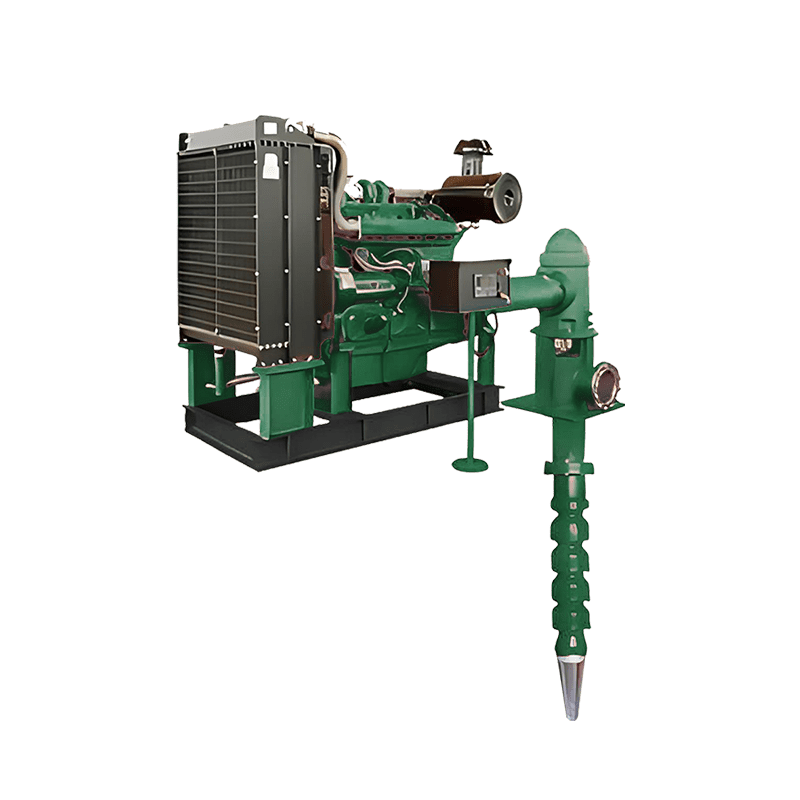
Ownership costs extend far beyond the purchase invoice. You have to account for transport to your yard, initial commissioning, fuel, routine service, wear parts, and eventual resale or disposal. A diesel‑driven self‑priming pump, such as Tide Power’s C Series, might land in your warehouse for a capital outlay that looks high on paper, but its per‑hour operating cost drops rapidly as utilization increases.
The table below compares the major cost categories that decide whether ownership pays off. The numbers are indicative; actual results depend on your local fuel price, labor rate, and project intensity.
| Cost Category | Rental Scenario | Ownership Scenario |
|---|---|---|
| Upfront payment | Deposit + first month | Full purchase price + freight |
| Daily / hourly rate | Fixed rate per day or per hour | Fuel consumption + amortized maintenance |
| Service and parts | Included in rate | Your responsibility; plan $0.50–$1.50 per operating hour for routine maintenance |
| Downtime risk | Replacement pump provided, but subject to availability | Spare parts inventory or standby unit reduces risk; faster response if you stock critical spares |
| End‑of‑use | Return unit, no residual | Resell or redeploy to next project; salvage value of 20–30% after five years |
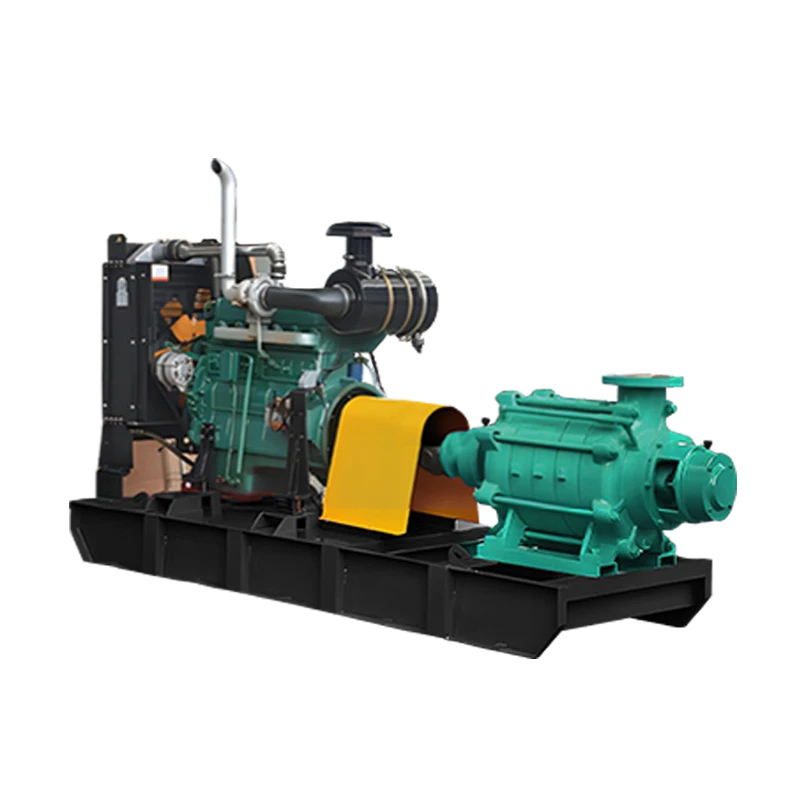
What rarely appears in rental quotes is the cost of undersized equipment. A rental pump that just meets the minimum head requirement will burn more fuel per cubic meter moved. When you own the pump, you can select a model matched to the exact hydraulic profile of your typical job sites, cutting fuel cost permanently. Tide Power’s B Series and Z Series, for example, are available in multiple configurations so you can size the engine and pump end to your head and flow needs instead of settling for whatever is on the rental yard.
How Do Pump Specifications Affect the Rental vs Purchase Decision?
Most rental versus purchase analyses stop at the daily rate. The bigger cost lever is hidden in the performance curve. Two dewatering pumps rated for the same flow might deliver radically different total cost if one needs 30 percent more fuel to overcome the same head. That is a specification problem, not a rate problem.
Take self‑priming speed. On sites where the pump must re‑prime multiple times a day because the suction line runs dry, a pump with fast self‑priming, like the Z Series from Tide Power, keeps water moving instead of wasting fuel on air handling. Over a three‑month project, the fuel saved can match one entire monthly rental invoice. Head capability matters just as much. A contractor working a deep excavation with a total dynamic head of 35 meters will see any rental pump running near the top of its curve, burning fuel aggressively. An owned pump sized for high head stays in the efficient band and costs less to operate. I have walked sites where simply swapping the pump model reduced daily fuel consumption by 18 percent, even though the purchase price of the two units was within 10 percent.
Engine quality and service interval also shift the equation. A diesel engine with a 500‑hour oil change interval needs fewer maintenance visits than one requiring service every 250 hours. Over a 2,000‑hour season, that difference is four extra days of downtime and labor cost. When you rent, you do not control the engine’s service history; you inherit whatever the rental house maintained. When you own, you know exactly when the filters were last changed.
What Hidden Rental Costs Can Underground Mining and Construction Sites Face?
Rental contracts contain items that only surface when the job hits trouble. Transport charges to and from the site, environmental surcharges for fuel handling, and penalties for cosmetic damage are common. One construction manager I spoke with paid an extra $1,200 on a two‑month rental because the pump arrived with cosmetic scratches the rental company attributed to site handling. These costs are rarely budgeted.
The most damaging hidden cost is downtime. If your rental pump fails on a Friday night and the rental house cannot deliver a replacement until Tuesday, you lose four days of site productivity. On a project with heavy groundwater inflow, every hour without dewatering can flood the excavation and erase weeks of progress. Ownership gives you the option to keep a standby unit or critical spares on site, reducing the mean time to repair to hours instead of days. Before signing a long‑term rental contract with substantial downtime exposure, it is worth verifying that the pump’s head and self‑priming specifications truly match your site conditions. Reach out to a manufacturer like Tide Power at [email protected] for a specification review.
Fuel logistics represent another hidden line item. Rental pumps often come with small fuel tanks, requiring frequent top‑ups that tie up labor. Many purchased pumps, including Tide Power’s range, can be configured with extended‑run fuel tanks, cutting refueling trips in half. Over a multi‑month project, the savings in operator hours alone can cover the cost of the larger tank option.
When Does Purchasing a Dewatering Pump Become the Smarter Investment?
A purchase switches from an expense to an investment when your project pipeline creates sustained demand. If you have at least 18 months of visible work where a pump of similar capacity will be used, the total cost of ownership almost always undercuts cumulative rental fees. The break‑even point typically arrives between 12 and 18 months for mid‑range diesel pumps, but it shifts earlier when head requirements exceed 30 meters or when the site is remote.
Standardization is the second trigger. Contractors who standardize on one or two pump models across multiple sites cut inventory complexity, train operators once, and keep a single set of spares. I have seen a mining contractor reduce pump‑related downtime by 40 percent simply by replacing a mixed fleet of rented units with a uniform owned fleet of Tide Power B Series pumps. Their maintenance team knew exactly what to expect, and parts were always on hand.
Global support turns ownership into a strategic asset. Tide Power Technology supplies dewatering pumps with multi‑brand engine support and an international service network. When your equipment moves from a project in Africa to a new site in Southeast Asia, the same manufacturer can supply parts and technical backup without forcing you to rebuild local supply chains from scratch. That continuity saves weeks of project ramp‑up time and eliminates the risk of running unfamiliar rental equipment in a new country.
If you are evaluating whether to rent or buy for your upcoming projects, start with your site’s head, flow, and duration numbers. Then contact our team with your requirements and target flow rate. We will recommend the right pump configuration and provide a total cost comparison tailored to your project portfolio.
Tel: +86 591 2806 8999
Email: [email protected]
Common Questions About Dewatering Pump Decisions
What does a dewatering pump rental cost per day?
Daily rental rates for a 6‑inch diesel pump typically range from $150 to $300, excluding transport, fuel, and insurance. The exact rate depends on head capacity and the rental company’s maintenance package. For a 90‑day project, a $200 daily rate totals $18,000, not counting incidentals. That same amount can cover a substantial portion of a new pump’s purchase price, and the pump remains an asset you can resell or redeploy.
How much maintenance does an owned diesel dewatering pump need?
Routine maintenance includes engine oil and filter changes every 250 to 500 operating hours, depending on the engine model, plus periodic inspection of the impeller, seals, and suction line. Budget around $0.50 to $1.50 per operating hour for consumables and labor if you handle simple tasks in‑house. Major overhauls are rare if the pump is not run dry or subjected to abrasive slurry continuously. Compare this to the built‑in service cost of a rental, and the numbers often favor ownership once utilization exceeds 1,000 hours per year.
Can a rental pump handle high‑head mine dewatering?
Some rental companies stock high‑head models, but availability is inconsistent. A rental yard’s priority is high turnover, so they tend to carry medium‑spec units that suit the widest range of customers. If your mine requires a pump that delivers over 40 meters of head, you may have to accept whatever is available or wait weeks for the right unit. Buying a purpose‑selected high‑head pump ensures the spec matches the job, and the fuel consumption stays in the efficient zone.
What warranty comes with a purchased Tide Power dewatering pump?
Tide Power dewatering pumps are covered by a manufacturer’s warranty that protects against defects in materials and workmanship. The specific coverage period depends on the engine and pump model. Our global service network supports warranty claims and spare parts supply across multiple continents, reducing the risk that a warranty repair will stall your project. For your specific application, share your requirements and we will confirm the warranty terms and recommend the configuration that delivers the lowest total cost of ownership.
If you’re interested, check out these related articles:
Boosting Agricultural Efficiency with Tide Power Dewatering Pump
?Tide Power shines with new products at the Jakarta International Expo
How to Choose the Right Pump for Your Industrial Needs
Powering Education in Ethiopia: Leading?Diesel Generator Manufacturer?Tide Power Delivers Silent?Power Generator?for Campus
Tide Power: Your One-Stop Energy Solution for Every Challenge