 EN
EN ZH
ZH FR
FR ES
ES AR
ARHome energy storage systems are often introduced through battery chemistry and inverter types, but that starting point misses the decision that determines whether a project works: whether the storage capacity and discharge rate match how the household actually uses power. After a decade working across generator sets and hybrid energy infrastructure, I have learned to evaluate the load profile first and the hardware second. A storage system sized to your evening peak, backup duration, and solar surplus will deliver predictable performance. One sized around a nominal kilowatt-hour figure usually creates a specification error that becomes visible only after installation.
What Does a Home Energy Storage System Actually Do?
A home energy storage system is a collection of battery modules, an inverter or hybrid power unit, and a control system that sits between your solar array or grid connection and the household loads. During the day, surplus solar generation charges the batteries instead of exporting every spare kilowatt-hour. At night or during an outage, the system discharges stored energy to the circuits you have selected for backup. The inverter converts DC battery output to AC, while the energy management system decides when to charge, discharge, or hold based on your settings and grid conditions.
The battery chemistry matters, but it is not the first decision. Most residential systems now use lithium iron phosphate (LFP) cells because they tolerate deep daily cycling and carry lower thermal risk than older lithium chemistries. I prefer LFP for homes because the failure mode is less severe and the cycle life usually outlasts the warranty period. A 5.12 kWh LFP battery pack is a common building block, and larger installations simply add modules until the required capacity is reached.
Why Does Your Load Profile Matter More Than Battery Chemistry?
Before choosing a battery, I look at the household’s load profile: the sequence and size of power demands across a typical day. A home with a 6 kW peak in the evening and low daytime demand has a different storage requirement than a home with a 3 kW peak but high overnight medical equipment load. Battery chemistry does not compensate for an inverter that cannot start the compressor or well pump. The peak load sets the inverter size, and the inverter size sets the project cost more directly than the battery capacity number printed in the brochure.
In one residential evaluation we supported, the family’s 8 kW peak load ruled out a 5 kW inverter before battery capacity even entered the conversation. That order of analysis saved them a specification change later. I have seen the opposite happen when a supplier quotes a large kilowatt-hour battery against a small inverter and the system trips during a simultaneous oven and air conditioner start. The battery had energy available, but the inverter could not deliver it quickly enough.
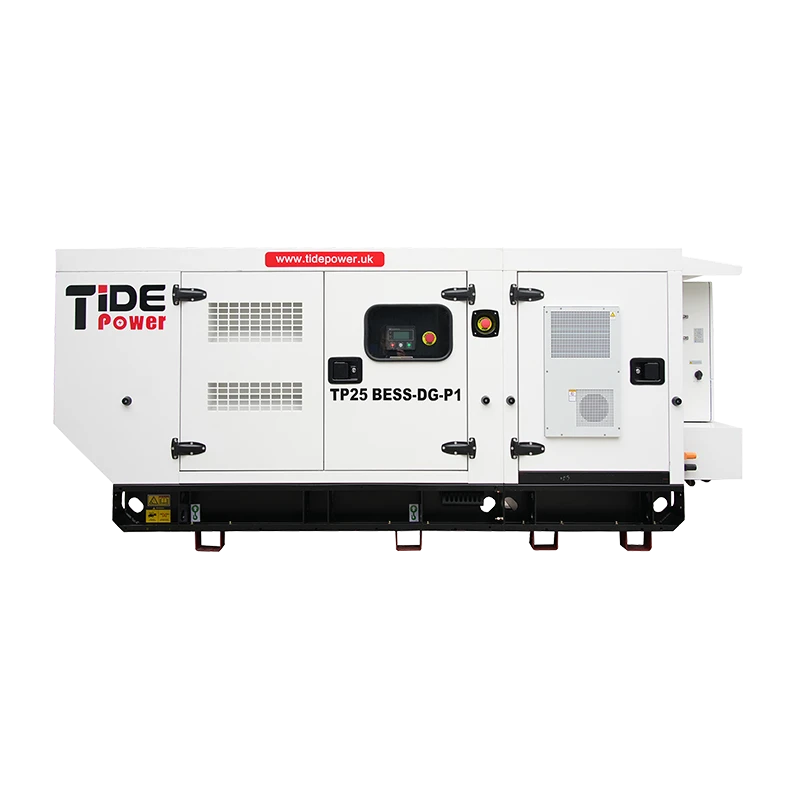
Tide Power’s all-in-one hybrid units in the TP-25P range show why matching matters: the power electronics, not just the battery, determine what you can run at any moment. This is often the difference between a backup system that works and one that only works on paper.
How Do You Size a Home Energy Storage System?
Size from three values: daily critical consumption, longest backup period, and maximum simultaneous load. Start with the loads you cannot afford to lose. For grid-tied self-consumption, you can size around evening usage and available solar surplus. For backup, you add the wattage of the appliances that must stay running and multiply by the hours you need them. For off-grid use, you add reserve days for poor solar conditions.
| Storage Goal | What to Size First | Common Oversight |
| Backup power | Maximum kilowatt load | Inverter surge rating |
| Solar self-consumption | Usable kilowatt-hours per evening | Battery throughput limits |
| Off-grid independence | Daily consumption plus reserve days | Generator integration and fuel |
A 10 kWh battery does not mean you can draw 10 kW for an hour. Usable capacity is reduced by depth of discharge limits, and output is capped by the inverter’s continuous rating. I calculate the load first, then the usable energy, and only then compare battery module counts across suppliers. This prevents the most common sizing failure: a storage system that meets the energy figure but fails the peak power requirement.
If your program involves time-of-use shifting or whole-home backup, it is worth confirming the inverter surge rating and battery discharge rate before finalizing your BOM; contact [email protected] for a specification check.
Which Costs Are Usually Missing from a Home Storage Quote?
The battery and inverter are only part of the installed cost. I ask suppliers to separate the following line items before comparing offers: switchgear and circuit protection, transfer switching for backup circuits, wiring upgrades, wall or floor mounting, commissioning, and local grid interconnection paperwork. A missing transfer switch is common in low first-cost quotes. Without it, the storage system cannot safely isolate during an outage, and the homeowner pays for that hardware after the contract is signed.
Transport and local compliance also add cost. Battery modules are heavy, and some regions require certified installers, fire-rated enclosures, or utility pre-approval before interconnection. Tide Power supplies configured cabinet-based energy storage systems, which can reduce on-site assembly time, but the local electrical work still sits with the installing contractor. Confirming those labor and approval costs early gives you a real total cost instead of a hardware-only number.
What Should You Verify Before You Commit to a Supplier?
I treat a storage quotation as incomplete until it includes three items: a signed single-line diagram, a written surge rating for the inverter, and a warranty that covers both battery throughput and power electronics. Ask how the supplier handles a failed module during year four, not just year one. Ask whether the battery management system will accept a replacement module without a full factory reset. These details are more predictive of long-term cost than the brochure efficiency figure.
The most expensive mistake I review is a system that meets the nominal energy figure but fails the peak power requirement. If your backup list includes a well pump, air conditioner, or electric water heater, confirm the inverter’s surge capacity in writing. For a specific check on your site, send your monthly usage, peak load, and backup duration target to [email protected] or call +86 591 2806 8999. We will confirm storage capacity and inverter sizing before you place an order.
What Questions Should You Ask Before Buying a Home Energy Storage System?
How long can a home energy storage system run a refrigerator during an outage?
A refrigerator alone is a light load, so even a small storage system can usually run it for a full day. A modern refrigerator may draw 100 to 200 watts, which means a 5.12 kWh battery holds enough energy for roughly 24 hours of compressor cycling, not continuous operation. The limiting factor is often the other loads on the same backup circuit. Freezers, medical equipment, or lighting share the inverter capacity and reduce the hours available to the refrigerator. Check the wattage of every protected circuit before relying on a single runtime figure.
Does a home energy storage system work without solar panels?
Many homeowners assume storage requires solar, but a battery system can charge from the grid and serve as backup or time-of-use shifting without any panels. The value is different, because you are not creating free energy; you are buying energy when rates are low and storing it for a later period. Without solar, the system will not reduce your total purchased energy, only the cost of energy at certain hours. A grid-charging setup still requires transfer switching and utility approval in most locations.
What is the difference between kilowatt-hour capacity and kilowatt output?
It depends on what you are trying to power. A kilowatt-hour measures stored energy, while a kilowatt measures instantaneous power. If you need to run a large air conditioner, the inverter’s continuous and surge kilowatt rating matters more than the battery’s total energy. If you need long runtime for a small load, the kilowatt-hour capacity matters more. A 10 kWh battery paired with a 5 kW inverter cannot deliver 10 kW for an hour, and it cannot start loads above the inverter’s surge ceiling. Matching both values to the load profile avoids the most common misfit.
Is lithium iron phosphate the only battery chemistry worth considering?
In the residential projects I review, LFP is the default because it combines lower thermal risk with a long cycle life, but it is not the only choice. Nickel manganese cobalt cells offer higher energy density, which matters if floor space is limited, while lead acid still appears in some low-budget or high-temperature installations. For most homes, LFP wins on lifetime cost and safety. The more important check is whether the battery management system and inverter are qualified together. Share your load profile and I will confirm the module configuration and local documentation availability.
If you’re interested, check out these related articles:
Tide Power Achieves Remarkable Success at Nigeria Energy 2025
Celebrate the arrival of the“Mid Autumn Festival and National Day” in Tide Power
Tide Power Announces Global Exhibition Schedule for Second Half of 2025