 EN
EN ZH
ZH FR
FR ES
ES AR
ARBESS microgrid integration changes the economics of islanded and grid-tied projects only when three things are specified correctly: battery sizing, control sequencing, and maintenance access. Most early proposals look identical because they quote the same LFP cells and inverter ratings. The differences appear later, in how the storage system rides through a generator trip, how the energy management system allocates solar and diesel, and how easily an owner can replace a module without shutting the site down. My position is direct: the battery is not the hard part; the control boundary and the service plan are.
What Does BESS Microgrid Integration Actually Change in a Microgrid?
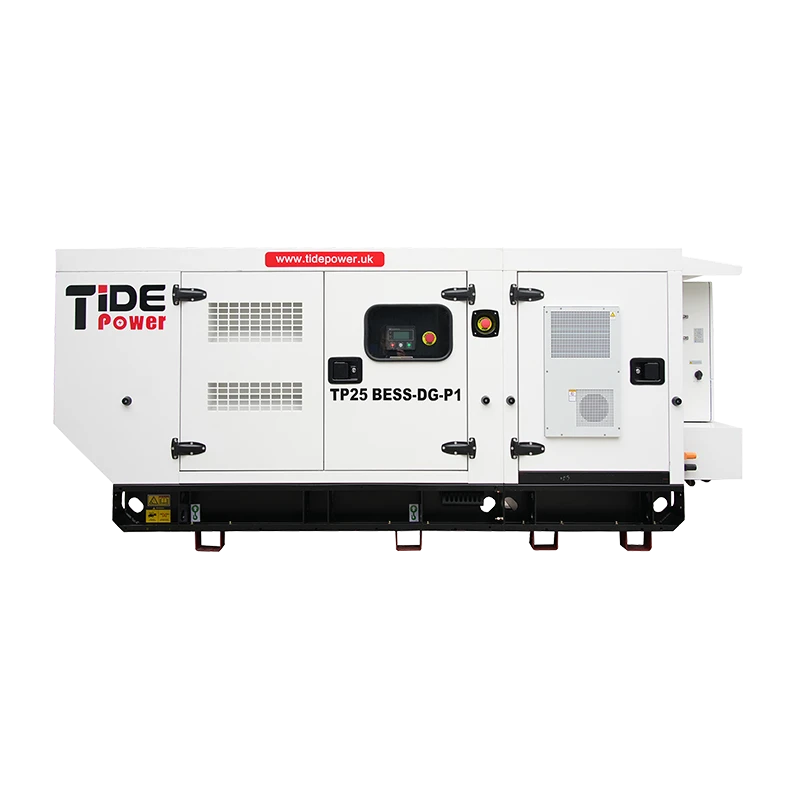
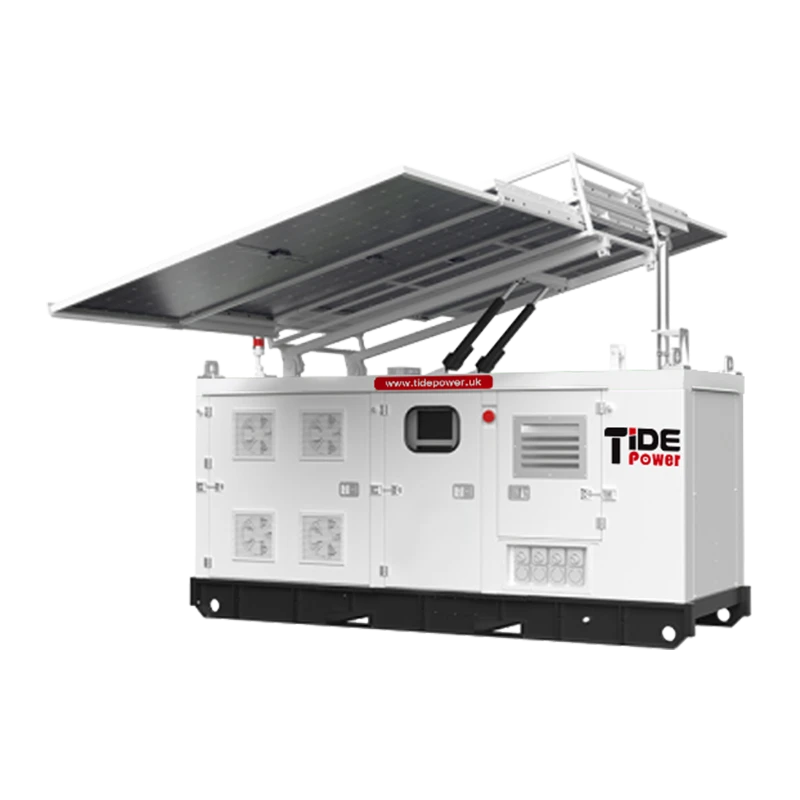
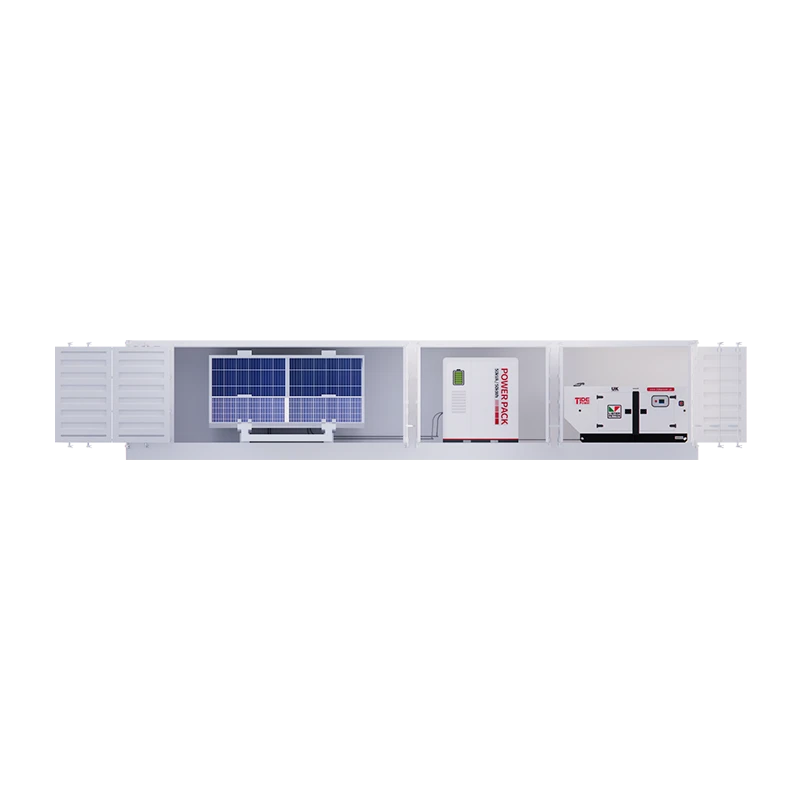
Without storage, a microgrid follows load by ramping diesel generators up and down. Solar becomes surplus or curtailment. With a BESS in place, the controller can hold a generator at an efficient loading band, store excess solar during low demand, and discharge during evening peaks or generator start transitions. That changes procurement as much as operations. The storage capacity is not an extra backup reserve; it is the asset that decides how often the diesel generator runs, how hard it cycles, and whether the solar array earns its capital cost. In Tide Power’s hybrid power system, the LFP storage, solar input, and diesel generation are combined across units from 10 kVA to 250 kVA, so the same control sequence scales from a remote site to a factory microgrid.
Why Do Sizing and Cycle Life Decide the Business Case?
Battery energy storage is usually sold by kilowatt-hours, but the microgrid business case is decided by daily cycles and depth of discharge. A system sized only for the longest single outage will underperform every normal day. Too much stored energy sits unused and adds cost. Too little storage forces the generator back into light-load operation, which raises fuel consumption per kilowatt-hour and accelerates wet stacking in colder climates. We have reviewed several proposed layouts where the same 16.1 kWh LFP battery module counts were justified by completely different dispatch assumptions. The module count matters less than the expected cycles at a given depth of discharge.
| Tide Power Component | Role | Typical Integration Point |
|---|---|---|
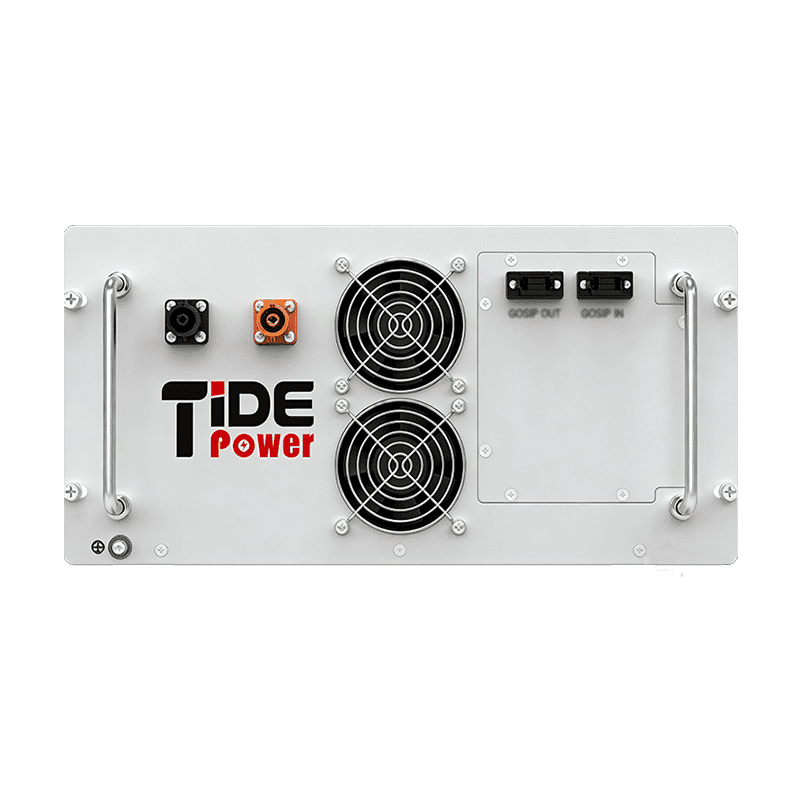
| 5.12 kWh LFP Battery Pack | Stackable storage block | DC bus or cabinet |
| 16.1 kWh LFP Battery Module | Larger modular storage | DC bus or cabinet |
| TP-50BESS to TP-261BESS | Cabinet battery systems | AC or DC coupled |
| TP-25P to TP-250P | Hybrid power units | Diesel, solar, storage dispatch |
Where Does BESS Microgrid Control Integration Tend to Fail First?
The failure is rarely the battery cells. The most common single point of failure is the control boundary between the battery inverter, the energy management system, and the generator controller. A site can pass commissioning and still trip weeks later because the battery keeps exporting after the utility breaker opens. The generator then sees a load step it cannot accept, frequency swings, and the system drops load. Another common issue is state of charge logic that starts the generator too late, forcing the battery to ride below its minimum protected voltage and tap out.
If your program involves grid-parallel operation or a generator with specific ramp limits, confirm that the BESS controller accepts those setpoints before finalizing the BOM. Send the control description to [email protected] and we will check the interface.
How Do You Specify a BESS Without Locking Yourself Into a Bad Contract?
Procurement teams should write requirements around service access and control openness, not just cell chemistry. A bill of materials that names an LFP supplier but says nothing about firmware updates, replacement intervals, or open communication protocols is incomplete. I prefer specifications that require the BESS to expose state of charge, temperature, and fault codes to the site energy management system without a vendor-specific gateway. The same applies to warranty terms. A cycle life warranty written against a single daily cycle is not worth much if the microgrid operates two or three partial cycles a day. Specify the cycle profile and the minimum state of charge that triggers generator start. Tide Power’s TP-50BESS through TP-261BESS cabinets and 5.12 kWh LFP packs are modular, which makes replacement a maintenance swap instead of a full system redesign.
When Should You Send Your BESS Microgrid Integration Requirements?
Most teams wait until the civil works are locked or the generator is already selected before confirming control interfaces. That creates expensive revisions. A short specification review catches interface gaps while the single line diagram is still open. Tide Power’s hybrid power system packages the LFP storage, solar input, and diesel generation in one dispatch architecture, so the battery, generator, and load all follow the same controller. Send your single line diagram, load profile, and target run time to [email protected] or call +86 591 2806 8999. We will confirm which TP-series configuration matches and where the control boundary should sit.
What Questions Come Up Before You Order a BESS Microgrid?
Does BESS integration require replacing the existing generator?
No. A well-scoped BESS integration normally keeps the existing generator and adds storage as a dispatchable asset. The generator remains the anchor for long outages and battery recharge, while the BESS handles start transients, solar smoothing, and short-duration load shifts. Replacement only enters the discussion when the generator is already under capacity, no longer meets emissions limits, or cannot accept a frequency droop signal that matches the inverter. If your generator controller cannot accept battery setpoints, it is worth confirming that early, because adding an external interface changes the single line diagram. Otherwise the original generator stays in service.
What is the main difference between grid-tied and islanded BESS microgrid integration?
A common assumption is that the difference is only the utility connection. The more important difference is who holds frequency and voltage authority. In grid-tied operation the utility sets the reference and the BESS follows dispatch commands. In islanded operation the battery inverter or a dedicated grid-forming unit must establish voltage and frequency before the diesel generator or solar inverters can share load. That changes protection, synchronization, and the sequence for reconnecting to the grid. Projects that treat both modes as the same control case usually discover the gap during commissioning, when the breaker opens and the microgrid does not hold.
How much storage do we need for a remote microgrid?
It depends on the load duration you want to cover with the generator off or lightly loaded. For a site that only needs storage to ride through solar ramps and avoid short diesel starts, a smaller BESS sized for 30 to 60 minutes of critical load may be enough. For overnight diesel-off operation or high solar contribution, the storage must cover evening load plus a reserve margin, and the depth of discharge target becomes the main driver. We usually start from the load profile and the minimum generator loading, then size the LFP modules from there rather than from a fixed kilowatt-hour rule.
What happens when solar output drops faster than the generator can respond?
In projects we have reviewed, the most common issue is not energy capacity. It is the generator controller receiving a load step before the battery ramps. If a cloud bank cuts solar output in seconds, the BESS should absorb the difference while the generator starts and synchronizes. A control setting that waits too long lets voltage sag, and a setting that fires too early starts the generator unnecessarily. The correct sequence is a coordinated frequency and voltage trigger that holds the generator in reserve until the battery reaches a defined state of charge or power threshold. Share your load profile and we will confirm whether the hybrid unit can handle that ramp requirement.
If you’re interested, check out these related articles:
A resounding success at the Tide Power 2024 Annual Gala Dinner
Silent Power, Smart Future: Tide Power Launches the Panda Series Generator
How to Choose the Right Water Pump? A Professional Buyer’s Guide