 EN
EN ZH
ZH FR
FR ES
ES AR
ARSolar vs diesel light tower selection comes down to one operational question: how many hours of reliable illumination must run without interruption, and what constraints surround the site. A solar unit removes fuel deliveries and engine noise but depends on daylight and battery capacity. A diesel unit delivers continuous high-output light for as long as fuel is on hand. From my work across international energy infrastructure projects, most buyers do not fail on the technology choice. They fail by starting with the unit price and ignoring runtime, coverage, and site logistics. The right comparison starts with the site constraint.
Where Do Solar Light Towers Earn Their Keep?
Solar light towers fit best where noise, emissions, or fuel logistics limit a diesel unit. Urban night work, event sites, municipal road repairs, and residential-adjacent job sites often fall into this group. The units run quietly enough to place near occupied buildings, and they produce no point-of-use exhaust. The real advantage is operational: no fuel delivery, no fuel storage, and no daily refuelling stop. The tradeoff is that a solar tower carries a battery bank and depends on daytime solar input. If the site has partial shading, heavy dust, or short winter days, the usable runtime shrinks unless the system is oversized. I have seen this on remote roadwork where the team focused on panel wattage and later found the battery could not hold a ten-hour night shift after two cloudy days.
Where Do Diesel Light Towers Still Lead?
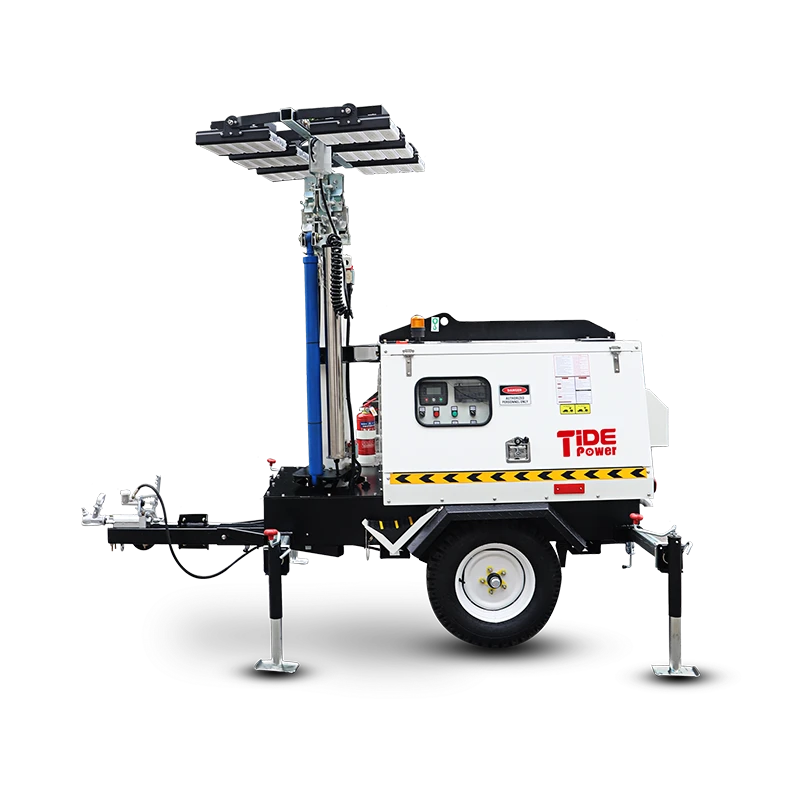
Diesel light towers remain the stronger choice for continuous high-lumen night work, rapid deployment, and sites where fuel is already part of the site plan. Large construction projects, mining operations, emergency response, and remote infrastructure work often fit this profile. A diesel tower can be refuelled and returned to service in minutes, and its runtime is not tied to weather. It can also drive higher wattage luminaires over a wider area than most similarly sized solar units. Engine brand standardization matters when maintenance crews already stock filters and parts for a known supplier. The downsides are constant: engine noise, exhaust emissions, and a fuel supply chain that someone must manage through the full project. Where a generator and fuel bowser are already on site, adding diesel light towers rarely creates a new logistics problem. Where fuel access is restricted or night deliveries are not permitted, the diesel advantage weakens quickly.
How Do Solar and Diesel Light Towers Compare on Runtime and Coverage?
Runtime is where most purchasing decisions are won or lost. A diesel light tower runs continuously as long as fuel is in the tank. A solar light tower runs from its battery bank and recharges during daylight, so the specification must match the longest required night shift plus a reserve for poor solar days. Coverage follows a similar logic. Diesel units can power metal halide or LED arrays with enough output to light large laydown areas from a single mast. Solar units usually pair efficient LED heads with a battery sized for a defined overnight window.
| Factor | Solar Light Tower | Diesel Light Tower |
|---|---|---|
| Power source | PV array and battery bank | Diesel engine and alternator |
| Night runtime | Battery limited, sized for a fixed shift window | Fuel limited, continuous with refuelling |
| Refuelling | Recharges from sunlight | Requires diesel delivery and storage |
| Noise and emissions | Low noise, no point-of-use exhaust | Engine noise and exhaust emissions on site |
| Maintenance | Panel cleaning, battery health checks, inverter service | Engine oil, filters, belts, and fuel system service |
If your project requires more than twelve hours of continuous night operation, battery sizing and solar input are the first variables to confirm before you issue a purchase order. Send your nightly runtime, fixture count, and site power access to [email protected] and we will confirm whether a solar, diesel, or hybrid configuration fits.
What Does the Total Cost Picture Look Like?
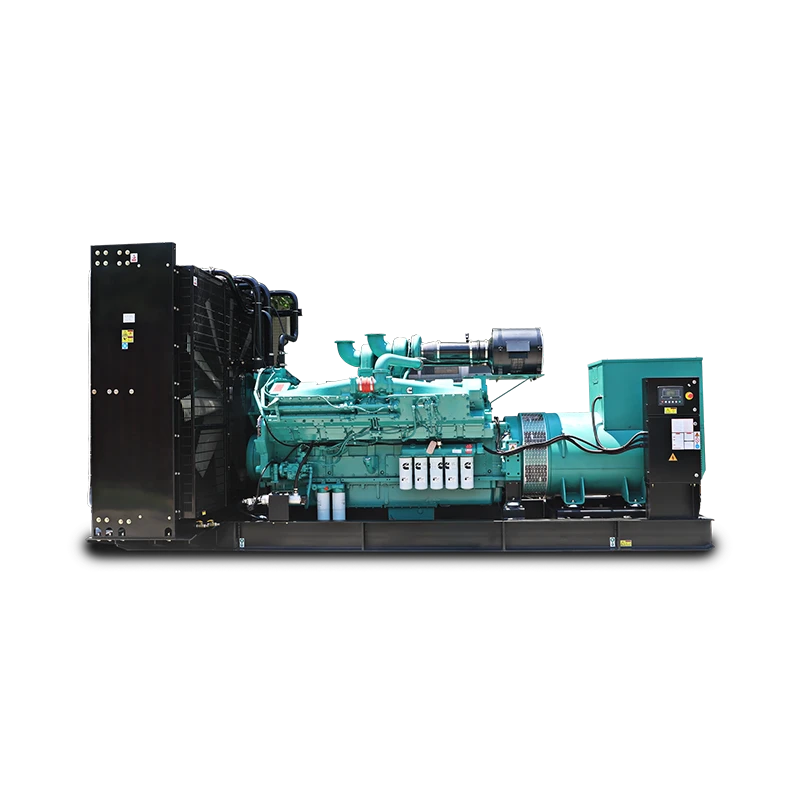
Cost comparisons fail when they stop at the purchase price. Diesel light towers usually carry a lower initial unit cost, but the operating column includes fuel, oil changes, filters, and engine servicing over the deployment period. Solar light towers carry a higher upfront cost for panels, batteries, and the charge control system, but the operating column drops to panel cleaning, inverter checks, and eventual battery replacement. The crossover point depends on fuel price, project duration, and whether the site already runs diesel for other equipment. For a short project with an existing fuel supply, diesel is often the simpler financial decision. For a long deployment in a remote area with expensive delivered fuel, solar can become the lower total cost even when the quote looks higher at the start.
How Should You Shortlist a Solar or Diesel Light Tower for Your Site?
Shortlisting starts with the site constraint, not the catalog list. I ask buyers to work through four lines before comparing models: the longest uninterrupted night shift, the lit area and required lux level, the noise and emission limits that apply, and the condition of fuel access or solar exposure. Write those down first. The unit choice usually follows from the constraint. A site that cannot accept night fuel deliveries and needs ten hours of quiet illumination will lean solar. A site that must light a large stockpile area for fourteen hours without interruption will lean diesel. Tide Power’s lighting tower range covers manual mast, hydraulic, horizontal mast, solar, and solar hydraulic configurations, so the conversation can stay on the project requirement rather than forcing one technology.
If you are balancing fuel access, noise limits, and a fixed number of night hours, the wrong choice shows up as delayed mobilization or a unit that sits idle after the first week. Share your runtime hours, fixture layout, and site power access with us at [email protected] or call +86 591 2806 8999. We will return a solar, diesel, or hybrid recommendation matched to the project.
What Do Buyers Ask About Solar and Diesel Light Towers?
Can Solar Light Towers Run All Night?
Solar light towers can run all night, but only when the battery capacity matches the lighting load and the panels receive enough daytime charge. Most solar tower packages are sized for a defined overnight period, commonly ten to twelve hours. If the site is shaded, dusty, or in a region with short winter days, actual runtime drops. Diesel units do not have the same limitation; they run as long as fuel is in the tank. For projects with fixed night shifts, I recommend confirming the longest uninterrupted shift before choosing the power source.
Is Diesel Always Cheaper Than Solar?
A diesel light tower is not always cheaper just because the purchase price is lower. The unit cost is only the first line. Fuel consumption, oil changes, filters, and engine service accumulate over the project. Solar units carry higher upfront cost for panels and batteries, but the operating outlay is concentrated in battery replacement and cleaning. The better comparison is total cost over the expected deployment period, not the quote on day one. A solar tower that avoids fuel deliveries can win on remote sites even when the purchase price looks higher.
How Many Light Towers Do I Need for a Site?
It depends on how the site is measured. For a large open area with uneven ground and no power access, one high-output diesel tower may cover more ground than two smaller solar units. For a narrow roadwork zone with strict noise rules, a solar tower can be placed closer to work crews and residents. The deciding factors are lux level required, mounting height, and how much area needs continuous light. Ask for a coverage plan before comparing unit counts, because two different mast types can deliver very different usable light on the same site.
Which Type Handles Dust and Rough Terrain Better?
In projects I have supported, the deciding factor has rarely been the mast type alone. It has usually been site logistics. A site that already receives diesel for generators and pumps can add diesel light towers without new supply arrangements. A site with no fuel storage, or a client that prohibits night deliveries, often finds solar easier to keep running. My recommendation is to start from the daily operating plan, then choose the power source that creates the fewest extra movements. If your site has mixed conditions, share the layout with us at [email protected] and we will confirm panel sizing or fuel logistics before you order.
If you’re interested, check out these related articles:
How to waterproof diesel gensets in spring and summer when there is a lot of rain?
Cheers for the completion of the first phase of the Gas Project in Africa
Power the Future with Tide Power at Electric & Power Indonesia 2025!
Successful Synchronization of 7 Gas Gensets in Africa