 EN
EN ZH
ZH FR
FR ES
ES AR
ARSelecting a silent generator set for noise-sensitive areas requires more than comparing decibel ratings on a spec sheet. Site noise regulations, acoustic enclosure design, and real-world operating conditions determine whether a generator truly fits a hospital, residential zone, or data center. Having supported global energy projects where noise compliance determined project approval, I’ve seen that the right choice often depends on how well the enclosure design matches the site, not on the lowest dB number. In this guide, we’ll examine the engineering behind effective noise containment, how to verify manufacturer claims, and what procurement teams should prioritize when sourcing equipment for environments where sound control is non-negotiable.
What Noise Levels Do Noise-Sensitive Areas Require?
Noise tolerance varies dramatically by application. Hospitals often enforce nighttime limits as low as 35–45 dBA in patient areas—a level that requires generators to produce virtually no audible disturbance from the exterior. Residential zones typically allow 50–55 dBA during daytime and may drop to 45 dBA at night in strict municipalities. Data centers and commercial facilities are more forgiving, often accepting 60–65 dBA, but even those environments now face tighter regulations as facilities encroach on mixed-use developments. When evaluating a generator’s suitability, remember that manufacturer noise data is usually measured at 7 meters. Sound attenuates with distance, but a generator rated at 70 dBA at 7 meters could still exceed a 50 dBA limit at the property boundary if placed too close. Site layout and barriers become part of the noise equation.
How Silent Generator Enclosures Achieve Acoustic Performance
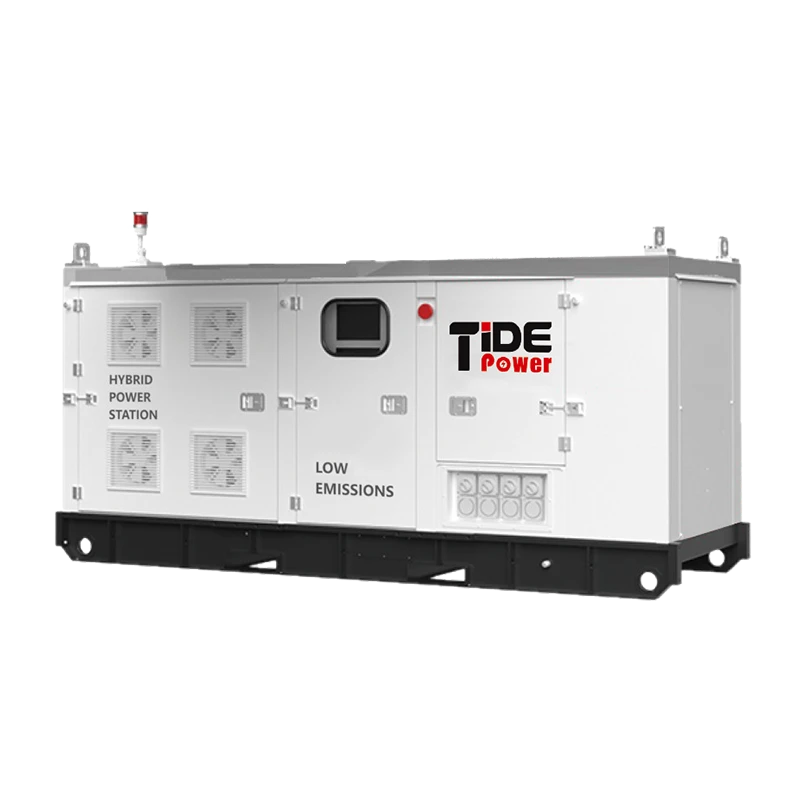
Effective soundproofing is a system, not a single material. Multi-layered canopy panels typically combine structural steel with mass-loaded vinyl, acoustic foam, and perforated inner liners that absorb sound energy across a range of frequencies. The enclosure must also seal tightly around doors, cable entries, and exhaust penetrations to prevent noise leakage. Tide Power’s Fenova Plus series, for example, uses a high-protection low-noise canopy with multiple damping layers to maintain consistent sound performance even at full load. Vibrations from the engine and alternator are another source. Quality generators include vibration isolators and flexible connectors that decouple the power unit from the enclosure frame, preventing the entire structure from becoming a sounding board.
| Series | Power Range (kVA) | Engine Brands | Key Noise-Reduction Feature |
|---|---|---|---|
| Fenova Plus | 5–900 | Lister Petter | High-protection, multi-layer canopy |
| Hemera | 5–650 | DCEC, Perkins, SME | CE & ISO compliant acoustic design |
| P Series | 8–340 | DCEC, Lister Petter, Perkins | 2 mm thick soundproof canopy with front ventilation |
| Panda | Custom | Cummins, Lister Petter, Perkins, YTO, Yangdong | Advanced acoustic design for low noise |
| Fenova (multi) | 5–900 | Perkins, Cummins, Doosan, Deutz, Iveco, etc. | Liftable canopy, supports parallel operation |
Balancing Noise Reduction with Cooling and Maintenance Access
The tighter the enclosure, the harder it is to move air. Generator sets reject substantial heat, and restricting airflow to suppress noise can push internal temperatures high enough to derate output or shorten component life. Skilled enclosure design therefore treats airflow as a primary acoustic variable. Baffled intake and exhaust paths allow cooling air to move while breaking up sound waves. Tide Power’s P Series, for instance, uses a front ventilation system combined with a 2 mm soundproof canopy, achieving a balance between low noise and efficient cooling. Large access doors and removable panels permit routine maintenance without compromising acoustic integrity, because every time a technician opens a hatch and doesn’t reseal it perfectly, the noise signature changes. If your project involves residential proximity with strict night-time noise limits, confirming the generator’s actual operating dB at full load under site conditions is critical. Reach out at [email protected] with your requirements to obtain certified acoustic data from the manufacturer.
How to Verify Manufacturer Noise Specifications and Compliance
Noise data on a brochure is only as trustworthy as the testing behind it. Look for measurements conducted according to ISO 8528-10, the recognized standard for generator set noise emissions. This standard prescribes measurement positions, load conditions, and environmental corrections that allow you to compare models across brands. Reputable manufacturers will supply an ISO 8528-10 test report for the specific model and rating you intend to buy—not a generic family value. When feasible, a factory acceptance test lets you hear the unit running and take your own decibel readings before shipment. At site level, verify that local noise regulations reference a consistent measurement method, such as Lp (sound pressure level) at the property line, and confirm the generator’s distance attenuation fits your layout.
Choosing a Silent Generator Supplier for Your Noise-Sensitive Project
A supplier’s noise performance claims mean little without a supporting track record. Look for manufacturers who offer multiple enclosure series across a broad power range, indicating they’ve engineered for different noise sensitivities rather than applying one-size-fits-all. Check whether they can customize enclosure features—extra soundproofing, remote monitoring integration, or alternative cooling configurations—to match unique site conditions. Tide Power, for instance, supplies silent generator sets from 5 kVA to over 900 kVA with engine choices that let you balance regional service support, fuel efficiency, and acoustic requirements. Confirm the product carries relevant certifications such as CE and ISO compliance, and ask about post-installation support for noise monitoring to maintain long-term compliance.
Ensuring your generator complies with site noise regulations from day one avoids costly retrofits and project delays. Share your project’s noise limits and power requirements with our team at [email protected] or call +86 591 2806 8999, and we’ll propose a configuration with verified acoustic performance data.
Common Questions About Silent Generators for Noise-Sensitive Sites
What is the typical noise level of a silent generator set?
Most properly enclosed silent diesel generators operate between 65 and 75 dBA when measured at 7 meters according to ISO 8528-10. A compact 50 kVA unit may sit around 68 dBA at full load, while a larger 500 kVA set might reach 73 dBA. The variation comes down to engine speed, enclosure material density, and exhaust silencing. Always compare ratings at the same distance and measurement standard to avoid misleading comparisons.
Can a silent generator be used in a residential area without complaints?
Yes, provided the unit’s noise output at the property boundary stays below local night-time limits—often 50 dBA Lp in many municipalities. Positioning the generator away from bedroom windows and behind a solid fence or wall can reduce perceived loudness by 3–5 dBA. In projects I’ve supported, adding an external exhaust silencer and orienting the exhaust away from sensitive areas often resolved compliance issues that a dB spec alone couldn’t address.
How do I verify that a manufacturer’s noise claims are reliable?
Request the ISO 8528-10 test report for the exact model and rating you intend to purchase. This report documents the measurement conditions, microphone positions, and load steps that produced the claimed noise figure. For high-stakes installations, arrange a factory acceptance test or site noise verification before final commissioning. A manufacturer unwilling to provide the report is a red flag.
Do silent enclosures increase the generator’s cost significantly?
A silent enclosure typically adds 15–30% to the base unit price compared to an open-frame generator of the same rating. The premium covers acoustic materials, specialized canopy manufacturing, and additional engineering for cooling and access. However, that upfront cost often avoids far larger expenses tied to noise complaints, compliance fines, and site modifications—especially in urban or regulated environments. Share your requirements and we’ll help confirm the most cost-effective configuration for your site.
If you’re interested, check out these related articles:
Empowering Australian Agriculture: Tide Power & Lister Petter Join Forces
Tide Power’ s exhibition at the 135th Canton Fair has successfully concluded
Tide Power KSA Warehouse: Gensets & Lighting Towers Available Now
Silent Power, Smart Future: Tide Power Launches the Panda Series Generator