 EN
 ZH
 FR
 ES
 AR
The new vs used mini excavator decision is usually framed as a price question, but price is the least reliable part of the comparison. A new machine gives you a known service history, current emissions compliance, warranty support and a configuration built for your work. A used machine can preserve capital and still deliver productive hours, provided its condition, paperwork and repair risk are verified before purchase. The better choice depends on how many hours you will run the machine, how much downtime your schedule can absorb, and whether site or import rules restrict the engine. This guide sets out the tradeoffs and the checks that separate a sound used purchase from an expensive project.
What a new mini excavator actually buys you
A new mini excavator buys certainty in several forms. The hour meter starts at zero, the warranty covers defined failures, the emissions package matches the market where it is sold, and the dealer can supply the correct attachment coupler, hydraulic circuit and canopy configuration. Financing is usually easier because the lender can value a current model with a known resale record.
That certainty has a cost. The first owner carries the steepest depreciation, and the machine must earn back that capital through productive hours. A new unit that sits idle for long periods still carries insurance, storage, finance and servicing costs. The cost per working hour rises quickly when utilization is low, even if the machine itself is reliable.
New equipment also does not remove every risk. A model with a long lead time can arrive after the project window has narrowed. A dealer far from the site can slow down warranty repairs. Before choosing new, confirm the delivery date, local parts support and the service response time in writing rather than assuming that a current model will be supported quickly.
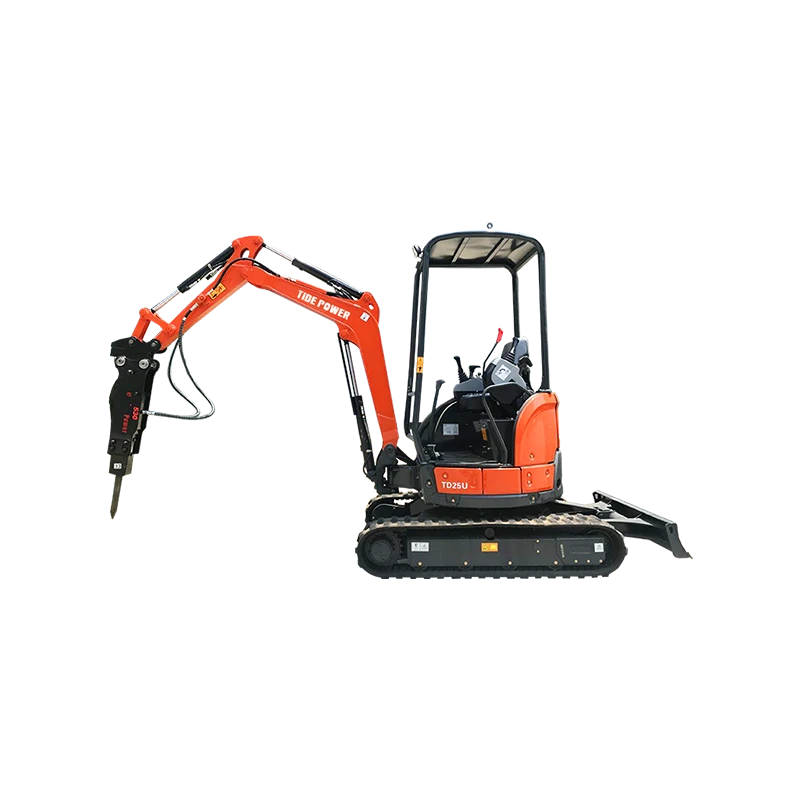
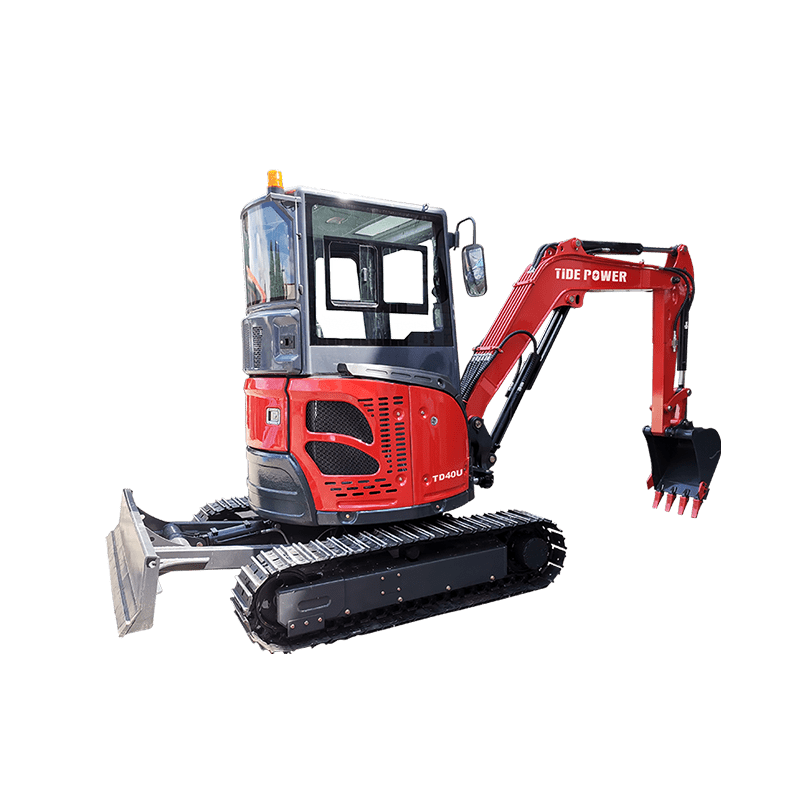
In the compact classes used for landscaping, utility work and tight urban sites, access and transport often matter as much as raw digging force. A new unit from a dealer such as Tide Power can be specified around the attachment pattern, canopy height and transport method your site actually uses, which reduces the risk of buying capacity you cannot move or use.
Where a used mini excavator makes better economic sense
A used mini excavator makes sense when the work is seasonal, short-term or spread across several small sites. The lower entry price leaves capital available for attachments, transport, repairs or a second machine. For an owner-operator who can handle minor maintenance and has a local parts channel, a well-documented used unit can deliver a lower cost per hour than a new machine that would sit idle between jobs.
The advantages disappear when the machine’s history is unclear. A used unit may have been repaired after structural damage, run with contaminated hydraulic oil, or fitted with an attachment pattern that is expensive to replace. A low hour reading does not prove light use if the undercarriage is worn, the pins are loose or the hydraulic system has been overheating. The buyer is taking on the inspection burden that the dealer or first owner carried with a new machine.
Used equipment is strongest when three conditions hold: the seller can document ownership and service history, a qualified mechanic can inspect the machine under load, and parts are available locally or through a known aftermarket channel. It is weakest when the schedule cannot tolerate an unplanned repair, when the engine must meet a current emissions rule, or when the machine depends on obsolete electronics.
Larger compact units deserve particular attention because repair costs scale with size. A tired undercarriage or final drive on a heavier machine can consume much of the saving from the lower purchase price. The same logic applies to transport: a larger used unit may require a heavier trailer, a different tow vehicle and permits that were not part of the original budget.
The hidden costs that separate a fair price from a false saving
The asking price is only the first line of the cost comparison. Undercarriage wear, hydraulic pump condition, cylinder leaks, pin and bushing play, hose age, electrical faults and aftertreatment condition all affect the repair reserve you should hold. Attachments, couplers, buckets, transport, insurance and operator training belong in the same calculation.
A low asking price can still be a false saving when the machine needs a repair that stops work during a critical window. The relevant question is not whether the used machine is cheaper on the day of sale. It is whether the purchase price plus a realistic repair reserve plus the cost of downtime remains below the new-machine alternative.
Used-equipment listings often mix useful evidence with claims that cannot be checked from the page alone. The table below separates what common listing statements can legitimately support from what a buyer should not infer.
| Evidence in the listing | What it can legitimately support | Do not infer |
|---|---|---|
| Hour meter reading | The operating time recorded by the meter | That the meter is original, accurate or consistent with wear |
| Service records | Maintenance was logged for the period covered | That every repair was recorded or performed on schedule |
| New paint or decals | Cosmetic condition has been changed | That the machine was not repaired after damage |
| Stage V or emissions label | An engine label or seller claim exists | That the exact engine has valid type-approval for your market |
| Bucket capacity or digging force figure | A specification is being quoted | That it was measured by a common method or applies to your bucket |
| Dealer inspection report | Items were checked on the stated date | That the machine will perform under your operating cycle |
These limits are not a reason to distrust every seller. They are a reason to convert claims into documents and tests. Ask for the engine model and approval document, compare wear with the hour meter, and have the hydraulic system checked at operating temperature rather than only at idle.
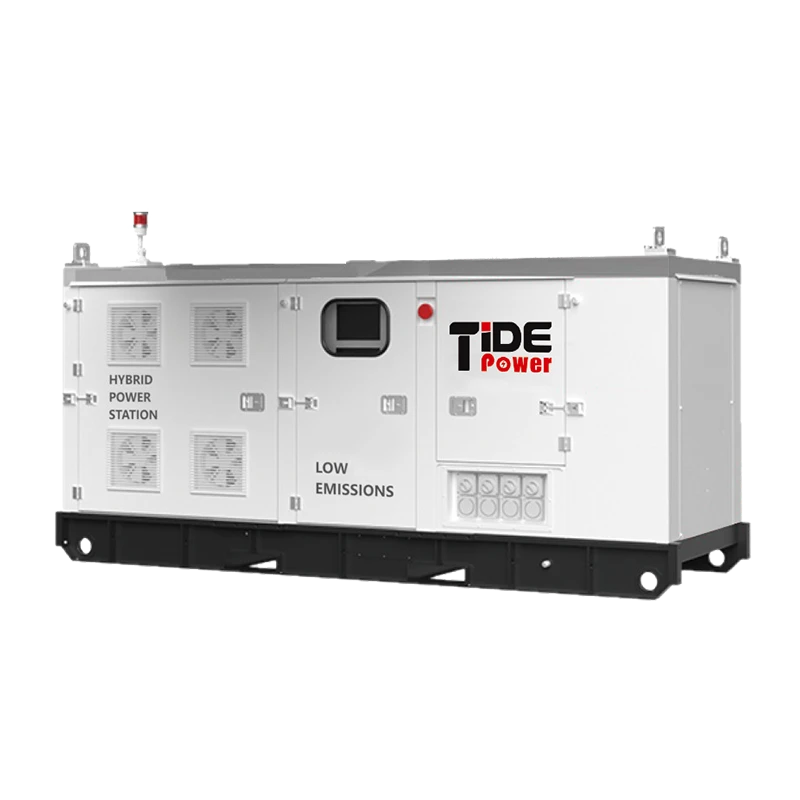
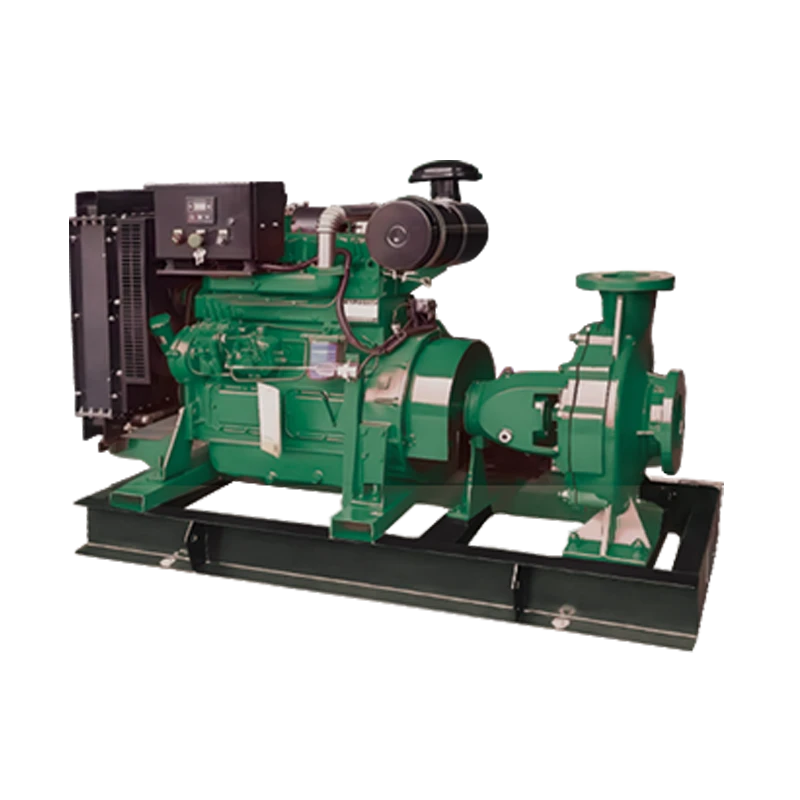
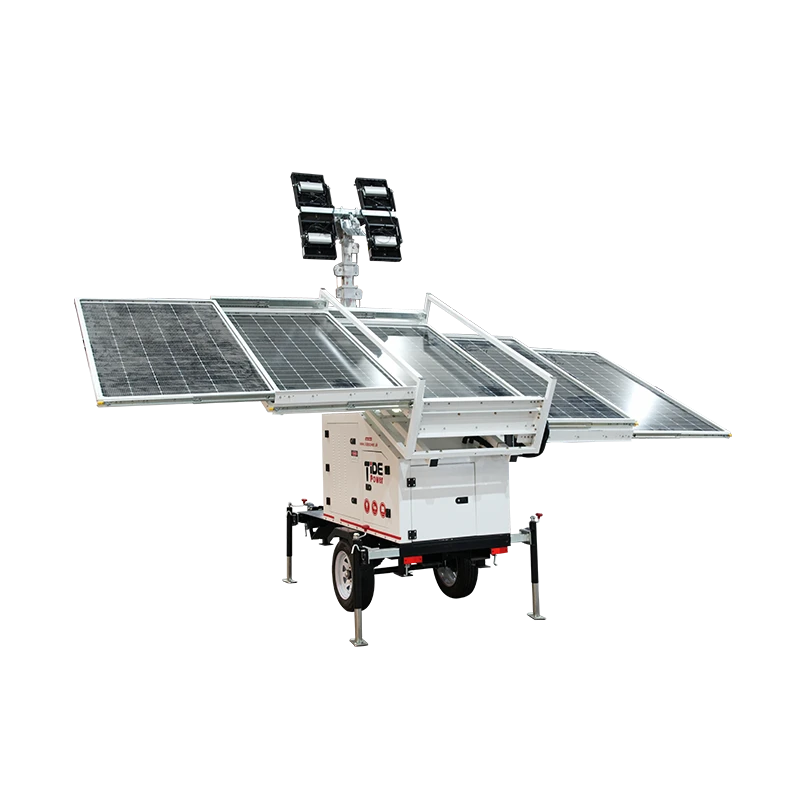
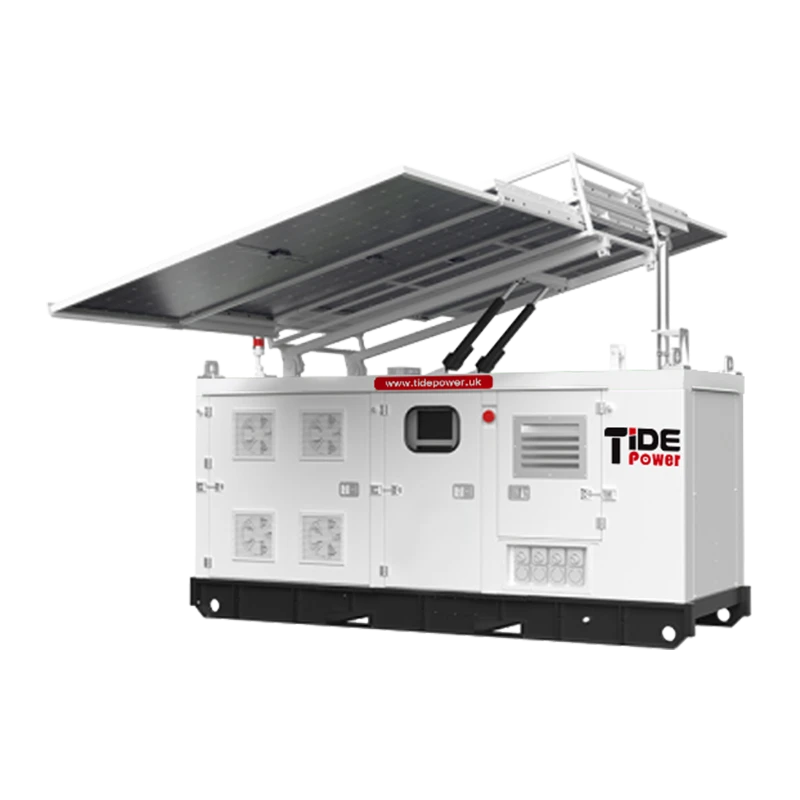
Site support costs also belong in the comparison. A used excavator that saves capital but requires a larger dewatering allowance, more site lighting or a separate power source for electric tools may not be the cheaper system. Dewatering capacity can decide whether a trench stays workable, lighting extends the safe working window, and compact site power supports electric equipment or an electric machine.
How to inspect a used mini excavator before you commit
A used mini excavator should pass three gates before money changes hands: paperwork, static inspection and an operating trial. Skipping any gate shifts a known risk from the seller to the buyer.
Paperwork gate
Confirm the seller’s identity, the machine serial number or PIN, and the ownership record. Ask for service records, repair invoices, attachment lists and any warranty transfer documents. If a lien or finance agreement exists, require a release before payment. For an imported machine, check customs documents and the engine emissions label.
Specification sheets are useful only when the numbers share a measurement basis. Tool forces should be read against ISO 6015, and bucket volumetric ratings against ISO 7451; a larger number without that basis can reflect a different bucket or measurement method rather than a stronger machine [1], [2]. For a used machine that will be placed on the EU market, match the engine model to its type-approval status under Regulation (EU) 2016/1628. A sales line saying Stage V is not a substitute for the engine plate and approval document [3].
Static inspection gate
Inspect the machine cold and clean. Look for welded repairs on the boom, arm and chassis, cracked castings, bent cylinders and fresh paint over oil leaks. Check track tension, sprocket wear, idler condition, roller play and shoe wear. Rock the bucket and check pin and bushing movement. Inspect hose dates, chafing and leaks. Look at the hydraulic oil and filter condition, radiator fins, battery age and warning labels.
Record every defect with a photo and a repair estimate. A defect that is minor on a small machine can become a major expense on a larger unit, especially when it affects the undercarriage or final drives.
Operating trial gate
Run the machine long enough to reach operating temperature. Start it cold if possible and watch for excessive smoke, unusual noise or slow hydraulic response. Test every function: boom, arm, bucket, swing, travel, offset if fitted, and auxiliary hydraulic circuit. Check for drift in the boom or arm, uneven track speed and poor steering. Operate the machine under load, not only in the yard.
Stop the trial if the hydraulic system overheats, a function hesitates or the machine tracks to one side. Those symptoms can point to pump wear, valve problems or final-drive damage, and they should be diagnosed before price negotiation.
Which option fits your schedule, risk limit and site rules
Use the decision table as a filter, not as a ranking. A used machine with a documented repair history and local parts support can be a lower-risk choice than a new model with a long lead time and no service coverage nearby. The reverse is also true when the project cannot absorb an unplanned repair.
| Situation | New may fit better when | Used may fit better when | Do not choose used when |
|---|---|---|---|
| Workload | You have a steady multi-year workload and high utilization | The work is seasonal, short-term or spread across small sites | You cannot tolerate an unplanned repair during a critical window |
| Finance | You need warranty-backed financing and a known monthly cost | You can pay cash or accept shorter lender terms | The only affordable unit has no verifiable history |
| Downtime | Schedule penalties are high and backup equipment is unavailable | You have backup equipment or a reliable repair channel | No local parts or service support exists for that model |
| Site rules | Current emissions or site-access rules apply | The machine will work where older engines are allowed | The seller cannot document engine approval for your market |
| Attachments | You need a specific coupler or attachment pattern | Common attachments are available and compatible | The attachment pattern is obsolete or costly to adapt |
| Exit | Resale value and brand support matter to your business | You plan to run the machine to the end of its economic life | The purchase depends on a resale value you cannot support |
A new machine is not automatically the safer financial choice, and a used machine is not automatically the better value. The comparison only works when both options carry a realistic repair reserve, a delivery date and a parts plan.
Send the machine details before you compare prices
If you are comparing a new and a used mini excavator, send the details that change the quote: machine class or operating weight, year, hours, engine model and emissions status, undercarriage condition, hydraulic leaks or function problems, attachment list, service records, intended application, site access limits, delivery location and budget range. For a new-unit proposal, include the work cycle and transport method so the configuration is not based on a bare model name.
Tide Power can confirm available new configurations and specification options for its mini excavator range. Inspection findings and approval of a specific used machine remain the buyer’s responsibility. Contact the sales team at [email protected] or +86 591 2806 8999 with the machine details and application.
FAQ
Is a used mini excavator cheaper to own than a new one?
Not always. The purchase price is usually lower, but ownership cost includes repairs, downtime, financing, transport and resale. A used machine is cheaper to own when an inspection confirms its condition, parts are available and the buyer can absorb a repair without stopping a critical project. A new machine can be cheaper to own when high utilization spreads the capital cost and warranty support prevents lost production.
How many hours are too many on a used mini excavator?
There is no universal hour limit. Hours are one signal among several. Compare the meter reading with undercarriage wear, pin and bushing play, hydraulic performance and service records. A high-hour machine with documented maintenance and a strong repair history may be sounder than a low-hour machine with heavy wear, missing records or a repaired boom. Judge the components, not the number alone.
What paperwork should come with a used mini excavator?
Ask for a bill of sale, serial number or PIN, engine model and emissions label, service and repair records, attachment list and any transferable warranty. Confirm that no lien or finance balance remains, and obtain a release before payment. For an imported machine, keep customs and import documents. For EU work, keep the engine type-approval document with the machine records.
Can I finance a used mini excavator?
Financing is available in some cases, but lenders weigh age, hours, condition, resale value and buyer credit. A used machine may receive a shorter term, a higher deposit or a lower advance than a new unit. Compare the total finance cost, not only the monthly payment, and check that the approved value is not based on an inflated resale estimate.
References
[1] ISO 6015:2006, “Earth-moving machinery, hydraulic excavators, methods of measuring tool forces,” ISO, 2006.
[2] ISO 7451:2007, “Earth-moving machinery, volumetric ratings for hoe-type and grab-type buckets of hydraulic excavators and backhoe loaders,” ISO, 2007.
[3] Regulation (EU) 2016/1628, “On requirements relating to gaseous and particulate pollutant emission limits and type-approval for internal combustion engines for non-road mobile machinery,” European Parliament and Council, 2016.
If you’re interested, check out these related articles:
Tide Power Showcases Innovative Hybrid Power Solutions in Successful 2025 Global Exhibition Series
Sustainable Power Made Simple with TIDE POWER TP200BESS
Energizing Remote Operations: Hybrid Power Solutions for Off-Grid Success
Compact BESS: Your Intelligent Route to Energy Independence and Cost Efficiency
TIDE POWER TP200BESS: Advanced Hybrid Storage for Industrial Efficiency